
Many vehicle owners may come across the term “induction service,” often leading to confusion and misconceptions. This article aims to clarify what induction service really is and its relevance in the context of vehicle maintenance. By exploring the air intake system’s role, the importance of scheduled maintenance alerts, and the consequences of neglecting service warnings, we will equip private car owners, used car buyers, sellers, and small business fleet operators with valuable knowledge. This comprehensive overview will underscore the significance of regular inspections and timely interventions to enhance vehicle efficiency and longevity, ensuring that you stay informed about your automotive needs.
Induction Service Demystified: How Cleaning the Engine’s Air Path Impacts Power, Efficiency, and Emissions
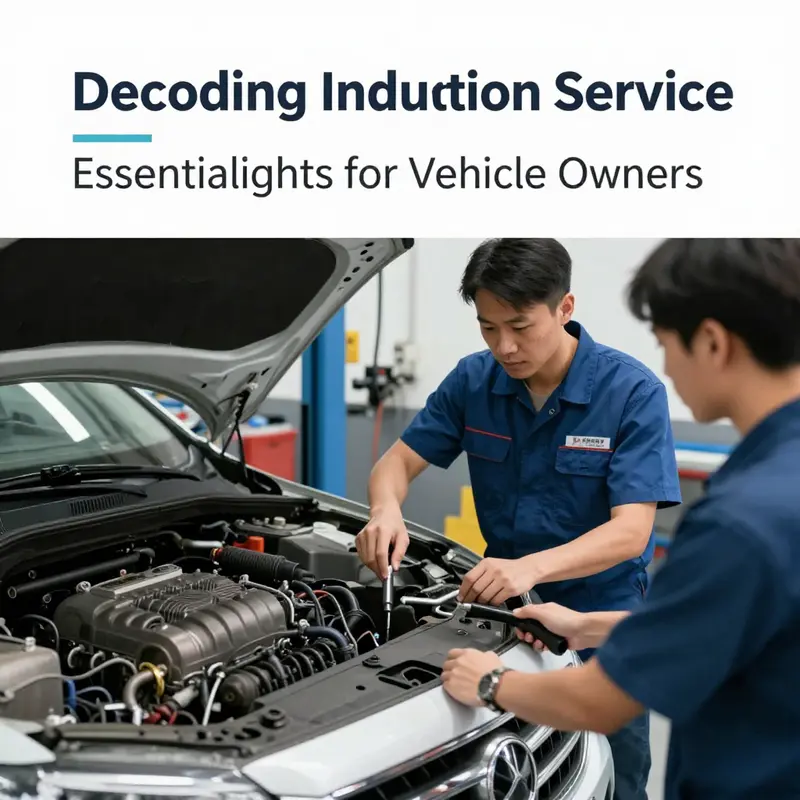
When a driver first hears the phrase induction service, a certain curiosity and skepticism often follow. Induction service sounds technical, even mysterious, like a procedure reserved for high-performance engines or specialty shops. In truth, the term is not as formal or universal as other maintenance tasks, and it is frequently misunderstood or misapplied in everyday conversations about car care. What is generally meant by induction service is a focused effort to clean and restore the engine’s induction system—the pathway through which air reaches the combustion chamber. This pathway includes the air intake, throttle body, intake manifold, and, in some designs, components like the intake ports and fuel injector regions that sit upstream of the cylinder head. The air is the raw material of combustion, and any reduction in its cleanliness or flow can ripple through the engine’s performance, efficiency, and emissions. Because this system governs how much air the engine breathes and how smoothly it is drawn in, keeping it free of deposits and obstructions matters, even if the car appears to operate normally on a daily drive. The induction system is not the same as the fuel system, and the service we’re discussing here should not be confused with oil changes, tire rotations, or other routine maintenance. Yet its relevance is real, especially for modern engines that rely on precise air-fuel mixtures to achieve optimal performance and low emissions. The idea behind an induction service is to remove carbon buildup, varnish, and other hydrocarbons that can accumulate along the air intake path over time. Carbon deposits can form where combustion byproducts interact with intake lubricants and environmental contaminants. On engines that operate with tighter tolerances or use direct injection, these deposits can be more stubborn and more likely to affect how air enters the combustion chamber. The result, if deposits are left to grow, is a subtle but persistent change in air flow. The engine may feel a touch less responsive, the throttle a little heavier to press, and the fuel economy a little softer as the air-fuel mixture tightens or becomes inconsistent. In a modern car, those small changes matter more than they once did because engines depend on exacting air flows to meet stringent emissions standards and to support efficient combustion across a wide range of speeds and loads. The induction pathway is the engine’s inhalation system; clean air is the prerequisite for clean combustion. When dealers and independent shops offer an induction service, they typically target the parts where carbon and varnish most easily stabilize: the throttle body, the intake ports around the throttle plate, and sometimes the intake manifold itself. A typical service may involve visual inspection to identify obvious intake leaks or loose clamps, followed by cleaning procedures that remove carbon buildup without harming sensors or seals. Technicians often use specialized tools and solvents designed to dissolve deposits without leaving residues that could attract new buildup quickly. They may also inspect related components such as the mass air flow sensor and the idle air control valve. The throttle body is a common focal point because it sits directly in the air path and contains a moving plate that can accumulate deposits over time. When the plate gunk up, air passage can become restricted, causing hesitation during acceleration, uneven idle, or a less precise throttle response. A clean throttle body helps restore the expected air flow profile, which in turn helps the engine meter fuel correctly and respond to driver input with the immediacy you expect from the throttle pedal. The intake manifold, though more distant from the throttle, can accumulate varnish and carbon in some designs, which may affect runner velocity and mixture distribution among cylinders. In engines with port fuel injection, the fuel is introduced closer to the intake ports, but even there, the deposit patterns differ from those in direct-injection systems. In direct-injection engines, carbon buildup on the intake valves can be more pronounced because the fuel does not wash over those surfaces as it does in port injection. In this sense, induction service becomes part of a broader strategy to manage intake cleanliness as part of a preventive maintenance plan rather than a one-off cure for performance woes. The decision to pursue induction service is rarely prompted by a single warning light or a dramatic loss of power. Instead, many drivers discover its value only after they have accumulated miles and drive conditions that tend to promote buildup—urban stop-and-go traffic, short trips, or climates with significant temperature swings. The Society of Automotive Engineers has reported that vehicles which receive regular induction servicing can demonstrate appreciable improvements in fuel economy and emissions compared with vehicles that neglect intake maintenance. The figure cited—up to about 15 percent better fuel economy under certain conditions—is not a universal guarantee, and it depends on engine type, operating conditions, and the way the vehicle is driven. Still, it points to a tangible benefit: the engine can breathe a little easier when the air path is clean, and that ease can translate into more efficient combustion and reduced exhaust emissions over time. This possibility dovetails with broader observations about preventive maintenance. If you treat the induction system as part of a chain of air and fuel management, you begin to see how seemingly small enhancements—like removing a stubborn carbon film from the throttle body—can support smoother idle, more confident acceleration, and more consistent torque delivery. These are not large, dramatic changes but rather the cumulative effect of maintaining clear air pathways to the combustion chamber. The long-term value of such maintenance becomes clearer when you consider the cost of neglect. Deposits that grow unchecked can contribute to reduced engine efficiency, increased fuel consumption, and even irregular fuel-air mixtures that complicate emissions control. In a direct-injection engine, the likelihood of deposits forming on the intake side can be higher, because the fuel does not naturally clean those surfaces as it does in engines with port injection. This is not a universal fate for every vehicle, but it is a factor many technicians weigh when recommending a cleaning of the intake path as part of a broader maintenance plan. It is important to recognize that induction service is not a universal prescription for every model or every owner. For many drivers, especially those who routinely drive longer distances, at moderate speeds, with properly functioning air filters and a healthy maintenance schedule, the induction system can stay fairly clean with standard upkeep. Others with certain driving patterns or engine designs may notice the gains from a cleaning sooner rather than later. A discerning technician will evaluate the air intake system along with other indicators: the age and condition of the air filter, the presence of oil or moisture in hoses, the consistency of the throttle response, and the readings from sensors such as the mass air flow sensor. A service decision should be grounded in the vehicle’s history and the owner’s observations. The broader context of maintenance is essential here. The dash warning that many drivers interpret as a signal to “induction service” is not a standard indicator in most vehicles. Instead, what is common is a maintenance reminder light that, once illuminated, prompts a review of scheduled service tasks, which can include oil changes, filter replacements, brake inspection, and fluid checks. If the message is accompanied by a loss of power or rough running, the root causes may extend beyond the intake path to fuel delivery, ignition, or exhaust aftertreatment. When you consider the maintenance timetable, it is helpful to consult sources that frame preventive maintenance in terms of intervals that make sense for your vehicle’s design and your driving life. For instance, discussions about oil change intervals emphasizing time versus mileage can provide a framework for deciding when other maintenance tasks should occur, including intake path checks or cleanings. A reliable reference point is the resource detailing optimal intervals, time and mileage considerations, and the trade-offs of early or late service. Optimal oil change intervals: time vs mileage serves as a reminder that maintenance is a moving target shaped by how you drive, the environment, and the vehicle’s design. Connecting induction service decisions to a broader maintenance mindset can help you avoid treating the intake path as a last-resort remedy for performance issues. It is better to view it as part of a proactive plan that emphasizes clean air pathways as a way to sustain efficient combustion and minimize emissions. In this light, the induction service becomes less a one-time fix and more a component of ongoing care that reflects both the vehicle’s engineering and the owner’s stewardship. This perspective aligns with the guidance from professional bodies that emphasize technician qualifications and standardized procedures. The National Institute for Automotive Service Excellence (ASE) offers authoritative guidelines for technicians performing such tasks and for consumers seeking to identify qualified professionals. Their resources underscore the importance of skilled service, proper use of tools, and adherence to industry best practices, ensuring that any intake-system cleaning is performed with attention to sensor integrity and corrosion resistance. For a reader seeking verification beyond local shop claims, turning to ASE for standards and certification can be a prudent step. In the end, understanding what induction service really means requires balancing technical clarity with practical judgment. It is not a universal mandate, and it is not a panacea for every performance issue. It is a targeted maintenance option that can help preserve air flow and combustion quality at a time when carbon buildup begins to influence the engine’s efficiency and responsiveness. If you notice symptoms such as hesitated response at mid-range throttle, a subtle drop in fuel economy, or rough idle that persists beyond normal acclimation, discussing the induction pathway with a qualified technician can be worthwhile. The technician will weigh the potential benefits against the vehicle’s age, mileage, and driving pattern, along with the presence of other contributing factors like dirty air filters, fuel quality, or ignition coil health. The balance between preventive maintenance and diagnostic troubleshooting is delicate, but when approached with clear information, it can yield a plan that keeps the engine breathing cleanly and efficiently. As with any maintenance decision, informed choices depend on credible guidance, a trustworthy technician, and a careful assessment of the vehicle’s unique operating profile. That means looking beyond the immediate symptoms and considering how the intake path interacts with fuel delivery, sensors, and exhaust aftertreatment. It also means recognizing that maintenance plans should be revisited over time, as the vehicle ages and as driving habits change. For owners, the practical takeaway is straightforward: understand that induction service exists as a tool to maintain air intake cleanliness, but treat it as one piece of a comprehensive maintenance strategy. Keep an eye on the basics—oil health, air filter condition, and sensor performance—and remember that the goal of any induction-related work is to preserve smooth, predictable performance and to help the engine run cleanly and efficiently across its lifetime. External readers, meanwhile, can consult the ASE’s resources to understand the standards technicians should meet and the quality controls you should expect when technicians perform any intake-system cleaning or related procedures. External resource: https://www.ase.com/.
Breath of the Engine: Induction Service and the Air Intake
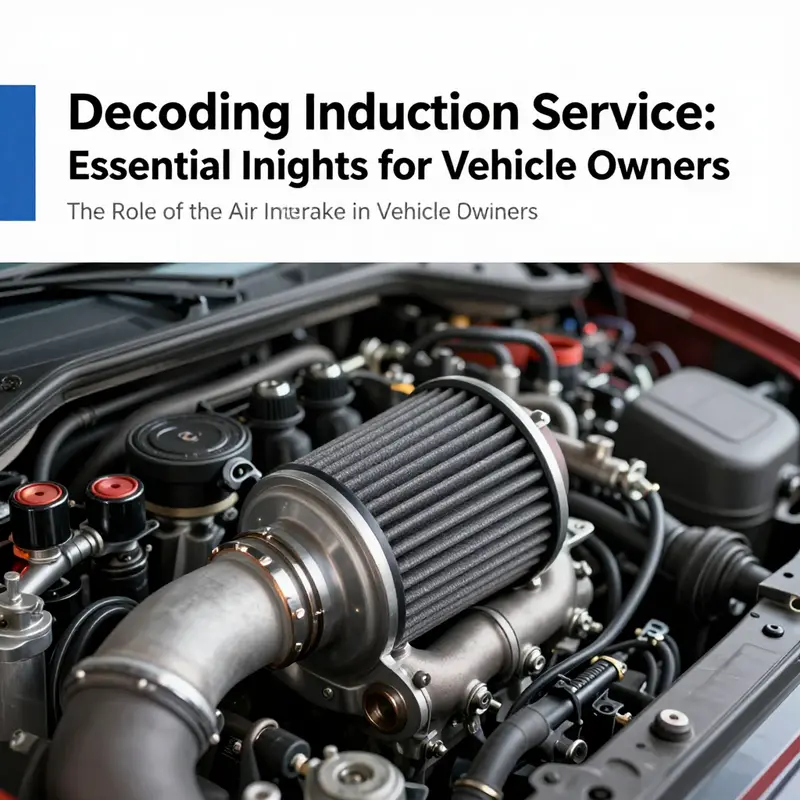
The air intake is the engine’s doorway for oxygen, and its condition shapes power, efficiency, and reliability. There is no formal service called an ‘induction service’ in most manuals; instead, maintenance focuses on keeping the air path clean and the sensors accurate. The main step is regular air filter replacement, chosen by environment and driving style. A clogged filter reduces airflow and can cause the ECU to compensate, affecting performance. Other components include intake tubes, throttle body, mass airflow sensor, and the intake manifold; these parts must be kept clean to prevent turbulence and irregular fuel delivery. A larger-diameter intake or high-flow filter can boost peak air flow, but gains depend on tuning and ECU calibration. If the ECU is not prepared for extra air, you may lose efficiency or experience drivability quirks. In practice, refer to the owner’s manual for interval guidance and watch for signs like sluggish throttle, unusual intake noise, or higher fuel consumption. Upkeep of the filter is the most tangible action; inspections of the throttle body and sensor cleanliness may be prudent on higher-mileage vehicles or when symptoms appear. Upgrades marketed as ‘cold air’ kits can offer theoretical gains but must be evaluated against heat soak, emission controls, and warranty considerations. Ultimately, the goal is dependable breathing for the engine, not chasing horsepower through a single modification. This approach aligns with broader NVH considerations and the need for calibration when airflow changes occur. For those seeking deeper context, SAE papers provide technical grounding on intake design, filtration, and acoustic management, linking practical maintenance with performance science.
From Service Alerts to Real Induction: Demystifying Vehicle Maintenance and the Myth of an Induction Service
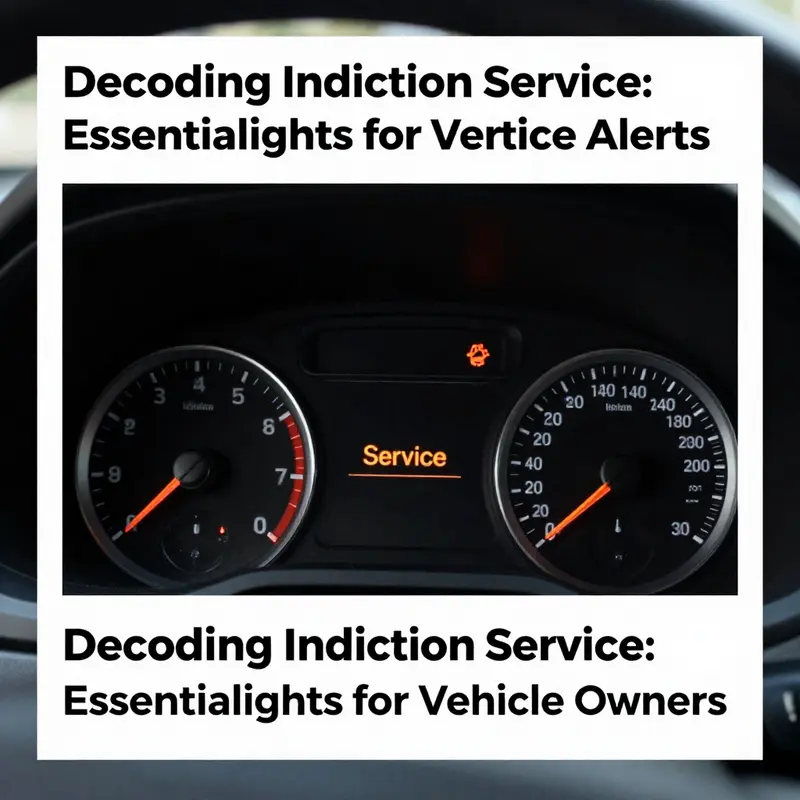
A driver sits in a quiet morning commute and notices a brief flash or a steady glow on the dashboard that simply says Service. The instinctive question that follows is a common one: is there a procedure called induction service for this vehicle? The short answer is no in the sense most people expect from a named maintenance item. Induction, in automotive terms, belongs to the realm of air intake and engine breathing, not a formal, stand‑alone service with a universal label. What the dashboard is really trying to communicate is a scheduling prompt: your vehicle has reached a maintenance window that deserves attention. The longer answer requires unraveling two threads that often get tangled: what the service light actually means, and what the induction concept could refer to in practice. When these threads are teased apart, a coherent picture emerges about how modern vehicles are kept reliable, safe, and efficient, and why the term induction service tends to mislead more often than it helps.
To understand the confusion, it helps to start with the language of maintenance. In most cars, the Service light is a proactive nudge rather than a diagnosis of a specific fault. It signals that your vehicle has reached a prescribed maintenance interval or that the car’s monitoring systems have detected wear or fluid depletion that warrants inspection. This could be as routine as an oil change, a filter swap, or a tire and brake check, or as routine as a software recalibration when the manufacturer updates its recommended procedures. The exact triggers vary by make and model, so the owner’s manual is the most reliable guide for what your particular light or reminder means. The critical point is that the service alert is a prompt for a planned check rather than evidence of a sudden, mysterious fault. Ignoring it can turn a minor, affordable service into a larger, riskier repair later, especially if fluid levels are allowed to run low or filter elements become clogged.
Where the ambiguity tends to creep in is the word induction itself. In engineering parlance, induction most often refers to the system that feeds air into the engine: the air intake path that includes the air filter, the intake manifold, and the sensors that gauge air flow and mixture. If a technician mentions the induction path, they are usually talking about the air intake components and perhaps an action such as replacing the air filter or cleaning the intake system to restore optimal airflow. Some shops may describe this as an induction service, but in standard automotive parlance there is no formal maintenance item by that exact name. The practical reality is that a cleaner air intake helps the engine breathe easier, improves fuel efficiency, and reduces the risk of misfires or longer-term deposits in the combustion chamber. A service that touches the intake path, if necessary, is more precisely described as air-filter replacement or intake-system service, and often arises when a sensor indicates lean or rich air readings or when a filter has become visibly dirty. The risk with vague terminology is that a customer might expect a single, well-defined service called induction service, when in truth the maintenance is a collection of related tasks tailored to the car’s needs.
The practical implications of this distinction unfold most clearly when you consider how maintenance is planned and executed. The life of a vehicle unfolds along a reliability curve that the field often describes with the bathtub analogy: a high initial failure rate as components settle in, a long stretch of low, predictable failure risk during routine use, and a final increase as parts wear toward the end of their useful life. The strategy of scheduled maintenance is to spend as much time as possible in that low‑risk middle period. This means timely oil changes, filter changes, fluid top‑ups, brake and tire inspections, and a careful review of belts, hoses, and cooling systems. The goal is to prevent failures before they happen while avoiding unnecessary work that doesn’t align with actual wear. The maintenance program is not a rigid script but a living plan shaped by how the vehicle is driven, the climate it operates in, and the quality of its original components.
Integrated into this plan are service alerts. Modern vehicles increasingly pair onboard diagnostics with connected services that track when the next maintenance is due and what tasks might be required. These alerts translate complex sensor data into actionable guidance for owners and technicians. In essence, they cohere maintenance into a central schedule, ensuring that critical checks and replacements occur in a controlled window rather than at the moment a seemingly unrelated fault crops up. This centralized, proactive approach echoes best practices in other fields where health monitoring and planned interventions reduce downtime and preserve safety. When a vehicle lights up a maintenance alert, the responsible course is to consult the owner’s manual for the precise meaning, review the current mileage and time since the last service, and arrange service with a qualified technician. If the alert reflects a straightforward service due, a routine inspection will usually suffice; if it signals a sensor fault or a system anomaly, the technician may need to perform diagnostic tests to identify and correct the root cause before continuing.
From a consumer standpoint, a practical way to translate this framework into everyday car care is to think of maintenance as a shared responsibility between the vehicle’s design and the owner’s stewardship. Regular oil changes are a cornerstone of engine longevity because oil loses its lubricating properties over time and with mileage. The interval between oil changes is a blend of time and distance, climate, driving style, and the vehicle’s own sensor data about oil life. The decision about when to change the oil is not arbitrary; it rests on manufacturer recommendations, which are often delivered through the vehicle’s service light or message center and reinforced by the service history that a dealership or independent shop keeps. You can explore the nuances of time versus mileage when optimizing oil-change intervals in the related discussion linked here: optimal oil change intervals—time vs. mileage.
The intake side of the engine deserves a moment of focused attention as well, because it sits at the interface between fuel and air, two critical inputs for combustion. A clogged or leaky air path undermines performance, lowers fuel economy, and can raise emissions. An air-filter replacement is a simple, common maintenance item that has a direct impact on how much air the engine can draw in. If a technician suspects that the intake path or the mass airflow sensor readings are drifting, they may recommend a targeted inspection or a cleaning procedure. Throttle body cleanliness can also influence idle stability and throttle response, especially in engines that accumulate deposits over time. Yet even here, the term induction service is not a universal designation; the service remains rooted in the practical actions of cleaning or replacing components involved in the air pathway, paired with sensor checks. The key idea to carry away is that intake maintenance exists to preserve airflow and sensor accuracy, not to fulfill a nebulous, undisclosed service category.
This is where the conversation with a technician should be precise and transparent. If a quote or a recommendation mentions induction service, ask for a breakdown: which components will be inspected, what conditions trigger replacement or cleaning, and what measurements will be reviewed to justify the service. A reputable shop will present the plan in clear terms and provide a before‑and‑after readout of readings where applicable. It is entirely reasonable to request evidence of dirty air filters or degraded sensor signals, or to ask for a test drive where the changes in engine response can be observed following the maintenance. The aim is to ensure that the work reflects genuine need rather than the vagaries of marketing language around a term that does not appear in standard maintenance schedules.
In daily practice, the distinction matters because it affects how you budget, plan, and track maintenance. A disciplined approach to scheduled maintenance, supported by reliable service alerts, creates a predictable pattern: you know when to expect service, you know what will be checked, and you understand the potential impact on performance and safety. This approach does not eliminate the need for judgment; it heightens it. For instance, in a high‑usage scenario—an older vehicle carrying heavy loads in extreme heat or cold—the maintenance interval may need to be shortened to preserve reliability. Conversely, a lightly used vehicle in mild conditions may often stay within longer intervals. The philosophy is not to chase every possible fix but to maintain a dependable baseline that keeps the car performing as intended while safeguarding safety and resale value.
Finally, the broader takeaway is to view maintenance as a lifecycle discipline rather than a one‑time event. The terminology may sometimes mislead, and a dashboard indicator may seem to point to something exotic like an induction service. Yet beneath the surface lies a straightforward objective: keep the vehicle breathing clean air, moving smoothly, and stopping safely. By embracing scheduled maintenance and interpreting service alerts with care, drivers can minimize unexpected downtime and maximize reliability. The goal is to stay ahead of wear, not chase it after the fact. And while induction as a standalone service label may not exist in the official maintenance lexicon, attention to the intake system and the overall air path remains a meaningful part of keeping an engine healthy and efficient over many miles.
External resource: https://learn.microsoft.com/en-us/azure/service-health/
What Is Induction Service, Really? Decoding Dashboard Warnings and the Hidden Costs of Neglect
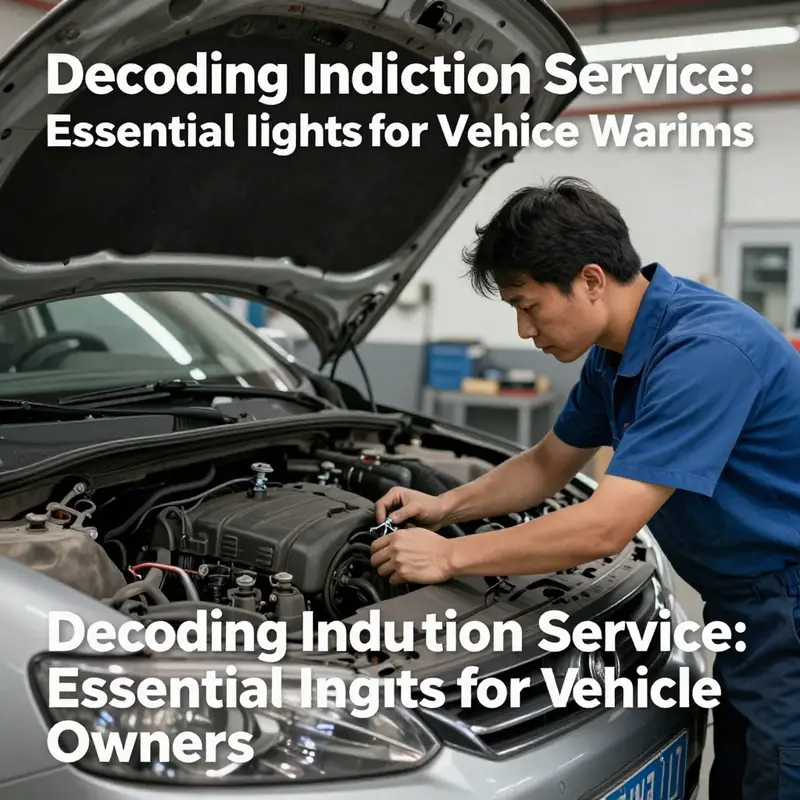
When people first hear the phrase induction service, they often imagine a specialized ritual performed by garages to awaken an engine with some mysterious process. In reality, there is no widely recognized maintenance procedure formally titled induction service. The term tends to travel through conversation as a misnomer or a misunderstanding tied to how cars communicate with their drivers. What does exist, reliably, is a network of warnings and maintenance reminders that guide you toward keeping the vehicle healthy. If you treat those warnings as optional or ignore them, the consequences can unfold with unsettling speed. To understand why, it helps to trace the line from a dashboard indicator to the long, often invisible costs that accumulate when discipline gives way to delay.
The first thing to acknowledge is that a dashboard warning is not a suggestion. It is a signal emitted by sensors, control units, and software that monitor critical systems in real time. A check engine light may illuminate because of a loose gas cap, a misfiring cylinder, a faulty oxygen sensor, or a hundred other issues. A low oil pressure indicator differs in its implications from the check engine light, yet both demand attention. The brake system warning is even more urgent, because brakes are a primary safety feature. The common thread is not the exact fault but the precautionary intent: the car is telling you that something important is not operating within its designed parameters, and continuing to drive without addressing it invites risk.
If you insist on painting a mental map of what a service warning does, imagine a series of alarm bells that your car uses to prevent a cascade of failures. The purpose is proactive care, not a fixed schedule of chores performed in a vacuum. The maintenance reminder light is calibrated to a vehicle’s history and its current condition. It speaks to the practical reality that wear, heat, vibration, and fluid degradation are ongoing processes. Skipping the call to service is not clever handyman improvisation; it is a gamble with the reliability of the engine, the longevity of the brakes, and the integrity of the cooling and lubrication systems.
One of the most common places where confusion arises is around the notion of induction. In everyday car talk, induction often gets tied to the intake or induction system—the air filter, intake manifold, and sensors that measure air entering the engine. People might imagine there is a single, named “induction service” to clean or service this system. In truth, there is no standard service by that exact label. A routine upkeep related to the induction system usually involves replacing the air filter, inspecting the intake path for restrictions, and sometimes cleaning the throttle body or mass airflow sensor if commanded by service intervals. None of this is invariably labeled as induction service in manuals or on service checklists. The car’s own maintenance schedule will specify when to replace filters or perform air-path cleanings, and those tasks are components of broader service intervals rather than a standalone rite.
This distinction matters because mislabeling can lull a driver into thinking a warning light is about a nonessential, cosmetic fix. The reality is that neglecting the broader maintenance plan—oil changes, filter replacements, fluid level checks, brake inspections—can gradually increase the likelihood that issues within the induction path become symptomatic, such as reduced performance or idle fluctuations. The air intake system is one of several pathways by which the engine breathes. When air quality is poor due to a dirty filter or a clogged duct, the engine has to work harder, fuel economy can suffer, and emissions can rise. A service aimed at this area is not glamorized as a dramatic procedure, but it contributes directly to the engine’s efficiency and longevity. In other words, paying attention to the induction-related maintenance when the car asks you to do so keeps the engine breathing cleanly and predictably, which in turn supports smoother acceleration and better fuel economy over time.
Stepping back to the broader picture, the warning lights you see are not random. They are data points stitched together by the vehicle’s onboard computer and diagnostic systems. They reflect not just a single symptom but a pattern that can reveal the health of several subsystems in concert. For example, a low oil pressure warning might be the harbinger of a failing pump, a blocked oil passage, or simply insufficient oil level due to a leak or an overlooked change interval. If you ignore it, the engine can operate with inadequate lubrication, leading to excessive wear, overheating, and in a worst-case scenario, seizure. A seizure is not merely a mechanical failure; it is a sudden immobilization that can put you and others at risk on the road. Similarly, a brake warning is not a nudge toward a later appointment. It is a call to action because the margin for safe operation narrows quickly when braking performance degrades. Driving when braking performance is uncertain is an invitation to a high-stakes emergency, especially in heavy traffic or adverse weather.
The link between warnings and maintenance has a practical cadence. Many modern vehicles are engineered to remind owners at either mileage milestones or specified time intervals. The reminder is not arbitrary; it aligns with a vehicle’s typical wear patterns and the service life of essential components. Oil, for instance, performs the dual role of lubricating engine components and carrying away heat. Over time, its viscosity can degrade, contaminants accumulate, and its protective qualities diminish. If you respond by postponing an oil change because the light isn’t flashing urgently, you risk a gradual decline that undermines engine efficiency and can shorten engine life. A well-timed oil change keeps metal surfaces separated by fresh, clean film, reducing friction and heat. This simple act, performed consistently, pays dividends in reliability and resale value.
To connect the dots between the language of warnings and the practical steps you should take, consider a recommended approach to maintenance as a form of dialogue with your vehicle. The owner’s manual is the dictionary, the service intervals are the grammar, and every warning light is a sentence that invites you to read the entire paragraph before choosing to proceed. When you see the service reminder, it is reasonable to plan a visit to a qualified technician or an authorized service center. Skipping a scheduled check often seems convenient in the moment, but the accumulated neglect increases the odds of unexpected repairs, longer downtime, and higher costs later. The math of maintenance is straightforward: a small, timely service is far less costly than a major repair that could have been prevented by timely attention.
A practical aspect of this conversation is timing. The question of when to service often boils down to a balance between time and mileage. Some drivers are faithful to a mileage-based threshold, others to a calendar-based interval, and many vehicles use a combination of both. This is where the best guidance often lies with the vehicle manufacturer, and where a good mechanic can tailor a plan to your actual usage. If you drive in harsh conditions—dusty air, frequent short trips, heavy loads, or extreme temperatures—the intervals may shorten. Conversely, for steady highway cruising with moderate climate and well-maintained components, the intervals can edge toward the longer end of the spectrum. Knowing this helps prevent both over-servicing (which is wasteful) and under-servicing (which is risky).
In the spirit of practical action, a well-structured maintenance routine includes more than just following a light. It encompasses a holistic assessment: checking fluid levels and tire condition, inspecting brakes, testing lights and sensors, and validating the air intake pathway. The air-filter replacement, while sometimes overlooked, is a quiet guardian of performance. A clogged air filter can rob the engine of air, hamper combustion efficiency, and degrade power and economy. The task is simple, often quick, and worth doing on schedule. While it is tempting to think of it as a small chore, it is part of the broader effort to keep the vehicle operating as intended. The induction-related elements—filters and intake cleanliness—are small components of a larger system, but when kept clean, they help the whole machine breathe easier and work more efficiently.
This is also a moment to address the emotional and financial stakes behind neglecting service warnings. The risk is not merely a breakdown; it is a potential decline in safety, reliability, and even the car’s warranty terms. Manufacturers commonly require that maintenance be performed according to their recommended schedule. If a failure occurs due to neglected maintenance, a warranty claim can be denied, leading to a much larger bill for repair. And beyond individual finances, there is a broader social cost. A poorly maintained vehicle is more likely to emit higher levels of pollutants and less likely to meet safety standards. A car that operates on the edge of its tolerances is not just a personal risk; it can affect other road users and the surrounding environment.
To help translate this into a usable plan, consider the following mindset as you navigate service warnings. Treat each alert as a legitimate invitation to inspect and refresh the components related to that system. If the warning is about oil pressure, schedule a check quickly; if it concerns brakes, proceed with heightened urgency. For warnings tied to the induction or air intake, consider a focused inspection of the air filter and intake path. The goal is not to chase a myth of a single magic service but to sustain the engine’s breathing, lubrication, and cooling in a balanced, proactive regimen.
In weaving together the threads of this chapter, the reader should come away with a clarified understanding of why there is no formal procedure named induction service, but why attention to the related warnings and maintenance is essential. It is a reminder that a vehicle communicates with you every time you turn the key or press the accelerator. A well-timed service light is not a nuisance; it is a signal of care, a signal that preservation and safety depend on timely action. The consequences of ignoring these signals are not abstract; they play out in the real world as reduced performance, higher repair costs, and, in the worst cases, dangerous situations on the road.
For readers who want to translate this understanding into concrete steps, a practical starting point is to explore resources that discuss maintenance intervals in relation to time and mileage. A focused examination of oil-change intervals, for instance, provides a clear framework for how to think about service timing in your own vehicle. You can read more about how to balance time versus mileage in this context at the linked guide: optimal oil-change intervals (time vs. mileage). Beyond oil and air filters, remember that your vehicle’s health hinges on a network of habits: consistent checks, timely replacements, and honest attention to what the car is trying to tell you when the warning lights illuminate. When in doubt, err on the side of professional assessment rather than assuming a trivial fix—your future self will thank you for the safer ride and the longer life of your vehicle.
In summarizing the essence of this discussion, it’s clear that there is no canonical induction service per se. The service warning system, along with the vehicle’s maintenance schedules, is the architecture that keeps your engine and its supporting systems in harmonious function. Understanding why these warnings appear, what they imply, and how to respond can transform maintenance from a chore into a values-driven practice of care. The price of neglect is paid in performance dips, higher costs, and, most importantly, risk on the road. In the end, it is not about a single service but about a disciplined relationship with your vehicle—an ongoing commitment to listening, interpreting, and acting on the signals your car provides. External resources from safety authorities reinforce this message: heed warnings, maintain the vehicle, and drive with confidence. https://www.nhtsa.gov/vehicle-safety-and-maintenance
Demystifying Induction: How Regular Inspections Preserve Vehicle Efficiency

When drivers first encounter a warning light or a term that sounds unfamiliar, it’s easy to imagine a special, one-off service that promises some magical boost to performance. The phrase induction service, in the context of vehicles, is not part of standard automotive maintenance. It’s a misnomer born of confusion between the engine’s air intake journey and the routine services that keep a car running smoothly. What does matter, and what this chapter unpacks in a cohesive, practical way, is the role of regular inspections in maintaining efficiency, safety, and long-term reliability. The goal is not to chase a mythical service, but to understand how a disciplined maintenance routine—rooted in manufacturer guidelines and professional checks—keeps the engine breathing clean, the drivetrain free of drag, and the fuel economy steady over the life of the vehicle. In other words, regular inspections are the quiet workhorses behind efficiency, and they operate far more reliably than any supposed “induction” procedure could promise.
To frame the discussion clearly, it helps to separate the term induction in common parlance from the engine’s air intake system. The word induction often evokes a sense of drawing air into the engine, which is a natural description of the air flowing through the intake manifold, past the air filter, and toward the combustion chambers. This is a fundamental physics problem: air must enter the engine with as little resistance as possible and with clean, properly conditioned air. When air filters become clogged or air passages accumulate debris, the engine’s breathing is compromised. The consequence is not a dramatic service name but a subtle, steady decline in performance and efficiency. A service that actually matters for this aspect is usually labeled differently—air filter replacement, intake cleaning, or inspection of the intake tract—yet you will not find a standardized procedure called “induction service.” The practical takeaway is simple: think of the intake as the engine’s lungs, and regular inspections as the process that keeps those lungs clean and unimpeded.
The broader picture of maintenance extends far beyond the intake. Regular inspections are a composite of checks designed to catch small issues before they multiply into expensive repairs or unsafe situations. A car travels through a wide range of conditions, and almost every subsystem has a wear profile that benefits from periodic scrutiny. Engine oil and other fluids degrade with time and use; tires lose pressure and tread; belts and hoses crack or slip; brake components wear; lights and wipers must function; and the cooling system, transmission, and fuel system operate best when their internal environments are stable. These checks, aggregated over time, form a maintenance rhythm that keeps the vehicle operating in its optimal range. It is in this rhythm that efficiency thrives. When tires are underinflated, rolling resistance increases, which saps fuel efficiency and makes acceleration feel sluggish. When fluids are low or degraded, friction rises, temperatures climb, and fuel is burned less efficiently. When belts slip or hoses leak, auxiliary systems overwork to compensate, pulling energy away from propulsion and climate control alike. Each small deficiency, if left unaddressed, compounds into a broader decline in performance and economy. The literature from industry experts consistently emphasizes that vehicles undergoing routine inspections sustain fewer unexpected breakdowns and operate with greater reliability. The net impact is not just comfort and safety; it is a tangible reduction in wasted fuel and avoided emissions, a benefit that extends beyond the individual driver to communities and environments at large.
A core element of these inspections is adherence to a scheduled maintenance routine aligned with the vehicle’s guidelines, which are typically based on mileage, time since last service, or a combination of both. This is where the distinction between a misnamed term and a genuine, useful practice becomes important. The “service light” or maintenance reminder on a dashboard is not a mysterious beacon signaling an exotic procedure; it is a pragmatic prompt indicating that the car has reached a point where a professional check is advisable. The purpose is to review critical systems and replace or refresh items that wear with use. In practical terms, this means verifying engine oil and coolant levels, brake fluid condition, transmission fluid health, and the state of transmission and cooling systems; inspecting lights, wipers, and visibility aids; measuring tire tread depth and inflation; and examining belts, hoses, and the charging system. These activities, while they may be performed by a technician, are not skipped if the dashboard lacks a specific label. They are the backbone of vehicle efficiency because they address the routine wear and tear that erodes performance and fuel economy over time.
It is easy to imagine a maintenance routine as a rigid checklist, but the real value lies in its predictability and the way it translates into consistent, efficient operation. When a driver follows the manufacturer’s recommended service intervals, the vehicle’s systems operate within their designed tolerances. Engine heat is managed by the cooling system; the lubrication is kept at the right viscosity and level; the combustion process benefits from clean intake air and appropriate fuel delivery; and the powertrain maintains a steady balance between output and efficiency. In such a regime, fuel economy remains close to its engineered baseline, emissions stay within regulatory expectations, and the likelihood of inconvenient, energy-wasting breakdowns decreases. The environmental benefits of this discipline are not incidental. A well-tuned engine burns fuel more completely, emits fewer pollutants, and uses resources more efficiently. Many jurisdictions incorporate periodic inspections as part of regulatory regimes, which further reinforces the idea that maintenance is both a practical habit and a civic responsibility, not merely an optional convenience.
A practical, everyday way to engage with this idea is to view maintenance as a conversation with the car: you listen for unusual noises, check for warning lights, and respond with timely actions. The conversation begins when the oil-life monitor or service reminder appears, but it should not be restricted to that moment. Regular inspections prompt the driver to consider the state of tires, belts, hoses, lights, and windshield wipers, and to assess fluid conditions and levels. These checks are not merely about avoiding failure; they are about preserving the efficiency that keeps the car affordable to operate over years and miles. The modern vehicle, with its onboard diagnostics and sensor networks, can provide a lot of information about these conditions, yet it does not replace the value of a human eye and a trained hand. A cautious approach is to treat the service reminder as a spark that signals a deeper evaluation rather than a cue to perform only one quick task. In many cases, a professional inspection will reveal issues that a casual glance would miss: a developing coolant leak under the engine, a serpentine belt that has begun to fray, or a tire that wears unevenly due to misalignment or suspension wear. Each of these discoveries, if addressed promptly, helps sustain efficiency and safety and prevents small problems from cascading into costly repairs.
The environmental dimension of regular inspections deserves particular emphasis in conversations about efficiency. A vehicle that runs with good compression, clean air intake, and proper combustion converts fuel into motive energy more effectively. It also clears exhaust more cleanly, reducing tailpipe emissions. This is not just a metric for eco-conscious driving; it is a direct reflection of mechanical health. When routine inspection catches a misalignment, a clogged air filter, or a lukewarm engine cooling system, the engine can maintain performance with lower resistance, which translates into better miles per gallon and fewer emissions per mile. The link between maintenance and environmental stewardship is strong, and it is reinforced by policy in many regions that require periodic inspections to uphold safety and air quality standards. In this sense, staying on top of inspections is both a practical habit for owners and a contribution to broader sustainability goals.
For drivers who want a grounded, actionable approach, the conversation around maintenance can be anchored in a few clear practices. First, follow the manufacturer’s service schedule, recognizing that the exact intervals depend on vehicle design, usage patterns, and operating environments. Second, treat the service light as a legitimate nudge to book a check with a qualified technician, rather than a signal that a single task will cure everything. Third, understand that many maintenance tasks serve the same overarching purpose: to keep the engine’s breathing steady, its lubricants clean, and its mechanical links secure. In other words, routine inspections are not about chasing a mysterious “induction” service; they are about preserving the engine’s ability to take in air efficiently, burn fuel cleanly, and transfer power to the wheels with minimal waste. A small investment of time and resources—regular inspections, timely fluid replacements, proper tire maintenance, and belt or hose condition monitoring—yields outsized returns in reliability, safety, and fuel economy.
There is also a practical dimension to how drivers interact with information sources about maintenance. The best guidance emphasizes consistency and clarity: stay on schedule, use high-quality fluids and parts as recommended by the manufacturer, and seek professional assessments when warning indicators arise. For readers looking to dive deeper into the practical question of oil-change timing and how to balance time versus mileage, consider the discussion presented in the guide on Optimal oil change intervals: time vs mileage. This resource frames how drivers can tailor maintenance to their own patterns of use while staying aligned with engineering requirements. It serves as a reminder that maintenance is not a one-size-fits-all enterprise; it is a tailored practice that honors both machine and journey. Optimal oil change intervals: time vs mileage
In sum, the term induction service does not correspond to a standard, defined maintenance practice. The most reliable path to sustained efficiency is a disciplined regimen of regular inspections, guided by the vehicle’s own design language and the insights of qualified technicians. Treat the service reminder as a prompt for a broader check, not a single quick fix. When you approach maintenance as an ongoing, system-wide health check, you protect your vehicle’s efficiency, extend its lifespan, and reduce the likelihood of unpleasant surprises on the road. The air that powers combustion—its cleanliness, its unrestricted flow, and its consistent supply—depends not on a singular, nebulous service but on the cumulative effect of thoughtful, timely inspections and timely interventions. And that, more than any myth about “induction,” is what keeps modern driving both economical and responsible. For broader, authoritative guidance on maintenance practices, see the U.S. Department of Energy’s Vehicle Maintenance Tips: https://www.energy.gov/eere/vehicles/articles/vehicle-maintenance-tips
Final thoughts
Understanding induction service and related vehicle maintenance practices is crucial for maximizing your car’s performance and longevity. By actively engaging with your vehicle’s needs through regular inspections and timely responses to service alerts, you can prevent costly repairs and ensure a smoother, more efficient driving experience. It is essential for car owners, used buyers and sellers, and fleet operators alike to stay informed and proactive about their vehicle maintenance. Proper care not only extends the life of your vehicle but also enhances your overall driving satisfaction and safety.