Motor vehicle service notifications serve essential purposes, informing local private car owners, used car buyers and sellers, and small business fleet operators about critical vehicle services. However, with the rise of scams exploiting these notifications, vigilance is paramount. This article delves into the nuances of motor vehicle service notifications, elucidating their potential for deception, how to identify warning signs of scams, the legal implications of falling prey to fraud, and strategies to safeguard yourself from these schemes. Each chapter builds upon the previous one, offering a comprehensive overview to ensure you stay informed and protected.
Guarding the Digital Alarm: Navigating Motor Vehicle Service Notifications and the Scam Risk
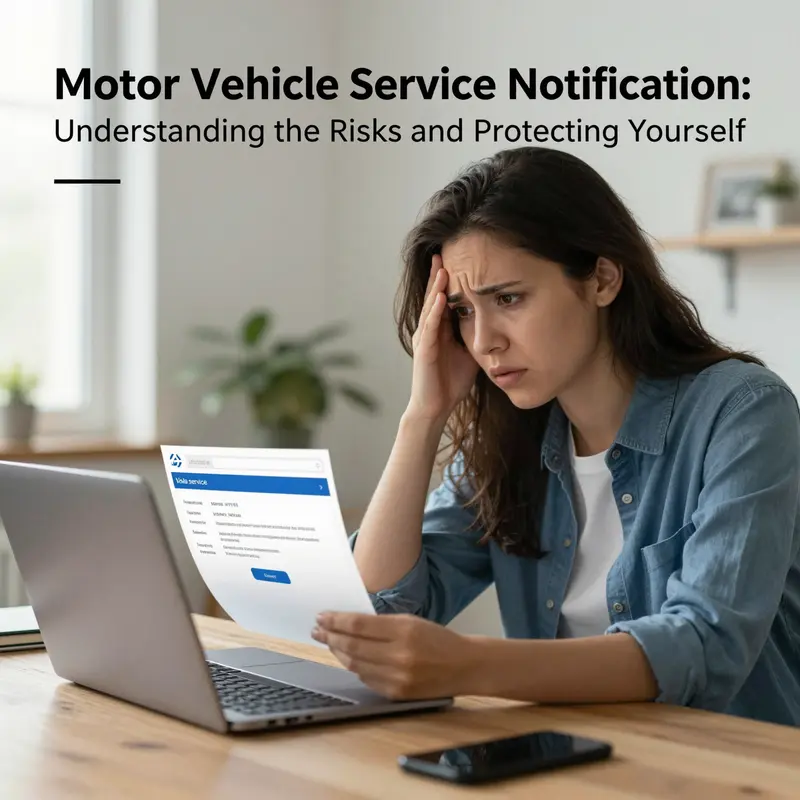
Motor vehicle service notifications are a hallmark of the connected car era. They translate streams of sensor data and software diagnostics into human guidance. When a threshold is reached—oil quality drops, brake wear increases, tire tread runs low—the vehicle’s system can prompt a driver to take action. This proactive approach helps prevent small issues from becoming costly repairs. It can improve fuel efficiency, extend the life of key components, and reduce emissions by keeping the car operating within optimal parameters. In short, legitimate service notifications serve as a digital guardian, guiding owners toward timely maintenance and safer driving. When they work as intended, these alerts support responsible car ownership, complementing the expertise of technicians and the oversight of authorized dealers. They also reflect the broader shift to data-driven maintenance, where a machine’s health is monitored continuously rather than waiting for a breakdown to reveal the problem. The value of such systems is clear: fewer surprises on the road, fewer unexpected visits to the mechanic, and a smoother, more predictable ownership experience. This is why many drivers welcome these prompts as a normal part of car care, not as a nuisance to be dismissed. However, this welcome is tempered by a growing recognition that the same channels enabling helpful guidance can be repurposed for harm. The same digital pathways that notify you about tire pressure or required service can be hijacked by criminals who seek to steal money or information. The dual nature of motor vehicle service notifications—protective when legitimate, potentially threatening when exploited—defines the chapter that follows. It is essential to understand how scammers operate so that everyday drivers can distinguish genuine alerts from clever forgeries. The cautionary patterns observed in recent warnings from transport authorities underscore that the form of a notification matters as much as its content. A well-integrated notification system can be a force for good, but when it is mimicked by fraudsters, it becomes a trap that preys on trust. In this sense, the discussion moves beyond a single incident or a single message. It invites readers to adopt a disciplined approach to digital alerts, one that respects the legitimacy of official channels while remaining skeptical of anything that arrives from unknown sources with urgent demands. The central question—whether motor vehicle service notifications are scams—cannot be answered with a blanket yes or no. The answer hinges on what is being communicated, who is communicating it, and how the communication arrives. A notification may be perfectly legitimate, or it may be a sophisticated attempt to manipulate a driver into revealing information or paying for a service that does not exist. The boundary between authentic alerts and fraudulent imitations is real, and it is learned through practice, verification, and attention to detail. A useful frame is to treat any service notification as a potential cue rather than a directive. This mindset shifts the interaction from impulsive reaction to deliberate verification, allowing drivers to protect themselves without discarding the practical benefits of modern maintenance alerts. The practical implication is straightforward: trust but verify, especially when the message concerns payment, personal data, or changes to an automobile policy. The chapter that follows does not suggest abandoning service notifications. It argues for smarter engagement with these tools. It also aligns with the broader responsibility that comes with owning a modern vehicle—that technology should simplify safe driving, not create new vulnerabilities. To stay grounded in real-world practice, it helps to anchor the discussion in the kinds of warnings that have actually drawn scrutiny in recent years. A notable case involved criminals who used internet advertisements to pose as insurance agents and sell counterfeit third-party liability policies. According to a transport department warning issued in 2025, scammers crafted believable documents and leveraged online platforms to reach a broad audience, exploiting the trust people place in recognizable brands. The fraud typically hinged on the perception of legitimacy: a driver receives a notification or an offer that looks official, complete with policy details and a payment prompt. In such cases, the danger lies less in the notification’s mechanism and more in the deceit built into the content itself. This is precisely why verification is non-negotiable. The legitimate system exists to protect drivers, but only when users treat all offers with scrutiny and cross-check them through official channels. The recommended practice is clear: if you encounter a notification that involves payment or personal information, do not act on it in isolation. Instead, pause and verify through the official app, the dealer network, or the insurer’s official website or hotline. This approach may feel conservative, but it is compatible with the speed and convenience promised by modern notifications. It preserves the benefits of prompt maintenance while injecting a necessary safeguard against fraud. In this context, the value of a steady information diet becomes apparent. A steady diet includes reliable sources that explain how to interpret disclosures from your vehicle’s systems, how to recognize authentic branding, and how to confirm whether a given alert aligns with your maintenance schedule. It also means adopting routines that make verification second nature, such as bookmarking official contact points and keeping the owner’s manual handy. When media and corporate communications emphasize direct, verifiable channels, drivers gain a sense of control that reduces the impulse to act on every alert. The practical consequence for drivers is that legitimate alerts remain useful without becoming sources of risk. It also means that car manufacturers, regulators, and insurers share responsibility for safeguarding channels. Clear labeling, consistent branding, and predictable ways to verify alerts all contribute to reducing confusion and increasing trust. Yet the responsibility does not rest on manufacturers alone. Consumers must cultivate a healthy skepticism without surrendering the efficiency that modern technology provides. The tension between efficiency and security is not a trade-off; it is a balance to be managed. To help readers navigate this balance, a few core habits stand out. First, check the sender’s identity through the official app or verified contact points rather than relying on the notification’s own links or numbers. Second, cross-reference any policy or service offer with existing records—your current policy, your vehicle’s service history, and your dealership notes. Third, resist hurried decisions. Scammers depend on urgency to short-circuit rational decision-making, but the right questions, asked calmly, can reveal inconsistencies. Fourth, protect your digital environment as you would your physical environment. Keep software up to date, secure your accounts with strong passwords, and enable two-factor authentication wherever the vehicle ecosystem supports it. Fifth, maintain a library of trusted resources so that you can quickly confirm legitimate alerts without reinventing the wheel each time. A practical example helps illustrate these points. Suppose you receive a notification stating that your vehicle requires an immediate service for a supposed third-party policy update and that payment must be made within minutes. A cautious response would involve checking the manufacturer’s official notification channel for any policy updates, confirming with your insurer through verified contact points, and reviewing your current policy status. If there is any doubt, you should reach out to your dealer or insurer by a method you know to be legitimate and established. It may also be wise to pause the process and consult a trusted source about whether such a policy update exists and whether the notification was indeed issued by the expected channel. This approach preserves the benefits of legitimate alerts while reducing exposure to fraud. The discussion also invites readers to consider how such scams operate in different jurisdictions. The Hong Kong Transport Department’s alert, for instance, highlights that criminals exploited the trust placed in well-known insurers by presenting counterfeit documents in conjunction with online ads. The lesson across regions is consistent: the more convincing the presentation, the greater the risk that a driver will inadvertently surrender money or data. The antidote aligns with best practices in consumer protection: verify via official channels, report suspicious activity, and educate oneself about the telltale signs of fraud. In the end, the question is not whether motor vehicle service notifications are inherently scams, but whether a driver can navigate the landscape with confidence. The legitimate system remains an essential asset, offering structure to routine maintenance and a practical framework for safe driving. The scams, equally real, demand vigilance and a disciplined approach to verification. With the right mindset and the right habits, drivers can benefit from legitimate alerts without becoming easy targets for fraudsters. For readers seeking ongoing guidance that connects practical maintenance with responsible cyber habits, the KMZ Vehicle Center blog provides a steady stream of insights into vehicle care, digital security, and the evolving relationship between drivers and their cars. KMZ Vehicle Center blog. Integrating those perspectives with official guidance helps readers stay both informed and protected as they navigate the promises and perils of connected car technology. For a formal overview of how consumer protection agencies frame vehicle service scams, consult the federal guidance available here: https://www.consumer.ftc.gov/articles/0246-vehicle-service-scams.
Reading the Fine Print: Distinguishing Real Motor Vehicle Service Notifications from Scam Attempts
Receiving a notice that your vehicle requires service, or that your policy status has changed, can feel routine. A message may land in your inbox or as a text, and you might think it comes from a trusted source like a government department or a known insurer. The reality, however, is more complex. The landscape of motor vehicle service communications has evolved, and while legitimate alerts exist, bad actors increasingly try to imitate official channels to gain your trust and your money. The concern is not that every notification is a fraud, but that a substantial portion of messages circulating today blend familiar cues with deceptive tactics. In this environment, the most effective defense is a careful, deliberate reading of the message and a disciplined set of verification steps. A warning issued by the Transport Department in a recent public notice makes this point unmistakably. The notice stresses that criminals sometimes run internet advertisements and pose as insurance agents, attempting to sell counterfeit third-party motor vehicle policies. They may pretend to represent well-known insurers, using familiar names to lure unsuspecting owners. The legal risk attached to driving without a valid third-party policy is real, and it is precisely this combination of urgency and credibility that scammers seek to exploit. The chapter that follows is not a dismissal of all motor vehicle service notifications as dubious; it is a call to approach every such communication with a clear set of checks and a calm, methodical mindset. If you can cultivate that habit, you will reduce the odds that a legitimate-looking message becomes a costly mistake. And if you want to explore practical examples and further discussions about vehicle maintenance and service records, you can read more on our own platform at KMZVehicleCenter Blog. The goal here is to equip readers with a framework for distinguishing legitimate notices from fraudulent attempts, without turning every alert into a potential conspiracy theory. The stakes are tangible: in many jurisdictions, the law requires you to carry a valid third-party insurance policy when the vehicle is on public roads. The consequences of non-compliance can be severe, including fines, potential jail time, and license suspension, depending on local statutes. With that frame in mind, we can walk through the telltale signs that such messages are more likely to be scams than legitimate communications, and we can map out a sequence of prudent steps that minimize risk while preserving an efficient check on everyday vehicle administration. The signs and practices described here do not rely on any single cue but on an accumulating pattern of red flags that, when read together, point toward caution rather than credulity. Importantly, the guidance emphasizes not just what to look for, but how to act when doubt arises. Instead of rushing to respond or make a payment, the responsible course is to verify through official channels and keep all correspondence intact for potential review. This approach aligns with the broader aim of responsible vehicle ownership: maintain up-to-date protections, document every transaction, and avoid sharing sensitive personal information unless you have confirmed the legitimacy of the request. In applying these principles, readers can strengthen their defenses against scams while continuing to manage routine vehicle matters with confidence. The practical steps are straightforward, but they require discipline: treat any demand for immediate payment or sensitive data with skepticism; verify the notification in a deliberate, separate process; rely on official applications or websites rather than links embedded in text messages; and report suspicious activity promptly to authorities. The recommended verification channels are those that have established credibility and security protocols. For example, legitimate traffic-related inquiries typically do not rely on hyperlinks, but rather direct you to an official portal or app where you can securely review your status, violations, or policy details. It is crucial to remember that real notifications will provide clear, verifiable references—such as your vehicle identifier, date and location of the incident (if applicable), and precise policy information—without demanding restricted access to your financial accounts or personal credentials. If you receive a message that asks you to click a link, enter your card number, or reveal a one-time password, you should treat it as suspicious. Scammers frequently use these ploys to harvest data or persuade you to authorize payments you did not intend to make. A hallmark of fraud is the urge they create: a so-called urgent deadline to “resolve” the matter immediately. In the real world, credible agencies acknowledge that citizens may need time to confirm facts, and they do not rely on high-pressure language to compel action. Language quality itself can be revealing. Official communications are usually precise and formal, whereas scam texts often exhibit inconsistent grammar, odd slang, or generic phrasing that lacks the specificity you would expect from a legitimate notice. If a message omits essential details like exact dates, times, or the specific nature of the issue, that omission should raise questions. At the same time, fraudsters may attempt to sidestep suspicion by including personal touches—your name, or a partial license plate number, or other details that give the impression of familiarity. This tactic is designed to build trust by exploiting data that may have been scraped from public records or breached from other sources. If you see such personalization, you should still pause and verify rather than assume authenticity. Verification should be conducted on your own terms, through verified channels rather than by replying to the sender. You can log into the official Traffic Management app or the government department’s website to check your vehicle’s status or any recorded notices. In this context, it is helpful to remember the practical tools that legitimate notifications commonly support. A standard approach is to direct the recipient to a secure, official platform rather than to a third-party webpage or a chat service. If you do not have the official app installed, take the time to download it from recognized app stores and set up any necessary security measures, such as two-factor authentication, before interacting with any notification. The steps to verify are not complicated, but they require intentionality. Do not respond to the message or engage with the content until you have opened the official portal independently and cross-checked the details. If you discover that a message is fraudulent, report it through proper channels. Many systems offer a centralized reporting pathway through a national anti-fraud center or a government helpline. For readers in the referenced context, you can forward suspicious texts to the national anti-fraud center at 96110, or use the National Anti-Fraud Center App to scan and report suspicious messages. Enabling protective features on your devices, such as a security shield or a digital safety mode, can further reduce the risk of data theft stemming from phishing sites or compromised links. The goal of these steps is not only to stop a single scam but to cultivate a habit of prudent verification that protects you across all digital interactions involving personal data. The legal thread running through this topic is equally important. In jurisdictions with mandatory motor vehicle insurance, operating a vehicle without a valid policy carries meaningful penalties. The guidance provided in the relevant regulatory framework emphasizes that a driver must have coverage when the vehicle is on the road, and that enforcement can involve fines, imprisonment, and license consequences. While the precise penalties vary by jurisdiction, the underlying principle is universal: legitimate motorists comply with mandatory insurance requirements, and authorities make this compliance verifiable through official records. The risk increases when someone relies on a potentially false notification to delay or bypass this verification. The temptation to act quickly can be powerful, especially if a message targets an immediate funding need. Yet the correct response remains measured: confirm authenticity through official channels, preserve all receipt and reference numbers, and avoid sharing sensitive data in response to a text or email. As you build this habit, you also strengthen the broader protections around your vehicle and your financial well-being. In addition to the core practices described here, readers may want to consider incorporating routine checks into their vehicle maintenance workflow. For instance, maintaining a consistent schedule for insurance renewal, service reminders, and policy documentation can reduce the chance that a notification will slip through the cracks or become a source of stress. A well-maintained record not only helps you stay compliant but also makes it easier to detect inconsistencies if a message later arrives. For those who manage multiple vehicles or fleets, standardized processes become even more valuable, enabling consistent verification procedures and easier auditing of all notices. To support readers in these broader maintenance efforts, our blog offers practical guides on related topics such as basic truck and vehicle maintenance practices, maintenance scheduling, and the role of regular inspections in avoiding costlier surprises later. You can learn more at theKMZVehicleCenter blog by following the internal link above. The overarching message is straightforward: treat motor vehicle service notifications as potential signals rather than certainties. Their legitimacy rests on the source, the content, and their alignment with official procedures. If any element feels off, slow down and verify. The cost of a rash payment or the disclosure of sensitive information in response to a suspicious message is simply too high to risk. The same caution applies to the handling of a request for immediate action, which is a classic tactic used by scammers to short-circuit due diligence. A systematic approach—checking the sender’s credibility, reviewing the exact details, and using official channels for verification—offers robust protection without compromising legitimate transactions. To reinforce this practice, consider bookmarking official portals and saving contact numbers that you can trust, so you do not have to rely on memory in a moment of doubt. When in doubt, pause and confirm. This simple discipline is often the difference between a routine administrative task and a costly scam. For authoritative guidance on identifying and reporting vehicle-related scams, refer to the Beijing Financial Regulatory Bureau’s official guidance, which provides a clear framework for recognizing suspicious messages and taking appropriate action: https://www.bjfb.gov.cn/xxgk/tzgg/202603/t20260320_321884.html. By embracing these steps and staying oriented toward verified sources, readers can protect themselves from sophisticated vehicle service scams while continuing to manage lawful and efficient maintenance practices. The broader takeaway is that the existence of “motor vehicle service notifications” is not inherently a scam; the critical distinction lies in source trustworthiness, message content, and the presence of verifiable verification paths. The more you insist on security and official channels, the less likely you are to fall prey to manipulation. This approach not only safeguards your finances but also upholds the integrity of the essential regulatory framework that governs vehicle insurance and road use. Remember that real notifications are rarely chaotic, always direct you toward a legitimate portal, and never demand sensitive information in insecure ways. If something about a message feels off, that feeling is not just cautionary—it is a practical signal to pause, verify, and proceed only when you are certain of the source. In the broader arc of this article, the discussion here lays the groundwork for deeper explorations of how to maintain a reliable, compliant, and stress-free relationship with motor vehicle administration. The mechanics of responsible communication—verifying through official channels, using secured platforms, and reporting suspected fraud—are fundamental skills that protect individuals and households in an increasingly digital world. As one finishes reading and reflects on their own inbox or SMS messages, the practical takeaway is simple: if it does not stand up to scrutiny against official records and verified portals, treat it as untrustworthy. Look to trusted resources, stay patient, and use a deliberate, process-driven approach to every notification that touches your vehicle. Keeping this mindset will help preserve not only your financial security but also the smooth operation of your daily transportation needs. Guidance, regulation, and best practices are not abstract concepts here; they are actionable steps you can apply immediately, every time you encounter a motor vehicle service notification. For ongoing assurance and further reading, the internal link to our blog offers expanded coverage on related topics, while the external resource provides formal, authoritative guidance to anchor your understanding of scams in this space. And while the landscape of digital fraud continues to evolve, your best defense remains a disciplined, verify-first approach grounded in official channels and solid documentation.
When a Motor Vehicle Service Notice Feels Off: Reading the Fine Print to Protect Yourself From Scams
A notice about motor vehicle service can arrive in many forms, and its very name sounds reassuring enough to lull a wary reader into a false sense of security. But the more important truth is that a notice is neither a badge of legitimacy nor an automatic shield against risk. It is a communication, and its reliability depends on where it comes from, how it is written, and what it asks you to do next. In many jurisdictions, legitimate notices from recognized authorities or licensed service providers are standard and routine. Yet criminals have learned to mimic those signals with alarming precision, exploiting the moment of trust when a vehicle owner is both busy and anxious about compliance. The result is a pervasive question that sits at the heart of consumer protection in the age of digital communications: is this motor vehicle service notice legitimate, or is it a scam designed to extract money, data, or both? The answer is rarely binary. It requires careful attention to origin, language, and the sequence of actions demanded by the notice, as well as a readiness to verify outside the alert itself through official channels.
The danger is not merely financial. When a notice arrives that appears to be legitimate—complete with formal language, a professional tone, and a sense of urgency—it can prompt a cascade of rash decisions. People may click a link, enter personal information, or authorize a payment in a moment when they should be pausing to check. This pattern is precisely what scammers exploit: a situation where the recipient is led to believe they are already under regulatory or contractual obligation and must act immediately to avoid penalties or loss. The result can be twofold. The victim loses money or sensitive information, and the legitimate parties—insurers, government agencies, and service providers—bear reputational damage because ordinary notices are then tainted by suspicion. In such a climate, the only reliable defense is a disciplined process of verification that treats every notice as potentially counterfeit until proven otherwise.
Across borders, the mechanics of deception share recognizable traits. In some cases, fraudsters compose documents that resemble official forms and attach fake identifiers or barcodes. They may present themselves as adjusters, agents, or representatives of recognized insurers, leveraging credibility by naming multiple familiar brands. The material may appear to come from a government portal or an e-government system, complete with formatting cues that mimic legitimate communications. The message itself can arrive through widely used channels, including email, messaging apps, or social networks, further disguising its origin by leveraging the ubiquity of digital contact. The effect is to blur the line between a routine administrative notice and a covert solicitation, and to tempt the recipient to act before doubt can surface. In a parallel context, fraudulent notices have circulated via instant messaging apps, using professionally styled interfaces and plausible instructions that mimic legitimate updates about traffic incidents or insurance requirements. The common denominator is timing and tone: a prompt that creates a sense of consequence if ignored, nudging the reader toward haste rather than careful scrutiny.
Within these patterns, several telltale signs emerge for those who study the mechanics of scam communications. First, there is often an appeal to urgency. A notice may insist that a deadline is imminent, that a policy must be renewed immediately, or that failure to respond will result in penalties. The reader’s instinct to resolve the matter quickly can override cautious skepticism. Second, the notice frequently requests payment or the submission of sensitive information through a link or an attachment. Even when a payment is framed as a premium, a premium payment is not inherently legitimate simply because it is labeled as required by a policy. Third, there is a tendency to blur the sources. The message may claim to originate from an insurer, a government department, or a third‑party service provider, and it may present a collection of references that look official but do not map to any real, verifiable contact channel. Finally, the communications often exploit language that sounds formal, almost ceremonial, accompanied by logos or resource IDs that resemble real identifiers. Taken together, these elements create a convincingly legitimate impression that can derail the reader’s critical thinking in a moment of perceived necessity.
What cannot be overstated is the role of verification in countering this risk. The central practice is to treat any incoming motor vehicle service notice as potentially deceptive and to place a priority on confirming its authenticity through independent channels. The simplest and most reliable route is to contact the involved insurer or agency directly, but only through official channels that you independently verify. Do not rely on the contact details embedded within the suspicious notice itself. Instead, search for the official hotline or website via a trusted source—a corporate website you have previously bookmarked, a customer service directory you know is legitimate, or a national portal you trust. When a notice mentions a policy, a claim, or a required payment, pause long enough to confirm whether such a policy exists in your name, whether you have engaged a legitimate service, and whether the request aligns with your current obligations under the relevant regulation. In many places, this approach is not merely prudent but legally advisable, because the misrepresentation of policy documents or the impersonation of an insurer can carry criminal penalties and civil consequences.
The legal dimension of this problem reveals how authorities around the world respond when such deception enters the system. In a global perspective, fraudulent notices related to motor vehicle service or insurance intersect with several criminal offenses, including forgery of public documents, fraud, and the illegal use of electronic communications. The forgery charge captures the act of creating documents that imitate official forms, whereas fraud addresses the attempt to obtain money or other advantages through deception. The misuse of electronic communication systems reflects a modern dimension of crime in which perpetrators exploit digital networks to reach victims and to facilitate concealment of their true identity. When the deception involves presenting as a licensed professional—such as a lawyer or an inspector—it intersects with professional ethics and regulatory prohibitions that govern the conduct of those professions. The penalties in such cases can be severe, ranging from imprisonment and fines to disqualification from practicing certain roles, depending on the jurisdiction and the particular circumstances of the offense. These are not hypothetical outcomes; they reflect the real legal consequences contemplated by statutes and enforcement frameworks that seek to deter sophisticated fraud that exploits both regulatory processes and digital platforms.
The Turkish example, as documented in recent legal and policy analyses, illustrates how fraudsters target a public burden that is inherently tied to road safety and accountability. Fake accident reports, forged government forms, and impersonation of professionals have been observed as a coordinated strategy to manipulate victims into sharing information or paying for non-existent services. The convergence of a surge in traffic incidents with the availability of instant messaging and digital document delivery creates a fertile ground for deception. Yet the underlying logic remains consistent with broader criminological patterns: the combination of fear, urgency, and procedural mimicry yields a vulnerability that criminals are eager to exploit. Combating this requires both robust legal deterrents and practical safeguards that empower individuals to verify the legitimacy of notices before action. The coexistence of deterrence and education is essential because not everyone will have immediate access to expert advice, and the pressure of a deadline can overwhelm deliberation.
In terms of enforcement, the Turkish authorities—and indeed many jurisdictions—emphasize the importance of cross‑border cooperation in the age of global digital communications. When a notice is orchestrated across borders or uses platforms that cross national boundaries, it is only through a combination of domestic statutes and international collaboration that victims can be protected and perpetrators identified. This approach aligns with the broader public‑order objective: to ensure that legitimate communications about vehicle responsibility, insurance coverage, and regulatory compliance remain secure and trustworthy. For readers seeking official guidance on how to respond to suspected fraud and to access up‑to‑date legal texts, a reliable starting point is the national legislation portal, which provides access to current laws related to fraud, electronic communications, and consumer protection. https://www.mevzuat.gov.tr. This resource is not a substitute for professional legal advice, but it offers a credible foundation for understanding the framework within which these offenses are assessed and prosecuted.
The practical implications for everyday readers are clear. A motor vehicle service notice should be treated as an opportunity to check, not a mandate to act. It is reasonable to question the source, especially if the notice is unexpected, if it pressures you to pay immediately, or if it asks for sensitive information or confirmation of your identity through a form that is not clearly linked to a recognized institution. The recommended course of action is straightforward: initiate verification steps through official channels, document every communication, and avoid any payment until you have confirmed the legitimacy of the request. If a notice appears to be suspicious, report it to the appropriate authorities and to your insurer using the contact information you know is legitimate. When in doubt, it is better to pause than to pay, to verify than to trust, and to involve your network of trusted professionals rather than shouldering the risk alone.
Within this framework of due diligence, it can be helpful to consider how information is presented to you and why certain cues are designed to be persuasive. Many notices adopt a formal register, replicate the look and feel of legitimate communications, and present an official tone that can be mistaken for reliability. This is not negligence on the part of the reader; it is a deliberate tactic designed to lower the cognitive effort needed to accept the notice at face value. The antidote is a deliberate habit: a quick cross‑check against official sources, a pause to reflect on whether you have any current obligations that would justify the request, and a readiness to consult with trusted professionals, whether a licensed insurer, a legal advisor, or a consumer protection service. In daily practice, adopting a routine of verification can significantly reduce the likelihood of falling prey to even the most convincing diabolically crafted notices.
For readers who want to explore practical perspectives from the broader vehicle‑care community, our KMZ Vehicle Center blog offers a range of guidance on responsible vehicle ownership and consumer safety. You can visit the blog for additional context and practical tips at KMZ Vehicle Center blog. While the focus there is on maintenance and safe operation, the same commitment to careful, informed decision making applies when dealing with notices that touch your financial and legal responsibilities. In this way, the discussion about scams and legitimate notices becomes part of a larger conversation about maintaining control over your vehicle‑related obligations without surrendering critical judgment to urgency or momentary pressure.
Ultimately, the question of whether a motor vehicle service notice is a scam does not rest on a single factor but on a constellation of signals that require prudent verification. The legitimate route involves clear, verifiable origins; a transparent request; and a process that allows you to confirm with the originating institution through official contacts. The fraudulent route relies on urgency, opacity, and imitates authority. The safest path is to slow down, to cross‑check, and to document. By embedding verification into your routine, you reduce not only your own risk but also the likelihood that a broader ecosystem of legitimate service providers will be tarnished by misused notices. It is a shared responsibility among individuals, insurers, government bodies, and consumer protection agencies to maintain a communications landscape where notices about vehicle service advance safety and accountability rather than exploitation and fear.
For those seeking official legislative context and precise definitions of the offenses discussed, the Turkish regulations portal remains a crucial resource, providing detailed texts and updates that illuminate how these offenses are interpreted and prosecuted in practice. https://www.mevzuat.gov.tr.
When Service Notices Ring Alarm Bells: Distinguishing Legitimate Vehicle Communications From Scams
A notice arrived in the inbox or flashed across the dash of your car’s connected dashboard, promising to streamline your vehicle’s coverage or protect you from penalties. It might look official, with logos that resemble familiar insurers or service partners. It might even reference an urgent deadline. In that moment, the line between legitimate service communications and a calculated scam can blur. The question, ready to surface for many drivers, is simple and urgent: is motor vehicle service notification a scam? The honest answer is nuanced. A legitimate reminder about maintenance windows, renewal deadlines, or required insurance can come in good faith from a trusted partner. Yet a growing number of criminals weaponize such notifications to harvest money, data, or access to systems. They exploit the reasonable expectation that any official notice tied to the vehicle should be trustworthy. They gamble on the moment of trust when a driver is pressed for time, when the notification arrives via a channel that seems to bear authority, or when the message carries a sense of urgency that pushes a quick, unconsidered action. To understand how to navigate this landscape, it helps to look at how these notices are often constructed and where the line between legitimate and illegitimate begins to blur.
The structural deceit often begins with a veneer of legitimacy. Scammers imitate the familiar forms of official communications: a banner that mimics an insurance brand, a tone that echoes an agent’s professional voice, or a reference to a policy number that resembles a legitimate document. They may send messages through email, text, or even voice calls that appear to originate from a car maker’s service line, a dealership, or an insurance partner. In some cases, these messages exploit the broader trust people place in digital channels—where the boundary between a real corporate notification and a fraudulent one is not always clear at glance. The harm extends beyond the immediate payment or information request. If a forged document is accepted, it can open the door to identity theft, unauthorized access to connected vehicle features, or the creation of fake policies that leave drivers exposed to fines and legal risk.
The stakes were underscored in a public advisory from a well-known transport authority in 2025. The warning did not declare that all motor vehicle service notifications are scams; rather, it emphasized that criminals have systematically exploited the format to impersonate insurance agents and push counterfeit third-party risk policies. The forged documents often claim to originate from multiple established insurers and list policy terms that are plausible enough to pass a cursory glance. The tactic is familiar: a web-based advertisement or direct message promises convenience, speed, or savings, then steers the recipient toward a payment or the sharing of sensitive data. This pattern is not unique to one region or one insurer; it reflects a broader social engineering approach that preys on the speed of online life and the authority people assign to official-sounding communications.
Two core features appear repeatedly in these scams. First, there is a forged sense of immediacy. The message insists that a payment or action must be completed within minutes or hours to avoid penalties, cancellation, or loss of coverage. Second, there is a request for sensitive actions or information. This can involve clicking a link to “verify” details, downloading a document that hides malware, or providing personal identifiers, payment credentials, or policy numbers. That combination—urgent timing and the request for information or funds—has proven to be a reliable lure for scammers. The danger is not only financial. When a notification asks for access to a device or prompts the user to install a certificate or app, it can create pathways for broader compromise, including impersonation, data exfiltration, or remote manipulation of connected vehicle features.
Yet it would be misleading to frame every motor vehicle service notification as a threat. Legitimate notices exist, and drivers should not reject every communication out of hand. The vital distinction rests on the source, the content, and the channel. A message that clearly originates from a recognized, verifiable channel, that directly references your actual vehicle, your real insurer, and a policy number you can verify through official means, can be legitimate. When the notification comes, for example, from a known insurer via their verified contact method and directs you to an official portal you can locate on the insurer’s site, the odds lean toward authenticity. Moreover, legitimate channels typically invite verification rather than immediate payment. They encourage you to call back on a published number, check a policy portal, or contact your dealership using a number found on their official site rather than on the message itself.
From the perspective of an informed driver, the relative safety of a notice depends on how you respond. The most common mistake is to treat every alert as a real demand and act rapidly. A safer approach acknowledges that fraudsters trade on momentum and fear. If a notification arrives and it asks you to do any of the following—click a link, download a document, enter a password, transfer funds, or reveal a social security-like identifier—you should pause. The pause itself is a protective act. It buys you time to verify the message through official channels. Start by identifying the sender. Look closely at the message address, the sender’s profile, and the branding embedded in the communication. Is there a genuine, verifiable contact path? If the message uses a generic email address or a phone number not listed on the insurer’s official site, treat it with suspicion. If the channel seems off—an unsolicited message arriving outside normal business hours, or from a contact that has never communicated with you before—escalate to verification.
Verification is a simple but powerful tool. The first step is to verify the source directly. Do not rely on a reply to the message. Instead, go to the insurer’s official website or contact their official call center numbers, which you obtain from the insurer’s published materials or from a trusted dealership communications page. If you cannot recall the official numbers from memory, perform a fresh lookup through a reputable, independently verified source. Don’t rely on the numbers contained within the suspicious notice itself. In some cases, the notice may claim to be from a well-known insurer, but the domain, email, or phone number is subtly altered: a single missing letter, a different country code, or an unusual punctuation mark can be a telltale sign of a spoof.
An important, practical safeguard is to avoid unsolicited links entirely. Clicking through can install malware, direct you to a counterfeit portal designed to harvest credentials, or download files that compromise your device. If the message urges you to visit a website, type the official URL yourself into your browser rather than following a link. This small discipline—typing the address you know to be legitimate—reduces exposure to phishing routes. If you’re uncertain, reach out to your dealership or the insurer using a phone number or email address you independently verify. In many cases, legitimate organizations encourage such double-checks precisely because they understand that digital channels can be exploited.
Another dimension to consider is the legal framework that governs vehicle insurance in your jurisdiction. Today, in many places, it is illegal to operate a vehicle without a valid third-party insurance policy. The consequences can be severe, including substantial fines, potential imprisonment, and a suspension or revocation of your driving license. For example, under the Motor Vehicle Insurance (Third-Party Risk) Ordinance, penalties may include a maximum fine, a period of imprisonment, and license suspension. The legal seriousness behind those penalties is a reminder that any notice claiming you need to secure or renew a policy should be treated with due caution. The law exists to protect road users and ensure that every vehicle on the road carries a minimum level of coverage. That context helps drivers understand why legitimate notices exist and why scammers exploit the same framework to create counterfeit policies that look plausible but offer little real protection.
The practical steps you can take after receiving any motor vehicle service notification, legitimate or otherwise, are straightforward but powerful. First, identify the source. If the notice is from a known, verifiable partner, you will still want to confirm its content through official channels. If it originates from an unknown or suspicious source, treat it with heightened caution. Second, do not provide payment or personal information through the message. In many scams, the most effective approach is to ask for money or data directly; the aim is to create a sense of urgency that bypasses rational scrutiny. Third, verify through the official portal or contact method that you know to be legitimate. If your insurer offers a secure online account or a customer service line, log in or call through the channels listed there rather than those supplied in the message.
As drivers navigate this landscape, it can be helpful to anchor the practice in a mental model: treat every service notification as a potential risk until proven otherwise, but not as an outright fraud by default. This balanced stance allows you to protect yourself without shutting out legitimate communications that help you maintain proper coverage and compliance with the law. You can approach the situation with calm curiosity and structured steps rather than with fear. In time, a routine emerges: when a notice lands, you pause; you confirm; you compare with known, official channels; and you proceed only when your verification confirms legitimacy. This routine protects not just your money but your personal data and even the integrity of your vehicle’s digital ecosystem.
To make this more concrete and actionable, consider how a driver might integrate these practices with everyday car ownership. If you routinely renew your policy or perform maintenance that touches your insurance, you may already be accustomed to logging into official portals to review coverage, download documents, or print proof of insurance. When a new notice appears, you can use this same habit. Open a new browser window or the insurer’s official app, and navigate to the policy management area from there. If a document appears in an email or text that asks you to download a file, resist the urge to open it. Instead, rely on the insurer’s secure portal to check whether there is any required action on your part. Some legitimate notices will prompt you to check a micro-site or portal to complete a secure transaction, but you should still access that portal via a verified link from the insurer’s official site, not from the suspicious message.
For readers who want to expand their knowledge beyond the immediate practice of recognizing scams, there is value in cross-cutting guidance about digital safety and scam patterns. While the focus here is motor vehicle notifications, the core principle—verify before you act—applies across domains. A broader resource that addresses risk awareness and scam patterns in the digital age can offer useful perspectives on how to recognize red flags, how to scrutinize sources, and how to protect your digital assets. See this external resource for further guidance on recognizing scams and protecting your information across contexts: https://doi.org/10.55277/researchhub.2e9r7cmd.
For readers seeking related vehicle-focused insights in a more anchored, practical context, the following internal resource may provide useful complementary perspectives on maintenance and ownership awareness: kmzvehiclecenter.com/blog/. This hub offers a range of articles that reinforce careful, engaged vehicle care, which is part of a broader mindset that supports prudent decision-making in the face of unexpected notices. By combining vigilant verification habits with solid maintenance practices, drivers can reduce risk and maintain confidence when the next service notification arrives.
In sum, the question of whether motor vehicle service notification is a scam cannot be answered with a blanket yes or no. Legitimate notices exist and can be informative, timely, and essential for staying compliant with insurance requirements and maintenance schedules. However, the landscape also includes sophisticated fraud attempts that mimic legitimate communications with the goal of extracting money or data. The best defense is a disciplined approach: verify the source, avoid unsolicited links, contact the issuer through official channels, and resist pressure to pay or disclose information immediately. The more you practice these steps, the more second nature they become, and the less likely you are to fall for a scam that borrows the language and look of legitimacy from the very communications you rely on to keep your vehicle and your finances secure.
Final thoughts
In conclusion, while motor vehicle service notifications play a vital role in maintaining vehicle safety and compliance, the risks associated with scams necessitate heightened awareness. By understanding the nature of these notifications and the tactics employed by scammers, as well as the legal ramifications of falling victim to such fraud, you position yourself to make informed decisions. Always verify notifications through official channels, and remain vigilant against unsolicited offers. Ultimately, your safety and investment are worth the extra care.