Introduction to Airport Fire Truck Models
Ensuring safety at airports is not just a regulatory requirement; it’s an essential component of operational efficiency and a critical investment for business owners. Airport fire truck models play a pivotal role in enhancing safety measures by providing quick response capabilities during emergencies. These specialized vehicles are designed to tackle unique challenges, including fires involving jet fuel and other hazardous materials. Their advanced firefighting technologies, powerful engines, and tailored features enable airport emergency teams to act swiftly, thereby minimizing potential damages and ensuring the safety of passengers and staff.
Among the leaders in the airport fire truck industry is CIMC Tianda, recognized for its commitment to innovation and quality. The company specializes in a range of vehicles, from airport fire trucks to state-of-the-art rescue equipment, reinforcing their position as a trustworthy partner for airports worldwide. CIMC Tianda’s products exemplify the integration of cutting-edge technology in firefighting vehicles, enhancing responsiveness and operational efficacy.
For business owners in the aviation sector, understanding the value of effective fire truck models is crucial. Not only do they contribute to meeting safety regulations, but they also play a significant role in preserving the integrity of airport operations. Choosing the right firefighting equipment can mean the difference between rapid incident resolution and prolonged disruption. As such, investing in quality airport fire trucks is not merely a matter of compliance but a strategic decision that impacts overall business performance and reputation. In a sector where safety and efficiency go hand in hand, making informed choices about firefighting capabilities is more important than ever.
The Importance of Airport Fire Trucks
Airport fire trucks play a critical role in enhancing safety and operational efficiency in airport settings. With the increase in traveler volume and aircraft operations, the need for robust emergency response mechanisms becomes essential. Here, we explore the functions, significance, and technological trends surrounding airport fire trucks.
Critical Role in Emergency Response
Airport fire trucks are specifically designed to handle unique challenges that arise in aviation-related emergencies. These vehicles are equipped with specialized firefighting equipment that enables them to respond quickly to fires on aircraft or in other aviation-related scenarios. For instance:
- Rapid Response: Airport fire trucks are engineered for quick acceleration and high maneuverability, allowing them to navigate through congested airport grounds swiftly. Vehicles like the Mercedes-Benz 6×6 11000L Airport Fire Tender boast powerful engines that facilitate rapid emergency deployments.
- Advanced Equipment: These trucks come with cutting-edge firefighting technology, including foam systems and water cannons that are essential for extinguishing aviation fuel fires swiftly. Understanding this critical role, manufacturers ensure that these trucks adhere to the highest safety standards, enhancing prompt and effective firefighting capabilities at airports.
Ensuring Safety Assurance
Safety assurance in airport operations cannot be overstated, as it directly impacts the well-being of passengers and crew. Airport fire trucks ensure that:
- Emergency Readiness: They are always on alert, ready to deploy at a moment’s notice, thus improving overall safety management at the airport.
- Regular Training & Drills: Fire brigades conduct regular training using these specialized trucks to enhance their firefighting skills and improve response times during real-life emergencies. Regular updates in training protocols reflect on the operational capabilities of airport fire trucks.
Impact on Operational Efficiency
The presence of well-equipped fire trucks significantly impacts airports’ operational efficiency. This is reflected in multiple aspects:
- Minimized Downtime: In the event of an incident, rapid firefighting efforts minimize aircraft downtime, allowing operations to resume quickly, thus reducing financial losses.
- Enhanced Passenger Confidence: Knowledge of robust emergency systems in place can boost passenger confidence, making air travel less daunting for many individuals.
Current Trends Influencing Design and Technology
In today’s world, airport fire truck design is influenced by trends that lean toward innovation and efficiency. Recent advancements include:
- Integration of Technology: Modern airport fire trucks incorporate advanced technologies like remote water supply systems and fire extinguishing drones, enhancing the operational scope of firefighting teams. Innovations are often showcased at events such as the Intersec Saudi Arabia exhibition, which highlights cutting-edge developments in airport fire safety.
- Focus on Compact Models: Companies like Zoomlion are emphasizing the development of compact yet powerful fire trucks that meet rigorous aviation safety standards, ensuring they remain effective while being operationally efficient in space-constrained areas of large airports (see Zoomlion’s innovative equipment).
Conclusion
In conclusion, airport fire trucks serve an invaluable role in maintaining the safety and efficiency of airport operations. Their specialized designs and cutting-edge technological advancements ensure that they meet the evolving demands of the aviation industry. As trends continue to shift toward greater efficiency and safety innovations, these vehicles will remain a key component in safeguarding the lives of passengers and the integrity of airport operations.
Comparison of Airport Fire Truck Models
When it comes to fire safety at airports, choosing the right fire truck model is crucial. Here is a comparison of three prominent airport fire trucks: the CIMC 6×6 Fire Truck, Rosenbauer Panther 6×6, and Oshkosh Striker 6×6. This table highlights their specifications, including water capacity, foam capacity, engine power, and unique features.
| Model | Water Capacity (liters) | Foam Capacity (liters) | Engine Power (hp) | Unique Features |
|---|---|---|---|---|
| CIMC 6×6 Fire Truck | 16,000 | N/A | 420 | Advanced firefighting capabilities, but specific features not detailed. |
| Rosenbauer Panther 6×6 | 14,000 | 2,000 | 750 | High maneuverability, quick acceleration (0-80 km/h in <28 sec) with a pump output of 9,000 l/min. |
| Oshkosh Striker 6×6 | 12,500 | 1,750 | 670 | TAK-4® Independent Suspension System for superior handling and stability. |
Insights
- The CIMC 6×6 Fire Truck offers a massive water capacity, making it suitable for large-scale emergencies. However, specific unique features were not found.
- The Rosenbauer Panther 6×6 stands out with its features like high speed and efficient pumping capacity, essential for rapid-response situations at airports.
- The Oshkosh Striker 6×6 is equipped with an advanced suspension system which enhances its performance and handling, crucial for airport operations.
For more about airport fire trucks, visit our comprehensive selection.
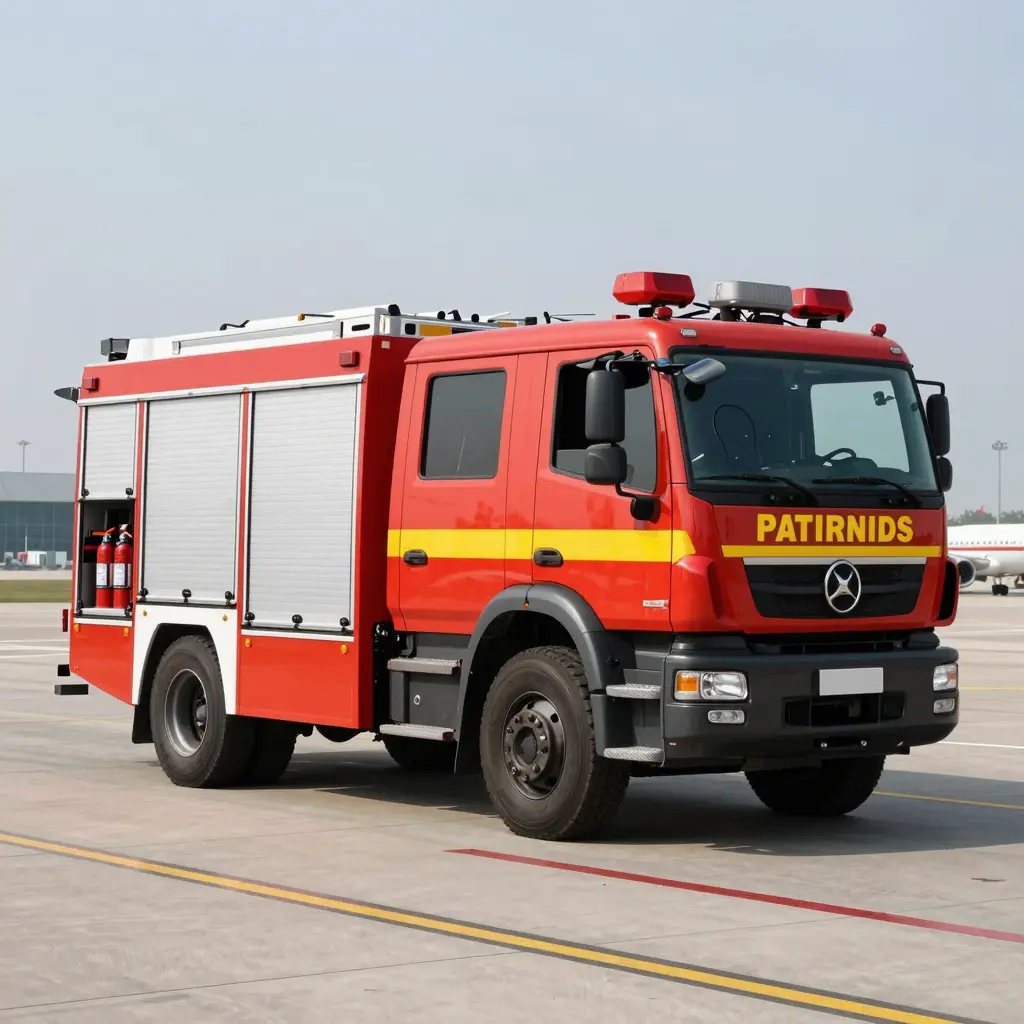
This image depicts a modern airport fire truck designed with essential features for ensuring fire safety at airports. Such fire trucks are equipped with advanced fire-extinguishing equipment and large water tanks, demonstrating their vital role in emergency response at airfields.
CIMC Tianda’s Airport Fire Truck Solutions
CIMC Tianda has solidified its position as a leading provider of state-of-the-art airport fire truck solutions aimed at improving the safety and efficiency of airport fire-fighting operations. With an emphasis on advanced technology and innovation, CIMC Tianda has engineered a range of products tailored specifically to meet the rigorous demands of airport environments.
Advanced Technology
CIMC Tianda’s airport fire trucks are at the forefront of technological advancements in fire protection. Key features include:
- Automation & Real-time Data: Many models feature automated firefighting systems and real-time data analytics, allowing firefighters to respond faster and more effectively during emergencies.
- Eco-Friendly Options: In response to growing environmental concerns, CIMC Tianda has introduced electric and hybrid fire trucks. These models significantly reduce emissions and lower operational costs, offering a sustainable alternative to traditional diesel engines. One report indicates that using electric models can lead to lifetime operating cost savings of 40-50% compared to diesel alternatives.
- Integrated Foam Systems: CIMC fire trucks are equipped with sophisticated foam systems specifically designed for aviation fuel fires. These systems can deliver high rates of foam application essential in extinguishing aircraft fires rapidly.
Key Products
CIMC Tianda offers a diverse portfolio of airport fire trucks, catering to various operational needs:
- Foam Fire Trucks: Featuring advanced foam application systems, these trucks are designed to tackle aircraft fires effectively.
- ARFF (Aircraft Rescue and Firefighting) Trucks: Specialized vehicles tailored for rapid response in airfield firefighting, equipped with cutting-edge features for speed and efficiency in emergencies.
- Heavy-duty Fire Trucks: Robust vehicles designed for large airports with heavy firefighting requirements, ensuring reliable performance under demanding conditions.
- Water Tanker Fire Trucks: Equipped to transport large quantities of water, these trucks are critical for maintaining a continuous supply during extended firefighting operations.
Catering to Specific Needs
CIMC Tianda’s design philosophy is strongly aligned with the operational realities of airports:
- Customization: The company recognizes that each airport has unique requirements, allowing for tailored modifications to their trucks according to the needs of its client, including size, hose configurations, and additional equipment.
- Training and Support: In addition to manufacturing top-of-the-line firefighting trucks, CIMC Tianda provides comprehensive training and support for airport firefighting teams, ensuring they are well-prepared to utilize the equipment effectively.
Industry Trends
Recent trends in the airport fire truck industry reveal a shift towards greater integration of technology. As noted in industry reports, the adoption rate of advanced firefighting systems is expected to grow by an estimated 6.3% CAGR over the coming years. Airports are increasingly prioritizing safety features and innovative solutions, positioning companies like CIMC Tianda to remain at the forefront of meeting these needs.
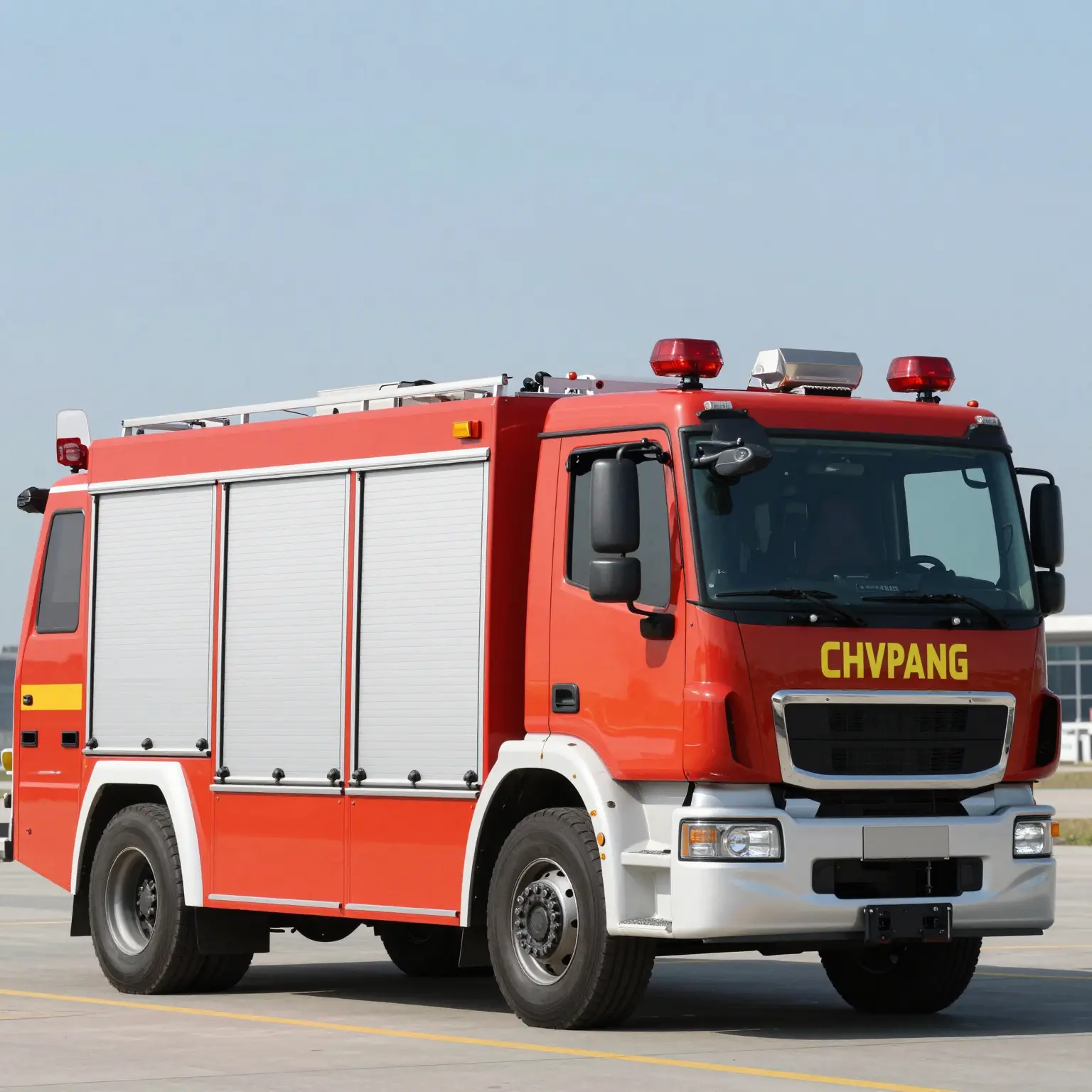
To visualize these trends, refer to the chart depicting fire truck technology adoption rates from 2020 to 2023, showing significant advancements in the industry.
Conclusion
In conclusion, CIMC Tianda’s commitment to advanced airport fire truck solutions underscores its role as a leader in the industry. With continuous innovation and a focus on meeting the specific needs of fire safety in airports, CIMC Tianda not only enhances safety but also elevates operational efficiency, paving the way for a safer aviation environment.
For further reading on fire-fighting equipment, check out CIMC’s airport fire trucks to explore the diverse range they offer!
When it comes to airport operations, safety is paramount. One critical component of airport safety is the effectiveness and standardization of airport fire trucks, particularly in their role as Aircraft Rescue and Fire Fighting (ARFF) vehicles. Business owners involved in aviation services must be aware of the regulations and standards that govern these essential vehicles. This article highlights key industry standards from prominent authorities such as the International Civil Aviation Organization (ICAO), the National Fire Protection Association (NFPA), and the Federal Aviation Administration (FAA).
ICAO Standards
The ICAO establishes global standards for airport firefighting capabilities that require member states to ensure their airports are equipped with adequate firefighting services. Here are some significant points:
-
Performance Metrics: ICAO outlines guidelines that specify the minimum performance for fire-fighting vehicles, including water capacity and foam dispersion capabilities to effectively combat aviation fires. Learn more about ICAO requirements.
-
Foam Testing: ICAO mandates that firefighting foams used in ARFF vehicles must pass Level B or Level C performance tests, ensuring they can adequately smother aviation fuel fires. Refer to DSA02-DFSR Aerodrome Rescue Firefighting Regulations for more details.
-
Time Response: There are strict timelines established for response times to aircraft emergencies, reinforcing the necessity for airports to be equipped with capable ARFF vehicles. Issues with compliance have raised concerns regarding passenger safety, as discussed in a CBC News article.
NFPA Standards
The NFPA provides vital standards specific to aircraft rescue and firefighting vehicles, primarily through NFPA 414:
-
Design and Construction: NFPA 414 specifies the design and construction of ARFF vehicles to ensure they can effectively respond to emergencies. This standard addresses vehicle size, water and foam capacity, and operational capabilities. You can find more on the NFPA 414 standard development here.
-
Performance Requirements: The standard requires ARFF vehicles to be capable of delivering foam at an appropriate rate to combat fires effectively. Purchasing standards for compliance with NFPA are available at NFPA 414 product page.
FAA Regulations
The FAA plays an essential role in establishing requirements for airports in the United States:
-
Comprehensive Guidelines: The FAA’s regulations (14 CFR Part 139) detail operational requirements for ARFF services at airports, emphasizing adherence to recognized safety standards and the need for regular training and equipment testing. Access the FAA regulations document here.
-
Emergency Exercises: The FAA mandates that airports conduct full-scale emergency exercises to ensure that firefighting personnel are prepared for real-life scenarios.
Conclusion
For business owners involved in airport operations, understanding the standards and regulations shaping airport fire trucks is vital for compliance and operational efficiency. Adherence to ICAO, NFPA, and FAA guidelines not only guarantees regulatory compliance but, more importantly, enhances safety for both personnel and passengers at airports. Ensure you remain updated with these standards to promote a safe and reliable aviation environment.
By taking these standards into account when selecting an appropriate fire truck for your operations, you can ensure not just compliance but also the highest safety levels. For a range of fire truck options that meet these standards, explore our airport fire trucks collection.
Market Growth for Airport Fire Safety Equipment
The airport fire safety equipment market is poised for significant growth over the coming years. With the increasing demand for enhanced safety measures at airports, investments in this sector are expected to rise considerably. The projected compound annual growth rate (CAGR) for the market is anticipated to be around 4.6% from 2025 to 2035. This growth is primarily driven by factors such as greater emphasis on airport safety and modernization of infrastructure.
To visualize this growth, the chart below illustrates the market value projections for airport fire safety equipment from 2021 to 2035:

| Year | Projected Market Value (in Billion $) |
|---|---|
| 2021 | 2.0 |
| 2022 | 2.1 |
| 2023 | 2.2 |
| 2024 | 2.3 |
| 2025 | 2.5 |
| 2026 | 2.6 |
| 2027 | 2.7 |
| 2028 | 2.9 |
| 2029 | 3.0 |
| 2030 | 3.2 |
| 2031 | 3.4 |
| 2032 | 3.6 |
| 2033 | 3.8 |
| 2034 | 4.0 |
| 2035 | 4.2 |
To learn more about specific products available for airport fire safety, consider exploring our Airport Fire Trucks or Aircraft Rescue Fire Fighting equipment categories as they play a crucial role in enhancing fire safety measures at airports.
Essential Features for Aerial Firefighting Capabilities in Airport Fire Trucks
When it comes to effective aerial firefighting, airport fire trucks must be equipped with a range of specialized features. These features ensure rapid response and efficient firefighting in emergency situations. Below is a detailed list of essential fire truck capabilities for aerial firefighting:
-
High Water Capacity: Aerial firefighting requires substantial water supplies. Quality airport fire trucks should hold between 3,000 to 6,000 gallons of water to handle most fire emergencies effectively.
-
Powerful Pump Systems: Fast pumping capability is crucial. Pumps should be capable of delivering water at high pressure, ensuring effective extinguishing even from a distance.
-
Foam Deployment Systems: Fire trucks should integrate foam systems that can handle different types of fuel fires, enhancing the firefighting process in case of aviation-related incidents.
-
Quick Acceleration: Time is critical. Fire trucks must support engines ranging from 500 to 1,000 horsepower for quick acceleration and response to incidents on the tarmac.
-
Versatile Water Nozzles: Adjustable and powerful nozzles allow firefighters to manage varying fire intensities and types efficiently.
-
High REACH Aerial Platforms: Many incidents occur at elevations. Aerial platforms can extend to 100 feet or more, enabling effective firefighting and rescue operations in high-rise situations.
-
Durable Chassis and Build: The truck’s structure must withstand extreme temperatures and heavy impact, ensuring reliability under stress conditions.
-
Advanced Navigation and Communication Systems: Equipped with state-of-the-art GPS and communication technologies, enabling better coordination during firefighting operations.
-
Automated Safety Features: Safety measures like anti-rollover systems and reinforced cabins ensure the safety of personnel during emergency operations.
-
Training Systems: Integrated training modules or simulations for crew preparedness can significantly enhance response efficiency during real emergencies.
For more specialized equipment and vehicles, consider checking out the range of airport fire trucks available at CIMC Fire Truck. Ensuring your airport fire department is equipped with modern technology can make all the difference in effective aerial firefighting.
The Importance of Advanced Fire Truck Technology in Airports
In the realm of firefighting technology, advancements play a crucial role in enhancing safety, effectiveness, and operational capabilities-especially in high-stakes environments like airports. Airport fire trucks are outfitted with cutting-edge technology to address the complex challenges of aviation emergencies.
“The reach of a ladder, the efficiency of foam systems, and the responsiveness of fire vehicles are fundamentally what save lives during emergencies. The advancements in our fire trucks are vital to ensuring rapid access and optimal resources are available when every second counts.” – Fire Safety Expert James Smith.
Features of Modern Airport Fire Trucks
Modern airport fire trucks are designed to tackle fires quickly and effectively, employing advanced tools and techniques:
- Foam Systems: These systems provide rapid fire suppression capabilities, essential for aircraft fires.
- Response Times: With improvements in design, modern trucks can respond in under 5 minutes, an essential factor in saving lives and minimizing property damage.
- Advanced Technology: Many modern fire trucks integrate GPS and connected systems to enhance navigation and coordination during emergencies.
- Vehicle Design: Aerodynamic designs facilitate better maneuverability on the runway.
For more insights into various fire truck models, consider visiting CIMC Fire Truck’s ARFF Aircraft Rescue Fire Fighting collection.
Comparison of Modern vs. Older Fire Trucks
To illustrate the advancements in fire truck technology, the following table provides a comparison between modern fire trucks and older models:
| Feature | Modern Fire Trucks | Older Models |
|---|---|---|
| Foam Systems | Utilizes balanced pressure systems for effective foam mixing | Used simpler foam proportioning methods |
| Response Times | Enhanced response times due to better design and technology | Slower response times, less efficient vehicle design |
| Vehicle Design | Lightweight and aerodynamically designed | Heavier, boxy designs |
| Technology | Equipped with advanced communication systems | Basic communication tools |
| Capacity | Larger water tanks and additional compartments for tools | Smaller water capacity, standard equipment storage |
Learn more about the importance of new technology in fire apparatus by exploring importance of fire apparatus new technology.
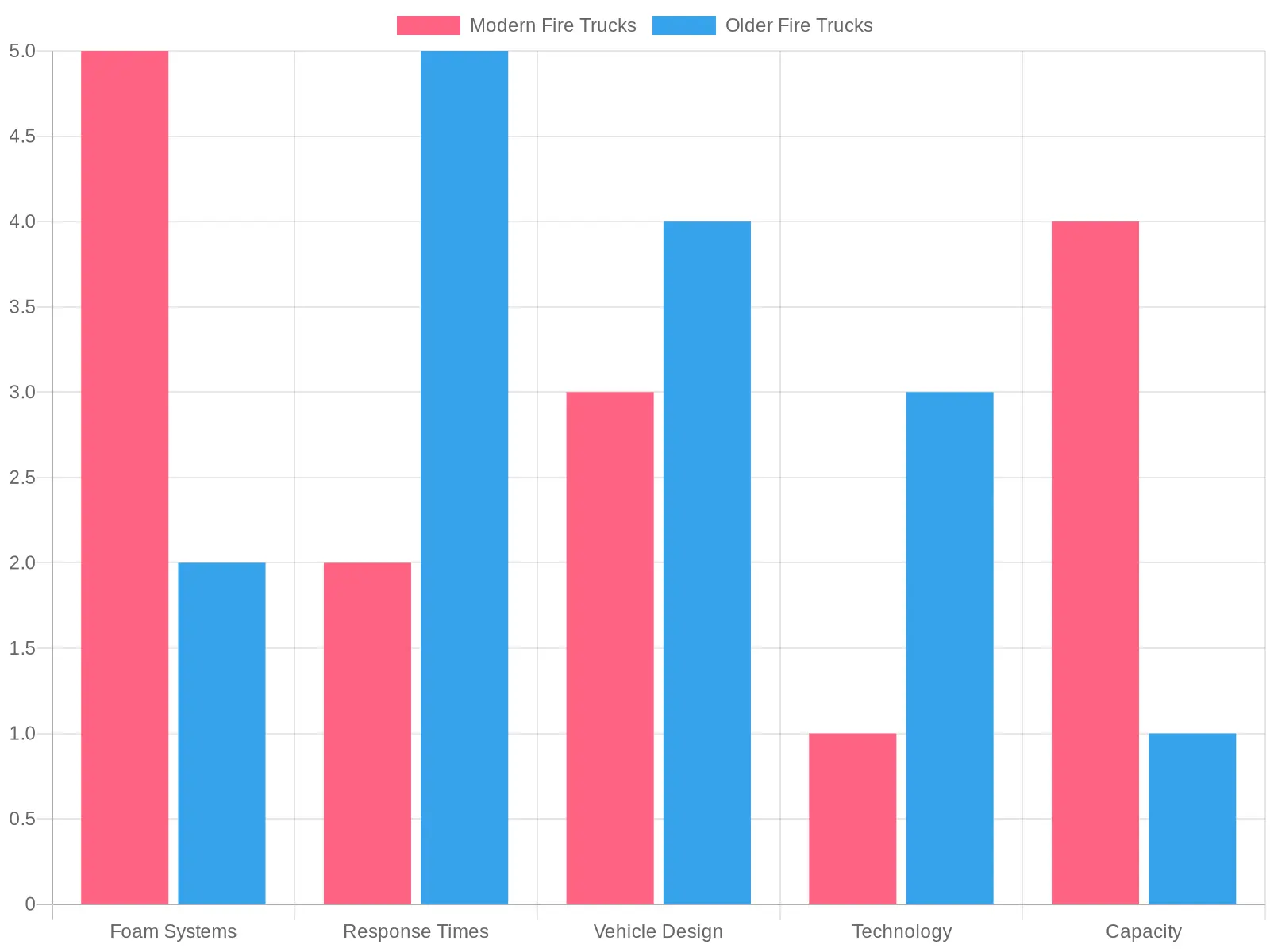
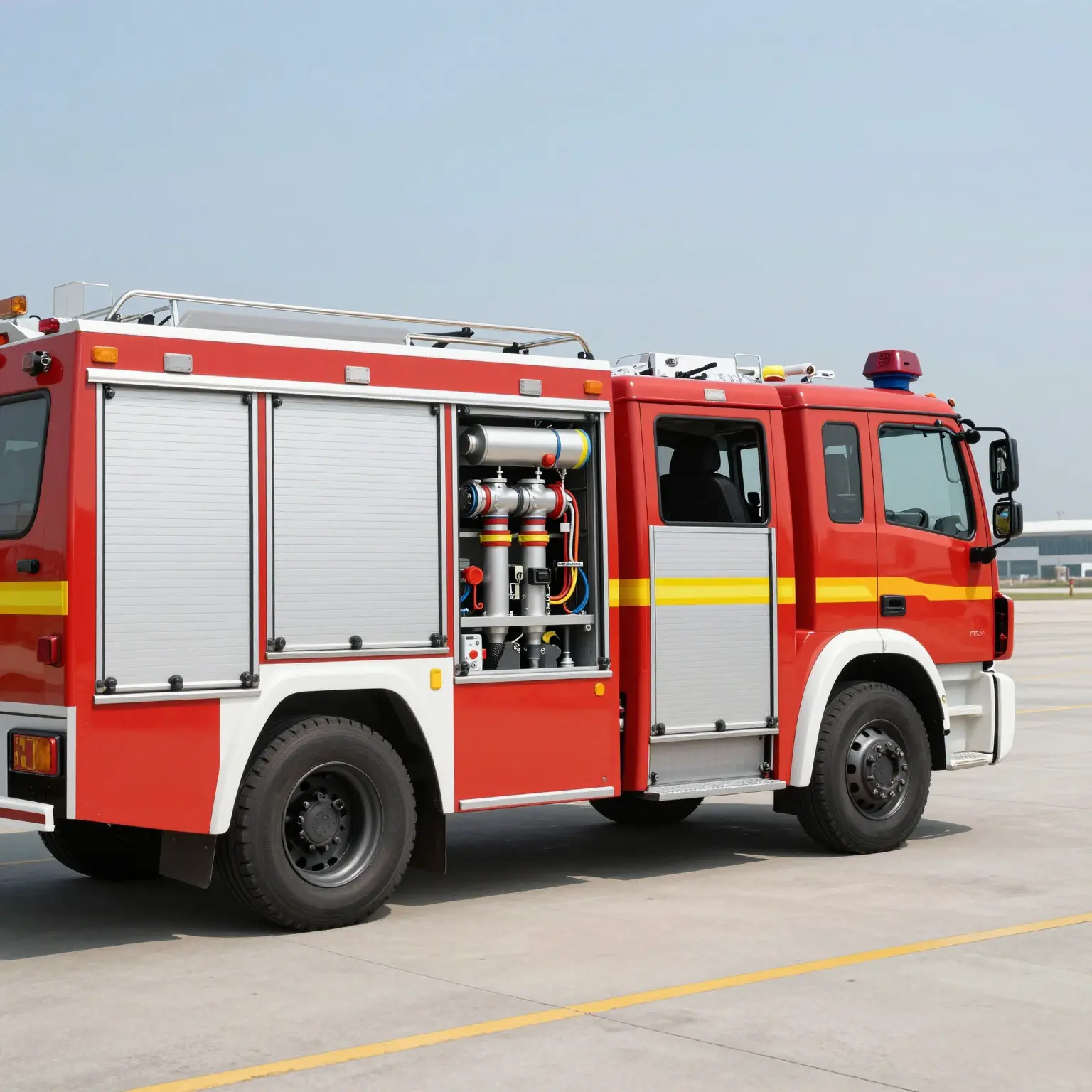
This chart visually represents the advancements in fire trucks over the years, reinforcing the need for continuous improvement in fire safety technology.
As we conclude our exploration of airport fire trucks, it’s clear that investing in advanced firefighting technology is not only vital for safety but also enhances operational efficiency. At CIMC Tianda, we offer a range of specialized vehicles designed specifically for demanding airport environments, ensuring you are always prepared to respond swiftly and effectively. Our airport fire truck solutions integrate cutting-edge technology that optimizes response times and improves overall performance during emergencies.
Don’t leave the safety of your operations to chance. Discover how our comprehensive solutions can transform your fire service operations. Whether you’re looking for ARFF vehicles or other tailored firefighting equipment, we invite you to explore our offerings and find the perfect fit for your needs. Visit our website today to learn more and take the first step towards safeguarding your airport with CIMC Tianda’s state-of-the-art fire truck solutions!