
Understanding the condition of your vehicle is crucial for safety, reliability, and cost management. The BMW Vehicle Health Check (VHC) service offers a complimentary yet extensive inspection, covering over 70 individual checks across 23 critical categories of your car’s mechanics and electronics. This article delves into the nuances of BMW’s VHC service, exploring its comprehensive inspection process, the convenience and efficiency it brings to car ownership, the detailed reports generated, and the importance of proactive maintenance. By the end of our exploration, both private car owners and used car buyers will appreciate how the VHC service is an investment in the longevity and performance of their vehicles.
A Proactive Safety Net: Inside the Comprehensive Vehicle Health Check for BMW
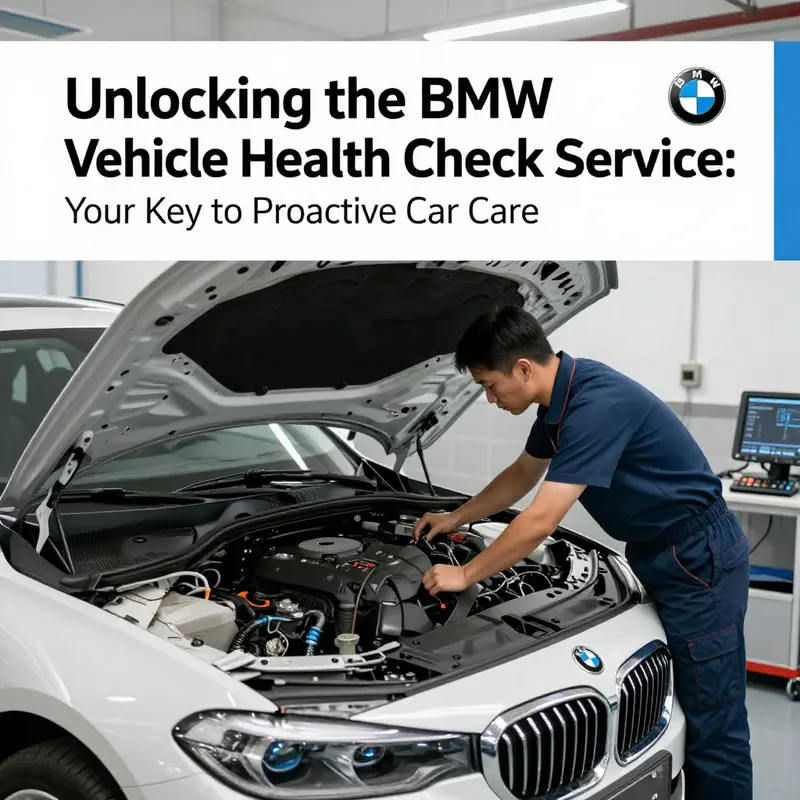
A vehicle health check is more than a routine inspection; it is a carefully structured, proactive approach to safeguarding performance, safety, and value. For owners of premium, precision-engineered cars, this service acts as a safety net that translates complex mechanical data into actionable guidance. In the context of a BMW, the comprehensive health review is designed to go beyond a simple diagnostic; it embodies a philosophy of prevention that mirrors the brand’s meticulous engineering ethos. The core idea is straightforward yet powerful: identify minor wear and evolving patterns before they become costly, inconvenient problems. This chapter dives into what a comprehensive health check entails, why it matters to the driver, and how the results translate into safer journeys and better long-term stewardship of the vehicle.
At a high level, the health check covers a broad spectrum of the car’s systems, organized into major domains that collectively represent the car’s health. In practical terms, the service unfolds as a thorough inspection performed by certified technicians who bring specialized diagnostic tools and a structured checklist to the visit. The aim is to map the car’s condition across critical subsystems — from the engine’s core to the steering wheel’s response, from the climate control to the illuminated dash — and to report findings in a clear, tiered format. Most owners appreciate that the process is designed to be quick, typically around half an hour, with the option to schedule online or through the dealership’s digital interface. Quick does not mean rushed; it signals the efficiency of standardized processes, the use of professional-grade diagnostic equipment, and a workflow optimized to minimize downtime while maximizing the value of the assessment.
The heart of any comprehensive check is its depth and transparency. This is where the system’s architecture matters. The service is built to examine a broad set of categories, each containing multiple specific checks. For a BMW, the checks are organized to reflect how the vehicle’s performance depends on the harmony between power, control, and protection. The engine and drive system receive particular emphasis because they translate fuel into movement, determine throttle response, and influence fuel economy. The assessment scrutinizes lubricants, coolant, and brake fluid as part of the engine’s health, but it also survey the air intake path, filtration, and exhaust details. This range of focus helps technicians detect early signs of performance drift, such as subtle oil degradation, coolant aging, or belt wear that could otherwise escape notice until a more serious fault appears.
Equally important is the section that examines the chassis and suspension. The integrity of the suspension and steering directly affects the car’s handling, ride comfort, and safety. A comprehensive health check looks at shock absorbers, springs, control arms, and joints for leaks, cracks, or excessive play. It measures brake pad thickness and rotor surfaces, checks hydraulic fluid levels for state and potential leaks, and evaluates tire conditions, including tread depth and wear patterns. Tires are not just about traction and comfort; they are the car’s essential link to the road, and uneven wear can hint at alignment or suspension issues that, if left unaddressed, compromise safety during sudden maneuvers or cornering.
Inside the vehicle, the health check extends to the body electrical and comfort systems. A modern BMW relies on a distributed network of sensors and electronic modules that manage everything from lighting and climate control to driver assistance features and infotainment. The health check ensures that lighting is complete and intact, indicators function correctly, and warning displays present accurate information. It tests climate control performance, including cooling and heating efficiency, to eliminate anomalies like unusual odors or unusual fan speeds. On the vehicle’s screen, the technician verifies the responsiveness and reliability of essential features: navigation clarity, audio performance, backup camera operation, seat memory, and seat heating, where applicable. The goal is to confirm that comfort and safety electronics harmonize with the vehicle’s dynamic performance rather than competing with it for the driver’s attention.
Another dimension of the check involves exterior and structural assessments. A vehicle with a clean and undamaged exterior is not only visually appealing; it also reflects the integrity of its protective coatings and glass. The health check looks for paint flaws, micro-scratches, or impact damage that could lead to corrosion if neglected. It also inspects glass for cracks or chips and checks bumpers and panels for alignment and structural integrity. While such checks might seem cosmetic, they serve a practical purpose: a compromised exterior can allow moisture ingress, influence aerodynamic balance, and affect the effectiveness of sensors that rely on a clean, unobstructed surface for optimal performance.
Within this framework, the results are presented in a simple, developer-friendly language that translates into meaningful action for the driver. Items are categorized by risk levels, typically as Normal, Warning, or Urgent. The Normal designation signals areas where the vehicle operates within expected parameters, requiring routine monitoring rather than immediate intervention. A Warning status highlights components showing signs of wear, aging, or potential drift that would benefit from attention in the near term. Urgent flags indicate issues that could impact safety or reliability if not addressed promptly. This triage was chosen to empower owners to prioritize maintenance in a way that aligns with safety considerations and cost efficiency. Rather than a long list of minor advisories, the report serves as a map of what matters most now and what can wait until the next service interval, all with clear guidance on whether immediate service, a sooner appointment, or a standard maintenance window is recommended.
A noteworthy aspect of the comprehensive check is its role in building a personal health record for the vehicle. The inspection results are stored in a dedicated digital file that travels with the car across service visits. This health record creates a longitudinal view of the car’s condition, allowing technicians and owners to observe trends over time. When a certain pattern emerges — for example, a gradual decline in a brake-pad thickness or a slow but consistent drop in battery performance — the health record makes it easier to anticipate maintenance needs and optimize scheduling. In practical terms, this means fewer surprises, smoother maintenance budgeting, and less likelihood of being stranded by an unexpected failure.
The service, in its essence, embodies a preventive philosophy. Rather than waiting for a warning light to illuminate or a performance drop to become evident on the road, the health check asks a different question: What could go wrong next, and how can we address it before it does? The answer, for BMW owners, is a confident, data-driven approach to maintenance. Small, timely interventions — such as replacing a worn brake pad at the first sign of thinning material, or rotating and balancing tires before uneven wear escalates into vibration and steering pull — can prevent more expensive repairs later and maintain consistent performance. The safety benefits are tangible, especially on long journeys or in challenging driving conditions, where the margin for error is small and the consequences of neglect are higher.
To appreciate the breadth of the check, it helps to visualize its structure in terms of the vehicle’s most critical domains. The drive system remains a centerpiece of the evaluation, with a focus on the engine and its lubrication, the intake and exhaust pathways, and the drive belts and tensioners that synchronize key functions. A well-executed check acknowledges that even subtle changes in oil clarity or coolant temperature can foreshadow a more serious development, and it records such observations for year-over-year comparison. The chassis and suspension domain, with its emphasis on wheel alignment, tire condition, braking performance, and steering precision, anchors the assessment in dynamic safety. The body electrical and comfort systems remind the driver that the car’s nerve network governs not only convenience features but also critical driver-assist and safety systems that can influence how the car responds in the moment of need.
The practical benefits of the comprehensive check extend beyond safety and reliability. By identifying wear early, it helps preserve the car’s resale value. A well-documented health history reassures potential buyers that the vehicle has been cared for with diligence and transparency. It also reduces the likelihood of “surprise” maintenance bills by enabling more accurate budgeting and planning. For many owners, this is not merely a maintenance tool but a strategic asset in preserving investment value while ensuring consistent performance that matches the driving expectations that originally drew them to the brand. In daily life, the service contributes to peace of mind: knowing that the vehicle’s health is being monitored by professionals who understand the car’s design intent and its usual wear patterns. It is this blend of expertise, clarity, and forward planning that makes the comprehensive health check a central pillar of the aftersales experience.
In sum, a BMW health check is not a standalone diagnostic; it is a coordinated program built to protect a driver’s safety, confidence, and financial well-being. It integrates engine health, drive quality, chassis stability, and electronic reliability into a single, accessible report. It leverages a structured risk framework to help owners decide when to intervene and how to allocate resources over time. It creates a living health record that evolves with the car, turning an annual or semi-annual visit into a meaningful conversation about how best to keep the vehicle performing at its best. It respects the driver’s time by delivering a 30-minute evaluation with clear next steps and actionable recommendations, while also offering convenience through streamlined scheduling and service workflows. And above all, it reflects the brand’s core principle: prevention first, so every mile of driving is safer, more predictable, and more rewarding.
For readers seeking a practical takeaway, the message is twofold. First, when a vehicle check is offered as part of the dealership experience, it should be embraced as a proactive maintenance tool rather than a routine chore. The value lies not just in fixing problems after they appear, but in understanding how the car is aging and how to tailor maintenance to its unique lifecycle. Second, the health check is most effective when its findings are incorporated into a proactive maintenance calendar. With a digital health record guiding the schedule, owners and technicians can coordinate a care plan that minimizes downtime, reduces the risk of breakdowns, and maintains the vehicle’s optimal performance. Although the specifics of checks may vary slightly by model year and service region, the overarching framework remains a consistent, trusted resource for safeguarding a premier driving experience. The result is a car that remains not only powerful and efficient but also reliably safe for every journey.
To those who own or are considering ownership of a BMW, the comprehensive health check stands out as more than a service—it is a commitment to ongoing care that aligns with the vehicle’s engineering ethos. It translates sophisticated diagnostics into practical advice, creates a living record of the car’s health, and ultimately helps maintain the emotional and financial value of a technically demanding machine. In this sense, the health check is the embodiment of prevention, tuned to the precision of a brand that sets itself apart by insisting on performance without compromise. For readers who want to explore further and see how preventive maintenance can fit into their routine, the journey begins with an inquiry at the dealership and a quick, efficient assessment that opens a clearer view of what lies ahead for their vehicle’s health. And with the report in hand, drivers can approach maintenance with confidence, knowing they have a reliable roadmap crafted by experts who speak the language of performance, safety, and longevity.
For readers seeking practical next steps and additional context, the following resource offers deeper reflections on preventive maintenance and how to integrate it into a regular car care routine: KMZ Vehicle Center blog. For a broader perspective on ongoing maintenance planning and the logic behind timely service interventions, you can visit the engaging hub of automotive care insights at the KMZ Vehicle Center blog.
Seamless Care on the Move: BMW Vehicle Health Check
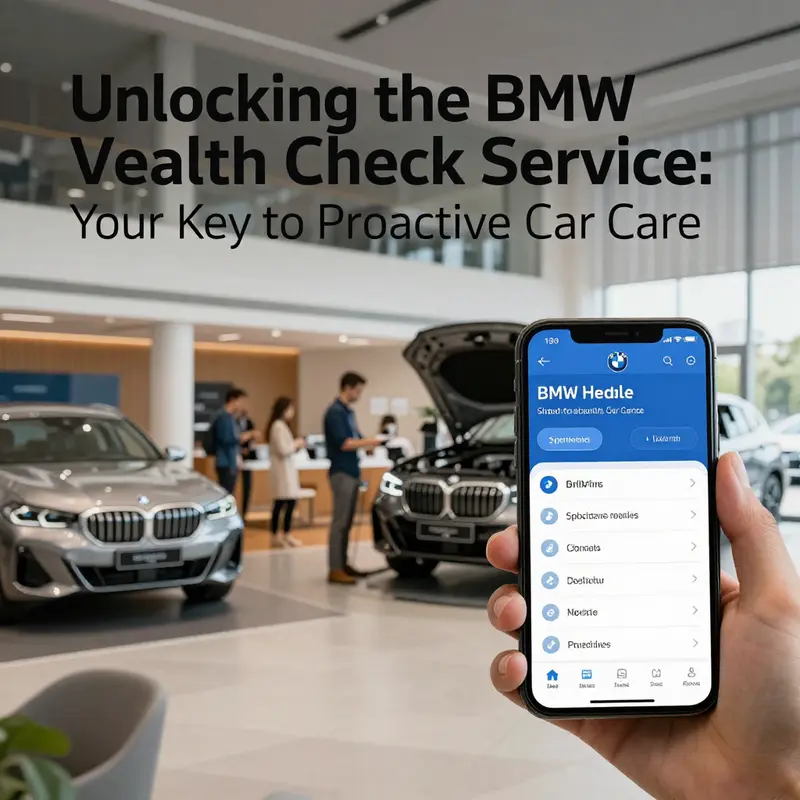
BMWs vehicle health check is designed to be quick, informative, and repeatable. When you bring a car in for a health check, technicians perform a structured inspection that covers critical systems such as engine performance, drive dynamics, brakes, suspension, climate control, lighting, and the electrical network. The goal is to translate data from the car into a clear verdict and practical steps. A typical session takes about thirty minutes, supported by a disciplined workflow, digital diagnostic tools, and ISTA software that speaks the car language.
Checks are organized into categories and rated as normal, warning, or urgent. Normal signals that everything is within spec; Warning points to conditions to monitor; Urgent indicates issues that require immediate attention. The result is a straightforward report that explains items in plain language and recommends when to schedule a follow up or what parts may need replacement.
Beyond the single visit, the health check creates a digital record tied to the vehicle. Owners can track trends, compare results over time, and plan maintenance with real data rather than guesswork. The service is designed to be convenient as well as thorough, with options such as online scheduling and, where available, vehicle pickup and delivery.
BMW frames prevention as a core principle. The aim is to help drivers stay safe, protect vehicle value, and reduce unexpected trips to the shop. When a check is complete, the owner walks away with a clear maintenance roadmap and the confidence that the car is operating at peak potential.
Decoding the Vehicle Health Check Report: Reading the Detailed Findings Behind a Proactive BMW Maintenance Philosophy
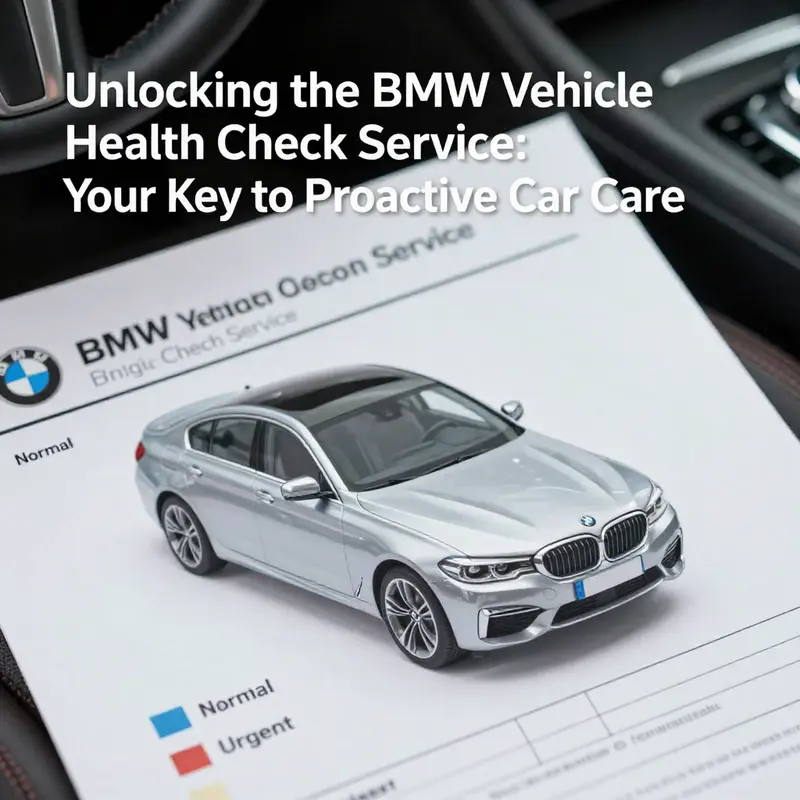
A modern car is more than a collection of parts performing isolated tasks. It is an integrated system whose health depends on the ongoing harmony of engines, drivetrains, brakes, suspensions, climate control, lighting, and a web of electrical components. When a premium manufacturer positions maintenance as a core pillar of safety and reliability, the way this health is assessed matters as much as the service itself. The health-check inspection offered by the brand is designed to translate that complexity into a clear, actionable snapshot. Rather than waiting for a warning light to illuminate a fault, the process captures a wide spectrum of potential conditions and communicates them in a way that helps the owner act with confidence. The heart of this experience lies in the detailed report that follows the inspection, a document that is not merely a list of checks but a narrative about how the vehicle is performing today and how it should be cared for tomorrow.
The inspection begins with a comprehensive scope. In total, the service canvasses 23 major categories, supported by more than 70 individual checks. This breadth is intentional. It ensures that critical domains—intrinsically linked to the car’s safety, performance, and reliability—receive careful scrutiny. The engine and its immediate drive system are evaluated for proper operation, wear, and efficiency. The brakes are checked for bite, balance, and pad thickness, because stopping power is non-negotiable in any driving scenario. The suspension and chassis receive attention to ensure steering responsiveness and ride quality remain aligned with the vehicle’s designed dynamics. The climate control system and the broader body electrical network are assessed for comfort and reliability, since a well-regulated cabin and dependable electronics support safe and enjoyable operation. Even the more nuanced elements, such as lighting, sensor performance, and electrical connections, enter the checklist because modern vehicles rely on a web of signals to function as a cohesive unit.
This isn’t a routine cursory glance. The inspection is conducted by technicians trained to work with precision and care, using factory-grade diagnostic equipment. The aim is not to confirm that every part is brand-new but to determine whether each item is operating within expected parameters, showing normal wear, or indicating a potential issue that warrants attention. The result is a profile of the vehicle’s current health with a level of accuracy that comes from standardized procedures and specialized tools. The experience is designed to be quick for the owner: the inspection typically takes around 30 minutes, a window that makes it feasible to arrange a visit during a workday or a short trip to the service center. Scheduling can be done online or by phone, with some locations offering convenient options to drop off the vehicle and collect it later, or even arrange for pickup and delivery in select circumstances. These conveniences reflect a larger philosophy: getting quality information in a timely way so owners can maintain performance without disrupting their routines.
Once the checks are complete, the technician returns with a report that is both transparent and practical. Each item in the 70-plus checks is presented in a way that is easy to digest, without jargon that might obscure meaning. The data is organized into a clear taxonomy of risk levels: Normal, Warning, and Urgent. The Normal designation indicates that the measured parameter is within expected bounds and requires routine maintenance according to the planned schedule. A Warning signals that a component is showing signs of wear or a condition that merits monitoring and perhaps a proactive plan to address it before it becomes more serious. Urgent denotes issues that could affect safety or reliability in the near term and should be prioritized for service. This triage system is essential because it translates a potentially overwhelming amount of information into a concise, action-guiding set of priorities. It is a reminder that maintenance is not a one-off event but a continuous conversation between the vehicle, the owner, and the service professional.
The report’s design is more than a scoring system. It is a narrative directed at prevention and predictability. Each line item is described with a straightforward explanation of what was measured, what the reading means, and what the recommended next step should be. This isn’t a mere factual dump; it is a decision-support tool. Owners learn not only which components are currently in good order but also how those components interact with others. For example, how minor wear on a braking system could, over time, influence brake performance or how aging tires might alter ride quality and cornering behavior. The language used is pragmatic rather than technical for the sake of accessibility, so a driver can quickly understand whether a routine service, a part replacement, or simply closer monitoring is appropriate.
A distinctive strength of the health-check process is its emphasis on a personalized vehicle health record. The results are stored in a digital health record tied to the specific vehicle, creating a longitudinal narrative of its condition. This is not a one-time snapshot; it’s a lifetime view of how the car’s health has evolved. With each inspection, the record updates, so future readings can be compared against prior ones. This historical perspective makes it easier to identify trends, such as progressive wear on a specific subsystem or recurring alerts that suggest a pattern rather than a one-off anomaly. For the owner, this translates into more efficient maintenance budgeting and a more informed dialogue with the service team. Instead of reactive fixes that occur after a breakdown, the owner can plan preventive interventions at opportune moments, often when the cost and effort are comparatively lower.
From a safety standpoint, the health-check report acts as a structured safety audit. The urgent items—those flagged as requiring immediate attention—become the first priority and are typically accompanied by a recommended service window or appointment date. This approach aligns with the broader aim of prevention: by catching issues early, the risk of sudden failures is reduced, helping to preserve the vehicle’s integrity and the driver’s peace of mind. The reassurance that comes from knowing the car’s vital systems are being monitored with vigilance is a core benefit that owners repeatedly cite. It reinforces a broader philosophy of responsible ownership: car care is not just about avoiding breakdowns; it’s about sustaining performance, safety, and value over time.
Yet the health-check report also invites a practical conversation about maintenance strategy. Owners often wonder when to replace worn components or how to focus maintenance budgets most efficiently. The answer lies in balancing risk assessments with cost considerations. A part that shows a Warning status might not demand immediate replacement, but it should be scheduled for closer inspection and possibly a future repair. An Urgent item, on the other hand, requires prompt scheduling to avoid compromising safety or reliability. The digital health record makes this decision process more straightforward by providing a clear map of what has been addressed already and what remains on the horizon. In this way, the report becomes a living document rather than a sealed file of past service work.
For readers seeking a broader perspective on how such health-check programs fit into a comprehensive maintenance plan, the connected ecosystem of maintenance resources and expert guidance can be invaluable. A good practice is to augment the inspection findings with reputable sources of information about preventative care, service intervals, and diagnostic indicators. The KMZ Vehicle Center blog offers ongoing discussions about maintenance practices and practical tips that complement gathered vehicle data. When you want to extend your understanding beyond the vehicle’s immediate findings, a quick visit to that resource can provide additional context and scenarios that mirror common ownership experiences. (Internal link: KMZ Vehicle Center blog.)
The practical implications of the report extend into daily routines and long-range planning. If an Urgent item appears, the owner has a concrete reason to act soon rather than later. A Warning item prompts a decision about timing: should the owner wait for the next service window, or should a proactive appointment be scheduled to address the issue while the vehicle is already in the shop for another reason? Normal items become anchor points for the regular maintenance schedule, ensuring that routine service keeps the vehicle within specification and preserves resale value. This framework helps prevent the kind of cascading problems that occur when minor issues are allowed to fester. It also provides a structured basis for discussions with service advisors, allowing owners to articulate concerns and preferences with clarity.
The language of the report—clear, concise, and action-oriented—supports informed conversations. It invites owners to move beyond a vague sense that “something might be off” and into a decision-making process grounded in concrete observations. This is especially valuable for drivers who rely on their vehicles for essential travel, whether for work, family, or long-distance adventures. In those contexts, knowing that the car has been thoroughly checked and that any deviations from normal performance have been cataloged and prioritized is a form of practical risk management. It is not merely about fixing problems; it is about maintaining a level of reliability that supports confidence in day-to-day life.
Beyond the mechanics, there is a human element to the health-check experience. The technician’s professional judgment plays a role in interpreting what a reading means for the vehicle’s behavior and longevity. While the report provides a disciplined, standardized presentation, it is complemented by expert insight. The best outcomes arise when owners use both sources of knowledge—the objective data of the checks and the experiential advice of the service professional—to decide what to do next. The result is not a rigid prescription but a collaborative plan that balances safety, performance, and cost over the life of the vehicle.
To keep the discussion grounded, consider a couple of practical scenarios. A driver notices a gradual decrease in braking performance after a few months of heavy city driving. The health-check report flags a Warning on the brake pads and a separate item indicating reduced rotor smoothness. The owner can review the recommended actions, compare with current driving needs, and schedule a service that addresses both wear and rotor condition in a single visit if possible. In another example, a tire aging indicator may show signs of aging well before a tire reaches the end of its useful life. The report would flag this as a Normal or Warning item depending on the reading, prompting a maintenance plan that aligns tire replacement with other upcoming services to optimize downtime and cost.
The overarching message of the detailed report is simple yet powerful: knowledge enables prevention, and prevention preserves performance. By distilling a complex web of subsystems into a structured set of observations, the health-check becomes a practical tool for owners who want to maintain their vehicle’s safety, comfort, and value without unnecessary surprise costs. It guides scheduling, informs budgeting, and enhances the ongoing partnership between driver and technician. In this sense, the report is not just about what is wrong or right at this moment; it is about how this moment informs the next steps on a path toward consistent, reliable performance.
For readers who want to dig deeper into the official framework and the rationale behind such inspections, a trusted external reference provides additional context and benchmarks. The official information about the health-check program explains its scope, the standardization of checks, and the intended outcomes for both safety and reliability. While the specifics of naming and branding are discussed in those materials, the essential idea remains consistent: a thorough, transparent health assessment, delivered quickly, and stored as part of a personal vehicle history that supports ongoing care. External readers can explore that resource to understand the formal structure and recommended actions that accrue from these inspections.
In sum, the detailed report from the health-check process is more than a document. It is a carefully crafted guide to preventative care, tailored to the individual vehicle and its owner. It translates technical measurements into meaningful guidance, and it ties present conditions to future maintenance in a way that makes budgeting and planning more predictable. By presenting an organized, prioritized view of the vehicle’s condition and by storing that information in a vehicle-specific health record, the service empowers owners to act with foresight, protect safety, and sustain performance over the life of their car. The result is a smarter, more confident ownership experience that aligns with the broader goal of keeping a premium vehicle performing at its best, day after day, mile after mile.
External resource for reference on official health-check information: https://www.bmwusa.com/owners/service/vehicle-health-check.html
Proactive Care in Motion: How a Vehicle Health Check Transforms Maintenance from Guesswork to Confidence

When a driver considers the long arc of owning a modern, high-performance car, the question often isn’t only about power, style, or speed. It’s about reliability over months and years, about how well the machine will respond the next time you turn the key, and how much peace of mind you carry into every journey. A proactive approach to maintenance—the kind that begins with a comprehensive vehicle health check—bridges the gap between spontaneity on the open road and the careful discipline required to keep complex engineering performing at its peak. In practice, this means a service that looks beyond the immediate need for an oil change or a tire rotation, one that dives into the heart of the car’s systems with the aim of spotting problems before they become problems you feel or hear. It is this forward-looking mindset—prevention first—that underpins the full value of a brand’s vehicle check program and, more broadly, redefines what maintenance can mean for owners who want their car to stay as capable tomorrow as it is today.
The core premise is surprisingly simple in its elegance. A vehicle health check is a structured, thorough inspection designed to illuminate the hidden health of a car’s vital systems. In practice, technicians examine a wide spectrum of subsystems—engine, drive and transmission, brakes, suspension, steering, climate control, lighting, and the body electrical system, to name a few. The check encompasses far more than a cursory glance; it relies on a curated set of 23 major categories and more than 70 individual checks. The aim is not to push a single, urgent repair, but to assemble a complete map of the car’s condition, from obvious wear to emerging vulnerabilities that might not yet demand action, but could one day demand costly attention if left unchecked.
This depth of scrutiny takes a familiar form in many dealerships: a concise, efficient process that respects the busy rhythm of modern life. In many locations, the inspection can be completed in roughly half an hour, sometimes even quicker when the shop runs a streamlined flow with trained technicians and digital checklists. The speed does not come at the expense of quality; on the contrary, the approach is designed to deliver clarity in a tight window. Owners are given a clear, transparent report that categorizes each item by risk level—Normal, Warning, or Urgent. That simple triage is transformative, turning a pile of technical data into actionable guidance. It allows owners to see, in plain language, which components are in excellent shape, which require monitoring, and which demand immediate attention to avert a breakdown. It’s a practical toolkit for decision-making, helping families prioritize maintenance tasks, avoid surprise repairs, and plan more efficiently for future service.
What makes the experience truly meaningful is the creation of a personalized vehicle health record. Every result is stored in a digital profile for the car, a living history that travels with the vehicle. This is more than a static file; it’s a dynamic ledger that tracks progress and shifts in condition across time. When the owner returns for the next check, the technician can compare the latest findings with previous data, revealing trends that might escape casual observation. Over months and years, this record becomes a record of reliability, a quantitative foundation for predicting maintenance windows, calculating total ownership costs, and scheduling proactive interventions at moments that minimize both risk and expense. It is, in essence, a shared memory between the owner, the dealership, and the vehicle itself, a collaborative tool aimed at keeping the car at its best.
The diagnostic framework is deliberately forward-leaning. The health check does not exist in isolation; it is integrated with a broader ecosystem of digital tools designed to enhance vigilance. The vehicle’s data flows into a smart platform that can surface alerts ahead of time, alerting owners to potential issues before they become obvious symptoms. This proactive alert system is especially valuable when juxtaposed with the old model of maintenance—one in which a warning light suddenly appears only after a fault has developed. The modern approach anticipates faults, guiding owners to act with the calm confidence that comes from knowing a problem is being watched, not merely endured. In practical terms, this means you can be alerted to a potential fault by the vehicle’s digital assistant or through a connected app, often long before you would notice anything unusual behind the wheel.
The tangible benefits of this proactive stance are clear and multi-faceted. First, there is safety. Worn brakes, aging tires, or a failing suspension component can compromise handling and stopping performance in moments where every fraction of a second matters. Catching these issues early, while they are still minor, reduces the risk of an emergency scenario on the road. Second, there is reliability. A car that is routinely inspected and maintained on a predictable cadence is less likely to stall unexpectedly, more likely to perform consistently, and less prone to abrupt, expensive failures that disrupt daily life. Third, there is cost efficiency. Addressing small repairs before they escalate into major ones is a well-documented way to limit total maintenance spend over the life of a vehicle. Early intervention preserves component life and can prevent secondary damage that would otherwise cascade through adjacent systems.
Real-world experiences underscore the practical value of this approach. A car owner once shared how transmission issues, if left unattended, could ripple into a chain of failures at the worst possible moment, potentially driving the repair bill well beyond thirty thousand yuan. While such figures are case-specific, they illustrate a broader truth: late-stage faults are not just inconvenient; they can be financially draining and emotionally disruptive. A pre-warranty expiration inspection—timely and well-timed—can be particularly compelling in this context. For vehicles nearing the end of the manufacturer’s warranty, a full diagnostic sweep can reveal hidden faults that would otherwise surface after coverage has lapsed, enabling free or reduced-cost repairs under the warranty if the issues are identified in time. It is a striking reminder that proactive maintenance is not merely about extending the life of a car; it is a strategy for maximized, risk-aware ownership within a defined financial framework.
These observations dovetail with the philosophy at the core of the health check program: prevention. The aim is not to sell the owner on a ritual of constant servicing but to empower them with knowledge and timely intervention. When the service signals a potential risk, it becomes a decision point rather than a crisis. If a worn brake pad is detected early, the owner can plan a replacement during a routine service interval, avoid the danger of sudden brake failure, and spread the expense in a way that fits their budget. If tire tread has begun to deteriorate, a cautious replacement plan can maintain grip and braking performance, preserving safety during adverse conditions. The value of such foresight multiplies as the car ages; the more complete the historical health record, the easier it becomes to time maintenance precisely for safety, performance, and value retention.
Of course, the practical experience of implementing proactive checks relies on more than the check itself. It depends on a user-friendly ecosystem that helps owners act on the findings. The modern health-check suite is designed to work in tandem with a flexible digital service platform. This platform supports scheduling, live updates, and secure payment—streamlining the entire service journey from booking to the completion of repairs. It also enables the owner to monitor the vehicle’s condition in near real time through alerts and insights that flow from the vehicle to the owner’s device. In this way, the health check is not a one-off event but a step in a continuous cycle of care, a cycle that aligns with the rhythms of daily life and the realities of modern mobility.
Within this ecosystem, a small but potent reminder plays a crucial role: the dashboard indicator. The vehicle’s service light, once a vague signal, becomes a targeted prompt in a broader maintenance cadence. When illuminated, it invites a diagnostic check that can be coordinated with the health-check process, ensuring that urgent issues do not hide behind routine maintenance tasks. This simple mechanism ties the car’s internal language to the owner’s planning horizon, reinforcing the sense that maintenance is a meaningful, ongoing partnership rather than a chore imposed by a clock on the wall. Regular servicing—covering oil and filter changes, brake-system evaluations, coolant checks, and air-filter replacements—stays at the heart of this program. But the story isn’t about a fixed calendar; it’s about harmonizing maintenance with how the car is used, the climate in which it operates, and the wear it accumulates over time. The result is a vehicle that remains safe, efficient, and responsive, while also preserving its value and extending its lifespan.
A practical path emerges when owners view the health check as a tool rather than a ritual. It becomes part of a broader maintenance strategy that blends data-driven insights with responsible routines. For example, owners can leverage the health record to time future visits, coordinate replacements with scheduled trips, and ensure that important parts remain within factory specifications. The digital footprint left by the health check makes scheduling more precise and planning more predictable, reducing the anxiety that often accompanies car maintenance. It is not mere paperwork; it is a forward-looking system that translates complex mechanical data into understandable, actionable advice.
For those who want to connect this approach to practical steps, the path is simple yet powerful. Start by embracing the idea that a vehicle health check is more than a one-off diagnostic. It is the anchor of a maintenance cadence that respects both safety and budget. Schedule the check regularly, especially as the vehicle ages or as usage patterns shift—more city driving, longer highway trips, or frequent heavy loads can all affect wear rates. When the results appear, treat the recommendations with the same seriousness you would give to a road sign warning you of a detour ahead. Prioritize urgent items, of course, but also create a plan for warning-level items and for those categorized as normal. The goal is not to fix everything at once but to maintain a poised, well-documented path of care that preserves the car’s performance envelope while avoiding the costs and disruptions of avoidable failures.
In sharing these reflections, it is worth noting how public-facing resources and digital tools reinforce this disciplined approach. Booking appointments becomes seamless through an official app, the repair progress is tracked in real time, and invoices are delivered digitally for transparency. For owners who want to deepen their understanding of maintenance timing and intervals, a practical reference is the broader conversation around oil-change strategies, which considers how time and mileage interact to determine optimal replacement points. See the discussion on [Optimal oil-change intervals: time vs. mileage] for a focused look at how wear, oil degradation, and driving conditions inform maintenance planning. This combination of data, habit, and professional guidance positions owners to drive with confidence, knowing their vehicle is being watched by a system that prioritizes safety and reliability as much as performance.
The broader takeaway is compelling. Proactive maintenance via a comprehensive health check reframes maintenance from a reactive, cost-driven obligation into a strategic, value-preserving practice. It aligns the car’s health trajectory with the owner’s needs and expectations, delivering a smoother, safer driving experience while safeguarding resale value. The ritual of the health check, paired with the digital ecosystem that supports it, ensures a consistent, personalized level of care. It is a practical enactment of the philosophy that guides superior vehicle ownership: prevention, preparation, and partnership—with the car, with the dealer network, and with the technology that makes today’s maintenance smarter, faster, and more humane.
For readers who are curious about the official program in their region, details and availability may vary by market. The core idea remains universal: a structured health check, a transparent report with clear risk levels, a personalized health record, and an integrated digital pathway to act on the findings. The objective is not to overwhelm owners with data but to empower them to act decisively when it matters—before issues become urgent, before costs escalate, and before a troubling pattern emerges in the car’s performance. In this way, proactive maintenance becomes more than a service. It becomes a partner in the journey of owning and enjoying a precise, capable machine—one that stays ready for the road ahead, mile after mile.
External reference: For more information on the Vehicle Health Check and proactive maintenance programs, explore the official page from the brand’s regional site. https://www.bmw.com.cn/zh/services/vehicle-health-check.html
Final thoughts
The BMW Vehicle Health Check Service transcends simple maintenance; it embodies the philosophy of prevention first, ensuring vehicles are safe, reliable, and performing at their best. By engaging in this complimentary service, owners not only enhance the longevity of their vehicles but also invest wisely in their future driving experiences. Whether you’re a private car owner, a used car buyer, or a small business fleet operator, integrating the VHC into your routine vehicle care can lead to substantial savings and improved safety on the road.