
Understanding how to cancel a vehicle service contract is essential for private car owners, used car buyers, sellers, and small business fleet operators. Whether you’ve subscribed through a manufacturer’s app, a third-party platform, or signed an offline agreement at a dealership, each method involves different steps and conditions. This guide will illuminate the cancellation processes in detail, helping you make informed decisions and protect your financial interests, while also highlighting important considerations you need to keep in mind before moving forward with your cancellation.
Cancel by Tap: Navigating Vehicle Service Contract Termination Through the Manufacturer’s Official App
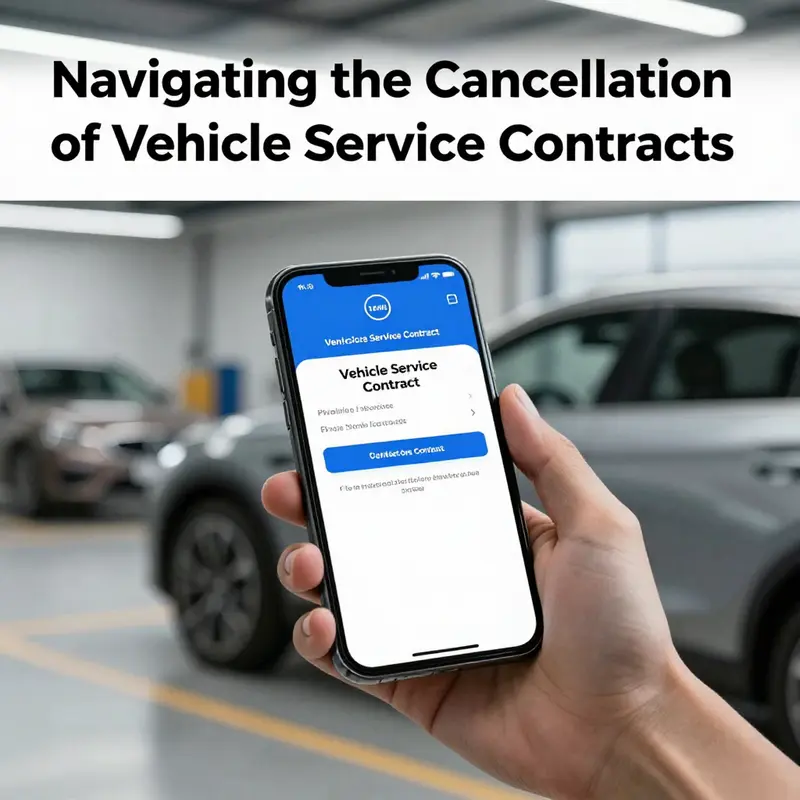
In an age when your vehicle’s maintenance and protection plans can be managed like a playlist, the question of cancellation often comes down to how your contract was originated and how the provider leverages digital tools. If your vehicle service contract was tied to the manufacturer’s official app, you may be able to cancel directly within that digital environment. But the reality is more nuanced: some plans permit self-service termination, while others require a call, a form submission, or a written request. What unites these paths is the same thread that runs through any cancellation: you are swiftly shifting away from an agreement that you once chose, but you must still respect the terms you agreed to at the outset. The app can be a convenient ally or a gatekeeper, depending on the type of contract and the policies laid out in your agreement. The key is to approach the process with clarity, not haste, and to be prepared for the outcomes that may follow a cancellation, especially any impact on refunds or service history.
The journey typically begins with a careful review of the cancellation pathways your contract supports. Digital management tools have become a standard feature for many manufacturers, letting customers view service histories, manage coverage extensions, schedule renewals, and, in some cases, cancel plans. When the option exists, it is usually found in a section dedicated to protection plans, extended warranties, or service contracts. If you’re considering cancellation, start by locating this area and looking for terms like “Cancel,” “Terminate,” or “Manage.” In some instances, the app may reveal a dedicated cancellation portal that guides you through a short sequence of confirmations. The process is often described as instant or near-instant, especially when the app can process the request immediately and issue any prorated refunds electronically. Yet instant results are not universal reasoning; the app may simply initiate a submission for review, and a human or automated verification step could follow.
For many users, the cooling-off period works as a cushion. A window—often within 30 days of purchase—permits cancellation without penalties or significant questions asked. This provision is a familiar safeguard for consumer contracts across the marketplace and remains a common feature in vehicle service plans that originate from the manufacturer. If you cancel within this window, you may expect a full or near-full refund, depending on the plan’s terms and whether any service credits or activation fees apply. When you move outside that window, the refund is frequently prorated to reflect the remaining term of the contract and the level of protection already consumed. This is an essential calculation to understand before you press the cancel button or submit a termination request: knowing how refunds are calculated prevents surprises and disputes later on.
The actual steps to cancellation inside the app are straightforward, but they require attention to detail. Begin by opening the official app and navigating to your vehicle’s protection plans section. If you can identify a submenu like “Service Contracts,” “Extended Warranties,” or “Protection Plans,” you are in the right place. Next, locate the specific contract you want to cancel. The detail page should present available actions, including a cancellation option or a termination instruction. If you see a clearly labeled Cancel option, tapping it typically triggers a confirmation step. You may be asked to confirm your decision, acknowledge any potential penalties or refund terms, and provide a reason for cancellation. The final screen often offers a summary of the refund you will receive and the effective date of cancellation. In many cases, the platform will generate a confirmation notice that you can save as proof of cancellation. If the app does not show a cancellation option, or if you feel unsure about a particular step, it is prudent to contact the manufacturer’s customer support for direct guidance. A phone call or chat with a representative can clarify whether the facility exists within the app, whether any documents are required, and whether there are fees or prorating quirks you should know about before you finalize the action.
One important caveat centers on the nature of the contract. Some plans are designed with strict administrative channels in mind. They might require submitting a formal, written cancellation request, even if the app can initiate the process. In such cases, you would typically follow a path that includes a written notice and a submission through the app or via email, but the final decision rests with the provider’s review. The written request may need to include your contract number, the vehicle identification number, and personal identification to verify your ownership and authorization. Keep copies of every document and every confirmation, including timestamps from the app. The diligence you show in this phase helps prevent miscommunication and speeds up the resolution, should questions arise during processing.
Beyond the digital route, it is worth considering the broader landscape of how cancellations are handled if the contract was procured indirectly. Some plans may be affiliated with third-party platforms or dealerships. In those cases, the cancellation path could differ substantially from the manufacturer’s direct process. Third-party providers may impose a cooling-off period that aligns with local consumer protection laws or with the platform’s internal policies. They may also enforce early termination fees or partial refunds that are less favorable than those offered by the manufacturer. If you contracted through a dealer or a third-party platform, you should not assume the app-based cancellation path will work. Instead, you may need to contact the platform’s support team or visit the original point of sale to request cancellation in person or to submit required forms. This complexity underscores the importance of understanding the provenance of your plan before you attempt cancellation.
As you weigh the decision to cancel, the contract itself is your most reliable guide. Carefully reread the cancellation provisions, any notice requirements, and the circumstances that trigger penalties or refunds. This is not a mere formality; it is a strategic step that helps you anticipate the financial and practical implications of ending the contract. In addition to contractual clauses, keep a meticulous record of all communications. Save emails, chat transcripts, and any forms you submit. If you are dealing with a phone-based process, take note of the date, time, the representative’s name, and the outcomes of the call. A well-documented trail can be invaluable if disputes surface or if you need to explain the situation to a consumer protection body or a small claims court.
Accessibility and timing are two more levers that influence the cancellation experience. In many situations, cancellation will be easier if you act before the coverage has delivered substantial benefits or before service usage has accrued. If you have already scheduled appointments or paid for future service blocks, discuss how those plans are affected by cancellation. Some providers offer prorated refunds for unused service periods, while others may apply forfeitures or credits toward remaining services. Understanding how these financial mechanics work helps you decide not just whether you cancel, but also when to proceed to minimize loss and maximize certainty. If you face resistance during the process—such as a request for information you cannot immediately provide or an unexplained delay—do not concede a denial in silence. Request a clear explanation in writing and, if necessary, escalate the matter through consumer protection channels or through arbitration if the contract includes such a clause.
The virtual path is not the only gateway, and knowing both sides of the coin empowers you to choose the path that aligns with your needs. If you are comfortable with digital management and the terms are favorable, canceling through the manufacturer’s app can be an efficient, paper-light option. If you encounter any friction, however, switching to an offline route or seeking support from a knowledgeable agent may yield a more predictable outcome. For readers who want to explore more practical considerations and related maintenance topics, the KMZ Vehicle Center Blog offers a broad umbrella of guidance and practical tips. It serves as a helpful companion resource without steering you away from the primary, contract-specific terms you must follow. KMZ Vehicle Center Blog
Finally, when the contract lands in the rearview mirror, you may still carry the memory of its lifecycle—its activation date, the protections it promised, and the reasons you chose to cancel. A cancellation does not erase the experience of ownership or the history of your vehicle’s service needs. It simply resets the protections you carry forward. If you are uncertain about how the cancellation affects your vehicle’s future coverage, seek clarification on whether a new plan will be available at a later date and what steps you would need to take to reinstate coverage if your circumstances change. The goal is to leave the process with alignment between your expectations and the reality of the terms you have agreed to, and with documentation that supports your position should any questions arise in the future. For those who want to verify the official framework around canceling contracts, including rights and remedies, the Federal Trade Commission provides thorough guidance on cancellation rights and dispute resolution, which you can consult here: https://www.consumer.ftc.gov/articles/how-cancel-contract.
Cancel by Platform: Navigating Vehicle Service Contract Cancellations Through Third-Party Providers
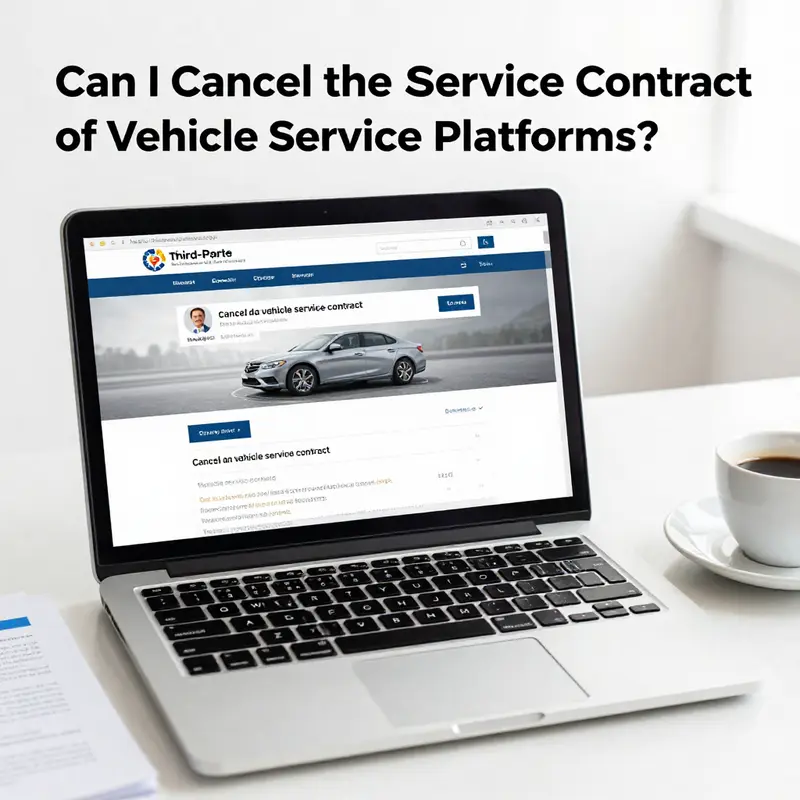
Canceling a vehicle service contract that you bought through a third-party platform is a process that hinges on where the contract originated, what the platform’s own rules are, and the exact terms spelled out in your agreement. The decision to cancel is not a single action but a sequence of steps that begins with recognizing which entity administers your plan and ends with documenting the outcome. When the contract began life on a third-party site or app, you often find an option to cancel right there in the same interface. But the presence of a cancel button does not automatically guarantee a seamless refund or a clean termination. The terms you signed still govern the process, and the platform may impose fees, prorating, or notice periods. The practical route is to follow a clear, documented path that protects you if the platform contests the cancellation later. This chapter stays rooted in the real-world experience of dealing with third-party cancellations while tying back to the broader question of whether a vehicle service contract can be terminated and how best to approach the matter.
The first essential step is to verify the cancellation channel. If you purchased the contract through a third-party provider that offers its own customer portal, begin there. Log in to the platform’s website or app and locate the account area that handles services or contracts. Look for a section labeled something like “My Contracts,” “Service Plans,” or “My Services.” Within that area you should find the specific coverage you want to end. If there is an explicit “Cancel” or “Terminate” option, it is usually presented on the contract detail page. In many cases, this online cancellation is designed to be immediate or reflect the status change within minutes. Still, it is essential to read the wording around the cancellation action. Some platforms use terms like “end of term,” “ cooling-off period,” or “early termination” to describe different outcomes. Each phrasing can signal whether a refund will be issued, and at what rate, if any, or whether the contract must run its full term before cancellation takes effect.
If the online path is straightforward, the platform will typically require you to confirm the cancellation once more in a pop-up or through a confirmation email. It is common to receive an on-screen acknowledgment or an email notice that termination has been recorded. You should save that confirmation. If a refund is due, you may see a prorated amount calculated from the date of cancellation to the end of the coverage period. The exact formula—whether it’s based on unused days, remaining months, or a fixed percentage—will be defined in the contract or the platform’s terms. Because refund practices vary widely, it is wise to note any stated grace periods or waiting times before a refund is issued and to keep a copy of the cancellation confirmation for your records.
When online cancellation isn’t available or yields an unclear result, the next step is to contact the platform’s customer support. Some providers require a live interaction, whether by chat, email, or phone, to process a cancellation request. In these cases you should prepare your contract number, the account holder’s name, and a brief description of what you want to cancel. If identity verification is requested, provide the information you used when you enrolled. A written cancellation request, whether submitted through a contact form or as an email, helps establish a paper trail. It is prudent to request a written acknowledgment that the cancellation is in process and to ask for an estimated timeline for the final fee calculation and refund. Do not rely on a single phone call or chat session alone, as those can be harder to prove if disputes arise later.
Across platforms, there is a recurring tension between timing, refunds, and penalties. Some third-party providers impose early-termination fees or restrict refunds if the cancellation occurs after a specified “cooling-off” window. Others may grant a full or partial refund only if you cancel within a short period after enrollment. The absence or presence of a cooling-off period is a fundamental element to review in your contract. The general guidance is simple: read the cancellation clause with care, paying attention to any stated notice period, the method of cancellation (online, written request, or customer service), and any conditions tied to refunds. A common, though not universal, expectation is that a contract canceled within a week or two of purchase will qualify for more favorable refund terms than a cancellation performed months later. But there is no universal rule, which is why the contract language matters so much.
Even when the platform appears to accommodate cancellations smoothly, it is essential to understand what you are sacrificing by canceling. A service contract is a risk-sharing tool: you exchange a predictable payment for a defined level of protection or coverage. Canceling can temporarily or permanently remove that layer of protection, and it may also affect your eligibility for other promotions, discounts, or bundled products offered at the time of enrollment. In cases where the platform is part of a broader ecosystem—such as a financing platform or an insurer offering bundled protections—cancellation may have downstream effects, like changes in loan terms or adjustments to coverage that could reframe your overall car-care strategy. Recalling why you entered into the contract in the first place can help you decide if cancellation is worth any potential gaps in protection.
Documentation plays a central role. Maintain copies of every communication, including emails, chat transcripts, and the form or portal page showing your cancellation action. If you submit a written request, keep a stamped copy and, if possible, obtain a receipt showing it has been received. If you are given a reference number, store it for future inquiries. In many cases, even after an online cancellation is completed, you may still receive a final notice outlining the refund amount or any outstanding balance. Review that notice carefully to confirm the figures align with what you expected based on the contract terms and any posted platform policies. If there is a discrepancy, contact the platform promptly with your documentation and a clear account of the inconsistency.
A related consideration is the possibility of dispute or denial. If a platform refuses to cancel or delays the cancellation beyond a reasonable period, you have recourse. The first step is to escalate within the platform, using any formal dispute or escalation process. If the platform maintains an aggressive stance or withholds refunds without a defensible basis, consumer protection channels can be engaged. In the United States, the Federal Trade Commission provides general guidance on canceling contracts, including the ability to negotiate, submit written requests, and seek dispute resolution when faced with unfair practices. While this guidance is not a substitute for contract law, it helps frame a practical approach to problem-solving and escalation. The FTC resource can help you understand your rights and the steps to take if you believe a cancellation has been mishandled. See the official resource for more details on how to cancel a contract and pursue remedies if needed.
Another practical dimension is knowing when to seek alternatives. If a cancellation is not feasible or is impractical due to penalties or minimal refunds, you might explore reassessing the value you receive from the contract. In some cases, it may be possible to transfer the contract or modify it to align more closely with your needs, though transfers, porting, or policy changes depend on the platform’s policies and the governing terms. A thoughtful comparison of the platform’s current terms against the original expectations you had at enrollment can illuminate whether you should persist, adjust, or pursue cancellation through an alternative route, such as a broader consumer-protection pathway or a formal dispute process.
Throughout this process, a steady throughline should be your contract’s terms, not the emotions that come with canceling. The language in the agreement is the map. The platform’s online interface, the customer-support process, and the refund calculations are the terrain you navigate. If you feel the terrain has shifted unfairly—such as being charged an unwarranted fee, or being forced to accept a less favorable outcome than what was promised—document the divergence, seek clarification, and use the escalation avenues thoughtfully. It is not merely about ending payments; it is about ensuring you are treated fairly under the terms you agreed to. For those who want to explore more about how to approach contract cancellations in general, there is a broader repository of consumer guidance that can complement platform-specific steps. This broader context can be particularly helpful if you anticipate future purchases or if you are comparing multiple platforms for future needs. You might also find it useful to consult related automotive maintenance and service information through the KMZ Vehicle Center blog, which can provide practical context for how service plans integrate with ongoing vehicle care. KMZ Vehicle Center blog
In closing, canceling a vehicle service contract through a third-party platform is feasible, but it hinges on knowing where the contract is managed, understanding the platform’s cancellation rules, and carefully tracking every step of the process. The core message remains consistent across the board: read the cancellation clause, act within the platform’s defined channels, and document every communication. If you encounter resistance, escalate through the proper consumer channels and preserve your records. The more you understand about how the platform handles cancellations—whether online, through support, or via a formal written request—the better equipped you are to secure a fair outcome. For additional verification and broader consumer guidance on contract cancellations, you can consult official resources that outline general rights and procedures, including how to pursue disputes when faced with unfair practices. External resources emerge as a valuable complement to the platform-specific steps described here, helping to ensure you have a complete toolkit when navigating cancelations in the complex space of vehicle service contracts. External resource: https://www.tesla.com/legal/privacy
null

null
null
null
Final thoughts
Cancelling a vehicle service contract is indeed possible, but it requires careful navigation of the process detailed in this guide. Whether you are using a manufacturer’s app, a third-party platform, or handling an offline agreement at a dealership, understanding the specific steps and relevant policies is crucial to making a smooth transition. Review your contract closely, keep records of communications, and ensure you fulfill any necessary conditions before proceeding with cancellation. Armed with this knowledge, you can protect your investment and make informed choices moving forward.