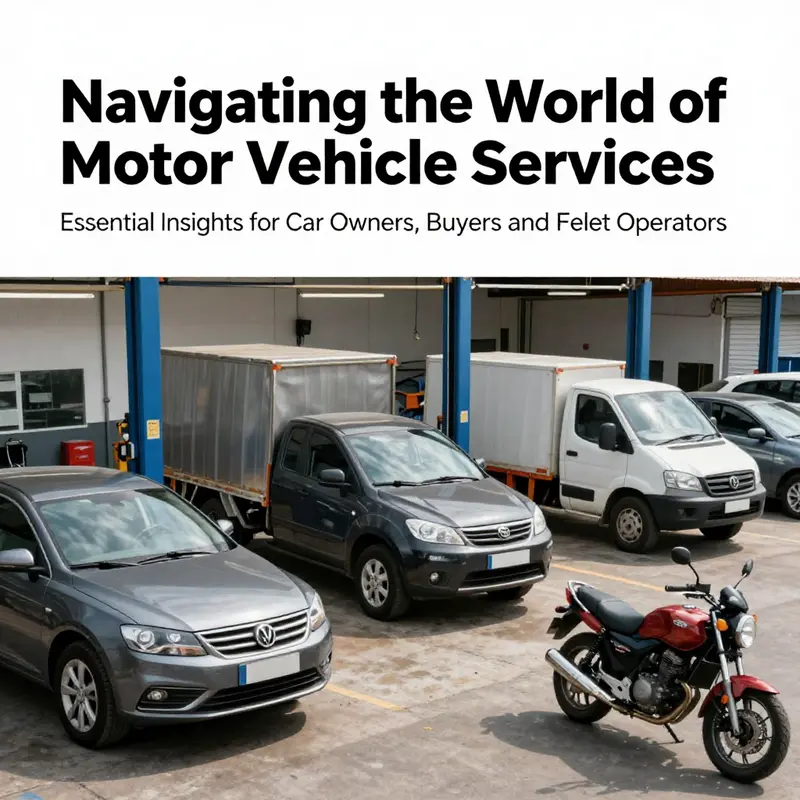
Understanding Vehicle Depreciation: A Crucial Consideration for Owners of Service Vehicles
Navigating the world of vehicle ownership comes with its fair share of complexities, one of the most significant being vehicle depreciation. This term refers to the decline in a vehicle’s value over time, primarily due to factors such as age, wear and tear, and market demand. For local private car owners, used car buyers, and small business fleet operators, understanding how vehicle depreciation works-especially over a span of five years-can impact not only purchase decisions but also resale potential and overall financial planning.
As vehicles are classified into different categories, service vehicles represent a unique segment that often experiences depreciation at a different rate. Due to the regular use and higher mileage associated with these vehicles, their value tends to decrease more rapidly compared to standard passenger cars. For example, many service vehicles can lose up to 36% of their value within the first two years of ownership alone, a figure that underscores the importance of strategic management to mitigate losses (Ewald Fleet Solutions).
Whether you’re considering a service vehicle for your business or looking to optimize the resale value of your current vehicle, recognizing the nuances of vehicle depreciation will enable you to make more informed decisions. Thus, adopting effective maintenance strategies and understanding the market dynamics can significantly enhance the retention of value throughout its lifespan. By grasping the implications of depreciation, you’ll be better equipped to navigate the complexities of purchasing, maintaining, and eventually selling your service vehicle.
| Vehicle Type | Average Percentage Loss |
|---|---|
| Cars | 50.2% |
| Trucks | 40.0% |
| Vans | 45.0% |
| Electric Vehicles | 49.1% |
Sources:
- Understanding Car Depreciation
- 10 Vehicles That Depreciate Fastest
- Best and Worst EV Depreciation in 2023
- A Car’s Price Drops the Longer It Sits
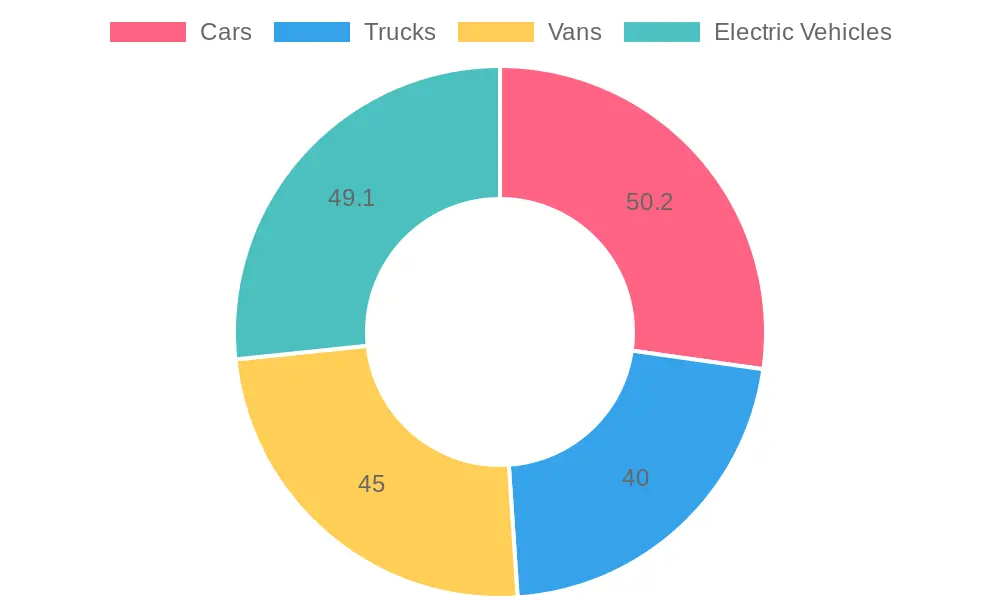
This table showcases the average depreciation timelines for various service vehicles over a span of 5 years. Cars lead the depreciation at approximately 50.2%, with trucks and vans following, reflecting the different rates of value retention across vehicle types. Electric vehicles show a significant depreciation as well, making it crucial for buyers and sellers to understand these factors in their investment decisions.
Factors Affecting Vehicle Depreciation
Vehicle depreciation is an essential consideration for used car buyers and sellers alike, as understanding the factors that influence a vehicle’s value can lead to better purchasing and selling decisions. The primary factors affecting vehicle depreciation include:
1. Mileage
Mileage is a critical determinant in vehicle depreciation. High mileage typically signifies that a vehicle has been used extensively, leading to increased wear and tear. According to recent statistics, cars with mileage exceeding 20,000 miles per year can suffer an additional 5-10% depreciation compared to their lower-mileage counterparts. For instance, gasoline cars average a 38% depreciation over five years, but this can be significantly affected by high usage.
2. Condition
The physical and mechanical condition of a vehicle plays a pivotal role in determining its resale value. Vehicles that are well-maintained, with no significant body damage or mechanical issues, tend to retain more value. In contrast, those with visible wear, poor maintenance records, or mechanical dysfunction can depreciate faster. A well-maintained SUV may depreciate only about 21% over five years, while a premium car can see a depreciation of over 50% during the same period.
3. Market Demand
Market demand is another influential factor. The resale value of vehicles can be affected by their popularity or desirability in the market. For example, certain brands and models have retained value better than others, often due to a strong customer base or favorable economic conditions. Electric vehicles, for example, face unique depreciation challenges, averaging 56.6% over five years, influenced by market shifts and the rapid advancement of technology.
Summary
In conclusion, mileage, condition, and market demand are critical factors affecting vehicle depreciation. Understanding these elements can provide used car buyers with the insights necessary to make informed decisions. For further details on vehicle maintenance, consider checking out truck maintenance tips for first-time owners to help improve the longevity and value of your vehicle.
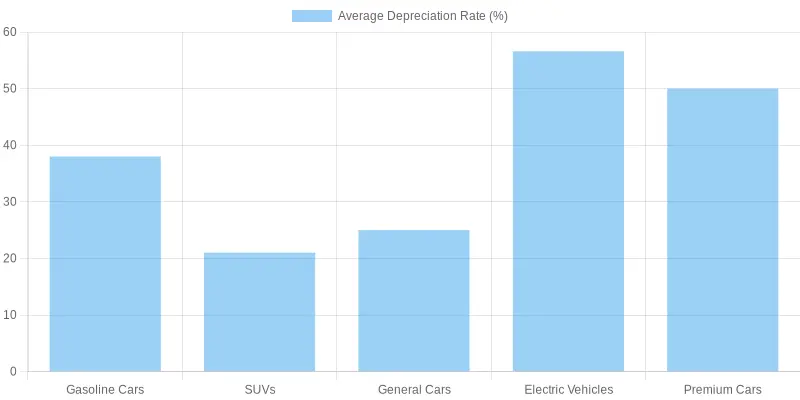
Tables outlining average depreciation rates illustrate the stark differences based on these factors:
| Vehicle Type | Average Depreciation Rate Over 5 Years | Mileage Impact | Condition Impact |
|---|---|---|---|
| Gasoline Cars | 38% | High mileage (20,000+ miles/year) can lead to an additional 5-10% depreciation | Maintaining good condition can help retain more value |
| SUVs | 21% | Mileage affects resale value; lower miles mean a higher value | Above average condition helps retain value |
| General Cars | 20-30% in the first year; over 60% after five years | Significant mileage can increase depreciation | Condition greatly affects resale value |
| Electric Vehicles | 56.6% average depreciation | Similar mileage impact as gasoline cars | Condition has a noticeable impact on value |
| Premium Cars | 50%+ in five years | High annual mileage increases depreciation | Well-maintained models retain value better |
This image visually represents how the value of vehicles typically decreases over a five-year period due to various factors such as mileage, age, brand, and condition.
If you’re interested in more related topics that can help maintain your vehicle’s value, you can learn more about truck maintenance tips for first-time owners.
The Impact of Maintenance on Vehicle Depreciation
For small business fleet operators, the depreciation of service vehicles is a crucial factor affecting their bottom line. Understanding how regular maintenance impacts depreciation rates can lead to more informed decisions regarding vehicle management and value retention.
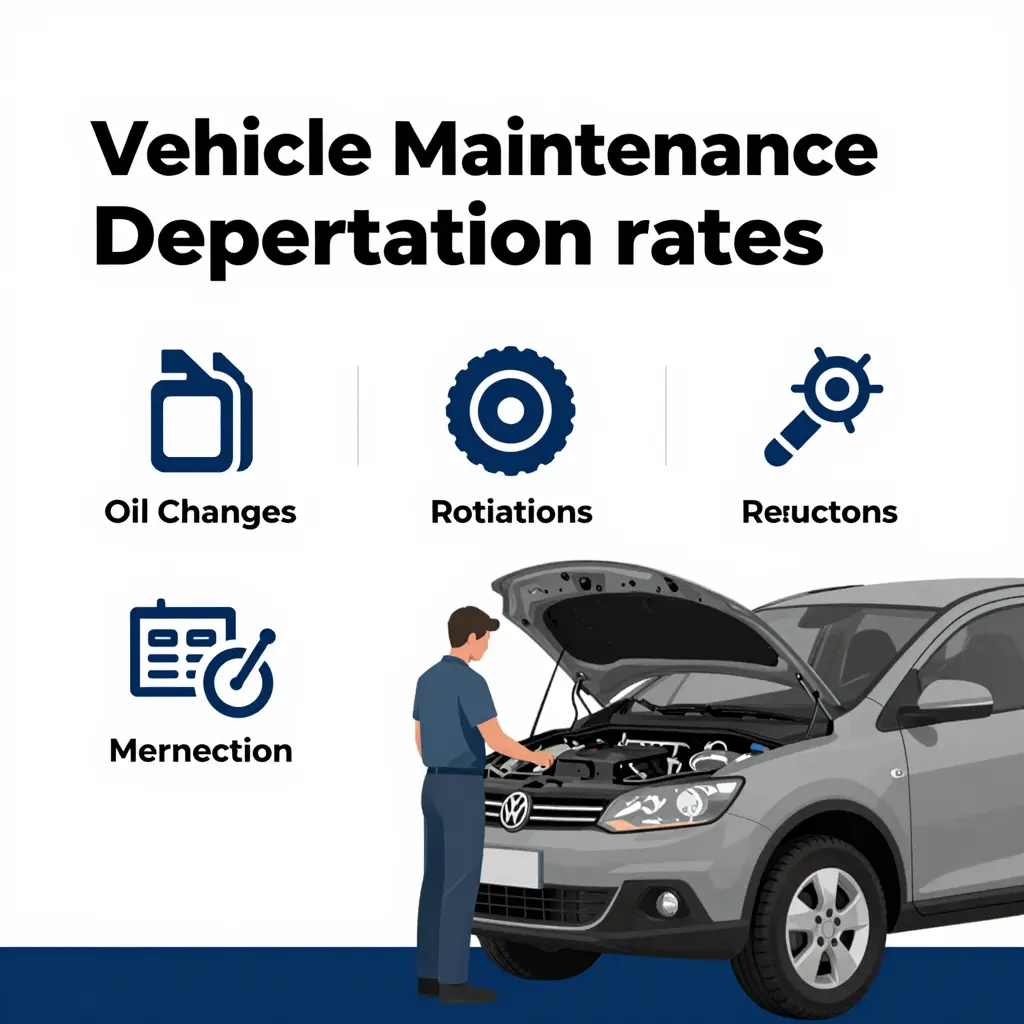
Depreciation is defined as the decrease in value of an asset over time, which can significantly accelerate if a vehicle is not regularly maintained. According to a source from InsuredBetter, well-maintained vehicles depreciate at a slower rate than those that are poorly cared for. Regular maintenance activities like oil changes, tire rotations, and routine inspections contribute not only to the vehicle’s performance but also to its resale value. Well-documented service history can also positively influence potential buyers, adding to the vehicle’s overall worth.
Another article from Billize.ai emphasizes that timely maintenance practices can significantly influence the depreciation rates of commercial vehicles. For instance, keeping up with regular oil changes and promptly addressing any issues can postpone the impacts of wear and tear, thereby extending the vehicle’s lifespan and sustaining its value.
Maintenance Tips for Small Business Fleet Operators
To maximize the value of service vehicles and mitigate depreciation, here are some effective maintenance tips for small business fleet operators:
- Regular Inspections: Schedule routine inspections to catch minor issues before they escalate into costly repairs. Frequent checks help identify potential problems early, keeping the vehicle performing well.
- Maintain Detailed Records: Keeping meticulous records of all maintenance work done can enhance the vehicle’s resale value. Potential buyers appreciate knowing that a vehicle has been properly cared for.
- Follow Manufacturer Guidelines: Each vehicle comes with a maintenance schedule developed by the manufacturer. Adhere to these guidelines for oil changes, tire rotations, and other necessary upkeep to preserve performance and value.
- Use Quality Parts: When repairs or replacements are necessary, always opt for high-quality parts. This can improve the vehicle’s reliability and longevity.
- Stay Educated on Maintenance Practices: Resources like essential vehicle maintenance tips and seasonal maintenance advice can provide valuable insights to keep your fleet in top condition.
By incorporating these strategies, small business fleet operators can effectively manage their vehicle maintenance and positively influence depreciation rates, ultimately leading to improved profitability and reduced operational costs.
Depreciation Rates of Service Vehicles Over 5 Years
Understanding the depreciation of service vehicles is essential for small business fleet operators, private car owners, and used car buyers and sellers. Depreciation can significantly impact the value of service vehicles over time.
Annual Depreciation Overview
- 1st Year: 20% depreciation
- 2nd Year: 15% depreciation
- 3rd Year: 12% depreciation
- 4th Year: 10% depreciation
- 5th Year: 8% depreciation
This gradual reduction demonstrates how a vehicle loses value over time, making it crucial for potential buyers to understand this process. For comprehensive maintenance tips tailored for first-time truck owners, check out our truck maintenance tips.
Visual Representation
Below is a bar chart illustrating the depreciation rates over a 5-year period:
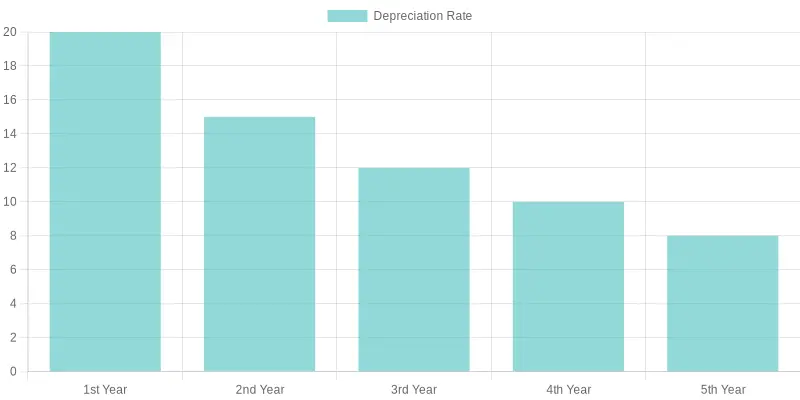
This chart helps visualize how the depreciation rate decreases each year, highlighting the importance of factoring in depreciation when buying or selling vehicles.
For more insights about maintaining your vehicle and extending its lifespan, explore our articles on optimal oil change intervals and other essential topics.
“Depreciation begins the moment a car leaves the dealership. The key to understanding its impact is recognizing the factors like market demand, vehicle type, and buyer perceptions that heavily influence how quickly a car loses value.”
- Expert from Kelley Blue Book
Understanding vehicle depreciation is vital for both private car owners and small business fleet operators. As noted by industry experts, a new car loses a significant percentage of its value within the first year of ownership. This rapid depreciation is not merely an economic fact but a crucial point in making informed financial decisions regarding vehicle purchasing and sales. When buying a vehicle, particularly a service vehicle, acknowledging this loss can lead to better investment strategies. It’s essential to stay informed about market trends and vehicle types that tend to hold their value longer. For those looking to minimize depreciation impact, consider strategies such as timely maintenance or choosing models with stronger resale value. For more tips on proper vehicle maintenance, you can read about truck maintenance tips for first-time owners or explore optimal oil change intervals to keep your vehicle in top shape.
Conclusion
In conclusion, understanding vehicle depreciation is crucial for private car owners and small businesses alike. Vehicles start to lose value the moment they leave the dealership, and this decline can be significant over time. Statistics indicate that depreciation is often the largest operating expense for vehicle owners, especially for those handling luxury or commercial vehicles. By recognizing the factors that contribute to depreciation, such as maintenance and overall vehicle condition, owners can make more informed financial decisions. Regular preventive maintenance and mindful care not only enhance driving performance but also preserve the vehicle’s market value over the years.
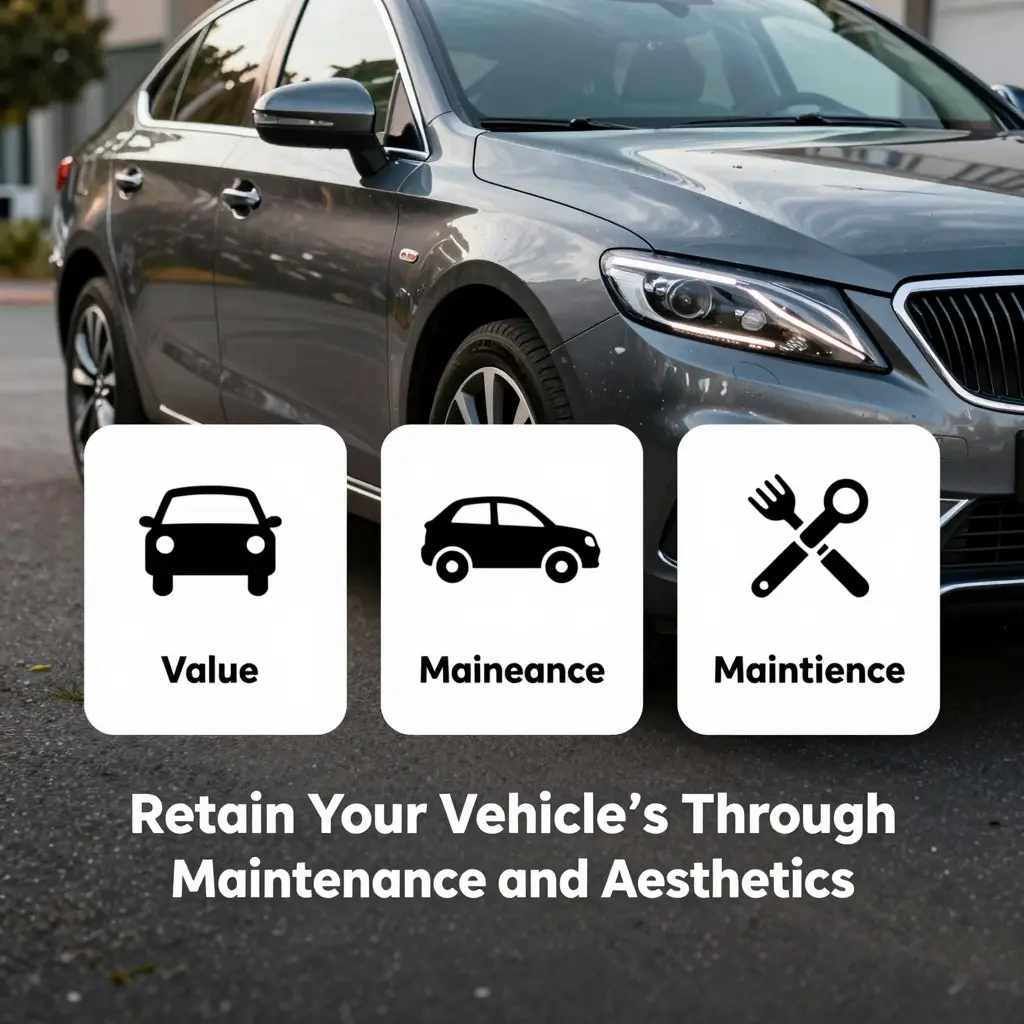
Aesthetic improvements, like regular cleaning, polishing, and protective coatings, can make a significant difference in how much your vehicle retains its value. Vehicles that are well-maintained, both mechanically and visually, tend to appeal more in resale markets, allowing owners to maximize their return on investment when it comes time to sell or trade in.
At this juncture, it’s vital to connect your vehicle’s aesthetics and performance with maintenance strategies that can help retain value. We encourage you to explore the innovative products offered by Summit Fairings. Not only do they enhance the beauty of your vehicle, but they also contribute to its performance and long-term value retention. Don’t overlook the significance of keeping your vehicle in top shape-your investment depends on it!
Best Practices for Minimizing Vehicle Depreciation
Minimizing vehicle depreciation is essential for private car owners and used car buyers looking to retain value in their investments. Here are some effective strategies:
- Regular Maintenance: Adhere to the manufacturer’s recommended maintenance schedule, keeping detailed records to demonstrate your vehicle’s upkeep. Learn more about important maintenance tips here.
- Keep Mileage Low: Drive within moderate ranges to avoid reaching high mileage, which can significantly lower resale value.
- Choose Neutral Colors: Opt for popular car colors, such as black, silver, or white, as these tend to have better resale values, appealing more to potential buyers.
- Avoid Modifications: Steering clear of excessive modifications helps maintain the vehicle’s original value, as buyers often prefer stock vehicles.
- Mindful Usage: Practice gentle driving habits to avoid unnecessary wear and tear, which can impact the car’s condition and value.
- Quality Repairs: If your vehicle needs repairs, ensure quality work is done with original parts to mitigate depreciation resulting from past accidents.
- Document Service History: Maintain detailed records of all services and repairs performed, providing proof of proper maintenance for future buyers.
- Research Before Purchase: Understand the market trends for chosen makes and models to pick vehicles known for reliability and strong resale values.
By following these practices, private car owners and used car buyers can effectively reduce depreciation, preserving their investment over time.
Call to Action
As we conclude our exploration of vehicle upkeep and the importance of personalization, it’s clear that maintaining your motorcycle is not just about functionality-it’s about expressing your unique identity. Investing in high-quality motorcycle fairings enhances your bike’s performance and showcases your style.
At Summit Fairings, we offer premium motorcycle fairings that fit seamlessly with various models, ensuring both aesthetic appeal and durability. Whether you’re looking to upgrade for performance or simply to make your motorcycle stand out, our products are designed to meet your needs without compromising on quality.
Don’t let your motorcycle fade into the background-make a statement and protect your investment at the same time. Explore our range of customizable options to find the perfect fit for your bike. Visit us today to discover how you can enhance your ride and enjoy the freedom of the open road with confidence!
Remember, a well-maintained vehicle not only delivers better performance but also retains its value over time. So, why wait? Experience the difference with Summit Fairings and take the next step in your motorcycle journey today!