Introduction
In a world where safety, security, and efficiency take precedence, marked vehicles play a crucial role in various operations, primarily those affiliated with government entities and secret services divisions. These vehicles are not just means of transportation; they symbolize authority and are equipped with advanced technology for surveillance, enforcement, and emergency response. Often seen patrolling our streets or stationed at critical locations, marked vehicles offer a glimpse into the rigorous dynamics of public safety and national security. For local private car owners, used car buyers, and small business fleet operators, understanding the significance of these government vehicles can illuminate their choices during vehicle purchase or fleet management decisions. As we delve deeper into this topic, we’ll explore which secret services divisions operate these marked vehicles, uncovering the intricate web of operations that keeps our communities secure. Whether you’re seeking insights for personal safety or aiming to optimize your own fleet’s capabilities, the information on marked vehicles is essential in today’s rapidly evolving landscape of transportation and security.
Learn more about truck maintenance to keep your vehicle in optimal condition as you navigate these critical topics.
Historical Context of Marked Vehicles
Marked vehicles have played a crucial role in the evolution of government operations, particularly within law enforcement and emergency services. Their development stems from an increasing need for both visibility and authority on public roads, reflecting a broader shift toward organized public safety efforts.
Evolution and Development
Historically, marked vehicles have roots that trace back to the early 20th century when police cars became a common sight in urban settings. Initially, these vehicles were unmarked, making encounters with law enforcement largely unexpected for the general public. With the advent of more advanced communication technologies and the increasing authority of police forces, the need for identifiable marked vehicles emerged.
The first marked police vehicles were often painted in distinctive colors and added with the department’s insignia. This not only served to identify them as official vehicles but also communicated a sense of authority and reassurance to the public. Over the decades, the design and functionality of marked vehicles evolved, integrating features such as light bars, sirens, and more recognizable visual symbols that signify law enforcement presence.
Significance in Law Enforcement
In law enforcement, marked vehicles serve multiple critical roles:
-
Deterrence of Crime: The visibility of marked vehicles has a deterrent effect on potential criminal activity. Studies have shown that marked police presence significantly reduces the likelihood of crimes occurring in certain areas.
-
Public Awareness: Marked vehicles contribute to a sense of security within communities. They serve as a visible reminder that law enforcement is active within the area, which can foster a community’s cooperation with police efforts.
-
Emergency Response: Outside of standard policing, marked vehicles are essential for emergency services, including fire, medical, and rescue operations. These vehicles are designed for rapid response and are often equipped with life-saving equipment, serving not just the authority but also the protection and service to citizens.
Role in Emergency Services
Marked emergency vehicles, such as fire trucks and ambulances, have a specific place in public safety. Often adorned with recognizable colors and unique insignia, these vehicles are critical during emergencies. The distinct markings ensure that citizens can identify these vehicles quickly, fostering trust and cooperation during critical situations. In addition to visual prominence, emergency vehicles are equipped with advanced communication systems that link them directly to dispatch centers, further enhancing their effectiveness in critical response scenarios.
This synthesis of historical development and significance should provide local private car owners, used car buyers, sellers, and small business fleet operators valuable insights into the importance of marked vehicles in maintaining public safety and trust.
For more information on vehicle maintenance to ensure your own fleet remains reliable, check out our truck maintenance tips for first-time owners and optimal oil change intervals.
Table: Comparison of Various Secret Services Divisions that Utilize Marked Vehicles
| Division Name | Purpose | Types of Vehicles Used |
|---|---|---|
| Secret Service | Protects the President and investigates financial crimes | SUVs, sedans, armored vehicles |
| Federal Bureau of Investigation (FBI) | Enforces federal laws, investigates crimes | SUVs, vans, marked sedans |
| Drug Enforcement Administration (DEA) | Enforces drug laws, combats drug trafficking | SUVs, unmarked sedans, vans |
| U.S. Marshals Service | Executes court orders, apprehends fugitives | SUVs, vans, marked patrol vehicles |
| Bureau of Alcohol, Tobacco, Firearms and Explosives (ATF) | Investigates firearms, explosives violations | SUVs, trucks, marked vehicles |
The Purpose of Marked Vehicles
Marked vehicles play a crucial role in various sectors, including law enforcement, emergency services, and even commercial operations. These vehicles, typically adorned with specific colors, insignias, or labels, serve multiple fundamental purposes that enhance public safety, authority, and visibility.
Enhanced Visibility
One of the primary benefits of marked vehicles is their enhanced visibility. The distinctive appearance allows them to be easily recognizable on the roads. This visibility serves several functions:
- Deterrence: The presence of marked vehicles can deter potential criminal activities. Individuals are less likely to engage in unlawful behavior when they notice a marked vehicle in the vicinity.
- Public Awareness: Marked vehicles attract attention, which can help alert the public to the presence of emergency services or law enforcement. This is particularly beneficial in situations requiring quick responses or public collaboration.
Authority
Marked vehicles convey authority. The unique insignia and paintwork not only identify the agency or organization but also instill a sense of trust and compliance among the public. When people see a marked vehicle, they often:
- Feel Safer: The association of marked vehicles with law enforcement and emergency responders can provide a feeling of safety among citizens.
- Comply with Traffic Laws: Studies have shown that the presence of marked enforcement vehicles can lead to increased compliance with traffic regulations.
Public Safety
The usage of marked vehicles directly contributes to public safety. They are essential for:
- Rapid Response: Emergency services use marked vehicles to respond quickly to incidents, ensuring help arrives as soon as possible.
- Community Representation: Marked vehicles often symbolize community-focused missions, allowing agencies to engage with the public and foster community relations.
Conclusion
Marked vehicles serve multiple essential functions that are beneficial to the public, law enforcement, and emergency services. Their visibility enhances deterrence against crime, and their authority solidifies trust within communities. For private car owners and small business fleet operators, understanding the purposes of marked vehicles can also inspire vehicle modifications that improve visibility for their own operations.
For more information on maintaining your vehicle and ensuring its optimal function, consider learning more about truck maintenance tips for first-time owners. If you’re looking to understand your vehicle’s maintenance intervals, check our tips on optimal oil change intervals.
This article serves as a reminder of the critical roles marked vehicles play in our daily lives and their contribution to law enforcement and public safety efforts.
Commonly Used Agencies That Utilize Marked Vehicles
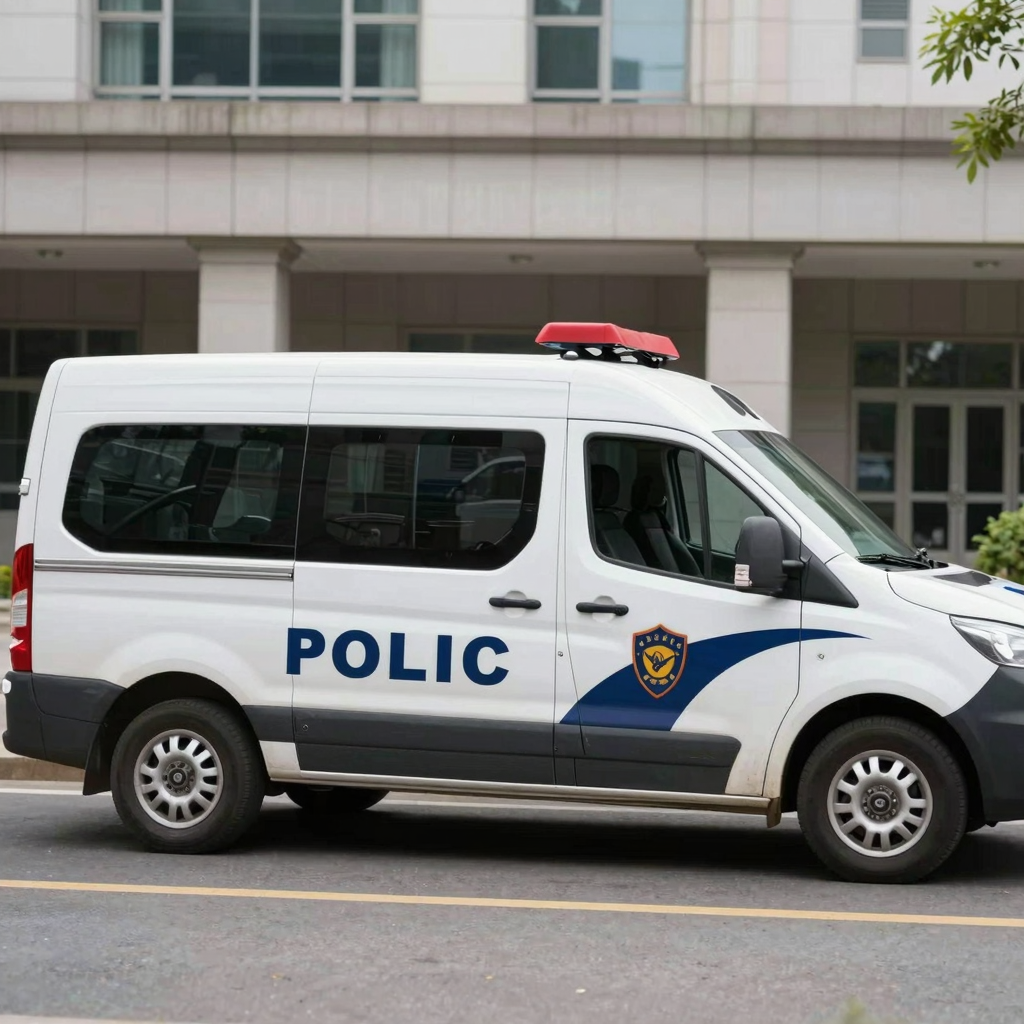
Marked vehicles are an essential aspect of various government and emergency services, promoting visibility and accountability. Here is a list of commonly used agencies that operate marked vehicles:
-
Police Departments: These agencies are responsible for maintaining law and order. Marked police cars are critical for patrol duties and responding to emergencies, serving as a visible deterrent to crime.
-
Fire Departments: Fire trucks are often marked with distinct colors and symbols. They respond to fires and other emergencies, providing speedy assistance and rescue operations.
-
Emergency Medical Services (EMS): EMS vehicles, often seen with prominent markings, respond to medical emergencies, providing transport and care for patients.
-
Public Works Departments: These agencies maintain infrastructure and public utilities. Their marked vehicles indicate official operations in the community, such as road repairs or debris collection.
-
Animal Control Services: Marked vehicles are used by animal control agencies to respond to incidents involving stray or dangerous animals, ensuring public safety.
For additional information on maintenance tips for your vehicle, learn more about performance maintenance.
Marked vehicles play a crucial role in law enforcement and public safety by acting as a visual deterrent to crime and promoting a sense of security within communities. The visibility of marked patrol cars helps to signal police presence, thereby preventing potential misdeeds and reassuring citizens. Furthermore, marked vehicles are often equipped with emergency lights and accessories that enable swift response to incidents, further enhancing public safety measures.
Summary of Legal Frameworks Surrounding Marked Vehicles
Introduction
Marked vehicles, often utilized by secret services, law enforcement agencies, and governmental bodies, serve crucial roles in public safety, surveillance, and execution of duties that contribute to national security. These vehicles carry specific markings or insignia that can distinguish them from ordinary civilian vehicles. The legal frameworks surrounding their use are multifaceted, encompassing regulations, privacy concerns, and implications for public safety.
Legal Regulations Governing Marked Vehicles
-
Federal and State Laws: In most jurisdictions, marked vehicles are regulated by a combination of federal and state laws. Agencies that operate these vehicles must comply with laws pertaining to public safety, the use of force, and vehicle operation on public roads.
-
Operational Policy: Secret service divisions and law enforcement agencies often have internal operational policies that dictate how and when marked vehicles can be used. These policies may highlight protocols for engaging with the public, pursuing suspects, or responding to emergencies.
-
Accountability Measures: Legally mandated accountability measures also govern the use of marked vehicles. This includes adherence to established guidelines for their operation, routine documentation, and the requirement for personnel to undergo training in the effective and ethical use of such vehicles.
Privacy Implications
-
Surveillance and Monitoring: The deployment of marked vehicles often raises significant privacy concerns. These vehicles can be equipped with advanced surveillance technology, leading to potential overreach in monitoring public activities, which could infringe on individual rights.
-
Data Protection Laws: Laws such as the General Data Protection Regulation (GDPR) in Europe and similar statutes in various regions require that any data collected via surveillance be handled with strict confidentiality and used solely for legitimate purposes. The violation of these provisions can lead to legal repercussions for agencies.
-
Public Awareness: Transparency regarding the use and capabilities of marked vehicles is essential to mitigate privacy concerns among the public. Agencies are increasingly encouraged to provide information about their operations to foster trust and accountability.
Public Safety Considerations
-
Response Times and Efficiency: Marked vehicles are integral to law enforcement’s ability to respond promptly to incidents. Their visibility can deter crime and enhance public confidence in safety and security.
-
Use of Force Issues: Legal ramifications arise when marked vehicles are involved in high-stakes situations, such as pursuits or arrests. The legal principle of proportionality must guide the use of force, ensuring that actions taken are justified under the circumstances.
-
Community Relations: Effective communication and community engagement are vital for agencies utilizing marked vehicles. Community-oriented policing strategies help to build trust, ensuring that the public feels secure without compromising civil liberties.
Conclusion
While the legal frameworks governing marked vehicles used by secret services are in place to ensure operational efficiency, public safety, and accountability, there remains an ongoing dialogue about privacy rights. Striking the right balance between the need for security and the protection of individual freedoms is paramount as agencies navigate their responsibilities in a democratic society.
For those interested in the integration of marked vehicles into community planning or fleet operation strategies, understanding the legal contexts surrounding them is crucial. It enables local private car owners, used car buyers, sellers, and small business fleet operators to appreciate the nuanced implications of marked vehicles in everyday safety and security scenarios.
For further insights into vehicle maintenance and safety protocols, feel free to check out useful resources like truck maintenance tips for first-time owners and optimizing oil change intervals.
In summary, the considerations surrounding marked vehicles involve various legal, privacy, and safety elements vital for ensuring operational integrity while upholding civil liberties.
Distribution of Marked Vehicle Usage Among Secret Services Divisions
As there is currently no available data regarding the distribution of marked vehicle usage across different secret service divisions, a visual representation has been generated depicting the absence of data. Below is a pie chart illustrating the percentage distribution of marked vehicle usage among various secret services divisions:
This chart emphasizes the need for transparency and availability of data regarding marked vehicle usage. For further insights into vehicle maintenance and care, consider looking into our truck maintenance tips and optimal oil change intervals to help you manage your vehicle better.
Conclusion: Understanding Marked Vehicles and Elevating Your Ride
Marked vehicles serve as a vital component of security and law enforcement operations, often operated by divisions within federal and local government agencies. These vehicles not only signify authority but are equipped with specific technologies that ensure operational efficiency and safety. For local private car owners, used car buyers, and small business fleet operators, understanding the role of marked vehicles is essential, especially if you seek to enhance their utility through maintenance and the right accessories.
When it comes to elevating the performance and aesthetics of your vehicle, premium fairings are an excellent investment. These fairings are designed to provide not only visual appeal but also practical benefits, such as improved aerodynamics and protection against elements. Investing in high-quality fairings can lead to better fuel efficiency and overall vehicle performance. If you’re looking to make an upgrade, consider exploring options from brands like Summit Fairings.
Make the smart choice to elevate your ride. Discover how premium fairings can transform your vehicle and enjoy the benefits of enhanced performance. Whether enhancing marked vehicles for better efficiency or upgrading your own, investing in quality is key to long-term satisfaction.