Introduction
Financial planning is an essential aspect of responsible vehicle ownership, especially for first-time truck owners who may encounter unforeseen expenses. Recent statistics show that owner-operators spend an average of $18,900 annually on maintenance, and insurance premiums have surged approximately 43.7% over the past five years, now averaging 10.2 cents per mile in 2024.
Owning a truck is not just about the initial purchase; it involves a comprehensive understanding of ongoing costs that can significantly impact one’s budget. New owners face unique challenges, including the higher expenses related to maintenance, insurance, and fuel economy, often leading to financial strain if not properly managed.
Essential components such as tire replacements, registration fees, and maintenance schedules can add up quickly, demanding careful planning and a well-structured budget. By approaching truck ownership with a strategic financial mindset, first-time owners can mitigate risks and enjoy the privileges that come with owning a larger vehicle, rather than feeling overwhelmed by the financial responsibilities.
Proper budgeting enables new truck owners to prepare for routine maintenance and unexpected repairs, ensuring that they maintain their vehicle’s performance without compromising their financial stability. In this article, we will explore effective financial planning strategies to help first-time truck owners thrive in their new journey while maintaining long-term vehicle upkeep.
Routine Maintenance Costs
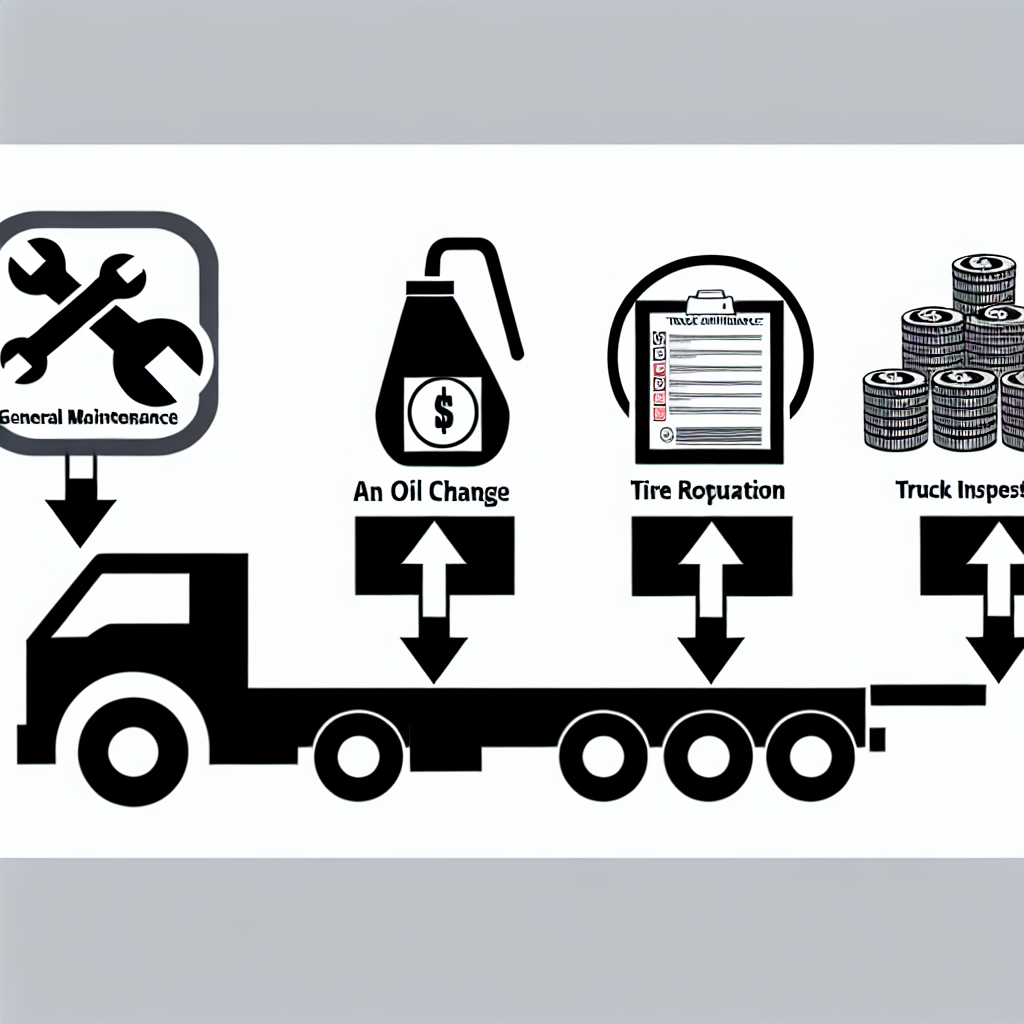
Maintaining small to medium trucks in the USA involves regular services such as oil changes, tire rotations, and inspections. Understanding the associated costs and the financial implications of neglecting maintenance is crucial for effective budgeting and vehicle longevity.
Average Costs for Routine Maintenance:
- Oil Changes: The cost varies based on the type of oil used and the service provider.
- Conventional oil changes typically range from $40 to $100 per service.
- Synthetic oil changes can cost between $100 and $600, depending on the vehicle and service location. Source
- Tire Rotations: Regular tire rotations help ensure even tire wear and extend tire life.
- The average cost for a tire rotation is between $20 and $50. Source
- Routine Inspections: Comprehensive vehicle inspections are essential for identifying potential issues early.
- Annual inspection costs typically range from $200 to $400. Source
Unplanned Maintenance Costs:
Unexpected repairs can significantly impact maintenance budgets. For medium-duty trucks, unplanned maintenance expenses can account for 10-20% of total repair costs, translating to approximately $500 to $3,000 annually. Source
Financial Impact of Neglecting Maintenance:
Failing to perform regular maintenance can lead to severe mechanical failures and substantial financial consequences.
- Engine Repairs: Neglecting routine oil changes can result in engine damage, with repair costs ranging from $2,500 to $6,000. Source
- Brake System Failures: Ignoring brake maintenance can lead to system failures, costing between $1,000 and $3,000 per axle to repair. Source
- Tire Blowouts: Failing to rotate and inspect tires can cause blowouts, with replacement costs of $100 to $250 per tire, excluding potential damages from accidents. Source
In summary, regular maintenance for small to medium trucks involves manageable costs for services like oil changes, tire rotations, and inspections. However, neglecting these routine tasks can lead to unplanned repairs and significantly higher expenses, emphasizing the importance of a proactive maintenance schedule.
Budgeting for Insurance and Registration
Affordability is a significant concern for truck owners, particularly regarding insurance and registration costs. Effective budgeting for these inevitable expenses can lead to lower monthly costs and relieve financial pressures, especially when accounting for potential truck maintenance costs.
Benefits of Affordable Insurance
One of the most substantial recurring expenses for truck owners is insurance. Rising premiums can severely impact monthly budgets, but finding affordable insurance can help alleviate some of the financial burden. Over the past few years, truck insurance premiums have seen notable increases, with a surge of approximately 43.7% observed in recent years. In 2024, the average premium amounted to 10.2 cents per mile, reflecting a 3% year-over-year increase. The factors contributing to this rise include more frequent and larger jury awards in certain cases, leading to higher loss costs for insurers. Understanding these trends can help truck owners negotiate better rates or choose coverage that aligns with their risk profile, specifically focusing on insurance for truck owners.
Comparison Shopping:
- Shopping around for insurance can uncover lower premiums. Ensure you maintain sufficient coverage while exploring options to minimize costs, especially when considering truck maintenance costs that can arise from accidents.
- Consider working with insurance brokers who specialize in commercial vehicle insurance, as they often have access to multiple providers and can help you find the best rates.
Safety Programs and Telematics:
- Investing in driver safety programs and using telematics to monitor driving behavior can enhance safety records, which may, in turn, lead to discounts on insurance premiums.
- A comprehensive safety program influences underwriting decisions and can lead to long-term savings.
Understanding Registration Fees
Another critical aspect that truck owners must consider in budgeting is registration fees. These fees vary by state and can be affected by factors such as the size and weight of the truck. For example, in Texas, annual registration for a truck with a gross vehicle weight between 10,001 and 18,000 lbs costs $110. Additionally, the Federal Motor Carrier Safety Administration (FMCSA) has approved a 25% increase in Unified Carrier Registration (UCR) fees for the 2025 registration year. This increase means that small entities will see fees rise from $37 to $46, necessitating careful planning to accommodate such changes, especially when planning your emergency repair fund.
Tips for Budgeting for Insurance and Registration
Below are some strategies to effectively budget for these recurring costs:
- Identify and Categorize Expenses
- Accumulate a detailed list of all potential insurance needs (e.g., liability, cargo) and registration fees, keeping in mind that insurance for owner-operators can range from $1,200 to $1,800 per month per truck.
- Calculate Annual Costs
- Add together all insurance and registration costs to determine your total annual expenditures.
- Set Monthly Savings Goals
- To manage these costs comfortably, divide your total annual costs by 12 and create a monthly savings goal. For instance, if annual costs equal $19,320, you should aim to save about $1,610 each month.
- Create a Dedicated Savings Account
- Consider establishing a separate savings account for these expenses, known as a sinking fund, to ensure the funds are readily available when needed.
- Automate Your Savings
- Use scheduled transfers to automate this saving process, making it a habitual part of your monthly financial routine.
- Regularly Review and Adjust
- Conduct annual assessments of your insurance and registrations to adjust your monthly savings plan for any changes in costs.
By adhering to these budgeting strategies and considering both insurance and registration alongside costs related to truck maintenance and the potential need for an emergency repair fund, truck owners can effectively manage their finances and safeguard against unexpected financial burdens.
Comparison of Insurance Options for Truck Owners
Below is a comparative table highlighting different insurance options available to truck owners, emphasizing costs, coverage types, and additional benefits:
| Insurance Provider | Monthly Cost | Coverage Type | Additional Benefits |
|---|---|---|---|
| Provider A | $150 | Liability, Collision, Comprehensive | Roadside assistance, rental reimbursement |
| Provider B | $120 | Liability, Cargo | Discounts for safe driving, flexible payment options |
| Provider C | $180 | Liability, Collision | Coverage for personal injury, free annual vehicle inspections |
| Provider D | $200 | Liability, Comprehensive | 24/7 claims support, specialized truck financing options |
This table provides a quick reference for new truck owners to evaluate which insurance option best suits their needs and budget. By understanding the differences in coverage and additional benefits, owners can make more informed choices that can help in managing their overall financial responsibilities while ensuring adequate protection for their vehicles.
Emergency Repair Fund
Having an emergency repair fund is essential for truck owners, particularly in light of the high costs associated with unexpected repairs. Statistics show that in 2024, unplanned truck downtime cost fleets an average of $760 per vehicle per day, and the trucking industry loses over $74 billion annually due to maintenance-related breakdowns. This underscores the importance of budgeting for potential mechanical failures.
Cost of Repairs
Common truck repairs can be quite costly:
- Transmission Repairs: Average about $4,000.
- Engine Overhauls: Range from $3,000 to $10,000.
- Electrical System Issues: Typically cost between $1,000 to $2,500.
When maintenance is neglected, the financial implications can become daunting. Emergency repairs can cost anywhere from $500 to $3,000 per incident, with unplanned repairs being 3 to 9 times more expensive than scheduled maintenance. Thus, setting aside a dedicated fund for emergencies is crucial. Allocating 10-15% of the annual maintenance budget towards such emergencies can safeguard truck owners from the financial strain that comes with unforeseen repairs.
Budgeting Tips
To effectively manage repair costs, consider the following tips:
- Allocate a Percentage of Revenue: Set aside 5-10% of your annual income for repairs and maintenance to ensure funds are available for unexpected expenses.
- Prioritize Preventive Maintenance: Regular upkeep can reduce annual maintenance costs by 12-18%. Prioritizing scheduled services over reactive repairs can save significantly in the long run.
- Build Relationships with Trusted Service Providers: Establish connections with reliable repair shops for potential discounts, priority service, or flexible payment options.
- Explore Financing Options: Consider acquiring a low-interest business line of credit specifically for repairs, or invest in breakdown coverage to manage large expenses without straining finances.
- Track Expenses and Adjust Your Budget: Regularly review repair costs and adjust your savings rate to align with actual expenses.
By adopting these strategies, truck owners can not only manage their finances effectively but also ensure that their operations remain smooth in the face of unexpected repair needs.

Conclusion
Embarking on the journey of truck ownership is an exhilarating experience, but it is one that demands careful financial planning to navigate its complexities. From understanding ongoing maintenance and repair costs to managing insurance and registration fees, successful truck ownership hinges on a comprehensive strategy that prioritizes budgeting and preparedness. As stated, “For new owners, the difference between enjoying the benefits of a truck and feeling overwhelmed often comes down to planning.” This sentiment highlights the reality that effective preparation can help mitigate financial pressures associated with truck ownership.
Establishing an emergency repair fund, budgeting for routine expenses, and actively seeking affordable insurance options are crucial steps in achieving financial stability. By setting aside a specific percentage of annual income for unexpected repairs, truck owners protect themselves against potential financial strains caused by unforeseen breakdowns. Furthermore, as stressed in earlier sections, “Managing finances as a first-time truck owner comes down to preparation and smart planning.”
In conclusion, the path to successful truck ownership is paved with foresight and informed decision-making. By embracing a proactive approach to financial planning, first-time truck owners can enjoy their vehicles while safeguarding their financial futures against unexpected challenges. This not only ensures optimal vehicle performance but also empowers truck owners to fully enjoy the benefits of their investment without the fear of overwhelming costs.
Tire Replacement Costs
Replacing truck tires is a significant expense influenced by various factors, including tire size, durability, seasonal requirements, and additional services.
Average Costs:
- Standard Truck Tires: The cost of replacing a single truck tire typically ranges from $150 to $400, depending on the tire’s size and quality. Source
- Commercial Truck Tires: For commercial vehicles, new tires can cost between $300 and $1,000 each, with a full set ranging from $1,200 to $4,000 or more. Source
Factors Influencing Costs:
- Tire Size: Larger tires, such as those with 22.5-inch rims, are generally more expensive than smaller ones due to the increased material required. Source
- Durability and Quality: Premium tires designed for high mileage and durability can cost between $450 and $900 each, while mid-range options may be priced around $300 to $500. Source
- Seasonal Considerations: Specialized tires, such as winter or all-terrain models, often come at a higher price point due to their enhanced performance features. Source
- Additional Services: Installation services, including mounting and balancing, can add approximately $15 to $45 per tire. Source and disposal fees may range from $10 to $25 per tire. Source
By addressing these various factors, truck owners can effectively budget for the costs associated with tire replacement, ensuring their vehicles maintain optimal performance throughout the year.

Integrating Anecdotes and Examples
Understanding the emotional and financial realities of truck ownership through real-life anecdotes can greatly enhance the narrative for new truck owners. Here are some compelling stories and examples:
Routine Maintenance Insights:
Grant Davis, a first-time truck owner, recalls driving his new lift kit truck without paying careful attention to routine maintenance. “I was caught up in the excitement of owning a truck, and I neglected the first oil change. When my engine started making strange noises, I panicked. It cost me almost $3,000 to repair what could have been easily fixed for $50!” Grant learned the hard way that keeping up with routine maintenance is not just about the cost but about preventing bigger issues down the road.
Challenges with Insurance Costs:
Another truck owner, Sarah, shared her experience about budgeting for insurance. “I never expected my insurance to be so high. I ended up shelling out over $6,000 annually! I thought I could save by skipping certain coverage types, but with one accidental mishap, the saving cost me more in the long run! Now, I shop around every year and I have set up a fund to cover my insurance payments. It takes the stress away and allows me to enjoy my truck more!”
The Importance of an Emergency Fund:
Mike, a seasoned trucker, explained the necessity of an emergency repair fund. “Last year, while on a long haul, my truck broke down. The repair bill was over $2,500, and because I didn’t have a fund set aside, I was forced to take a loan. It took me months to pay it back! Now, I keep a dedicated fund for repairs, and it gives me peace of mind. I recommend every truck owner do the same. They will thank themselves later.”
These anecdotes underline the essential lessons for first-time truck owners. Managing finances effectively means being prepared for both expected and unexpected costs. They highlight that the difference between enjoying truck ownership and being overwhelmed by it lies in proactive planning, budgeting, and learning from the experiences of others.