In the realm of vehicle maintenance, one critical yet often overlooked aspect is the proper application of wheel torque specifications. These specifications dictate the tightness with which lug nuts must be fastened to the wheels, ensuring not only optimal wheel performance but also the safety of the vehicle and its occupants. Neglecting these specifications can lead to disastrous consequences, such as wheels loosening while driving, which could result in severe accidents or costly damage to your vehicle. Many drivers underestimate the importance of adhering to the correct torque values, assuming ‘tight enough’ will suffice. However, as they say, that’s no longer good enough.
Understanding and applying the right wheel torque specifications can mean the difference between a safe journey home and an exhilarating ride that ends unexpectedly with your wheel rolling away down the highway. Thus, it is crucial for every car owner to grasp the significance of these specifications, and to consult accurate resources for ensuring that their wheels are fastened correctly.
What Are Wheel Torque Specifications?
Wheel torque specifications refer to the precise measurements that dictate how tightly lug nuts must be tightened to secure the wheels to the vehicle. These specifications are commonly measured in pound-feet (lb-ft) and are critical for ensuring the safety and performance of your vehicle. When lug nuts are not torqued to the correct specification, it can lead to severe issues such as wheel loosening while driving, resulting in potentially disastrous accidents.
Why Do Wheel Torque Specifications Matter?
Properly torqued lug nuts ensure that wheels stay securely attached and properly aligned. Each vehicle manufacturer specifies the correct torque for their models, and these often vary based on the type of wheels being used—especially when considering aftermarket or custom wheels made of materials like aluminum alloys or carbon-fiber composites.
The Role of Calibrated Torque Wrenches
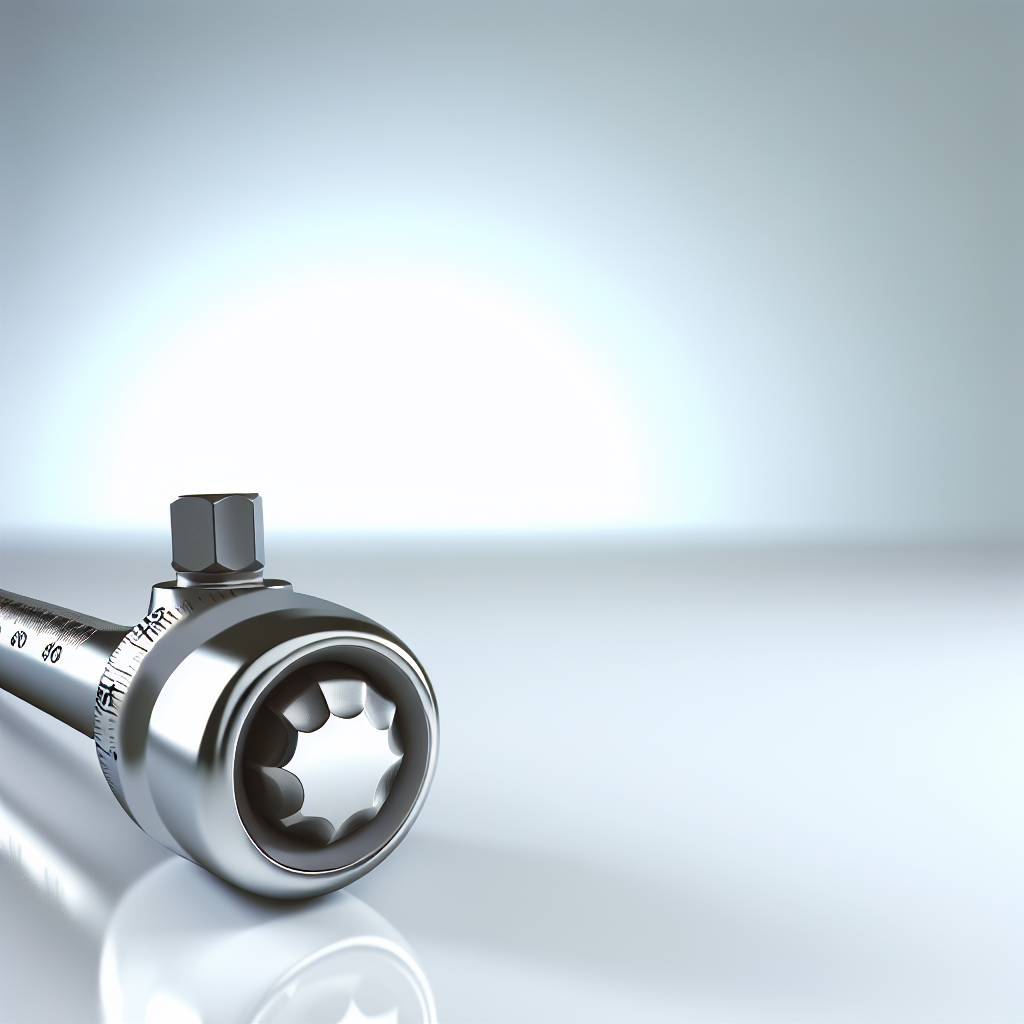
To achieve the necessary precision, a calibrated torque wrench is essential. These tools allow for an accurate measurement of torque applied to the lug nuts, reducing the risk of both under-torquing and over-torquing. Under-torqued lug nuts may loosen, while over-torqued lug nuts can lead to damaged wheel studs and expensive repairs.
Best Practices
It is best practice to consult the OEM specifications found in the vehicle’s factory service manual or recommended torque charts. This approach not only helps in maintaining the integrity of the vehicle but also enhances the overall safety of the driver and passengers.
In summary, understanding wheel torque specifications is a crucial element of vehicle maintenance that should not be overlooked. Proper application ensures optimal performance and safety during driving, making it essential for every car owner to be aware of and adhere to these important specifications.
Key Factors Affecting Torque Values
- Material of Wheel: Different materials like aluminum alloys and carbon-fiber composites have unique torque specifications.
- Wheel Design: Aftermarket wheels may vary in design, requiring specific torque adjustments.
- Environmental Conditions: Factors such as temperature and humidity can affect threading and fit.
- Lug Nut Condition: Worn or damaged lug nuts may not hold torque as effectively as new ones.
- Initial Tightening Technique: The method employed during the initial tightening can impact torque stability.
- Re-Torquing Practices: Regular re-torquing after driving can help maintain proper tightness.
| Criteria | OEM Sources | Aftermarket Sources |
|---|---|---|
| Accuracy | Highly accurate, factory specified | Varies, may not meet OEM standards |
| Availability | Usually documented in manuals or online | Often relies on community sources |
| Usage Frequency | Frequently referenced by technicians | Infrequently used, less reliable |
Consequences of Incorrect Wheel Torquing
The practice of wheel torquing might seem straightforward, yet the repercussions of neglecting this critical aspect of vehicle maintenance can be severe and heart-stopping. Improperly torqued lug nuts can lead to a range of potential hazards that pose risks not only to vehicle performance but, more devastatingly, to the safety of everyone on the road, including you and your loved ones.
Imagine, for a moment, the terrifying thought of lug nuts loosening while you are driving down the highway. In the blink of an eye, a simple oversight can spiral into a catastrophic event, with wheels unexpectedly detaching from your vehicle. As previously noted, this scenario can lead to accidents that reverberate through lives, leaving a trail of destruction and grief in their wake. The consequences might extend far beyond mere physical damage; they can result in injuries, emotional trauma, and untold financial burdens that follow you long after the incident.
Additionally, over-torquing can yield significant damage not just to the lug nuts and wheel studs but also to your budget, as repairs from these issues often stack up quickly. The stress and uncertainty accompanying these maintenance failures are palpable and can shake the confidence of any driver.
When considering the varied wheel materials, especially aluminum alloys and carbon-fiber composites, the stakes become even higher. Each material comes with its specific torque requirements, and neglecting these guidelines can lead to wheel misalignment, premature wear, and even more severe mechanical failures. The takeaway is crystal clear: properly adhering to torque specifications isn’t just a recommendation—it’s an absolute necessity that can safeguard lives and livelihoods alike.
Understanding these risks should not just be an academic exercise; it should serve as a call to action for every vehicle owner to ensure their vehicles are maintained with utmost care and precision. Because, ultimately, the stakes are too high, and safety can never be compromised.
Recent Statistics on Lug Nut Maintenance
Lug nut maintenance is an essential yet often overlooked aspect of vehicle safety. Both new tire installations and wheel service require that lug nuts be re-checked and properly torqued after 50 to 100 miles of driving. This interval is critical because several factors can cause lug nuts to loosen, including thermal cycling, vibration, and the seating of components during initial use.
According to Tire Rack, re-torquing after 50-100 miles is recommended due to the fact that many vehicles experience measurable torque loss within this distance. They caution that failure to perform this maintenance is one of the primary reasons for wheels detaching while driving. Indeed, NHTSA has reported over 900 instances of wheel separation incidents attributed to improper re-torquing between 2018 and 2022.
Major tire retailers, like Discount Tire, support these practices, emphasizing the importance of free re-torquing services within the first 50 miles post tire installation. Ford, along with other leading automotive manufacturers, also reinforces the necessity of checking lug nut torque after 50 to 100 miles to ensure safety and drive reliability.
In conclusion, it is evident from industry-wide recommendations and documented incidents that regularly checking and maintaining the torque of lug nuts after driving intervals of 50 to 100 miles is not just a good practice, but a crucial step in ensuring both driver and passenger safety. This simple maintenance task can help prevent potentially dangerous incidents on the road, making it essential for all vehicle owners to take this advice seriously.
Techniques for Applying Correct Torque Using a Torque Wrench
Applying the correct torque with a torque wrench is essential in automotive maintenance to ensure safety and optimal vehicle performance. Follow these step-by-step techniques to master the use of a torque wrench:
-
Verify Calibration
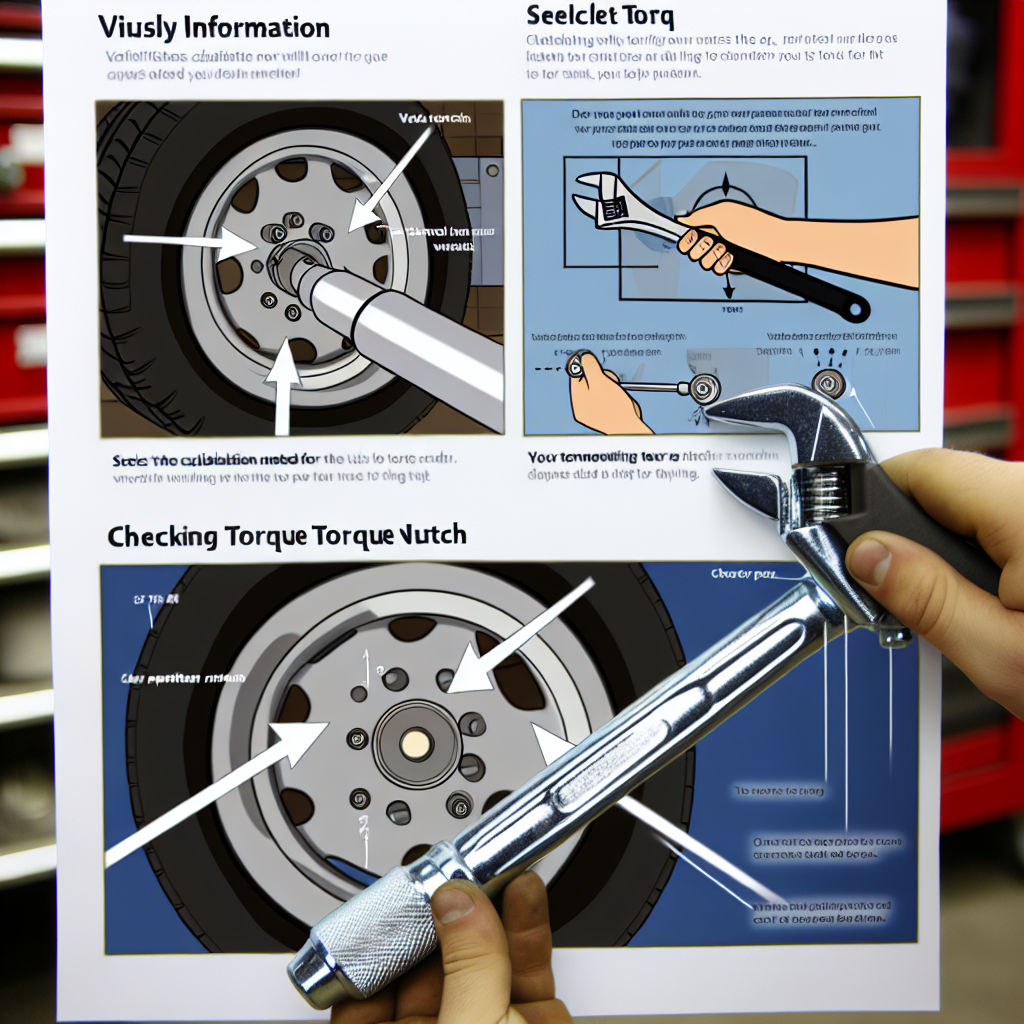
Before using your torque wrench, check its calibration. Most manufacturers recommend calibrating torque wrenches every 5,000 to 10,000 uses or at least once a year. Use a calibration certificate to confirm accuracy. Over time, torque wrenches can lose their precision due to overuse or mishandling.
-
Select the Appropriate Torque Wrench
Choose a torque wrench suitable for your project. Click-type wrenches are popular for their audible signal when the desired torque is reached, while beam-type wrenches provide visual measurements. Make sure to select the correct socket size according to the lug nut type you’re working with.
-
Set the Specified Torque
Refer to the vehicle’s factory service manual or torque charts for the proper torque specification. Input the correct value on your torque wrench by turning the handle for click-type or adjusting the scale for beam-type wrenches. Ensure this value matches the specifications provided for your make and model.
-
Prepare the Fastener
Clean the threads and mating surface of the fasteners. If relevant, apply a light lubrication to the threads to achieve accurate torque values, unless dry torque is specified. Hand-tighten the lug nut before using the torque wrench.
-
Position and Use the Torque Wrench
Position yourself comfortably to pull the wrench in a smooth, steady motion. Make sure to pull perpendicular to the wrench handle and grip it near the center to minimize the risk of over-torquing. Apply consistent force until you hear a click, which indicates that the specified torque has been reached.
-
Follow a Star Pattern
When tightening lug nuts, always use a star pattern rather than a circular pattern. This ensures even pressure across the wheel, which is crucial for maintaining alignment and preventing damage.
-
Re-Torque After Driving
After driving your vehicle for 50 to 100 miles, it’s advisable to re-check the torque on your lug nuts. The initial application can settle during driving, affecting the torque applied.
By adhering to these techniques and regularly consulting your factory service manual, you can ensure that your vehicle maintenance practices are both reliable and safe, preventing mechanical failures and enhancing the longevity of your wheels.
Essential Tools for Proper Wheel Torquing
When it comes to effectively torquing wheels, having the right tools is paramount for ensuring not only the performance of your vehicle but also the safety of its occupants. Here are some essential tools that every driver should consider for proper wheel torquing:
Torque Wrench
A torque wrench is the gold-standard tool for achieving accurate torque on lug nuts. It is essential for applying the precise amount of force needed to secure the wheels without under-torquing or over-torquing. Many manufacturers recommend using a calibrated torque wrench for final tightening, as it ensures up to ±5% accuracy. Relying solely on impact wrenches for this purpose can lead to severe consequences, including overstretching wheel studs or causing misalignment.
Electric Torque Gun
While an electric torque gun can be handy for quick removal and installation of lug nuts, it is crucial to use one equipped with a torque-limiting feature or ‘torque stick’ when applicable. These modern tools can provide a fast and efficient way to initially tighten lug nuts, but they must be followed by a manual torque wrench to achieve the specified torque values. Electric torque guns with active control features, such as those from Milwaukee or Ingersoll Rand, are gaining popularity in professional settings due to their capability to be accurately calibrated.
Impact Wrench
Although not commonly recommended for final tightening, an impact wrench can be useful during the initial phases of tire work. It allows for rapid loosening of rusted or stubborn lug nuts, but it should always be complemented by a torque wrench for precise final adjustments.
Importance in Safety
Using the right tools for wheel torquing is crucial for safety on the road. Improper lug nut torque can lead to dangerous situations, such as wheels loosening while driving, which can have catastrophic results. As documented by various industry authorities, doing things the right way can significantly reduce the risk of accidents related to wheel separation, making it essential for every vehicle owner to prioritize correct torquing practices.

Conclusion
In reviewing the critical aspects of wheel torque specifications, it becomes clear that proper torquing of lug nuts is not merely a matter of best practices but a necessity for ensuring vehicle safety and performance. Securing wheels according to the manufacturer’s torque specifications minimizes the risk of accidents caused by wheels loosening while driving, which can lead to catastrophic outcomes. Additionally, adhering to these specifications protects against mechanical failures that could arise from over-torquing or under-torquing, both of which can cause irreparable damage to wheel components.
Moreover, as noted throughout this article, various factors can affect torque values, including the material of the wheels and their design, emphasizing the importance of consulting reliable resources. Original Equipment Manufacturer (OEM) sources provide the most accurate torque specifications, and drivers are strongly encouraged to refer to their vehicle’s factory service manual or appropriate torque charts. By doing so, car owners not only enhance their vehicle’s longevity but also significantly contribute to the safety of all road users.
In conclusion, understanding and applying correct wheel torque specifications is an integral part of vehicle maintenance that every driver should prioritize. Always remember, when it comes to your wheels, tight enough is no longer good enough; precision is key to safe driving.
Case Studies in Wheel Torque Failures
Understanding wheel torque specifications is paramount, as evidenced by several noteworthy case studies highlighting the profound impacts of improper torquing. For instance, Tire Review Magazine outlines a series of wheel-off incidents across North America attributed to under-torqued lug nuts. In one particular case involving a fleet of delivery vans, technicians used impact guns to fasten lug nuts but failed to perform final torque verification. This oversight led to fractured wheel studs and warped rotors. After implementing a policy for torque sticks and manual torque verification, the shop eliminated these detachment incidents over three years. Their findings revealed that an astonishing 85% to 90% of wheel detachment events stemmed directly from inappropriate torque application.
Similarly, a SAE International study analyzed 127 wheel separation incidents from 2018-2020 and noted that 72% involved torque levels below manufacturers’ specifications. A severe case highlighted a 2019 Ford F-150 that lost a wheel at highway speeds due to a mere 45 ft-lbs of torque instead of the required 150 ft-lbs. This study not only emphasizes the critical nature of adhering to the correct torque values but also reveals significant metallurgical issues caused by over-torquing.
Best Practices for Accurate Wheel Torquing
To prevent such failures, vehicle owners must embrace best practices for wheel installation and maintenance. According to a Tire Rack article, the use of torque wrenches and following a star pattern for tightening are non-negotiable for preventing uneven pressure across wheel surfaces. They also recommend re-torquing after 50 to 100 miles of driving to account for component settling.
For passenger cars, typical torque specifications range from 80 to 110 ft-lbs, while light trucks and SUVs may require 100 to 150 ft-lbs. Heavy-duty trucks often necessitate substantially higher values. Therefore, knowing the specific requirements for your vehicle model, often found in the manufacturer’s manual, is crucial.
Incorporating these practices into regular vehicle maintenance can significantly enhance safety while mitigating the risks and costs associated with improper wheel torque. Always remember – maintaining the correct torque is not a mere inconvenience; it is vital for ensuring a safe and effective driving experience.
Consequences of Incorrect Wheel Torquing
The practice of wheel torquing might seem straightforward, yet the repercussions of neglecting this critical aspect of vehicle maintenance can be severe. Improperly torqued lug nuts can lead to a range of potential hazards that pose risks to both vehicle performance and passenger safety. Neglecting proper wheel torque specifications not only compromises the safety of your vehicle but could also result in significant repair costs.
One of the most alarming consequences of incorrect wheel torquing is the possibility of lug nuts loosening while driving. As previously noted, this can lead to catastrophic events, resulting in accidents that could have far-reaching impacts.
Additionally, over-torquing can cause significant damage to both lug nuts and wheel studs. This damage not only requires costly repairs but can also compromise the safety of the vehicle. The importance of adhering to correct torque values becomes even more pronounced when considering different wheel materials, especially aluminum alloys and carbon-fiber composites. Each requires specific torque settings that, if neglected, could lead to wheel misalignment and early wear.
Conclusion
In reviewing the critical aspects of wheel torque specifications, it becomes clear that proper torquing of lug nuts is not merely a matter of best practices; it is a necessity for ensuring vehicle safety and performance. Correct wheel maintenance minimizes the risk of accidents caused by wheels loosening while driving, which can lead to catastrophic outcomes. Moreover, as noted throughout this article, various factors can affect torque values, including the material of the wheels and their design, underscoring the importance of consulting reliable resources. Every driver is strongly encouraged to prioritize wheel torque specifications to enhance safety in vehicle maintenance and contribute to the overall longevity of their vehicles.