Owning a car is often a rollercoaster of emotions. One moment you are cruising down the highway, wind in your hair, feeling invincible; the next, you are stranded on the side of the road, staring helplessly at a dashboard filled with warning lights. For many car owners, this frustrating cycle of mechanical issues, including car reliability issues, and electrical issues is all too familiar. Maybe it’s that pesky oil leak that always seems to return just after a costly repair, or the auto-close trunk that mysteriously refuses to latch—little quirks that chip away at our peace of mind and drain our budgets.
Statistics illustrate how widespread these frustrations are: a recent Consumer Reports survey revealed that 20% of car owners experienced at least one mechanical or electrical problem in the past year. The most common issues reported include problems with in-car electronics (16% of owners) and engine problems (8%) (Source: Consumer Reports).
In our fast-paced world, the stakes feel even higher. According to J.D. Power’s study, 35% of owners experience at least one problem within the first three years of vehicle ownership (Source: J.D. Power). This report sends a clear message: even the most dependable brands can present nagging problems that appear out of nowhere, transforming a reliable mode of transportation into a source of stress.
This article delves into those common car issues that leave many feeling exasperated, sharing real experiences from other frustrated drivers who just want their vehicles to work as intended. With an honest and relatable approach, we will explore the mechanics behind these hassles and, hopefully, pave the way toward resolution.
Personal Experiences with Nagging Car Issues
Car troubles can sometimes feel like a never-ending source of frustration. Here are some stories from fellow car owners whose experiences may resonate with you.
- Oil Leak Nightmare with My BMW 3 Series: A BMW 328i owner shared their ordeal with recurring oil leaks from the valve cover gasket. Despite multiple repairs costing over $2,000, the oil spots on the driveway never seemed to disappear. The lingering smell of burning oil became a constant worry, turning joyrides into anxiety-filled experiences.
- My Honda Accord’s Power Seat Stopped Working – Fixed It Myself!: One proud Honda Accord owner faced a malfunctioning power driver’s seat that refused to budge. After diagnosing a faulty switch and replacing it with a $50 part from eBay, they shared their relief and pride in tackling the issue head-on. This DIY approach saved them both money and frustration.
- Toyota Camry Starting Problems in Cold Weather: On chilly winter mornings, many Toyota Camry owners reported intermittent starting issues. One user recalled a particularly frustrating day where their 2018 Camry cranked but wouldn’t start, leading to repeated attempts and a great deal of uncertainty. This off-and-on issue left them dreading cold weather, with many discussions revolving around the underlying causes.
- Ford F-150 Power Seat Memory Failure: A Ford F-150 owner’s experience with the memory function on their power seats going haywire caused quite a bit of anxiety. The seat would randomly adjust while driving, leading to awkward moments and close calls. After several visits to the dealership, they finally learned it was due to a faulty module, leading to a sense of relief but also frustration at the ordeal.
- VW Golf Oil Consumption Issues: A Golf GTI owner expressed their exasperation in a forum after discovering they were adding a quart of oil every 800 miles due to excessive consumption. Despite multiple visits to the dealership, technicians dismissed it as typical for direct injection engines. The need to constantly check oil levels and carry extra bottles in their trunk became a vexing routine, encapsulating the struggle of maintaining reliability.
These stories reflect the shared experiences and emotions of car owners dealing with persistent vehicle issues, turning everyday inconveniences into relatable tales of resilience and humor in the face of frustration.
Common Mechanical Issues
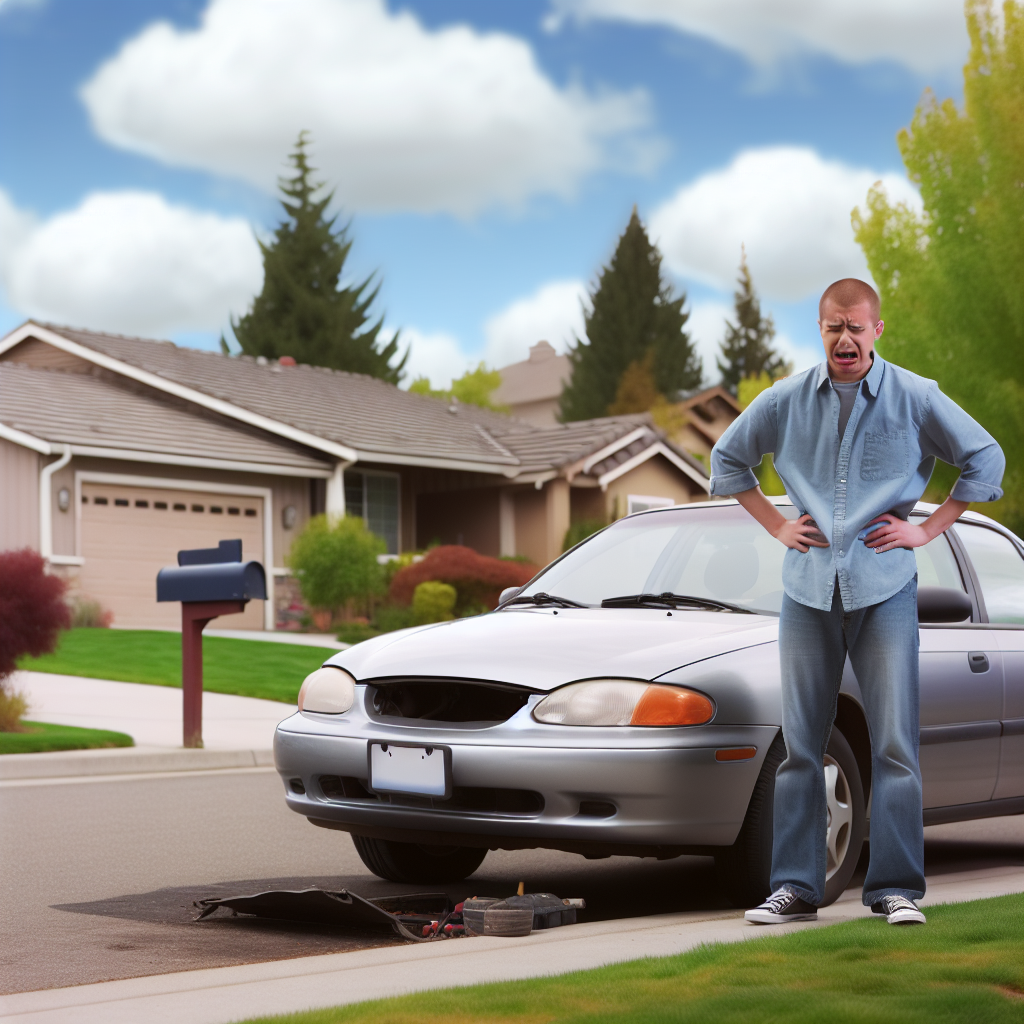
- Oil Leaks: Oil leaks are common mechanical problems for car owners, often due to faulty gaskets or seals. In older vehicles or those lacking regular maintenance, these leaks can arise. Left unchecked, they can cause serious issues, leading to engine damage. Regular checks of oil levels and inspections for leaks are crucial to catch this problem early.
- Starting Problems: Intermittent starting issues can be frustrating for many drivers. They might happen due to a weak battery, fuel delivery failures, or ignition problems. A weak battery, especially in cold weather, may not provide enough power to start the engine. Ignition flaws, such as worn spark plugs, can disrupt engine performance. Frequent starting issues could signal more significant electrical system problems that need attention.
- Sunroof Leaks: Sunroof leaks are another annoying issue car owners frequently encounter. These leaks generally stem from clogged drainage channels or worn rubber seals. When blocked, water can accumulate and leak into the interior, damaging upholstery or electrical parts. Regular maintenance and checking the drainage system can prevent this problem from escalating.
Understanding these common issues helps vehicle owners take proactive steps to avoid costly repairs and extend the life of their vehicles.
User Voices: Real Experiences with Mechanical Issues
Incorporating feedback from users can highlight the common frustrations they face with their vehicles. Here are some quotes from owners of the BMW X5 and Toyota Tundra that resonate with many:
- BMW X5 Owner Feedback: “My 2014 X5 has had three different oil leak repairs in 60,000 miles. The oil filter housing gasket seems to be a chronic issue.” This sentiment is echoed across many forums where users discuss persistent oil leaks and costly repairs that have become a routine part of their ownership experience.
- Transmission Troubles: As one owner points out, “Transmission failed at 85,000 miles with a $7,000 repair bill.” This highlights the financial strain many face due to mechanical problems in their X5, with transmission issues being especially prevalent.
- Toyota Tundra Concerns: A Tundra owner remarked, “My 2008 Tundra’s transmission started slipping at 120,000 miles and required a full rebuild.” Reports of transmission shuddering and slipping in certain models have raised concerns in various user discussions, prompting potential buyers to consider such issues when looking at used options.
- Electrical Gremlins: One frustrated Tundra owner stated, “The entire audio/navigation system randomly shuts off while driving. Dealer cannot replicate the issue.” These electrical problems have been a common complaint, catching many users off guard when they disrupt daily driving experiences.
These voices reflect the shared experiences of drivers dealing with recurring vehicle troubles, emphasizing the importance of understanding these issues from an owner’s perspective.
| Car Make | Frequent Issues |
|---|---|
| BMW | Oil leaks, electrical gremlins, transmission failure |
| Toyota | Starting issues, transmission slip, sunroof leaks |
| Ford | Power seat problems, transmission issues |
| Honda | Power window failures, brake problems |
| Volkswagen | Oil consumption, electrical issues |
| Audi | Engine misfires, electrical system problems |
| Subaru | Head gasket failure, oil leaks |
Common Electrical Issues in Cars
Electrical problems in cars often manifest in various forms, leading to frustrations for drivers. Among the most frequent issues are auto-close trunk failures and power seat malfunctions, both of which can significantly impact the vehicle’s usability and driver comfort.
Auto-Close Trunk Failures
One particularly annoying electrical issue is the failure of the auto-close trunk, often referred to as the power liftgate. This problem can present itself in several ways, including the trunk not responding to key fob commands, failing to open or close completely, or stopping mid-way during operation. Some potential causes of these failures include:
- Failed Actuators: These are electromechanical devices responsible for the movement of the trunk. If they malfunction, they can prevent the trunk from opening or closing as intended.
- Blown Fuses: Fuses protect the electrical system; if one associated with the trunk fails, it may stop functioning altogether.
- Faulty Sensors: Latch or pinch sensors that detect obstructions might not work correctly, interpreting normal operations as blockages.
- Wiring Issues: Corroded or damaged wires can inhibit electrical flow, affecting trunk operations.
To troubleshoot these issues, start by checking the fuses and relays associated with the liftgate. Inspect sensors for dirt or misalignment. In many cases, simply resetting the system by disconnecting the battery can resolve communication issues. If the problem persists, a deeper inspection of the wiring and actuators may be necessary, as detailed in articles from RepairPal.
Power Seat Malfunctions
Another common electrical headache is related to power seat systems. Drivers may find their seats stuck in one position, unable to move or only able to lean back but not forward. Typical causes involve:
- Blown Fuses: This is often the first reason to check when seats stop functioning, as it can cause a total failure of the electrical system that controls movement.
- Faulty Switches: The switch that controls the seat’s movement may simply be worn out. Testing the switch with a multimeter can help determine if it is sending the correct signals.
- Bad Motors: Seat motors themselves can fail, leading to seat movement issues. Inspecting them for wear or damage can reveal whether they need replacing.
- Wiring Problems: Like any electric component, the wiring can become damaged over time, especially in areas that experience movement, such as under the seat.
A systematic approach to diagnosing power seat issues typically involves checking the fuses first, followed by switch tests and motor inspections. More information on troubleshooting can be found in guides such as the one from YourMechanic and The Drive.
Being aware of these common electrical issues and their causes empowers car owners to diagnose problems effectively and seek appropriate solutions. While these issues may present challenges, understanding their mechanics is the first step toward effective resolution.
Troubleshooting Tips for Car Owners
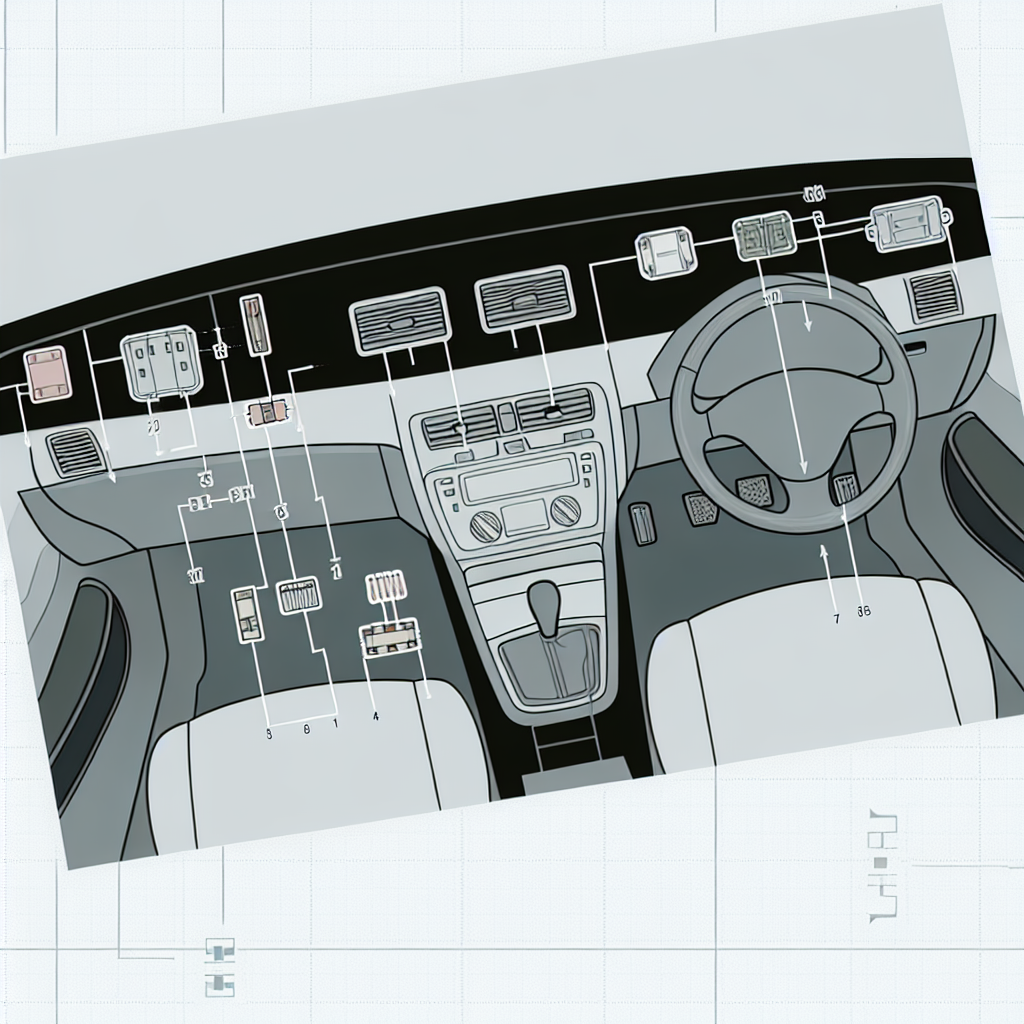
Dealing with nagging car issues can be frustrating, but taking a proactive approach can significantly alleviate stress. Here are some practical troubleshooting tips to help you address common mechanical and electrical problems:
- Routine Maintenance: Regularly check and change your oil, inspect gaskets, and monitor fluid levels. Preventive maintenance can catch potential leaks and other issues before they become serious problems.
- Listen to Your Car: Pay attention to unusual sounds or changes in performance. If your vehicle starts making strange noises, don’t ignore them; diagnose the problem early to avoid costly repairs later on.
- Check Connections: Regularly inspect battery terminals and electrical connections for corrosion or loose wiring, especially if you encounter intermittent electrical issues like power windows or seats malfunctioning.
- Use Diagnostic Tools: Utilize an OBD-II scanner to check for error codes if your dashboard warning lights illuminate. These tools are available at affordable prices and can pinpoint many electrical issues.
- Seek Community Advice: Online forums and local car enthusiast groups can provide valuable insights from fellow drivers who have dealt with similar issues. They often share DIY fixes and tips that could save you time and money.
Remember, while some problems may seem daunting, many car issues are manageable with the right approach and a little guidance. Don’t hesitate to take the first step towards resolving your car troubles.
Conclusion
Navigating the world of car ownership often feels like a minefield of unexpected mechanical and electrical issues. From pesky oil leaks to erratic electrical components, the challenges car owners face can be both frustrating and daunting. However, it is crucial to remember that you are not alone in this journey. Each shared experience—be it a tale of triumph over a DIY repair or a collective sigh over an unresolvable quirk—underscores the reality that many drivers are grappling with similar frustrations.
Your stories add layers of understanding to the challenges at hand, and together, we can create a community of support, insights, and solutions. So, don’t hesitate to share your experiences, tips, or even your frustrations. By fostering a dialogue, we not only empower ourselves but also help others navigate their car troubles with confidence and camaraderie.
Let’s come together to tackle these nagging car issues, ensuring that no one feels alone on this rollercoaster ride of car ownership.
Common Issues to Be Aware Of
Understanding the potential mechanical and electrical issues that could arise in your vehicle can help you take proactive steps and possibly save yourself from a trip to the mechanic. Here are some common symptoms and preventative measures to consider:
- Unusual Noises: If you start hearing irregular sounds when driving—such as grinding, squeaking, or rattling—don’t ignore them. These could be signs of impending issues. Regularly inspect brakes, suspension, and engine components to catch problems early.
- Fluid Leaks: Any fluid pooling beneath your car is a cause for concern. Oil, coolant, transmission fluid, or brake fluid leaks can indicate serious underlying problems. Regularly monitor fluid levels and inspect your vehicle’s components for wear or damage.
- Dashboard Warning Lights: When warning lights appear on your dashboard, it’s your car trying to communicate with you. Address these alerts promptly by checking your vehicle’s manual and using diagnostic tools to identify the issue. Ignoring them can lead to more severe complications.
- Electrical System Alerts: If your headlights dim, your battery drains quickly, or your power accessories malfunction, consider checking the battery and alternator health. Regular maintenance of electrical connections can prevent unexpected failures.
- Starting Problems: Difficulty starting your car can stem from battery issues, faulty ignition systems, or fuel delivery problems. If you notice your car hesitating to start or making clicking sounds, it may be time to check your battery connections or consult a professional.
Taking proactive measures like routine maintenance, paying attention to your car’s signals, and being informed about common issues can prevent bigger headaches down the road. This awareness can empower you to maintain your vehicle’s reliability and safety thoroughly.