
Understanding when to service your vehicle is essential for maintaining its performance, safety, and longevity. This guide offers a clear framework for car owners and small business fleet operators to navigate the necessary maintenance intervals for their vehicles. We will explore different levels of service, including Small and Major services, and the critical factors influencing when your vehicle needs attention. From oil types to driving conditions and the importance of consulting your manual, each chapter contributes to building a holistic understanding of vehicle servicing. Knowing when to bring your vehicle in for a check-up can save you time, money, and safety on the road.
The Small Service Window: Understanding When a Vehicle Needs Routine Maintenance
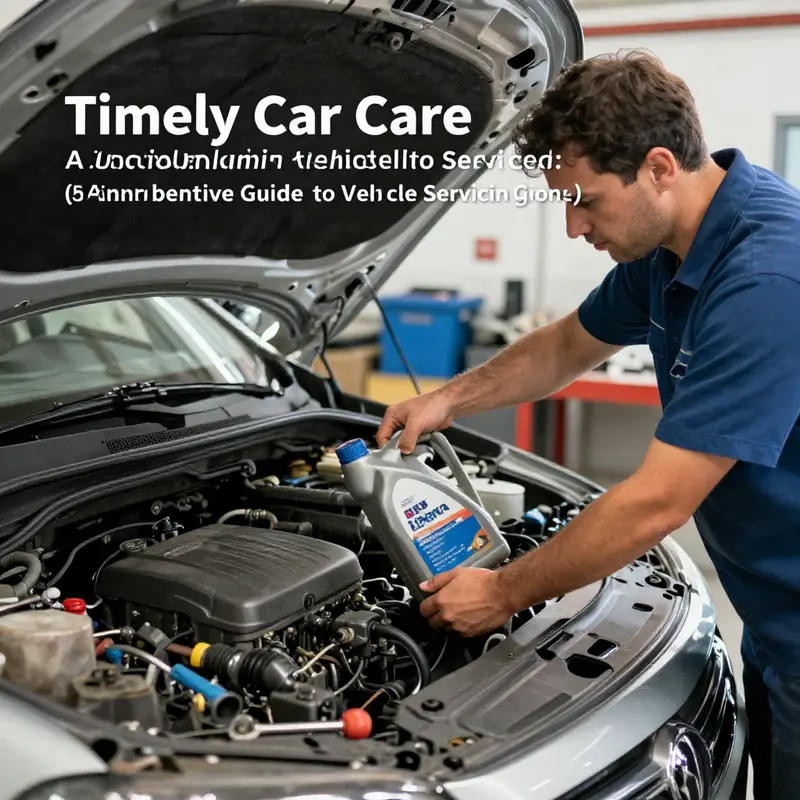
A car is a living system on wheels, a complex orchestra of metal, fluid, and timing. When it runs smoothly, it feels ordinary, but that calm is the result of regular attention. The small service, a routine check rather than a dramatic overhaul, keeps the engine and its systems healthy so performance remains reliable, fuel economy steady, and the risk of unexpected breakdowns low. Understanding when to perform this service starts with a simple premise: most vehicles benefit from checks at intervals that balance wear with daily driving. The practical schedule often lands around every 5,000 to 10,000 kilometers or about six months, whichever comes first. This range is a guideline, not a universal ordinance, designed to reflect real-world life such as climate, fuel quality, and how hard the engine works. Oil ages, seals dry, and fluids degrade over time; even a car that sits in a driveway for months benefits from a scheduled check to verify oil, coolant, brake fluid, and other critical liquids are in good shape. The owner’s manual is the most reliable compass because manufacturers tailor intervals to engine design, lubrication, and electrical systems. When the small service is performed, it goes beyond a simple oil and filter change. A typical visit includes oil and filter replacement, plus a check and top-up of fluids, inspection of air and cabin air filters, tire pressures and tread, brakes, lights, battery, and electrical health. It is a preventive routine designed to protect performance and safety, not merely to avoid a breakdown. Oil type matters: mineral oils may require more frequent changes, while full synthetic oil often allows longer intervals, though the six-month guideline remains prudent for many drivers. Across driving patterns, a few key factors influence timing: driving in harsh environments, stop-and-go traffic, short trips, and older or high-mileage engines tend to push the schedule toward the lower end of the range. Conversely, generous highway cruising in mild weather may permit the interval to stretch toward the upper end. The goal is to balance the rate of oil degradation with the engine’s exposure to heat, contaminants, and use, while keeping fluids at the correct levels to protect cooling, lubrication, and braking systems. Keeping a maintenance log, setting reminders, and following the owner’s manual provides a predictable ownership experience. If there is any doubt about whether a service is due, a quick consultation with a trusted technician can confirm. External guidance from consumer safety resources can supplement, not replace, the model-specific guidance in the manual, offering broader perspectives on oil-change cadence and maintenance priorities.
When Should a Vehicle Be Serviced? The Critical Role of the Major Service in Longevity and Safety
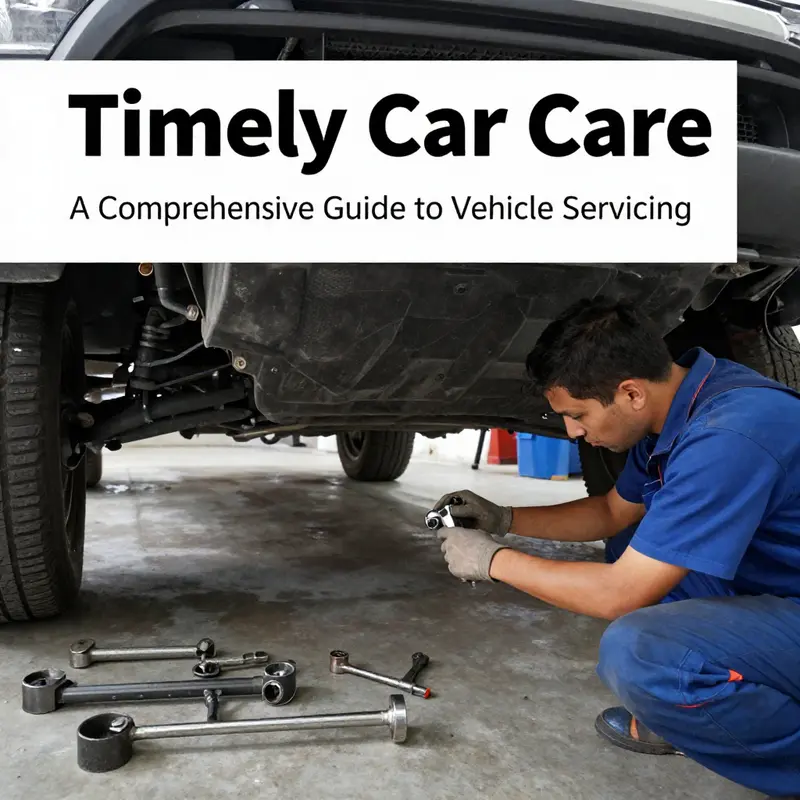
A major service is not a luxury or a vague guideline tucked into a manual; it is a deliberate, comprehensive check that interacts with every major system of the car. While a small, regular service keeps the engine running smoothly day to day, the major service acts as a quarterly or yearly health examination for a machine designed to work relentlessly over many years. In practical terms, it is the interval at which a technician steps back, looks at the big picture, and confirms that the vehicle’s life-support systems, brakes, steering, suspension, cooling, and powertrain, are still aligned with the demands of current road conditions. The major service therefore serves two essential purposes at once: it is a preventative measure to forestall breakdowns and a maintenance milestone that preserves safety, performance, and resale value. When you understand this, the timing of the major service becomes less about chasing a fixed number and more about respecting the vehicle’s ongoing needs, which are shaped by how you drive, where you drive, and what you put in the engine under the hood.
Timing, by design, is a balance between manufacturer guidance, real-world wear, and the realities of ownership. For private passenger cars, industry guidelines typically place the major service at around the 30,000 to 50,000 miles mark, or roughly every 3 to 5 years, whichever comes first. This range reflects a consensus that the engine, brake system, cooling circuits, fuel and air delivery, and exhaust components generally accumulate wear and contamination at a pace that warrants a thorough inspection and potential part replacement at these intervals. Some manufacturers pair this with a baseline in kilometers, commonly around 48,000 to 80,000 kilometers, especially for vehicles designed for longer service life between major overhauls. The idea is simple: by the time the car has covered two to three years or tens of thousands of miles, the cumulative effect of heat, contaminants, and friction can begin to degrade performance if left unchecked. A major service at this stage helps prevent those degradations before they affect reliability or safety.
Commercial vehicles, such as vans, fleet cars, or light trucks that endure heavier duty cycles, typically demand a more frequent cadence. For vehicles in regular, higher-stress operation, a major service is often recommended every 15,000 to 20,000 miles (roughly 24,000 to 32,000 kilometers) or once a year, depending on the level of use and environmental conditions. The logic is straightforward: commercial fleets accumulate more mileage in shorter periods and are subjected to harsher operating conditions, such as constant loads, frequent stop-and-go driving, dusty or poorly maintained roads, which accelerate wear on brakes, bearings, fluids, and cooling systems. In practice, the exact schedule hinges on the vehicle’s operating footprint, but the underlying principle remains consistent: more frequent major checks help avert unexpected downtime and costly repairs that could disrupt a business. In some contexts, the ranges blur with the broader maintenance framework, especially when vehicles alternate between heavy use and long idle periods; in those cases, technicians will tailor the interval to the driver’s actual patterns rather than a fixed calendar alone.
What does a major service actually cover, and why does it matter so much? It is tempting to think of it as a more thorough oil change, but the scope runs far deeper. A major service typically revisits every element included in a small service and augments it with more exhaustive inspections and replacements where the vehicle’s design dictates. The oil and oil filter are changed, and the level and condition of all fluids, such as coolant, brake fluid, transmission fluid, power steering fluid, and even differential or transfer-case fluids in appropriate vehicles, are scrutinized and topped off or replaced. Filters beyond the air filter may be replaced, and there is typically a detailed inspection of the air intake, fuel-delivery system, and spark plugs, if applicable to the engine. The inspection extends to critical wear items that quietly influence safety and efficiency: brake pads and discs, suspension components, steering linkages, hoses and belts, and the cooling system. The technician will check the battery and charging system, examine exhaust integrity for leaks or excessive emissions, inspect tires for tread depth and wear patterns, and evaluate the wheel alignment and tire pressures. In essence, a major service is a systems audit, an opportunity to detect subtle signs of fatigue that might not yet cause a failure but will if ignored.
The rationale behind this level of scrutiny goes beyond preventing breakdowns. Safety is the primary motivator. Worn brakes, degraded suspension, or imperfect steering can transform routine errands into hazardous situations in moments. Equally important is the maintenance dividend: when the engine and transmission are serviced with the right fluids, filters, and components at the right times, fuel efficiency tends to improve and performance remains consistent. The vehicle’s drivability, engine response, and even air quality systems in modern cars can be noticeably affected by the cleanliness of fuel and air pathways, as well as the integrity of cooling and lubrication circuits. From a long-term perspective, regular major services reinforce the vehicle’s lifespan, keeping vital components within expected tolerances and reducing the risk of cascading failures that occur when a single neglectful decision compounds into multiple expensive repairs.
Another worthwhile consideration is the impact of major service on compliance and resale value. In many regions, regular, documented major services provide a verifiable maintenance history that helps meet regulatory or inspection requirements and demonstrates to prospective buyers that the vehicle has been properly cared for. The peace of mind that comes with a stamped service record extends beyond the sale; it also translates into fewer disputes over maintenance quality and more predictable ownership costs. This aspect of maintenance often goes overlooked in casual ownership, yet it is a practical and tangible benefit when planning a future sale or trade-in.
Given the breadth of what is inspected and replaced during a major service, it is important to recognize how the oil itself interacts with the service interval. The type of oil used can significantly affect when a major service is scheduled. Full synthetic oils, with their superior stability and resistance to breakdown, may extend the interval between oil changes compared with conventional mineral oils. For a modern engine that can tolerate longer intervals with synthetic oil, the major service may align more closely with longer calendar spans, provided other wear elements are within expected ranges. Conversely, engines running mineral oil or in environments that impose harsher demands, such as hot climates, dusty roads, or heavy stop-and-go traffic, may require more frequent attention to oil condition and related components. The practical takeaway is simple: the oil type is a key variable in determining the timing of the major service, and drivers should consult their owner’s manual and the service advisor for a recommendation tailored to their vehicle and operating conditions. For a deeper look at how oil type and interval timing interact, see our guide on oil change intervals and time versus mileage.
Environment and usage are equally influential. A vehicle driven mostly on smooth highways in temperate climates will experience different wear patterns from the same model used in dusty rural areas or extreme temperatures. Short trips with repeated cold starts place extra strain on the cooling and starting systems; long highway runs tend to stabilize engine temperature and promote more uniform wear. Vehicles that haul heavy loads or frequently carry passengers in urban traffic face amplified brake and suspension wear due to the constant acceleration, braking, and cornering. In response, a practical maintenance approach acknowledges these realities and translates them into a slightly adjusted major service cadence. If you routinely drive in harsh environments or engage in heavy usage, scheduling a major service closer to the lower end of the typical range or even between intervals may be prudent. It is a simple matter of aligning maintenance with actual driving experiences rather than following a rigid timetable alone.
An important, often underestimated aspect of the major service is the quality and relevance of the inspections. The shop torque checks, fluid tests, and wear assessments performed during the major service are designed to function as a diagnostic baseline. When the vehicle ages or mileage accumulates, a single service can uncover aging hoses, weakening belts, or corroded connectors that, if left, could lead to more serious failures. This is where the service history becomes a practical tool for owners: it helps track when components have reached the end of their useful life and should be replaced. For many drivers, the value of a major service is not merely in the parts replaced but in the comprehensive assessment that informs future maintenance decisions. The goal is not to chase a calendar date but to preserve the vehicle’s reliability, safety, and efficiency over the long haul.
In the end, the best approach to timing a major service rests on a blend of authoritative guidance, personal driving patterns, and close attention to the vehicle’s response. The owner’s manual remains the primary reference for the manufacturer’s recommended intervals and procedures. It is the document that translates design intentions into practical maintenance steps, balancing ideal performance with real-world wear. When in doubt, err on the side of diligence: a major service done on schedule or slightly earlier is a small price to pay for protection against unexpected breakdowns and the intangible but meaningful benefits of continued safety and confidence on every journey. For readers seeking a broader context on how oil types influence maintenance timing, the linked guide above provides a deeper dive into how time and mileage interact with fluid life. And for readers exploring the broader landscape of automotive maintenance perspectives, industry insights from respected publications offer additional points of view on routine servicing, inspections, and upkeep.
Timing the Care: Personalizing Vehicle Servicing by Mileage, Time, and Driving Conditions
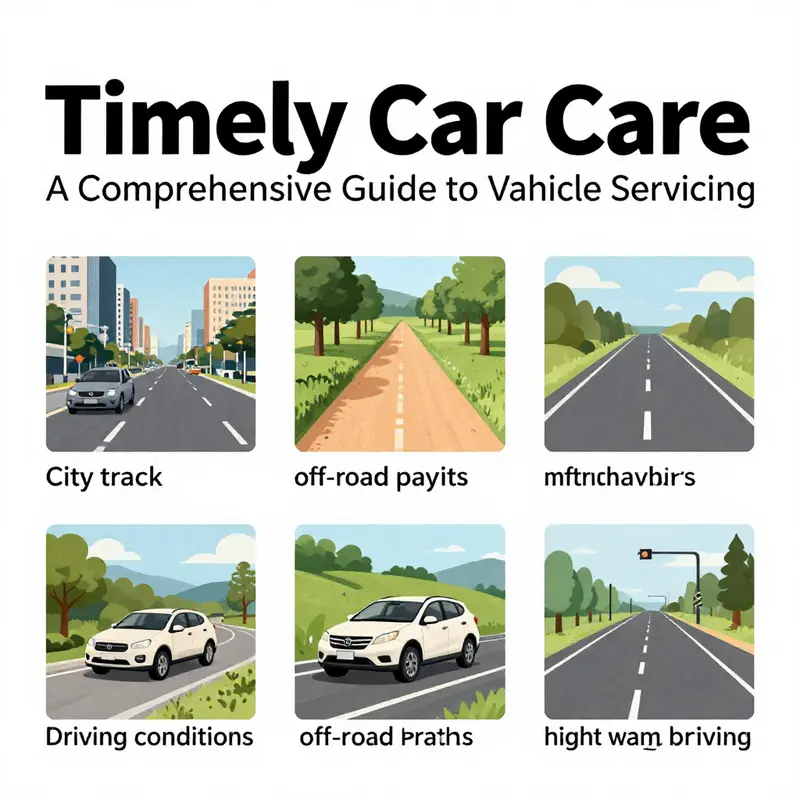
Determining when to service a vehicle is not simply a matter of ticking a clock or counting miles. It is an exercise in reading the stress signals a machine does not shout aloud. A smart maintenance plan recognizes both the miles on the odometer and the calendar on the wall, because fluid life, component wear, and even the chemistry inside the engine respond to time as much as to distance traveled. This chapter explores how to translate those signals into a service timetable that protects performance, safety, and longevity without turning routine maintenance into a guesswork game. The goal is to move from generic certainties to a schedule that respects the way a particular car ages and the way it is used every day.
Manufacturer manuals remain the primary compass. They distill years of engineering data into intervals tied to one model and its engine family. The manual is more than a checklist; it is the contract between you and the machine. It often specifies an initial service soon after purchase to check break‑in and establish baseline conditions, then outlines subsequent services at regular mileages. This initial break‑in service, reported in many official schedules, typically occurs around 1,500 to 2,000 kilometers (1,000 to 1,500 miles). After that, maintenance proceeds at intervals such as 5,000, 7,500, or 10,000 kilometers, depending on oil type and other factors. If you treat the manual as a living document rather than a ceremonial ritual, you gain a baseline you can adapt rather than resist when your driving life changes.
Two intertwined standards frame practical planning: distance and time. The rule of thumb that many drivers rely on—change oil every 5,000 to 10,000 kilometers or every six to twelve months—emerges from the need to balance engine cleanliness with service costs. The type of oil used is a decisive factor. Full synthetic oil often stretches the distance or time between changes because its additives resist oxidation and maintain viscosity longer. Mineral or conventional oils, by contrast, tend to degrade sooner and may require changes twice as frequently. This difference is not just about the oil itself; it affects every other fluid in the system. Engine oil can influence friction and heat within the crankcase, but brake fluid and coolant also degrade with time and exposure to heat cycles, moisture, and contamination. The takeaway is simple: treat oil as a living fluid with a lifespan that matters as much as the miles you accumulate.
Driving conditions can compress or extend the service window in real terms. Short trips prevent engines from reaching optimum operating temperatures, encouraging sludge formation and contaminant buildup. Hot climates intensify oil aging, while extremely cold conditions thicken oil and place additional stress on starting systems. Dusty or humid environments challenge the air and fuel systems, speeding filter saturation and introducing foreign matter that accelerates wear. Stop‑and‑go traffic, commonly found in urban commutes, subjects engines to repeated heat cycles and extra cycle wear. In these settings, many technicians advise shortening the interval by a quarter to a half, or more, depending on how aggressively the vehicle is used. The logic is straightforward: when the environmental load or usage pattern pushes components harder, the maintenance shield must come down less often to keep the engine clean and the brakes and transmission healthy.
Age and cumulative mileage introduce another layer of nuance. Even a car driven gently in retirement miles may require attention as fluids age. At roughly every 20,000 to 30,000 kilometers a mid‑level service emerges in many schedules. This service can include replacing or inspecting the air filter, cabin filter, spark plugs, and checking brake fluid quality. As the odometer climbs toward 50,000 to 60,000 kilometers, a major service often becomes prudent. This is when automatics call for fuller inspection and, in many cases, transmission fluid changes, timing belt checks or replacements (if the vehicle design includes a belt), and deeper suspension and exhaust system scrutiny. By the time a vehicle passes the 100,000‑kilometer mark, rust prevention, tire condition, and electrical health join the list of items that deserve a proactive check. The pattern is not a rigid ladder but a set of milestones that signal shifting focuses—fluid aging, wear in moving parts, and the increasing likelihood of minor failures that, left unchecked, can escalate into costly repairs.
Across all these considerations, one constant remains: consult the owner’s manual as the definitive guide. The manual embodies the manufacturer’s design philosophy and testing data. It also helps you calibrate your judgement to your specific model. The dual emphasis on time and distance is not a contradiction but a recognition that engines and their lifeblood—fluids—have different clocks. For some owners, the schedule may read like a simple cadence; for others, it looks like a personalized pulse that aligns with daily routines, seasonal changes, and travel demands. In practice, the best plan is to build a baseline from the manual and then adapt it with care. When the literature points you toward a mid‑level service at certain kilometers and a major service a few years later, you have a framework you can adjust rather than a rigid decree you must honor regardless of the car’s condition.
To translate these ideas into action, begin by recording the odometer and the date whenever a service is performed. If you often drive in the climate and usage scenarios described above, it is prudent to shorten intervals slightly and schedule preventive checks more frequently than the bare minimum. The engine’s health often reveals itself indirectly through subtle signals: longer crank times, rough idle, or reduced fuel economy. When in doubt, err on the side of attention. The cost of a preventive service is almost always lower than the price tag of a major repair triggered by neglect. A practical approach is to keep a simple service calendar that flags both time and distance thresholds. If you prefer digital tools, many vehicle health apps can remind you when maintenance is due, and some systems can even tailor the schedule to your model based on the data stored in the car’s computer.
For a deeper dive into oil-change intervals, see the linked resource that delves into time versus distance arguments and how oil type shifts the calculus. Optimal oil change intervals: time vs. mileage.
These considerations also interact with the broader maintenance ecosystem. A small service that includes an oil and filter change, fluid top‑offs, and a quick visual inspection remains essential even in low‑mileage years. In many cases, customers who observe moderate driving habits and stable environmental conditions still benefit from annual checks because fluids oxidize and gaskets age. A routine annual visit helps verify tire wear, brake pad thickness, and the integrity of belts and hoses that might otherwise escape notice until a troubling warning light illuminates. For vehicles in demanding conditions, more frequent checks can mean not just extending the engine life but preserving the reliability of systems that customers rely on in daily life—from commuting to family trips. The value of proactive maintenance is not merely the avoidance of breakdowns; it is the preservation of performance in the long run, the assurance of safe operation in varying weather, and the confidence to plan ahead rather than react to failures.
Finally, consider the broader context of maintenance philosophy. The information above aligns with a dual standard: respect the manual while listening to the car and your own wallet. A well‑timed service preserves engine cleanliness, protects fluid systems, and maintains the resale value. It lowers the risk of unexpected failures and helps a driver anticipate maintenance costs, aligning them with seasonal driving patterns and annual budgets. In this sense, vehicle service timing becomes less about chasing a number on a chart and more about maintaining a dynamic equilibrium between wear and care. As chapters to come will explore, signs of wear, diagnostic indicators, and the interplay of different maintenance routines shed further light on when to service and how to tailor the approach to your specific circumstances. The path forward is not universal; it is practical and personalized.
References and further reading reinforce the practical approach. The manufacturer’s service manual remains the most authoritative source for intervals, and independent sources remind us that time matters as much as mileage. The dual rule—service when either distance or time threshold is reached—serves as a reliable guiding principle for most drivers. By combining this framework with awareness of driving conditions, vehicle age, and the type of oil used, drivers can craft a maintenance schedule that keeps their car responsive and safe for years to come. The next section examines how to translate this knowledge into a concrete scheduling plan you can live with, balancing convenience, cost, and risk.
External reference: https://www.aaa.com/automotive/tips/vehicle-maintenance/when-to-change-oil/
Oil, Conditions, and the Clock: Tailoring When Your Vehicle Should Be Serviced
Servicing a vehicle is rarely a checkbox exercise based on a single number. In practice, the schedule should reflect a conversation between what the engine needs and how the car is used. The calm baseline offered by manufacturers rests on a predictable mix of mileage and time, but real life foregrounds a more nuanced rhythm. The result is not a rigid timetable but a practical framework that helps engines stay efficient, reliable, and ready for whatever the next trip might demand. At the heart of that framework lie two decisive factors: the type of oil the engine uses and the driving conditions it experiences, because those two elements shape how quickly lubrication, filtration, and wear-protection strategies degrade. The broader aim is simple: service when the car really needs it, not just when a calendar says so, and certainly not so late that minor issues become major failures. This approach sits comfortably between the extremes of overly cautious servicing and neglect, allowing owners to protect performance and equity in their vehicle without unnecessary expense.
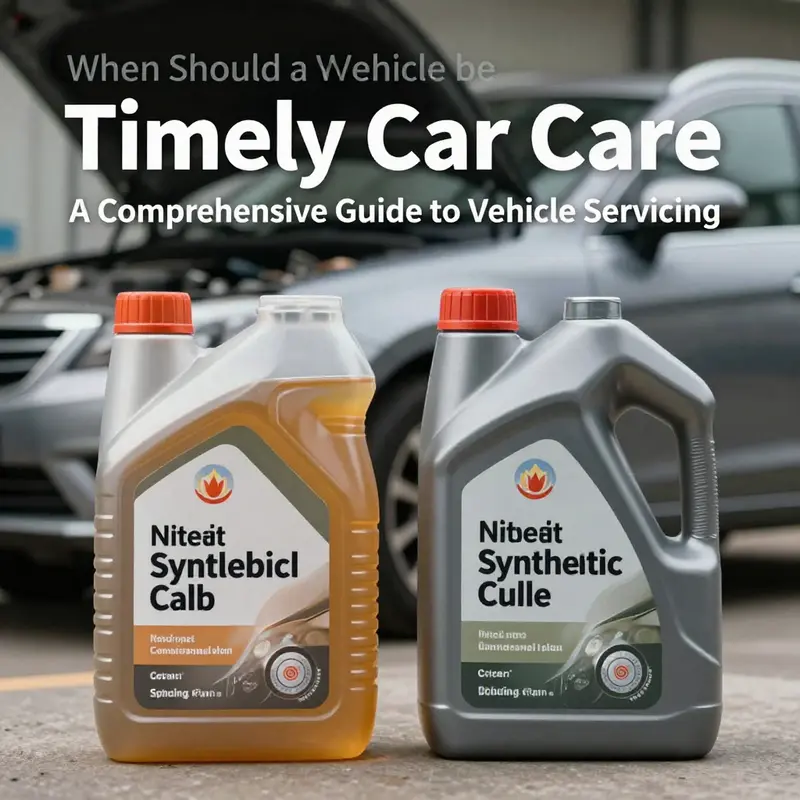
The role of oil type cannot be overstated. The oil that keeps the engine’s metal parts separated, cooled, and clean is the lifeblood of how long you can reasonably extend a service interval. Mineral oil, the most basic option, is generally the most economical but also the most demanding when it comes to replacement frequency. In practical terms, mineral oil commonly requires a change every five thousand kilometers, or roughly three thousand miles, and often within six months—whichever comes first. The shorter life of mineral oil means more frequent attention to oil quality, filter condition, and the potential for contaminant buildup if oil changes are delayed. Semi-synthetic blends sit between mineral and full synthetic in both performance and price. They typically warrant changes around seven and a half thousand kilometers, about four thousand seven hundred miles, or roughly nine months. This middle ground offers improved resistance to breakdown and better filtration compatibility, making it a practical choice for drivers who log mixed miles or live in variable climates.
Full synthetic oil represents the upper tier of engine protection. It provides superior resistance to thermal breakdown, better sustained lubricity, and longer intervals between changes under most conditions. Manufacturers often propose a standard change interval near ten thousand kilometers, about six thousand two hundred miles, or twelve months, whichever comes first. In some high-end vehicles and with advanced synthetic formulations, intervals can extend to fifteen thousand kilometers or more, depending on engine design and driving style. Yet while long intervals can be tempting, the core rule remains: always consult the owner’s manual to confirm the exact specification for your model. Using an oil type that is not aligned with the manufacturer’s specification can shorten the effective life of the oil and, worse, risk higher wear on the engine. An oil that is too thin for the engine’s needs or an excessively thick oil in cold climates can impede lubrication at critical moments, and the reverse can lead to inefficiency and sludge formation. Thus, the choice of oil becomes a strategic decision that sets the ceiling for how often you might reasonably service the vehicle. For deeper guidance on balancing time versus mileage in relation to oil, consider the discussion on oil-change intervals Optimal oil-change intervals: time vs. mileage.
Beyond the oil itself, driving conditions act as the accelerant or brake on those intervals. The same engine that sits in a flawless showroom can face a much tougher life when subjected to harsh environments or demanding duties. Short trips and stop-and-go traffic are a common culprit because the engine rarely has a chance to reach its ideal operating temperature. When the engine runs cool, fuel may not burn completely, and moisture can accumulate in the crankcase. Over time, this moisture and unburned fuel can degrade oil quality and promote sludge formation. For drivers who operate in city environments with frequent acceleration and braking cycles, it is prudent to tighten the oil-change schedule by up to a quarter when using full synthetic oil. In other words, a routine that would otherwise recommend ten thousand kilometers might be better observed around seven and a half thousand kilometers under persistent stop-and-go use. Dusty or dirty environments compound the effect by inviting particulates that wear seals and filters, which in turn accelerates contamination of the oil and reduces the overall protective ability of the lubrication system. Air and cabin filters, as well as the engine’s air intake systems, face greater particulate loads in such settings, nudging maintenance toward more frequent checks and, in some cases, earlier replacement of filters.
Extremes of temperature also matter. Engine oils are formulated to resist breakdown, but sustained high heat or severe cold alters viscosity and flow characteristics in ways that can affect lubrication efficacy. When summers push temperatures into hot ranges or winters keep the vehicle in cold starts, oil can degrade faster or become too viscous for immediate lubrication at startup. The result is either reduced protection during the first moments of operation or increased resistance that translates into extra wear over time. The driving scenario of towing or carrying heavy loads also places greater stress on both engine and transmission. The extra torque and heat generation draw more deeply on oil reserves and can shorten the interval before a service is needed if the vehicle is routinely tasked with heavy hauling or extended towing. The accumulation of wear-related byproducts and potential contaminant ingress makes a thorough inspection more critical for such applications.
Vehicle age and mileage add another layer. Older vehicles, or those with high mileage, may not tolerate the same service rhythm as newer ones simply because their engines have already endured more cycles of wear and heat. With age, seals can begin to degrade, clearances can widen, and the engine’s overall tolerance for dirty oil and sludge can be reduced. This reality means more frequent inspections—even if the indicated mileage threshold has not yet arrived. In practice, that might translate to treating an older vehicle as needing a stricter maintenance regimen, particularly for critical items like oil, filter changes, and essential fluid checks. The goal remains to catch wear problems early and prevent cascading failures that could undermine reliability or safety.
Despite the practical emphasis on oil and usage, the most important rule remains simple and direct: always refer to the vehicle’s owner’s manual for the manufacturer’s recommended maintenance schedule. The manual reflects the design intent of the engine and lubrication system, the quality of the build, and the expectations the manufacturer has for long-term performance. It serves as the baseline from which any adjustments are made when you consider your actual driving life. The manual’s guidance is the anchor that keeps the broader discussion grounded in the specifics of your model, despite the variability introduced by oil type and driving conditions. And the owner’s manual is not merely a ticking clock; it is a doorway to understanding how the car was engineered to perform over its lifetime.
In the spirit of applying that knowledge to real life, the suggested approach is to start with the manufacturer’s statements and then adjust for your day-to-day reality. If your driving is primarily long highway trips under mild conditions, you may be able to extend intervals a bit, especially when you use high-quality full synthetic oil and your vehicle is well-maintained. If your routine involves frequent short trips, dusty environments, or heavy loads, you may need to schedule more frequent oil changes and filter replacements to maintain peak protection and efficiency. Regular checks of oil level and oil color can provide early warning signs that a change is due, even if you have not yet reached the nominal mileage interval. The habit of recording maintenance visits, oil changes, and fluid top-ups creates a personal data trail that helps you fine-tune the schedule over time, aligning it with both the engine’s needs and the realities of your driving life.
For readers who want a consolidated, at-a-glance reference to time-driven versus mileage-driven planning, consider the general guidance that is echoed across many maintenance schedules, while still prioritizing the manual. In particular, the idea that a small service is typically conducted every five thousand to ten thousand kilometers (or miles), with annual checks if annual mileage is low, remains a useful baseline. A major service, often scheduled every twenty thousand to thirty thousand kilometers or every two to three years, is the broader check that covers additional components like air and fuel filters, spark plugs, and fluid replacements, all of which contribute to sustained efficiency and reliability when the engine is pushed hard or operated in less forgiving conditions. The concrete cadence, of course, depends on oil type, climate, road conditions, and the vehicle’s age, but the underlying logic holds true: blend the engine’s protection plan with the environment in which it runs, and you arrive at a servicing rhythm that is both protective and economical.
When you are unsure, trust the manual, and then layer in careful observation of how your car behaves on the road. Track how quickly oil appears dirty, how many kilometers you typically drive between changes, and how the car responds after a cold start versus after a long drive. If you find yourself driving through dusty or extremely hot or cold climates, or if the vehicle regularly carries heavy loads, you will likely perform more frequent inspections, even if the basic interval seems adequate for your model. The result is not merely better engine health; it is better reliability, lower risk of unexpected breakdowns, and a vehicle that remains responsive to your needs. For readers seeking a practical synthesis of time and mileage, the ongoing conversation between oil type and driving conditions provides a robust framework that adapts to a wide spectrum of real-world usage, while always returning to the manufacturer’s guidance as the most trustworthy source of truth. For a broader perspective from industry resources that explore maintenance frequency in depth, see a general external reference on how often you should service your car.
null
null
Final thoughts
In conclusion, understanding the appropriate intervals for servicing your vehicle is fundamental to its optimal performance and long-term reliability. Regular maintenance, including both small and major services, must be conducted with careful regard to oil types, driving conditions, and specific manufacturer recommendations. By being proactive in your vehicle care—leaning on insights from your owner’s manual—you can ward off potential issues, enhance safety, and ultimately preserve the value of your investment. Establish a servicing schedule that aligns with your driving habits and always stay ahead of maintenance needs. A well-cared-for vehicle is a reliable source of comfort, safety, and enjoyment on the road.