Introduction: Transformations in the Global Firefighting Industry
In recent years, the firefighting industry has undergone significant transformations driven by advancements in technology, public safety demands, and evolving challenges in emergency response. As cities grow and emergency scenarios become increasingly complex, the tools of firefighting must adapt. Fire trucks, once mere transportation vehicles, have evolved into multi-functional platforms capable of saving lives and managing diverse emergency situations efficiently.
The Core Value of Fire Trucks in Rescue Operations
1. Enhanced Response Times
At the heart of effective firefighting lies the ability to respond quickly. Modern fire trucks are designed not just for speed but for accessibility in various urban landscapes. The incorporation of ladder fire trucks and platform fire trucks means that firefighters can reach higher altitudes, access difficult terrains, and provide immediate aid to individuals trapped in precarious situations. These trucks allow crews to safely navigate urban environments, ensuring that help arrives as swiftly as possible.
2. Versatile Equipment and Technology
One of the primary functions of contemporary fire trucks is their ability to house state-of-the-art firefighting equipment. ARFF trucks (Aerial Rescue Fire Fighting trucks) are specifically designed to tackle aircraft-related emergencies, equipped with specialized extinguishing agents and high-reaching capabilities. The introduction of innovative firefighting technology enables rapid assessments and more effective strategies during emergencies, improving overall rescue efficiency.
3. Training and Maintenance
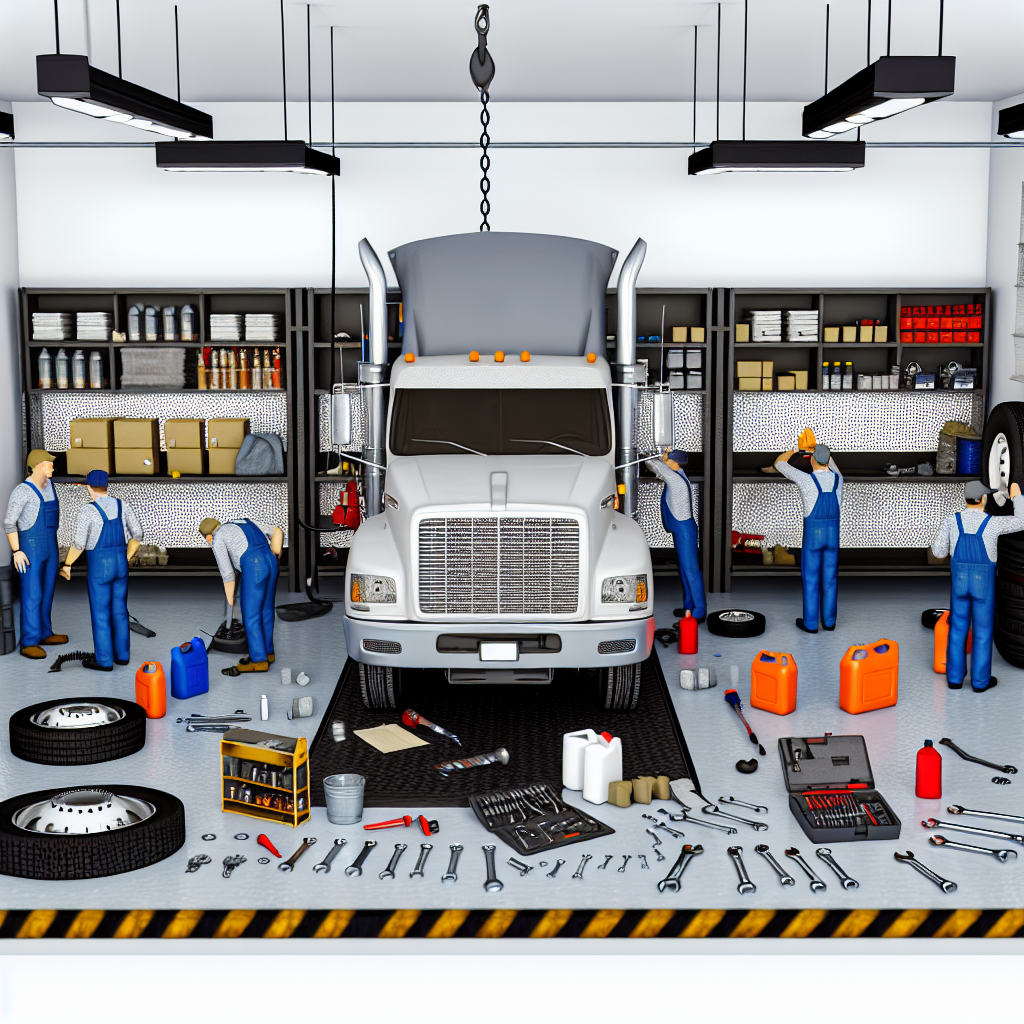
A vital aspect of maximizing the efficiency of fire trucks is understanding how to use and maintain these vehicles effectively. Fire departments must invest in the training of their personnel to ensure they can operate various types of fire trucks, including fire trucks with foam systems for chemical spills. Regular maintenance checks are essential to ensure all systems, including ladders and pumps, are functional. Departments that prioritize training on vehicle operation and routine maintenance enjoy enhanced fleet performance and safety on the job.
4. Community Safety and Awareness
Beyond their physical capabilities, fire trucks serve as a symbol of community safety. Public awareness campaigns utilizing fire apparatus can educate communities about fire safety and prevention. Interactive demonstrations with local fire departments using platforms like remote water supply system fire trucks engage the public and promote proactive measures in fire safety. This interaction not only improves community relations but also underscores the essential services that fire departments provide.
Industry Trends: Effectiveness, Safety, and Sustainability
1. Emphasizing Safety Standards
In today’s firefighting landscape, safety and compliance with regulations is paramount. Fire trucks are being continuously updated to meet stringent safety standards, ensuring the protection of both the firefighters and the civilians they serve. Departments are encouraged to invest in newer technologies and equipment that further enhance safety, such as automatic braking systems and vehicle stability features.
2. Embracing Green Technologies
The push towards sustainability has reached the firefighting sector. Fire departments are exploring alternative fuel systems and environmentally friendly fire suppression agents. These innovations not only reduce the carbon footprint but also align with global efforts to tackle climate change. Fire trucks that utilize such technologies demonstrate a commitment to community health and safety, attracting support from environmentally-conscious stakeholders.
3. Leveraging Data Analytics
As with many sectors, data analytics has become an invaluable tool in firefighting. By analyzing response times, equipment performance, and incident outcomes, departments can assess their operational efficiency and identify areas for improvement. This data-driven approach supports strategic planning and tactical training, fostering a culture of continuous improvement within fire departments.
Conclusion: The Future of Firefighting Efficiency
As the firefighting landscape continues to evolve, so too must the tools and strategies we employ to ensure safety and efficiency. Fire trucks are more than just vehicles; they represent our frontline defense against the unforeseen challenges posed by fires and emergency situations. By embracing modern technologies, prioritizing training, and fostering community relationships, we can enhance the effectiveness of our emergency response efforts.
For emergency departments looking to upgrade or diversify their fleet, our extensive range of fire trucks, including fire foam trucks, platform fire trucks, and remote water supply systems, can meet your needs. Explore our product offerings here, here, and here. Join us in ensuring that we are not just equipped for the emergencies of today but are also prepared for the challenges of tomorrow.