Extended Vehicle Service Plans (ESPs) offer car owners added reassurance after their manufacturer’s warranty expires. These plans are particularly relevant for local private car owners, used car buyers, and small business fleet operators seeking financial protection against unexpected repair costs. Each chapter will delve deeper into the particulars of ESPs, covering their definitions, coverage details, benefits, and cost considerations, ensuring a well-rounded understanding for informed decisions.
Beyond the Factory Warranty: Navigating the Real Scope and Implications of an Extended Vehicle Service Plan
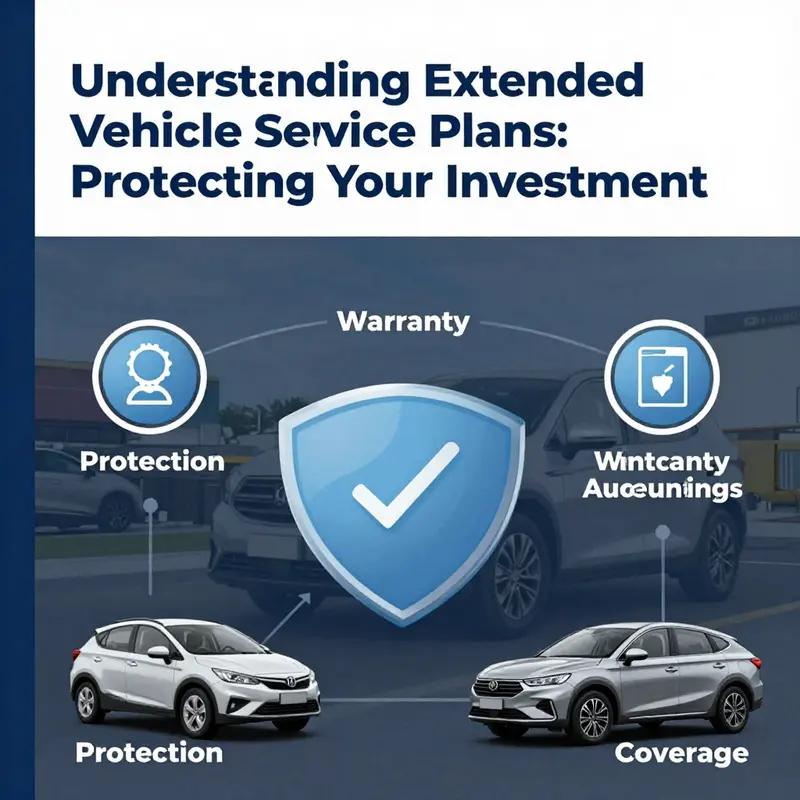
Definition, purpose, and the protection arc of Extended Vehicle Service Plans
An Extended Vehicle Service Plan, often referred to in shorthand as an ESP or, less commonly, an aftermarket car warranty, is a paid agreement that promises to shoulder the cost of certain repairs after the vehicle’s original factory warranty expires. This is not the same thing as the warranty that comes bundled with a new car when it leaves the showroom floor. The factory warranty is included in the vehicle’s price and covers a defined set of defects or failures within a fixed period or mileage limit. An ESP, by contrast, exists as a separate contract—one you purchase either at the time of purchase from a dealership or later from a third-party provider—and it extends the financial protection beyond the factory terms.
The core idea behind an ESP is straightforward: the more a vehicle ages or accumulates miles, the more likely it is that repairs become expensive. An ESP offers a form of financial shield against those potentially enormous bills, especially for the parts that endure the most stress—the engine, the transmission, and other major systems that keep a car running. In practice, most ESPs center on major components and powertrain assemblies, but the exact scope varies widely from plan to plan. Some contracts are fairly narrow, focusing on a handful of crucial parts, while others are broader, encompassing a wider array of systems and frequently bundling add-ons such as roadside assistance, rental-car reimbursement, or towing services. The value proposition rests on predictability: instead of facing a sudden repair bill that could undermine a well-planned budget, the owner can anticipate costs more clearly and plan accordingly.
How ESPs are sold and why ownership timing matters
ESPs are commonly marketed during the vehicle purchase process at the dealership, particularly when the car is still new or near the end of its original warranty window. The dealership can present the ESP as a convenient one-stop solution that couples protection with the peace of mind that comes from predictable maintenance and repair costs. However, ESPs are not restricted to new-car buyers. They can be purchased later, directly from third-party providers or from independent service networks, which opens a broader array of options but also introduces variability in terms, pricing, and coverage standards. This market flexibility has helped the ESP market grow, as owners seek to plan for long-term ownership costs rather than merely responding to repairs on an as-needed basis.
Understanding the difference between coverage and cost
The central distinction between a manufacturer’s warranty and an ESP is not merely the timing but the structure of protection. The factory warranty is a built-in assurance tied to the vehicle’s purchase price, designed to address manufacturing defects and other issues that arise under normal use within a defined period or mileage. The ESP is a separate agreement with its own terms, exclusions, deductibles, maintenance prerequisites, and network requirements. The “extended” label indicates that the plan lengthens the duration, sometimes extending several years or miles beyond the original warranty. It may also expand the list of covered parts and, in some cases, offer a broader set of benefits that support the owner during breakdowns or travel. It’s important to recognize that ESPs do not necessarily guarantee coverage for every repair. They come with exclusions and conditions, and claims are evaluated against the contract’s precise wording.
What an ESP typically covers and the variability you’ll encounter
Coverage across ESPs is not uniform. At a high level, many plans target major powertrain components—the engine, the transmission, and the drivetrain—along with ancillary systems that are critical to vehicle operation. Some plans, particularly those offered through manufacturers or their certified partners, segment coverage into tiers. A basic tier might cover only the most essential components and might include a limited set of services, while a premium tier broadens the field to include additional systems and maintenance-related benefits. As a general rule, the more expansive the plan, the more comprehensive the protection—and the higher the price. Yet, even broad ESPs come with caveats. They often require that maintenance be performed on a regular schedule at authorized service centers, with genuine parts, and according to the manufacturer’s specifications. Skipping maintenance or using non-approved parts can jeopardize eligibility for a repair claim.
Importantly, coverage is not a blanket guarantee
The promise of ESPs is protection against unexpected, large repair costs. It does not remove all risk. Wear and tear, routine maintenance items, cosmetic issues, and certain pre-existing conditions may be excluded from coverage. Some plans impose deductibles for each repair event, others require a single deductible per term, and some do not require any deductible but reimburse costs only after the work is completed and approved. The interplay of deductibles, exclusions, and the specific list of covered components is what ultimately shapes the value of a given ESP. For a buyer, this means that a low sticker price does not automatically translate into a favorable value proposition. A plan with a modest upfront cost might entail higher future risk if it carries strict usage limitations or narrow coverage. Conversely, a higher-priced plan could deliver meaningful peace of mind if it aligns with the vehicle’s known failure points and the owner’s risk tolerance and driving pattern.
The market, the data, and how choices are framed
From a market perspective, the ESP space has grown substantially, with reference data suggesting a multi-billion-dollar scale in the United States. This growth reflects consumer demand for financial predictability in an era of rising vehicle complexity and repair costs. The market’s breadth also means there is a wide spectrum of providers—from OEM-backed programs to independent administrators and insurers—that bring different reputations, pricing models, and claims processes to the table. For a consumer, this is both an opportunity and a challenge. The opportunity lies in finding a plan that aligns with one’s vehicle type, mileage trajectory, and risk preferences. The challenge is navigating terms and conditions that vary sharply across providers, making careful reading and comparison essential rather than relying solely on monthly payment aesthetics or glossy brochures.
Maintenance, parts, and the agreement you sign
A recurring theme in ESP discussions is maintenance. Many plans tether coverage to adherence to a maintenance schedule, using genuine parts and performing work at authorized service centers. These stipulations protect the provider’s ability to assess the vehicle’s condition and ensure repairs are performed to a consistent standard. They also act as a reminder to owners that ESPs are not universal repair coupons; they are contracts built on mutual obligations. For the owner, compliance is the key to ensuring that when a covered failure occurs, the ESP can honor the repair without dispute. For the provider, the maintenance requirement helps preserve the vehicle’s reliability profile and reduces the risk of chassis or engine damage that stems from neglect or improper care. This interplay between maintenance and coverage is a recurring theme in the lifecycle of any ESP and a central factor in assessing whether a plan is a prudent investment for a given machine and its owner.
Evaluating value and fit in practical terms
When weighing an ESP, one should consider not only the cost of the plan but also the probability and magnitude of potential repairs. A practical approach looks at the vehicle’s age, mileage, historical reliability data, and personal financial comfort with risk. For a car expected to accumulate high mileage in the coming years, a robust ESP may be attractive, especially if the plan includes the major powertrain components and a cushion of ancillary benefits like roadside assistance. For a vehicle with relatively low expected maintenance costs or for a buyer who plans to trade in the near term, the calculus may tilt toward self-insurance—setting aside funds to cover potential problems rather than paying a fixed premium for protection. Another layer is the user experience: the ease of filing a claim, the speed and fairness of the repair process, the network of authorized shops, and the clarity of the contract. A smooth claims journey can significantly tilt the perceived value of an ESP, even if the monetary math remains neutral.
The role of tiers, customization, and transferability
Manufacturers and providers commonly offer ESPs in tiers or allow for customization based on vehicle type and usage. This tiered approach gives buyers a framework to select a level of protection that mirrors their risk tolerance and budget. Customization might include extending coverage to additional subsystems, adding benefits such as towing or rental reimbursement, or electing a higher deductible in exchange for a lower monthly or upfront cost. Transferability is a practical consideration for those who plan to sell the vehicle or trade it in within the contract period. A transferable ESP can be a selling point, potentially adding resale value and appeal to a broader pool of buyers. Understanding whether a plan is transferable, and under what conditions, can influence both the selling experience and the eventual price realization.
What to do before you sign
The decision to purchase an ESP should follow a disciplined due diligence process. Begin by reading the contract with a keen eye for exclusions, deductibles, claim limits, service requirements, and the geographic scope of the network. Compare at least two or three offers, focusing not only on the monthly or annual cost but on the out-of-pocket exposure in anticipated failure scenarios. Ask questions about how coverage applies in non-dealer repair shops or in out-of-network situations, whether pre-existing conditions are excluded, and how the plan handles routine maintenance, such as oil changes and filter replacements. If the plan presents a larger universe of covered components, verify that those inclusions are relevant to your vehicle’s architecture and your driving environment. Consider the reputational and financial stability of the provider, the efficiency of the claims process, and the presence of any restrictions that could complicate a future claim. Finally, think about your long-term ownership horizon. If you expect to retain the vehicle to high mileages or for a long period, ESP protection may become less optional and more essential to maintaining predictable ownership costs.
A closing reflection on choice and clarity
An Extended Vehicle Service Plan is not a universal remedy for every potential repair bill, nor is it a guarantee against all forms of vehicle failure. It is, instead, a structured agreement that translates the uncertainty of mechanical reliability into a manageable, predictable cost framework. The real test of value lies in alignment: does the plan cover the parts that are most likely to fail on your particular vehicle within your expected usage pattern? Does it require the maintenance discipline you can commit to? Are the terms, deductibles, and claim processes transparent enough to prevent confusion at the moment of need? When these questions align with your driving reality and financial approach, an ESP can become a valuable part of a smarter ownership story rather than a passive expense addition.
For readers who want to explore practical maintenance considerations alongside ESP decision-making, a related resource on maintenance timing and best practices provides additional context that complements the coverage discussion. You can read about how to balance time-based maintenance with mileage-driven service needs here: oil-change intervals and timing guidelines.
To broaden the perspective on the broader warranty and service-contract landscape, researchers and industry observers point to comprehensive market analyses that track growth, terminology, and the evolving needs of vehicle owners. A widely cited industry overview discusses the scale and dynamics of extended service plans and their role in shaping consumer expectations and repair ecosystems. For a broader numerical view and historic context, see the external resource at Warranty Week: https://www.warrantyweek.com
Beyond the Manufacturer Warranty: A Comprehensive Look at Extended Vehicle Service Plans, Coverage, and Exclusions
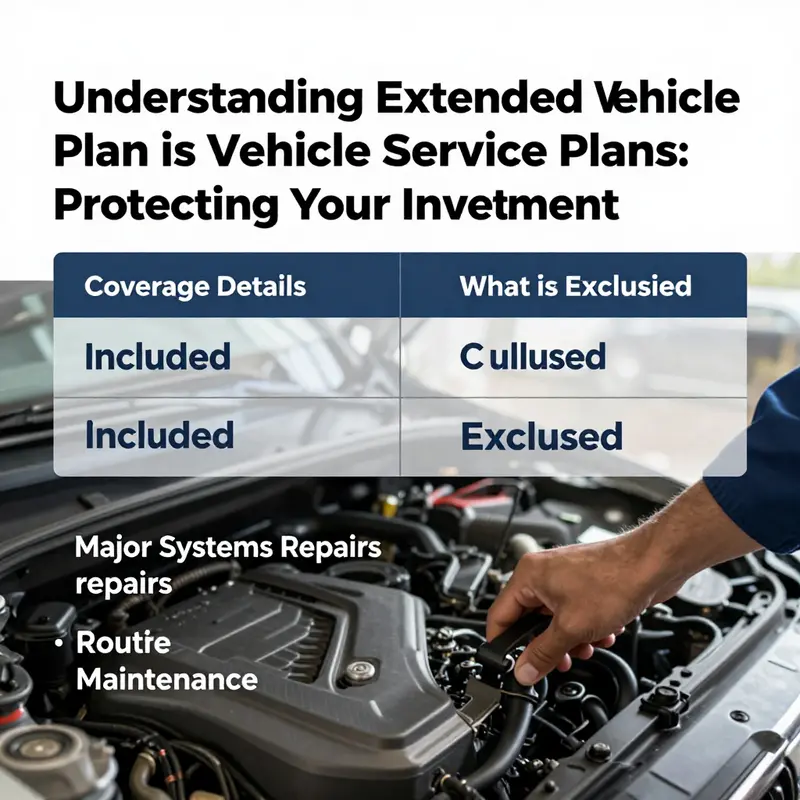
An Extended Vehicle Service Plan (ESP) is a protection contract that kicks in after the manufacturer’s standard warranty expires. It is not included in the vehicle’s price and is not automatically part of the sale—it’s a separate agreement you choose to purchase. The goal of an ESP is simple: it cushions you from the surprise of mechanical failures on major systems and components that could otherwise rewrite the cost of ownership. For many owners, this protection is less about guaranteeing problem-free miles than about transforming potentially catastrophic repair bills into predictable budgeting. The practical value of an ESP grows when you look beyond the billed cost of a single repair and ask another question: how often could the contract save you money given your vehicle’s age, mileage, and operating conditions? When read this way, ESPs become a risk-management tool rather than a buy-it-and-forget-it product.
In broad terms, ESPs extend the coverage window beyond the factory warranty. The exact terms, however, depend on the provider, the vehicle type, and the selected plan. At a high level, ESPs commonly cover the engine, transmission, drivetrain, suspension, steering, cooling, electrical systems, and many other major systems. This coverage aims to address the parts and workmanship associated with failures, not routine maintenance. Because ESPs are separate from the vehicle’s price and financing, they carry their own deductibles, labor standards, and service networks. To use an ESP you typically must take the vehicle to an authorized service center or a network approved by the plan, and repairs are performed with specified parts, often genuine or manufacturer-approved equivalents. This structure helps ensure that when a covered failure occurs, the repair is performed to a standard that supports the contract’s value.
Many ESPs also include additional benefits that broaden their usefulness beyond the mechanical repair itself. Roadside assistance is common, offering help if the car breaks down far from home. Some plans arrange and reimburse for rental cars during repairs, which reduces the disruption to daily life. Towing to the nearest qualified facility is another frequent feature. These added services are not universal, but they often tilt the decision in favor of purchasing the plan when the extra convenience aligns with your usage patterns. The practical effect is to convert uncertainty—will this repair cost how much?—into a predictable monthly or annual expense. The peace of mind from such predictability can be meaningful, especially for owners who drive high-mileage distances or own aging vehicles that are approaching the later stages of their life cycle.
An ESP also creates a structured framework for the actual repair. Because the plan is paid separately, the repair work is framed by the contract’s terms, including what components are covered, the limits on coverage, any caps on labor rates, and the specifics of what constitutes a covered failure. Some plans include a deductible per repair, while others eliminate deductibles for certain reimbursement benefits. The deliberate design behind deductibles is to discourage frivolous claims while ensuring the plan remains financially sustainable for both the provider and the consumer. In many cases, the contract will spell out that routine maintenance must be performed on schedule at authorized centers, using approved fluids and parts. This requirement mirrors how factory warranties function, which helps preserve the plan’s integrity and reduces the likelihood of denied claims due to improper care.
Transferability is another feature that can influence the long-term value of an ESP. If you decide to sell the vehicle, many providers allow the remaining coverage to transfer to the new owner. In a market where used vehicles compete on total cost of ownership and reliability signals, the ability to offer extended protection can be a meaningful selling point. It signals that the vehicle has been maintained within the framework of a recognized protection plan and that the buyer would have continued support in the event of a major repair. The transfer often adds value, particularly for vehicles that have historically shown lower reliability or higher maintenance costs.
Optional add-ons broaden an ESP’s utility beyond the standard package. An example is tire and wheel protection, which covers damage caused by road hazards like potholes or debris. These add-ons can include relief from replacement costs for tires and wheels and may carry their own deductible terms. In some programs, the tire and wheel protection brings with it additional reimbursement protections that cover towing, rental, hotel, or meals when a covered failure forces you to seek service away from home. The value of such an add-on depends on your local road conditions, driving style, and the cost of tires in your market. It is not unusual for owners in regions with rough road surfaces or long commutes to favor such enhancements, while suburban drivers with pristine roads may opt for a leaner plan focused on major mechanicals.
Despite these broad themes, ESPs are not universal guarantees. There are notable exclusions that owners should scrutinize before signing. Normal wear and tear is a frequent candidate for exclusion, encompassing elements such as brake pads, brake rotors, or tires that wear from regular use. Damage resulting from accidents, collisions, or improper maintenance is typically excluded unless the plan explicitly covers such scenarios or provides a specific rider that does. Modifications or aftermarket parts not approved by the provider can void coverage for affected systems. Plans may also exclude failures caused by lack of routine maintenance or by operating the vehicle with non-approved fluids or parts. Cosmetic damage, upholstery issues, and non-mechanical faults generally fall outside the scope of ESP protection. Pre-existing conditions, defined as issues discovered before the plan’s purchase, are commonly excluded, along with failures tied to non-genuine fluids or parts. Finally, coverage can be subject to regional rules and local regulations, with some plans offering different terms if the vehicle is used for commercial purposes, off-road use, or in vehicles with high-performance specifications.
Given this landscape, how should a buyer decide whether an ESP makes sense for their vehicle and their budgeting approach? The decision rests on several practical lenses: the vehicle’s age, current condition, and projected journey. If you own a late-model car or an older vehicle with a higher risk of costly repairs, ESPs may deliver real value by converting potential unpredictable costs into predetermined payments. If you plan to keep the vehicle for a short period or drive minimally, the insurance-like protection may offer less value unless you anticipate specific mechanical vulnerabilities that the plan covers. The cost of the ESP, which can be a single upfront payment, annual renewal, or folded into financing, should be weighed against your expected maintenance costs, your risk tolerance, and the reliability history of your particular model. It is not a one-size-fits-all decision but a personalized calculation that blends historical reliability, dealer networks in your area, and your willingness to navigate contract terms.
A thoughtful ESP evaluation goes beyond the sticker price. Prospective buyers should request a complete contract sample and, when possible, compare multiple providers. Look for the scope of coverage and verify which systems are explicitly included and which are excluded. Ask about the network of service centers and whether the plan requires maintenance at authorized facilities. Clarify what constitutes a covered repair, what parts are covered, who supplies the parts, and what the labor rate caps are in practice. Understand the claims process: the steps from reporting a problem to approval and payment, and the potential for pre-authorization for certain repairs. In some cases, plans will require pre-approval or will only cover repairs performed by specified technicians. It is important to know how reimbursements are handled, what documentation is required, and how discrepancies in pricing or quality are resolved.
When reading the fine print, think about your typical driving pattern and lifestyle. Do you put many miles on the clock each year, or do you take shorter trips and primarily use the vehicle for urban commutes? Do you own an older vehicle with known maintenance quirks, or do you own a newer model whose long-term reliability remains strong? Do you frequently travel to remote areas or rely on service centers that are far from home? The answers help explain not only the probable frequency of covered repairs but also the practical value of benefits like rental car reimbursement or towing. If you rarely need a spare vehicle or prefer to arrange your own emergency plans, you might weigh the plan’s core mechanic coverage more heavily. If, on the other hand, you rely on your vehicle for daily business travel, a plan that offers a generous rental reimbursement and solid roadside assistance could be worth the additional premium.
For readers seeking practical steps that combine maintenance discipline with smart protection, a good starting point is to maintain rigorous maintenance records and align them with the plan’s requirements. Regular service at authorized facilities, documented with receipts and stamped maintenance logs, can prevent disputes about gaps in coverage caused by neglect or improper maintenance. Understanding the vehicle’s maintenance schedule and how it intersects with ESP terms helps fortify your claim readiness when a problem arises. In turn, this discipline also enhances resale value, because a well-documented maintenance history demonstrates responsible ownership and a proactive approach to keeping the vehicle in its best mechanical condition. Clear documentation also reduces the likelihood that a claim is delayed or denied because a maintenance item was left unaddressed beyond the recommended interval.
Readers who want more practical guidance on ongoing vehicle care can explore resources that address routine upkeep, with a focus on maintenance timing, fluid checks, and fault-prevention strategies. Maintenance habits that align with ESP expectations—such as timely oil changes, filter replacements, and system flushes in accordance with manufacturer recommendations—can bolster the odds that a covered failure occurs within the plan’s terms rather than as a result of neglect. As with any protection vehicle, the value lies not only in coverage but also in stewardship: knowing when to seek service, whom to trust, and how to document each step so the plan does not become a source of friction during a claim.
To place this conversation in the broader context of vehicle ownership, it helps to consider how ESPs intersect with the typical lifecycle of a car, truck, or motorcycle. In the early years, factory warranties complement these plans, with ESP stepping in as a bridge into later ownership. In mid-life, ESPs can help smooth out the cost curve as the vehicle accrues mileage and the likelihood of component wear increases. Toward the end of a vehicle’s horizon, ESPs can provide critical protection against major system failures that would otherwise necessitate a substantial cash outlay. The benefit is not just financial; it is the practical reassurance that a breakdown, when it occurs, will be managed within a trusted service network that you already know and trust. If the plan is designed with a broad coverage scope and a fair set of limitations, the experience can be notably less stressful than facing a sudden repair bill that dwarfs the vehicle’s overall value.
In the end, choosing an ESP is about balancing risk and reward in light of the vehicle’s profile, your driving environment, and your personal tolerance for uncertainty. The nuances lie in the details: which components are covered, how long coverage lasts, under what conditions maintenance must be performed, what the deductibles look like, and how straightforward the claims process is. A well-chosen ESP aligns with actual ownership patterns and acts as a reliable backstop when unforeseen mechanical faults arise. For some owners, the right ESP provides a sense of financial strategy in a world where the cost of major repairs can be unpredictable. For others, the risk of frequent claims or the limits on coverage may tilt the balance in favor of self-insurance through prudent budgeting and a disciplined approach to maintenance.
If you want to explore practical resources on maintenance discipline and related topics, you can visit the KMZ Vehicle Center blog for guidance on keeping vehicles in top condition and mitigating avoidable issues. KMZ Vehicle Center blog. This resource can help you pair regular maintenance with protective plans in a way that makes sense for your vehicle and your lifestyle.
External reference for broader context. For a representative overview of extended protection plans and their common terms, see the official extended service plan page. https://www.harley-davidson.com/en_US/extended-service-plan.html
Extended Vehicle Service Plans: A Practical Guide to ESP Coverage
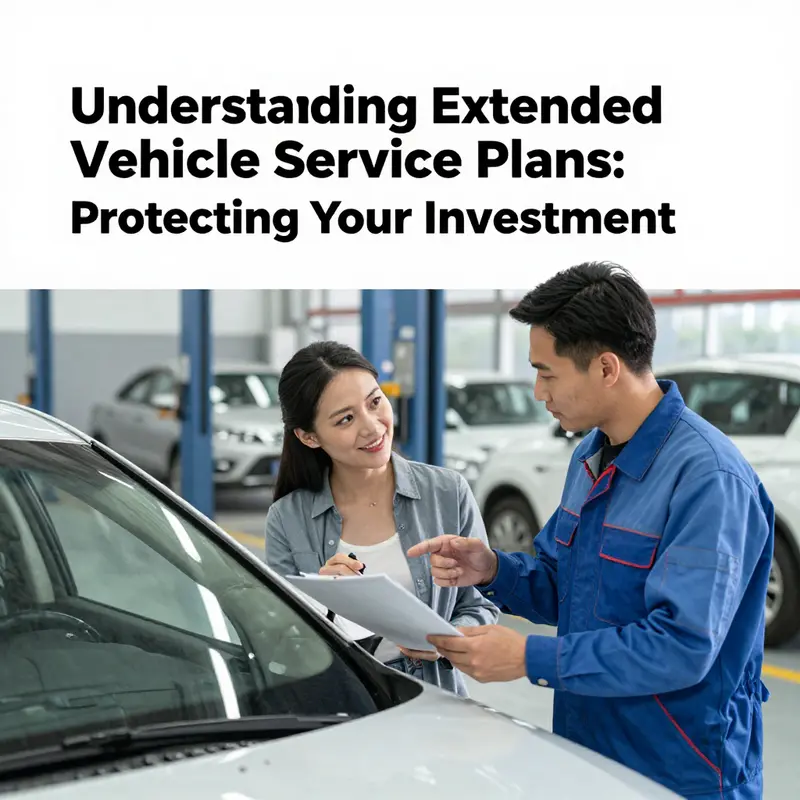
An Extended Vehicle Service Plan (ESP) sits outside the factory warranty as a separate agreement that promises to cover certain repairs after the warranty ends. It shifts some financial risk from the owner to a third party, helping drivers budget for costly items. ESPs are not one-size-fits-all products; they come with different terms, coverage options, price points, and maintenance prerequisites. The appeal is predictable costs: a fixed premium paid upfront or over time, and a pathway to repair costs that might otherwise be unpredictable. Yet the reality is nuanced. Coverage is typically centered on major systems like the engine and transmission, and may include add-ons such as roadside assistance or rental car reimbursement. The exact mix depends on the provider and the vehicle, and the contract defines how claims are filed and what is required to pursue coverage. The key is to read the fine print and understand how maintenance requirements, part quality, and network restrictions affect eligibility when a repair is needed.
Maintenance discipline is a core determinant of ESP effectiveness. Plans often require regular servicing at authorized centers and the use of OEM or equivalent parts. If maintenance is skipped or performed at nonauthorized facilities, coverage can be reduced or denied. This makes the ESP not just insurance but a maintenance contract that ties ownership habits to claimability.
When deciding to buy an ESP, owners weigh risk tolerance, intended ownership horizon, and total cost. A higher premium may unlock broader coverage but increases upfront costs, while a lower premium might come with deductibles, caps, or limited items. Transferability on resale can also influence value. For some buyers, ESPs deliver peace of mind and budgeting predictability; for others, the plan adds cost with uncertain payoff. The decision rests on how a given vehicle’s reliability profile, age, mileage, and usage pattern align with the contract’s specifics.
For readers seeking practical context, consider how routine maintenance intersects with ESP terms, such as required service intervals and documentation. Understanding these requirements helps determine whether a claim will be honored and how long the coverage will remain valid. A well-chosen ESP can complement good car maintenance and prudent budgeting, turning a potential financial shock into a manageable expense.
External resources can provide broader market context, including how extended service plans are marketed and implemented across brands and nationwide networks, such as the example linked here: https://www.harley-davidson.com/en-us/extended-service-plan.html
Beyond the Factory Warranty: A Thorough Look at the Cost, Coverage, and Confidence of Extended Vehicle Service Plans
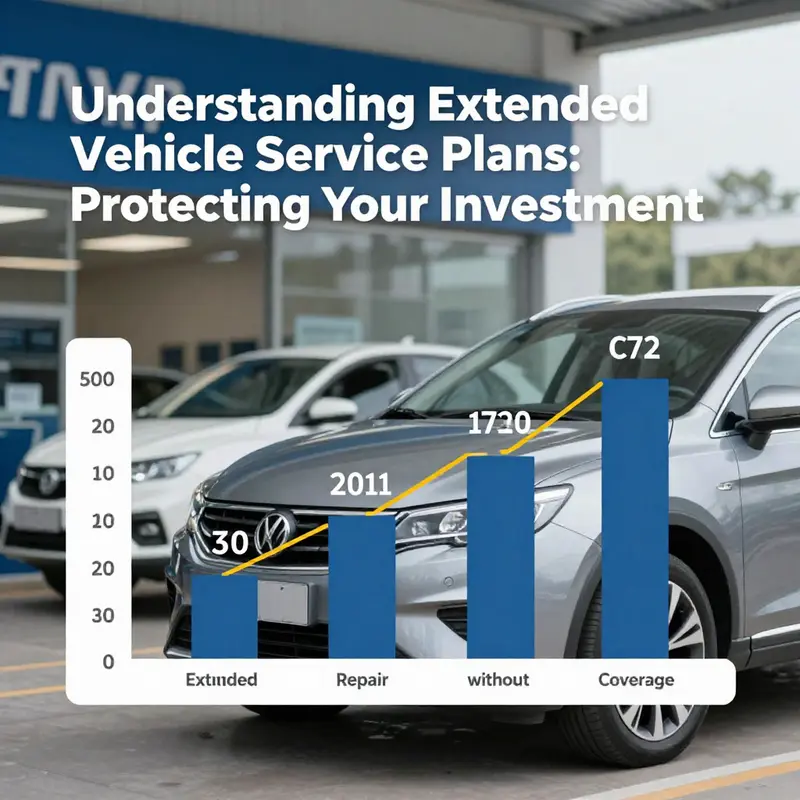
An Extended Vehicle Service Plan, or ESP, sits at the boundary between protection and pragmatism. It is not the free addition at the bottom line of a new-car purchase, nor is it a one-off repair bill you hope never to see again. Instead, an ESP is a carefully structured contract that promises to help manage the financial risk of mechanical failures after the factory warranty has expired. Its appeal rests on predictability: the ability to budget for repair costs, and the promise of coverage when a major system falters. Yet the value of an ESP is not universal. It depends on the vehicle, its projected maintenance needs, how long you intend to keep it, and how risk-averse you are about sudden, potentially substantial repair bills. To weigh these questions effectively, it helps to marry a clear view of cost with a grounded sense of likelihood, maintenance practices, and the specifics of coverage.
The financial landscape of ESPs is surprisingly broad. The market, often described as an aftermarket protection segment, has grown into a significant economy of its own. A pivotal study from the broader industry literature places the market at a sizable scale, underscoring how many owners view ESPs as a way to shield themselves from major repair expenses once the original warranty lapses. Within that space, price tags vary widely. A 2025 market analysis found that the average annual cost for an extended auto warranty across the spectrum of providers, plan types, and vehicle classes hovers around the mid-to-high thousand dollars on a yearly basis, with substantial dispersion depending on what is covered, the make and model, and the provider’s terms. In plain terms, the sticker price of an ESP is a function of coverage depth, deductible structure, and the breadth of the network that can service the plan.
One of the most important realities when discussing ESPs is that there is no one-size-fits-all price. The base premium or the upfront fee is only the first piece of the puzzle. Some plans are built as time-bound or mileage-bound contracts; others are sold as more flexible arrangements with annual renewals. Costs often reflect the coverage of core powertrain components—think engine and transmission—and can extend to major systems and even ancillary items like electronics and steering. But cost is only part of the story. The design of the contract—the deductible, the preferred network of service centers, and the maintenance requirements—can dramatically reshape the true cost over the life of ownership. For instance, a plan that covers a broad set of components but imposes very high deductibles or very limited access to authorized service centers might end up being less valuable than a more modest plan with lower out-of-pocket exposure and a wider service network.
Beyond sticker price and deductible structure, the long-run value of an ESP hinges on maintenance discipline and the vehicle’s reliability history. Coverage is most effective when paired with a rigorous maintenance regime. Manufacturers often mandate that service be performed at authorized centers and that genuine parts be used as a condition of coverage. Missing a maintenance milestone or deviating from the recommended service schedule can jeopardize eligibility for a claim. This linkage between preventive care and post-warranty protection aligns ESPs with broader consumer goals: keeping a vehicle safe, efficient, and within warranty-stipulated care standards. The practical upshot is that ESPs reward owners who operate with a forward-looking maintenance plan rather than those who treat service as an episodic event.
A notable strand in ESP discourse is the emergence of nontraditional, subscription, or rental-style arrangements, especially in segments where new-vehicle technology and software complexity have raised ongoing service costs. In some cases, providers offer a subscription model that can be paused or adjusted as vehicle status changes or as owners reassess risk. The contractual logic remains consistent: access to coverage in exchange for ongoing payments, with a deductible payable when claims are filed. In these models, eligibility often hinges on the vehicle’s warranty horizon and a pre-enrollment inspection or eligibility check. The broader implication is that ESPs are evolving in structure as vehicles themselves evolve, particularly as electrified powertrains, advanced driver assistance systems, and connected car services add layers of potential repair costs.
From a consumer’s viewpoint, the decision to purchase an ESP should be guided by a mix of expected costs and risk tolerance. For high-mileage or older vehicles, the probability of a major repair can rise as components wear and efficiency declines. In such cases, the ESP’s value can be compelling: it can shield a household from the shock of expensive repairs and can smooth cash flow when a repair bill would otherwise be a surprise. On the other hand, for newer, highly reliable models with a low predicted failure rate, the ongoing premium may exceed the expected repair costs. Here the value proposition shifts toward peace of mind and the comfort of predictable budgeting, rather than a clear math of reimbursement.
The shape of the coverage itself matters as much as the math behind it. Consumers should scrutinize what is truly included: which systems, components, and failure modes are protected, and which are explicitly excluded. Coverage that sounds robust in the abstract can hinge on narrow interpretations when a claim is filed. For example, some ESPs cover the engine and transmission but exclude certain ancillary systems or electronic components that are increasingly central to modern vehicles. Coverage that includes towing, roadside assistance, rental car reimbursement, or trip interruption can substantially affect the perceived value, but such benefits often come with limits that need careful review. The overarching lesson is simple: read the fine print with a magnifying glass. Almanacs of exclusions and limitations—such as maintenance obligations, geographic constraints, and renewal terms—are not dry legalese but essential statements about the contract’s real-world behavior once a problem arises.
Another layer of complexity arises from the claims process itself. The speed and simplicity with which a warranty provider processes a claim can shape the ESP’s value more than any single line item. A smooth experience—clear communication, predictable approvals, and timely reimbursements—renders an ESP a practical tool for managing risk. A difficult claims process, on the other hand, can turn a straightforward repair into a drawn-out ordeal that erodes the utility of the plan. In evaluating providers, therefore, it is prudent to consider not just the coverage map but the service reliability and the reputation for customer care. Some owners place high importance on a broad service network that includes national or regional coverage, ensuring that the plan travels with them across different states without forcing inconvenient add-ons or alternative arrangements.
The economics of ESPs also intersect with vehicle depreciation and resale value. A transferable or active ESP can be a selling point for buyers who value predictability in ownership costs. Yet, the incremental value depends on the buyer’s willingness to accept a future repair risk mitigated by a contract, rather than the mere presence of coverage. In some markets, ESPs can be marketed as a feature that extends the vehicle’s useful life and reduces the total cost of ownership over the period when major repairs are most likely to occur. In others, potential buyers may view ESPs as a sign that the vehicle had higher maintenance risk or that the original purchase price did not include anticipated repairs. For this reason, owners should consider the ESP not as a universal enhancer of resale value, but as a nuanced factor that interacts with the vehicle’s reliability history, maintenance habits, and overall ownership strategy.
As with any financial product, the decision framework for ESPs benefits from a clear, forward-looking calculation. Start with a baseline: what are the projected repair costs over the remaining life of the vehicle if no ESP is purchased? This requires a thoughtful look at the specific model, its reliability data, the likely failure modes, and the maintenance plan ahead. Then compare that baseline to the ESP’s total expected cost, including the premium, any deductibles paid per repair, and the probability-weighted value of included benefits such as roadside assistance or a rental-car provision. The math is not about a single forecast but about a range of scenarios: best case, typical case, and worst case. If the ESP reduces the risk of outsized bills in the scenarios that matter most to you—say, longer trips, heavy use, or a fleet of vehicles in the household—the plan earns its keep. If, by contrast, the vehicle’s past reliability and your maintenance discipline predict low likelihood of major failures, the plan’s cost may loom large over your long-term budget.
Practical decision-making also benefits from a careful look at renewal and cancellation terms. Some ESPs are designed to be renewed automatically, with price adjustments tied to vehicle age and mileage. Others require re-qualification or an additional inspection upon renewal. The political economy of these terms matters: renewal guarantees, price ceilings, and the potential for rate increases over time can tilt long-run value in subtle ways. An ESP that looks attractive for a five-year horizon may become misaligned if you plan to keep the vehicle much longer or if your usage patterns change dramatically. The best approach is to align the plan’s horizon with your ownership window and to be mindful of how changes in mileage, usage, or local repair costs could shift the cost-benefit balance.
Then there is the question of how ESPs interact with broader maintenance culture. The plan’s value increases when owners treat maintenance as preventive care rather than a reaction to a breakdown. Adherence to service intervals, use of recommended fluids and parts, and timely repairs all contribute to the likelihood that a claim will be valid and that the vehicle remains in good operating condition. In that sense, ESPs reward disciplined ownership: regular maintenance reduces the chances of accidental coverage gaps and helps ensure that when a repair is needed, it is performed with the quality and procedures the plan expects. This synergy between responsible upkeep and financial protection can make ESPs a logical complement to an overall ownership strategy that emphasizes reliability and careful budgeting.
For readers seeking practical how-to guidance, the conversation often turns to a cost-benefit mindset rather than a binary yes-or-no decision. Start with a rough projection of your anticipated miles per year, driving conditions, and the vehicle’s known reliability profile. If you expect to rack up high mileage quickly or anticipate operating in environments that stress mechanical systems, an ESP could significantly reduce the risk of large, unplanned expenditures. If you expect lighter usage in the early years or if you place high value on flexibility and cash flow, you may choose to forgo the plan or to opt for a more modest level of protection. Either path should be chosen with a clear understanding of what is included, what is excluded, and how claims are adjudicated.
For readers who want additional context on maintenance and long-term planning, a broader perspective on vehicle care can enrich ESP decisions. The decision to repair or replace a component, the timing of up-front maintenance, and the overall health of the vehicle hinge on a reliable maintenance cadence. For those who are curious about practical maintenance practices that can complement an ESP, practical guidance and insights are available in long-form discussions on automotive care. The KMZ Vehicle Center blog, for example, offers a broad reservoir of maintenance tips and cost considerations that can inform ownership decisions and help readers calibrate expectations around ESPs. You can explore that resource here: KMZ Vehicle Center blog.
As this chapter has shown, the value of an ESP cannot be judged by the price tag alone. It rests at the intersection of coverage depth, cost transparency, service quality, and the owner’s willingness to maintain the vehicle proactively. The smart approach is to treat ESPs as one tool among many in a diversified risk management strategy for vehicle ownership. They are most beneficial when the anticipated lifecycle costs of repairs are high relative to the plan’s price, when maintenance discipline is strong, and when the coverage aligns with the user’s travel patterns and ownership horizon. Conversely, for owners who keep costs predictable through disciplined maintenance and who drive vehicles with strong reliability records, the incremental premium of an ESP may degrade value unless the plan offers compelling ancillary protections that genuinely reduce other potential outlays. In either scenario, the decision hinges on a thoughtful estimate of how likely you are to encounter expensive repairs, how willing you are to absorb those costs out-of-pocket, and how the plan’s terms interact with the realities of your vehicle’s maintenance needs.
For readers who want to verify current terms and pricing, it is wise to consult official resources and real-time policy details. Information evolves as vehicles become more complex and as service ecosystems adapt to new ownership models. The conversation about ESPs is ongoing and fluid, reflecting the evolving technology of modern cars, the shifting landscape of repair costs, and the growing appetite among owners for predictable expenses rather than uncertain bills after each breakdown. In this sense, ESPs are not merely a product to purchase; they are a lens through which ownership costs, maintenance habits, and financial planning converge.
External resource: For a contemporary reference that discusses extended service agreements in the context of aftermarket protections, see the official policy information page. https://www.tesla.com/support/extended-service-agreement
Final thoughts
Extended Vehicle Service Plans present an invaluable opportunity for protection against costly repairs, providing peace of mind for car owners, particularly in the used car and fleet market. Understanding the scope, benefits, coverage, and costs associated with these plans is essential for making informed decisions. A well-chosen ESP can safeguard your investment and ensure you’re prepared for the unexpected.