
Understanding the need for regular vehicle servicing is crucial for any car owner or operator. This guide navigates the significance of adhering to manufacturer recommendations, optimizing performance through timely maintenance, and preventing costly repairs down the line. With insights specifically tailored for local private car owners, used car buyers and sellers, and small business fleet operators, this comprehensive resource aims to enhance your vehicle’s longevity and reliability. Each chapter will delve into the intricate balance of following prescribed service intervals, ensuring optimal performance, and protecting your investment against expensive repairs, providing you with actionable insights for maintaining your vehicle in peak condition.
Decoding the Manufacturer’s Servicing Schedule: A Practical Path to Safety, Longevity, and Reliability
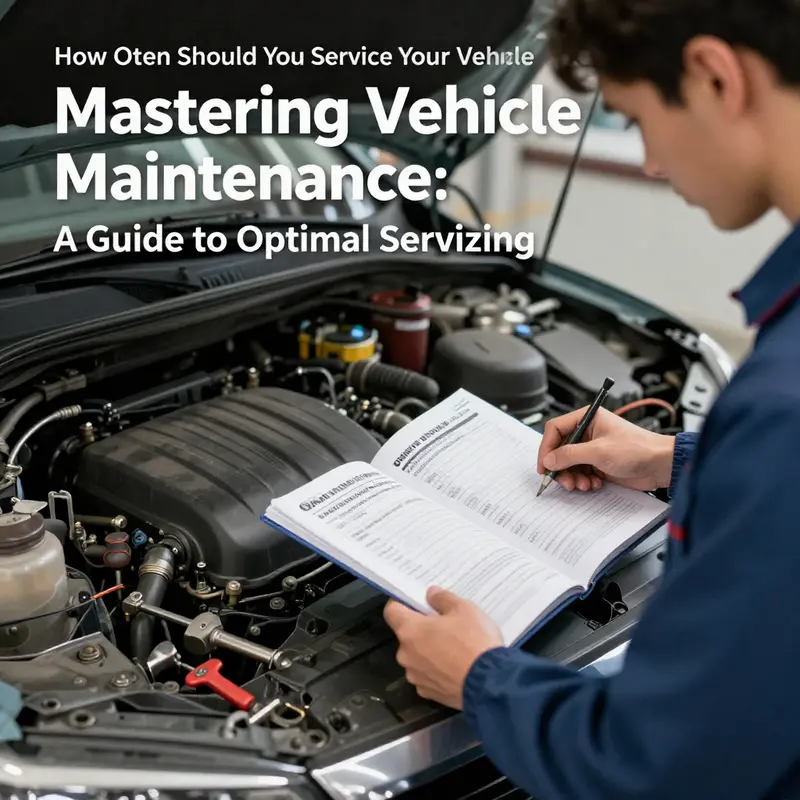
Every vehicle comes with a built-in plan for how often it should be serviced. This plan isn’t arbitrary; it’s the result of years of engineering, testing, and a clear focus on safety, reliability, and long-term performance. When you look at the servicing schedule, you’re not simply checking a box to keep a warranty happy. You’re aligning the car’s maintenance with how it was designed to operate under a wide range of conditions. This alignment helps ensure that the engine remains clean and efficient, the fluids stay within their intended ranges, and the moving parts continue to interact in ways that minimize wear. In short, following the manufacturer’s guidance is how you give your vehicle the best chance to perform consistently, day after day, mile after mile.
For most modern cars, the standard recommendation rests on two core variables: distance and time. In many regions, including common practice for contemporary models, the interval is defined as either a mileage threshold—typically around 10,000 to 15,000 miles—or a time threshold—often 12 months—whichever comes first. This dual-criterion approach reflects the reality that engines and fluids don’t degrade in a straight line. The oil can break down with heat and contaminants even if you aren’t racking up big mile totals, and certain fluids can lose their effectiveness after a year of exposure to temperature swings, humidity, and driving conditions. The result is a maintenance window that protects the engine’s lubrication, the cooling system, the braking system, and the broader drive train.
The core maintenance tasks wrapped into these intervals have become familiar: an oil change, replacement of the oil filter, a fundamental check of all fluid levels, rotation of the tires to even wear, inspection of brake components, and a broad look at belts, hoses, and lights. Modern service may also incorporate air-filter changes, cabin-filter inspections, and comprehensive checks of the vehicle’s electronic control systems. The specifics can differ by make, model, and engine type, but the spirit remains constant: service early, service regularly, and service in a way that respects the design language of the engine and the vehicle’s systems.
A practical way to think about the schedule is to consider how you drive. If you spend most of your time commuting in stop-and-go traffic, your engine runs hotter and your fluids cycle more frequently. Short trips that don’t allow the engine to reach optimal operating temperature can cause condensed moisture to linger in the exhaust and in the cooling system, which over time can lead to corrosion and sludge. In such conditions, the manufacturer’s recommended intervals often skew toward more frequent service. Conversely, if your driving consists of long highway trips with consistent speeds and minimal stops, you’ll typically place less stress on these systems, and your vehicle may tolerate longer intervals between routine checks—within the bounds of the manufacturer’s guidance and the vehicle’s own design tolerances.
An important nuance is the role of oil type. Synthetic oils have become commonplace in many modern engines and are engineered to offer greater resistance to breakdown at high temperatures and under sustained loads. Vehicles that use synthetic oil may, under normal driving conditions, allow for extended intervals—some makers even suggesting changes every 15,000 miles, and in some cases up to 20,000 miles. The trade-off is that these extended schedules assume clean driving conditions, high-quality oil, and a brand-new engine with a well-sealing lubrication system. If your driving is aggressive, dusty, or city-based with frequent short trips, the longer intervals may not apply. In those cases, the manufacturer’s guidance will still reflect the more frequent service cadence needed to protect the engine’s longevity and warranty.
All of this underscores a simple fact: the numbers you see on the manual or the message center aren’t arbitrary. They reflect a balancing act between preserving performance and controlling service costs. Following them isn’t just about avoiding a warranty claim; it’s about maintaining the precise tolerances that the engineering team built into the vehicle. When components wear evenly and fluids maintain their protective properties, the engine remains responsive, fuel efficiency is preserved, and the risk of unexpected failure is reduced. The long view, then, is a practical one: when you keep the schedule, you’re investing in reliability and resale value, not simply ticking off tasks on a to-do list.
A critical factor in interpreting the schedule is the distinction between time-based and distance-based intervals. Some owners may see a single number in their manual—such as 10,000 miles or 12 months—and assume that number is universal for all drivers. In reality, the schedule is a framework. It’s designed to cover typical wear patterns and to accommodate the broad spectrum of real-world driving. Yet every vehicle is also a mosaic of variants: engine family, fuel type, turbocharging, direct injection, exhaust after-treatment, and even the materials used for gaskets and seals. Diesel engines, for example, may present different maintenance touchpoints compared with gasoline units, particularly around filter replacements and fuel-system inspections. Likewise, vehicles equipped with modern turbocharged or high-performance engines may call for more frequent checks of several subsystems, given the higher operating stresses and the impact of heat and pressure on fluids and seals.
The end result is a schedule that is specific to your vehicle’s design. That specificity is why the owner’s manual sits at the heart of maintenance decisions. It isn’t a relic of the analog era; it’s a living document that reflects the exact engineering constraints the manufacturer intends you to respect. Because the schedule is tied to your exact model year, trim, and options, you’ll find that the recommended miles and months can vary from one configuration to another. This is why a one-size-fits-all mantra—such as “change oil every three thousand miles”—is not only outdated but potentially misleading for many modern engines. The longer intervals, when used appropriately, reflect improvements in engine design, lubrication science, and material quality.
With this understanding, it becomes productive to view service intervals as a map rather than a rule. The map guides you toward timely checks that catch wear before it becomes a fault. It also helps you coordinate maintenance with other life events. If you know a trip of several thousand miles is on the horizon, you can plan a service to occur before you hit the road. That way, you reduce the risk of a warning light or a breakdown that could disrupt your plans. The map also makes it easier to talk with your technician. When you bring the vehicle in, you can reference the schedule and ask for the specific items that are recommended at that mileage and time mark. This approach keeps the conversation grounded in the car’s actual design and removes the guesswork that can come with generic servicing advice.
In practical terms, the sequence of maintenance tasks embedded in the schedule typically starts with the oil and filter. Fresh oil protects the engine’s moving parts, lubricates the bearings, and supports efficient combustion. The oil’s viscosity and chemistry are chosen to align with the engine’s tolerances and with the expected operating temperatures. The oil filter serves as a barrier against contaminants that could otherwise cause accelerated wear or clogging. The next tier of service often includes a fluids check: coolant, brake fluid, transmission fluid, power steering fluid, and windshield washer fluid. Each of these plays a nontrivial role in safety and performance. Coolant maintains the engine’s operating temperature, brake fluid supports reliable stopping performance, and transmission fluid protects the gearset while ensuring smooth shifts. The tire rotation comes into play to ensure equal wear and to extend tire life, which in turn affects handling and fuel economy. Air and cabin filters are inspected or replaced to maintain airflow and interior air quality, while belts and hoses are checked for signs of cracking or wear.
The maintenance schedule also interacts with the vehicle’s electronic systems. Modern cars are filled with sensors, actuators, and computer-controlled functions that support efficiency, emissions control, and safety. Routine service can reveal issues that would not be evident through a simple road test. A technician may read fault codes, review data from pressure sensors, monitor oil analysis if applicable, and inspect cooling system components. In this sense, servicing has moved beyond a simple chore into a diagnostic process that helps protect the vehicle’s health rather than simply reacting to symptoms after they appear. This proactive approach aligns well with the broader goal of preventive maintenance: to sustain performance while avoiding costlier repairs that can arise from neglected wear and tear.
For the owner who is curious about how to balance time and mileage in practice, there is a useful way to frame the decision. If your driving pattern is dominated by long trips and fewer start-stop cycles, you can reasonably plan to extend intervals within the manufacturer’s limits. If your driving is dominated by short trips in a hot or dusty climate, the environment accelerates degradation, and more frequent service is prudent. If you are unsure which category your usage falls into, the safest default is to follow the manufacturer’s schedule strictly and treat any deviations due to special conditions as a reason to adjust upward the maintenance cadence. In many cases, dealers and independent shops can tailor the schedule to your driving realities without compromising warranty terms, as long as you maintain the documented service history and use approved fluids and parts.
In the spirit of making these ideas actionable, some owners benefit from a simple, repeatable routine. Keep a log of every service event, including what was checked, what was replaced, and the vehicle’s response. A documented history creates a baseline for future decisions and can support resale value. Digital reminder systems, maintained by your vehicle’s own onboard computer or by a service portal, can prompt you ahead of time when a new interval is approaching. These reminders make it easier to prevent cumulative wear from creeping up between visits. They also help you coordinate other repairs and inspections—like brake pad replacement, tire changes, or climate-control service—so that several tasks can be completed in a single trip, reducing downtime and maximizing the effectiveness of each visit.
There is also value in understanding the broader context of service frequency within the automotive ecosystem. As the automotive fleet evolves toward electrification and advanced powertrains, the emphasis on scheduled maintenance continues, though the specific items and intervals may shift. Electric drivetrains, for instance, have different lubrication needs and cooling requirements, while still benefiting from periodic inspections of safety-critical systems, cooling, and software updates. Even as technology advances, the principle remains: maintenance should be aligned with how the vehicle was engineered to operate, using the documentation provided by the manufacturer as your compass.
To bring these threads together, a practical approach to determining how often to service your vehicle is to treat the schedule as a living guideline rather than a fixed rule. Read the owner’s manual carefully, noting the exact mileages and timeframes for your model and year. Consider your typical driving conditions—do you drive short trips in a metropolitan area, or do you cover long highway miles across a rural corridor? Reflect on the quality of fuel, the climate, and whether you use synthetic oil or conventional oil, as these factors can shift the cadence in meaningful ways. And remember that a well-timed service is not merely a maintenance event; it is a preventive measure that preserves performance, safety, and value over the vehicle’s entire lifetime.
For readers who want a focused look at the nuances of oil-change intervals and how to weigh time versus mileage in that decision, there is a deeper discussion available here: Optimal oil-change intervals: time vs. mileage. This resource dives into how to interpret the trade-offs of time and distance, what to expect from synthetic versus conventional oils, and how driving patterns can shift the optimal cadence. While the specifics will vary by vehicle, the underlying logic remains consistent: maintain the integrity of the lubrication system, honor the manufacturer’s thresholds, and tailor the plan to how you actually drive.
Ultimately, model-specific guidance—while essential—also serves as a bridge to informed conversations with technicians. When you arrive at a service center, you can reference the precise checklist that corresponds to your car’s unique configuration. If you have any doubt about the recommended interval, it is sensible to verify with the formal documentation or dedicated support channels from the vehicle’s maker. The official maintenance schedule, accessible through the vehicle’s owner resources page, provides the definitive roadmap for your exact model year and trim, ensuring you aren’t relying on outdated or generic recommendations. For model-specific maintenance schedules, consult the official maintenance schedule published by the vehicle maker: https://www.toyota.com/tcom/en/support/owners_manuals.html. This link serves as an example of where model-accurate instructions live—keeping you aligned with the design engineer’s intent and the warranty framework that protects your investment over the long term.
Beyond the Mileage Meter: A Practical Guide to Servicing Your Vehicle for Peak Performance and Longevity
A well-serviced car is not a luxury; it is a foundation for safety, reliability, and true long-term value. The question, How often should you service your vehicle? does not have a single, universal answer. It lies at the intersection of what the manufacturer recommends, how you drive, and the environment in which your vehicle operates. The guidance most manufacturers provide is practical rather than theoretical: service at intervals that keep the engine and mechanical systems in good working order, with checks that catch developing problems before they become expensive repairs. In Australia, a common rule of thumb is to service every 10,000 to 15,000 kilometres or once a year, whichever comes first. This annualized, mileage-based cadence is intended to balance convenience, safety, and the realities of road wear. Still, a blanket interval can be too blunt for any given car, driver, or climate. The owner’s manual remains the most reliable map, offering model-specific intervals and recommendations tailored to your vehicle’s engine type, transmission, and components. When in doubt, consult the manual or your local dealership and align the schedule with how you use the vehicle.
The essence of good servicing is not simply swapping parts on a clock; it is keeping the car’s vital organs healthy and responsive. Regular servicing sustains the engine’s efficiency, preserves braking performance, ensures the cooling system remains effective, and keeps electrical and lighting systems ready to perform. It also serves as a proactive shield against the hidden costs of neglect. Small, routine checks can reveal leaks, worn belts, or degraded fluids before they threaten your safety or leave you stranded. In that sense, service intervals are less about chasing a number and more about maintaining a dependable baseline that fits your driving realities. For a deeper look at how to balance time and distance when it comes to oil-change intervals, see the resource on Optimal oil-change intervals: time vs. mileage. The guidance there complements what you’ll find in your owner’s manual and helps you tailor intervals to your actual usage.
The general framework many drivers encounter starts with a comprehensive service every 10,000 to 15,000 miles or every 12 months, whichever comes first. In practical terms, that means a blended approach: a yearly check with mileage-based milestones that guarantee the service happens before critical systems drift from specification. This cadence includes a structured, thorough inspection of the engine oil and filters, a brake-and-tloods check, tire condition and wear assessment, fluid levels, lights and indicators, suspension components, and the overall mechanical integrity of the vehicle. It is a process that looks beyond the obvious wear items. A well-executed service also considers the fluids that quietly perform the work of temperature regulation, lubrication, and corrosion protection. Regular attention to these fluids, and their replacement on schedule, is one of the most dependable ways to extend the life and performance of the vehicle.
Yet, the simple rule of 10,000 to 15,000 kilometres or 12 months is only a starting point. Driving in extreme conditions can shorten the intervals you should observe. Short trips where the engine never reaches full operating temperature, stop-and-go city driving in heavy traffic, dusty environments that invite abrasive wear, towing heavy loads, or frequent long trips across remote stretches with substantial temperature variation all demand a more proactive approach. In such scenarios, you may want to service more frequently than the base guideline to maintain the same level of safety and performance you expect from your car. The extent of this adjustment depends on how aggressively the vehicle is used and how the environment challenges the cooling system, air intake, and lubrication pathways. When you pair this understanding with notes from the owner’s manual, you arrive at a practical cadence that is both protective and affordable.
A service, to be genuinely effective, must address both the routine checks and the less obvious, evolving needs of the vehicle. The engine oil is its lifeblood, the first line of defense against friction, heat, and wear. Engine oil is not a monolith; conventional oils and synthetic options behave differently under various loads and temperatures. The frequency of oil changes is the most common variable in servicing, yet it is not the only one. In many vehicles, the engine oil life is closely tied to operating conditions and monitored by on-board systems that calculate when the oil should be changed. That feature, when present, can help calibrate intervals more precisely than a static calendar or distance interval alone. The recommended oil-change frequency tends to fall into two broad ranges: conventional oil often requires more frequent changes, roughly every 5,000 to 7,500 miles, while synthetic oil can extend the interval to about 10,000 miles or more. In terms of kilometres, that translates to approximately 8,000 to 12,000 kilometres for conventional oil and up to 16,000 kilometres or more for many synthetic oils, depending on the vehicle and driving conditions. A good rule of thumb is to follow the manufacturer’s guidance for oil type and change interval, then adjust based on real-world usage—especially if you operate in challenging environments or drive in a way that generates additional stress on the engine.
Tire wear and wheel health rarely dominate the headlines when people think about servicing, but they are essential to safety and efficiency. Tires do not endure indefinitely, and uneven wear can signal misalignment, suspension issues, or improper inflation. Regular rotation spreads wear evenly, extending tire life and preserving grip across the tread. The frequency of tire rotation is commonly recommended anywhere from every 3,000 to 8,000 miles, with the precise interval depending on the vehicle and the tire type. In a busy Australian context, where roads and climates vary dramatically from coast to inland, rotating tires at the lower end of that range or aligning intervals with a scheduled service is a sensible approach. Beyond rotation, maintaining correct tire pressure and carrying out routine inspections for cuts, bulges, and tread depth are indispensable parts of the service cycle.
Cooling systems deserve close attention as well. The coolant is the shield that prevents the engine from overheating in summer heat or under heavy loads. Coolant should be checked regularly for level and condition, with replacement intervals commonly ranging from 30,000 to 60,000 miles depending on the coolant type and the vehicle. A simple monthly glance at the coolant level is a small habit with potentially big consequences. In some climates, where heat dominates for extended periods, you may opt for a more frequent coolant check and a slightly sooner replacement interval to maintain optimal thermal performance and avoid overheating risks.
Braking is the gravity anchor of safety in any vehicle. Brake inspection is typically recommended at least once a year, or whenever you notice a change in braking performance—soft pedal feel, longer stopping distances, or squealing noises. A thorough brake service includes assessing pad and rotor wear, inspecting calipers for sticking, checking brake fluid quality and level, and ensuring the ABS and associated systems operate reliably. Since brakes perform under daily stress, erring on the side of caution with annual checks is a prudent practice. A single, comprehensive brake assessment during a routine service can uncover fading performance and avert potential hazards.
Beyond these central elements, a broader service looks at other important components that quietly support vehicle reliability. Air and cabin filters, for example, protect the engine and passengers by keeping air clean and free of contaminants that could compromise performance or air quality in the cabin. Belts and hoses provide essential function to the charging system, cooling system, and engine timing; their condition often reveals wear long before a breakdown occurs. The battery and electrical connections deserve a periodic check for charge stability and corrosion, especially in climates with extreme temperatures or when the vehicle sits idle for longer periods. The wipers, lighting, and sensors also benefit from a quick visual check to ensure visibility and safety under night driving or adverse weather. A well-handled service integrates these checks into a single appointment rather than treating them as disparate tasks scattered across the calendar.
Central to implementing an effective servicing plan is how you translate the manual’s guidance into a schedule you can actually follow. Start with the base interval suggested by the manufacturer, typically expressed as a mileage window or a time period. Then, reflect on how you drive: urban versus highway, stop-and-go versus steady cruising, and the climate you habitually encounter. If you frequently tow or carry heavy loads, or if you operate in dusty or hot environments, you will want to lean toward the more frequent end of the spectrum. If you drive mainly on smooth highways in mild weather with a moderate load, the base interval may suffice, though periodic inspections remain important. In all cases, the service life of many modern vehicles is influenced by the presence of onboard monitoring systems. When equipped, these systems can indicate oil life, fluid condition, and other health indicators, offering a practical counterbalance to a fixed schedule. The interplay between manual guidance and real-time vehicle data helps you tailor maintenance to your actual usage rather than rely solely on an abstract cadence.
One practical way to think about the maintenance calendar is to view it as a living document rather than a single event. Each service creates a baseline from which you calibrate. You update the interval as your driving habits evolve, as the vehicle ages, or as local conditions change. If you are a new vehicle owner, you may start with the plan provided in the owner’s manual and adjust after the first year based on what you observe—oil change intervals with the first few services can inform the long-term pattern. If you already own several years of maintenance history, review the records to identify any patterns in wear or recurring issues and factor those insights into future service timing. The aim is to sustain performance and safety while avoiding unnecessary trips to the workshop, which can be inconvenient and costly.
For a concise reference on oil-change intervals, see the resource on Optimal oil-change intervals: time vs. mileage. It offers a practical perspective on when time matters just as much as distance and helps you align the oil schedule with your specific usage profile. That alignment is at the heart of a well-planned servicing strategy. In addition to oil changes, a well-timed service protects your vehicle’s value by preserving critical systems and ensuring that the car remains reliable when you need it most. Regular maintenance is an investment that pays dividends in reduced repair costs, improved fuel efficiency, and higher resale value, especially if you keep thorough service records that prove the car has been cared for.
To connect this approach with real-world expectations, consider how your vehicle’s reliability scales with the rhythm of maintenance. A well-scheduled service supports smoother starts, steadier acceleration, and steadier temperatures during operation. It keeps brake performance consistent and reduces the risk of unexpected failures that can occur when a fluid is degraded, a belt is stretched, or an element of the suspension wears unevenly. When you live in a climate that experiences significant temperature fluctuations, these benefits become even more pronounced. Engine oil expresses its role most effectively when the engine reaches its operating temperature frequently and maintains optimal lubrication. The cooling system, the battery, the transmission, and the exhaust system all rely on regular checks to maintain peak performance across a broad range of driving conditions. In short, the cadence you choose should be a practical embodiment of your daily life and the vehicle’s engineering, rather than a theoretical exercise.
If you want a practical starting point for adjusting intervals to your own use, think of the service cycle as a two-layer plan. The first layer is the manufacturer’s baseline—your reference point for major components and fluids: oil, filters, fluid levels, and a general inspection of brakes, tires, and lights. The second layer is the usage layer—your daily driving reality. Short trips, dusty roads, or heavy loads compress the intervals by a meaningful margin. In those conditions, consider scheduling more frequent checks, and be attentive to early signs of trouble. Conversely, if you generally drive long distances on well-maintained highways with light loads, your intervals may align closely with the baseline, with minor adjustments as needed based on the car’s age and service history. The balance between these layers is the practical heart of the servicing decision.
All of this provides a coherent picture of why there is no single, universal number that fits every car and every driver. The objective is consistent: maintain safety, preserve performance, and minimize the risk of costly repairs by staying ahead of wear and fluid degradation. The owner’s manual gives you the map, but your driving conditions, habits, and environment supply the terrain. When you combine both, you arrive at a sustainable servicing rhythm that protects your investment and keeps your vehicle performing at its best.
For readers who want to explore the oil-change topic in more depth and how time and distance influence that decision, the linked resource on optimal oil-change intervals offers a practical framework. It complements the guidance in the manual and helps you tailor intervals to your actual usage. In the context of a broader maintenance program, oil changes are one of the most frequent touchpoints of care, but they are not the only essential step. The service cadence also ensures that components such as the cooling system, brakes, tires, filters, and electronics remain healthy and responsive. When you maintain this holistic view, the cadence becomes a reliable, repeatable routine rather than a vague guideline. That routine supports smoother daily driving, safer operation, and a greater sense of assurance that you are protecting the vehicle you rely on.
In closing, the frequency of vehicle servicing is a dynamic decision rather than a fixed rule. Start with the manufacturer’s guidance, consider your driving environment and habits, and adjust to reflect your vehicle’s age and condition. Build a service calendar that anticipates your most common needs and includes a forward plan for the next few services. Document the maintenance performed at each visit; good records simplify future decisions and preserve the vehicle’s value. With a thoughtful, tailored approach, you’ll achieve the dual benefits of reliable daily transport and long-term peace of mind. For an external perspective that expands on service-interval concepts, you can review a broad overview of vehicle service intervals explained at Motor Trend.
Internal link: For a deeper dive into oil-change intervals, see the article on Optimal oil-change intervals: time vs. mileage. You can also explore practical maintenance ideas and tips at the main blog hub. (Internal link: Optimal oil-change intervals: time vs. mileage)
A Practical Servicing Rhythm: Timing Your Vehicle Maintenance to Shield Against Costly Repairs
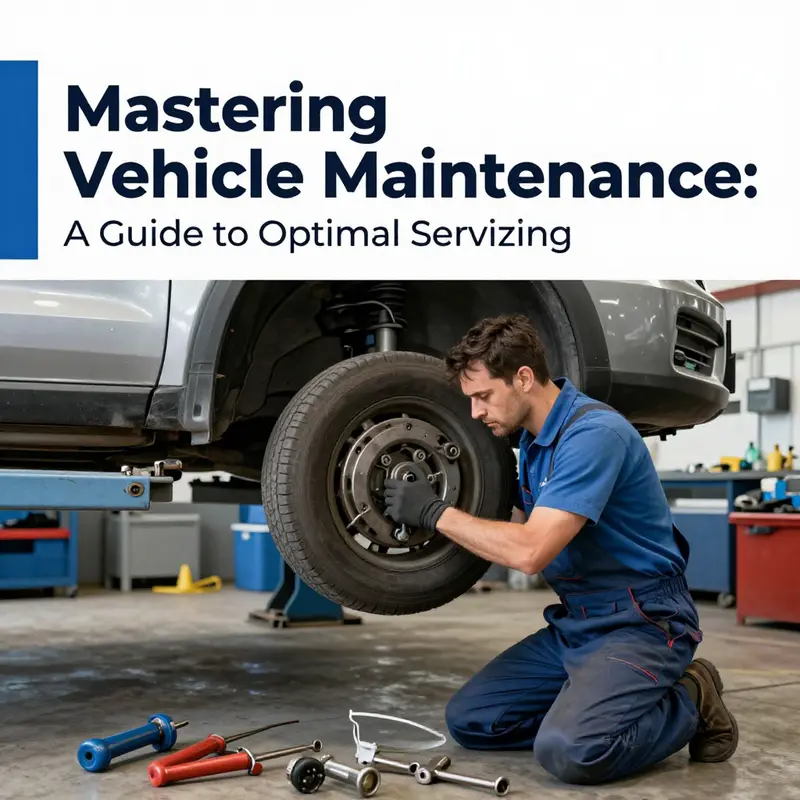
Choosing how often to service a vehicle is less a fixed rule and more a balanced arrangement between the engineering of the car, the realities of daily driving, and the costs of neglect. The question of frequency sits at the intersection of reliability, safety, and long term value. A practical rhythm helps a driver avoid preventable failures, keeps critical systems operating smoothly, and protects resale value. It also reduces the likelihood of surprise breakdowns that end up with expensive billable items after the fact. In the end, the aim is to keep the car predictable and dependable, so you can focus on the road ahead rather than worrying about what might go wrong under the hood. The starting point for most drivers is the manufacturer’s guidance, but a useful bridge between the manual and real life is a broader, real world framework that accounts for how the car is used and where it lives day to day. In Australia, for instance, a practical rule of thumb has long been to service your car every 10,000 to 15,000 kilometres or once a year, whichever comes first. This interval is not an absolute mandate but a conservative baseline that aligns with the idea that essential filtration, lubrication, and fluid renewal are better done before degraded performance begins to erode safety or efficiency. When a vehicle reaches this milestone, an inspection can evaluate the health of brakes, suspension, steering, cooling, and the engine, letting the technician spot wear or leaks and address them before they impact drivability. This is not about chasing a calendar age; it is about respecting the mechanical life built into the car and the expectations you have for reliability. The mile-to-kalance of upkeep translates differently depending on where you live, how you drive, and what you drive. A car that sees mostly highway cruising with mild temperatures and fairly clean air will accumulate the same kilometers with fewer stressors than a vehicle that endures stop-and-go traffic, dusty roads, extreme heat, or freezing conditions. In practice, the schedule becomes a conversation among the odometer, the climate, and the driver’s habits. It is here that the distinction between time and mileage becomes important. Some manufacturers still lean toward a time-based cadence, especially for certain fluids and seals that degrade with age regardless of distance. Others prefer a mileage-driven approach, arguing that wear and tear accumulate with use more than with time alone. And many modern vehicles, especially those built in the last decade or so, blur that line by using advanced materials, synthetic oils, and sophisticated diagnostics that can extend service intervals without compromising safety when the vehicle is driven under normal conditions. The result is a spectrum rather than a single point. As a driver, you don’t need to memorize dozens of numbers, but you should internalize the idea that maintenance scheduling is a dynamic practice. The vehicle’s owner’s manual remains the most reliable compass. It is the document written by engineers who understand the exact tolerances, materials, and systems in your car. It addresses the recommended oil change intervals, air filter replacement cycles, and fluid refresh rates for coolant, brake fluid, power steering fluid, and transmission fluid. It may also include guidance on seasonal checks, such as battery health in cold climates and radiator fan operation in hot climates. Beyond the manual, the vehicle and its systems offer signals that can guide maintenance. Modern cars frequently report diagnostic trouble codes, fuel efficiency changes, or abnormal sensor readings through onboard dashboards and mobile applications. These digital reminders are not merely conveniences; they are built to catch subtle shifts in performance that may signal the need for service before a serious fault arises. Using these signals in combination with the manufacturer’s schedule gives you a robust maintenance rhythm that protects both performance and longevity. The practical interval for servicing is therefore both a number and a practice. It is a number because there is a nominal range that most cars can follow without compromising safety or efficiency. It is a practice because the right cadence depends on the way you drive, the environment you operate in, and the particular make and model in your garage. In the following stream of ideas, the central message is that regular service keeps critical systems under ongoing supervision. Mechanics examine brakes for pad life and rotor wear, verify suspension and steering components for looseness and alignment, and test the engine for leaks, fuel economy, and combustion efficiency. They check the cooling system to prevent overheating, inspect belts and hoses for cracking, and confirm the electrical system and battery are in good shape. They also replace essential fluids—oil, coolant, transmission fluid, brake fluid, and power steering fluid—before they degrade enough to reduce performance or damage other components. The oil in particular deserves special attention because it lubricates, cools, and seals. As oil ages or breaks down, its protective film becomes thinner, contaminants accumulate, and friction rises. This is exactly where the idea of time versus distance meets practical reality. In a purely distance-based scheme, you change the oil at the same mileage regardless of the engine’s condition, which works well for vehicles that operate under similar loads and temperatures. In a time-based scheme, you replace oil according to age, which protects against sludge and varnish that can form even in vehicles with low mileage. The best approach, especially for engines under mixed usage, is to combine the two: keep a mileage threshold and also observe time-based limits for fluids and seals that are more sensitive to aging. A common baseline for oil changes is the 12,000 miles or 12 months rule, whichever comes first. For a driver in the United States this is a convenient target; for other regions, the equivalent in kilometers is around 20,000 kilometers to 24,000 kilometers or 12 months, depending on the exact norms used in different markets. If your owner’s manual sets a longer interval—say 15,000 to 20,000 miles between oil changes—there is usually a rationale tied to synthetic oils, modern engines, and improved filtration systems. Synthetic oils often resist oxidation and thermal breakdown better than conventional oils, allowing longer periods between changes. However, even with synthetic oil and longer recommended intervals, there are clear conditions under which more frequent service makes sense. Harsh driving conditions—hot climates with lots of stop-and-go traffic, cold starts in subfreezing environments, dusty surroundings that clog air filters, or frequent short trips that prevent the engine from reaching full operating temperature—tend to accelerate oil contamination, fuel dilution, and coolant residue. In such contexts, sticking to shorter service intervals is prudent. This is where the art of maintenance blends with the science of engineering. The manual’s longer intervals are not invitations to ignore routine checks. Rather, they reflect large-scale testing and engineering data that show under normal operating conditions the car can maintain performance with longer oil change intervals while the vehicle still retains a responsive emission system, a healthy cooling circuit, and steady fuel economy. Yet even when longer intervals are recommended, the safer path for many drivers is to be vigilant: if you drive through extreme heat, cold, dust, or frequent urban congestion, you may want to schedule service more often than the book recommends. Another factor that influences servicing frequency is the age and design of the vehicle. Newer cars with advanced diagnostics can monitor the health of many systems and can sometimes extend the period between visits since the onboard computer can detect if a particular fluid is still in good condition or if a component is wearing faster than expected. In those cases, some manufacturers and dealerships may offer longer intervals, but it is still wise to honor a baseline checkup that includes critical systems. A well-timed service is not just a place to have fluids replaced. It is a diagnostic moment when fluid levels, filter condition, and component wear get measured against expected tolerances. A thorough service includes checking brake fluid color and level, inspecting brake pads and discs for wear, measuring tire tread depth and wear patterns, and assessing suspension joints for play. It also means inspecting the exhaust system for leaks, listening for unusual noises from the engine, and testing cooling system performance. These checks are not red tape; they are preventive steps that catch issues before they become failures that strand you on the side of the road or lead to a dangerous overheat. In practice, the interval that works best will be one you can maintain with consistency. For many drivers, a yearly service combined with an odometer-based target—say, every 10,000 to 15,000 kilometers or a similar distance—strikes a comfortable balance. The key is to adopt a routine that aligns with your car’s operating regime and your daily life. For example, a commuter who spends most days in city traffic will experience more engine load cycles and more frequent idling than a highway cruiser. That difference alone can justify a shorter service interval or more thorough inspections at each service. A weekend road tripper who rarely drives in urban conditions, but frequently covers long distances on highways, may drift closer to the longer end of the recommended range. In either case, the goal remains constant: keep the engine clean, the fluids fresh, and the mechanical systems within their designed tolerances. Beyond the mechanical specifics, a practical servicing rhythm also supports financial prudence. Regular maintenance costs are predictable compared with the much larger, less predictable bills that come from major failures. A failed water pump, a worn turbocharger seal, or a degraded transmission component can cost far more than an annual service. Even minor issues, if left unaddressed, can cascade into more expensive repairs as wear spreads to adjacent parts. Regular service also preserves fuel efficiency. Clean filters, proper oil viscosity, and well-lubricated moving parts reduce energy losses and ensure the engine can convert fuel into forward motion with as little waste as possible. The effect on resale value should not be underestimated either. Car buyers want assurances that the vehicle has been well cared for. A complete service history demonstrates that the owner maintained the car responsibly and reduces the risk of incurred maintenance surprises for the new owner. For that reason, a transparent service log, whether kept by the owner or maintained by the dealership, is a valuable asset when negotiating the price of a used car. It becomes part of the story of reliability and prudent ownership—factors that many buyers weigh heavily when considering the overall cost of ownership. Having a system in place to track maintenance also helps with reminders and planning. A common approach is to use digital reminders and vehicle health data to prompt you when the next service is due. Modern cars often provide onboard maintenance reminders, and many owners pair these alerts with calendar notifications on their phone or a cloud-based service that tracks service history. A well-managed reminder system reduces the risk of missing a service window because life gets busy or because a busy schedule makes it easy to overlook maintenance. It also means you are less likely to default to a delay habit, which can quietly erode a car’s reliability over time. If you are uncertain about the exact cadence, seeking a professional opinion from a trusted technician or dealership can be valuable. The technician can translate the owner’s manual guidance into a schedule tuned to your actual driving patterns and the vehicle’s condition. They can also explain the impact of driving in harsh conditions, such as extreme heat, dusty environments, or frequent prolonged idle times, and how those factors influence the service interval for your specific model. In some regions, climate and road quality act as additional modifiers. A vehicle that operates in a region with significant dust or sand, for instance, will accumulate particulate matter in air filters more quickly, while hot, arid climates can accelerate fluid evaporation and thermal stress on seals and hoses. Your maintenance plan should then reflect these realities by incorporating more frequent filter changes or more frequent cooling system checks. Even if a car’s manual implies a longer interval, there is value in erring on the side of caution when conditions are harsh. This is not a case of over-servicing but of preserving the design intent of the vehicle: to deliver consistent performance while avoiding the high price of failure. To the extent that you engage with a service provider, you should expect a thorough check rather than a simple oil change. A capable technician will not merely replace the fluids; they will assess the health of carrier systems and confirm that components such as belts, hoses, and seals are within serviceable limits. They will test the battery for sufficient charge and health and, depending on the vehicle age and mileage, consider service items such as spark plugs, ignition coils, and fuel injectors. When you get a service performed, you should walk away with more than a receipt. You should receive an assessment of the current health of the vehicle and a recommended plan for the next service window. A robust service routine recognizes that maintenance is not a one-off event but a continuous dialogue between the car and its owner. In the end, the exact cadence is a personal choice shaped by the vehicle’s design, its usage, and its environment. The best approach is to start with the manufacturer’s guidance, recognize the realities of your daily routine, and adapt accordingly. A practical cadence emphasizes proactive checks, clear communication with your service provider, and a disciplined record-keeping habit. It also keeps in mind that regular maintenance does not stand alone as a cost center. It is an investment—a way to minimize the chance of expensive repairs and extend the vehicle’s useful life. If you would like to explore the nuances of oil-change intervals in more depth, you can consult resources that discuss time versus mileage considerations and how synthetic versus conventional oils influence service planning, such as optimal oil change intervals: time vs mileage. For broader context on how service intervals are evaluated by professionals and manufacturers, and how diagnostic tools influence scheduling, broader automotive literature and road tests provide valuable perspectives. As you build your own servicing rhythm, remember that the goal is to maintain performance, preserve safety, and protect the long-term value of your vehicle. The numbers are a guide, a practical starting point, but the living practice is your daily commitment to keeping the car in reliable shape. The more consistently you apply the servicing rhythm, the more you will benefit from a vehicle that remains dependable across the years and miles ahead. External research and real-world testing underscore that keeping a car well-maintained reduces the likelihood of catastrophic failures and the cost of unexpected repairs. This is not merely about avoiding breakdowns; it is about maintaining the engineered balance between efficiency, safety, and performance that the manufacturer designed into the vehicle from day one. For those who want to see how a broader automotive press frames service intervals and the tradeoffs between time and distance in different driving contexts, a contemporary reference point can be found in industry discussions about best service intervals. https://www.autocar.co.uk/car-advice/what-is-the-best-service-interval-your-car
Final thoughts
In conclusion, regularly servicing your vehicle is a crucial practice that ensures safety, reliability, and optimal performance. By following manufacturer recommendations, you not only uphold the quality of your vehicle but also enhance its longevity. Additionally, prioritizing timely maintenance can prevent minor issues from escalating into costly repairs. Whether you are a private car owner, a used car buyer, or a small business fleet operator, implementing a disciplined servicing schedule will pay dividends in operational efficiency and overall costs. Make vehicle maintenance a cornerstone of your automotive management strategy for a smoother, safer driving experience.