The Crucial Role of Vehicle Service Brakes
When it comes to vehicle safety, the service brake system is paramount, serving as the first line of defense against accidents for private car owners and small business fleet operators alike. The importance of routine brake maintenance cannot be overstated; it is a fundamental aspect of ensuring that your vehicle operates safely and effectively. Neglecting brake services can lead to a plethora of issues, from reduced stopping power to catastrophic brake failure, putting you and others at significant risk on the road. Regular inspections and timely servicing of the brake system not only enhance the longevity of your vehicle but also protect against costly repairs and accidents down the line. Don’t overlook the signs and symptoms that indicate your brakes need attention-diagnosing brake problems early can save you from much bigger headaches in the future. With a little attention and care, your vehicle’s brakes can provide you with the reliability you need when it matters most.
Understanding Vehicle Service Brakes
Vehicle service brakes are essential components of automotive safety, designed to control the speed and stop the vehicle when required. Let’s break down how they function, their components, and the underlying mechanisms involved in this crucial system.
What Are Vehicle Service Brakes?
Service brakes refer to the braking system in a vehicle that is primarily operated through hydraulic mechanisms when the driver presses the brake pedal. This system typically applies brakes to all four wheels and is responsible for most of the stopping power in a car.
The initial activation occurs when the driver pushes the brake pedal, initiating a series of hydraulic actions that result in the vehicle slowing down or stopping.
Components of the Service Brake System
The primary components involved in vehicle service brakes include:
| Component | Functionality |
|---|---|
| Hydraulic System | Uses brake fluid to transfer pressure from the brake pedal to the brake pads. |
| Brake Pads | Press against the rotors to create friction, slowing or stopping the vehicle. |
| Rotors | Disc-shaped parts that the brake pads clamp onto, providing the surface for friction. |
| Brake Calipers | Houses the brake pads and pistons; clamps the brake pads against the rotors. |
| Brake Fluid | Transmits the force applied to the brake pedal through the hydraulic system. |
The Mechanics of Vehicle Service Brakes
The service brake operates on a fundamental principle known as Pascal’s Law, which states that pressure applied to a confined fluid is transmitted undiminished throughout the fluid. This means that when the brake pedal is pushed, the force applied creates pressure in the brake fluid present within the system.
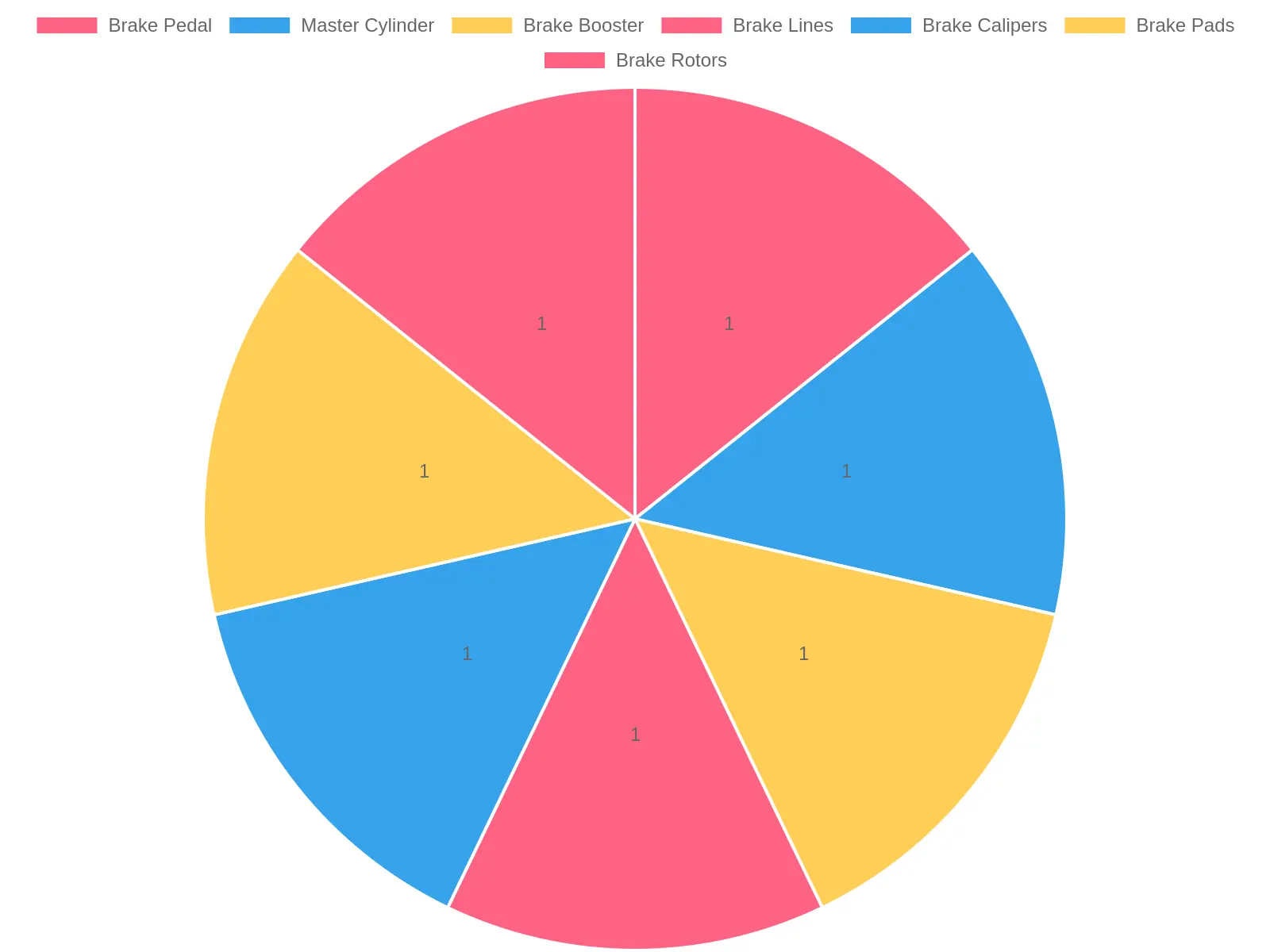
- Brake Pedal Activation: When the driver depresses the pedal, a pushrod moves a piston within the master cylinder, generating hydraulic pressure in the brake lines.
- Fluid Transmission: The pressurized brake fluid moves through the brake lines toward the calipers at each wheel.
- Calipers and Brake Pads: The pressure forces the calipers to clamp the brake pads against the rotors, creating friction. This friction slows down the wheels and eventually brings the vehicle to a stop.
Importance of Brake Maintenance
Maintaining your vehicle’s brakes is vital for safety and performance. Regular checks can prevent malfunctions and potentially save lives. To learn more about diagnosing brake problems and extending the life of your brakes, check out our guide on brake problems diagnosis.
Conclusion
Understanding how service brakes work not only helps in recognizing the importance of keeping them well-maintained but also enhances safe driving. Always ensure to have your brake system inspected and serviced regularly for optimal performance.
Brake Maintenance Safety Checklist
Ensuring your vehicle’s service brakes are in optimal condition is crucial for safety. Below is a detailed checklist for private car owners and small fleet operators to maintain their vehicle’s brake system effectively:
- Regular Inspections: Check brakes at least every 10,000 miles or twice a year, more frequently if you drive in stop-and-go traffic or hilly terrain.
- Brake Fluid Level: Inspect brake fluid levels monthly and replace every 2-3 years, or as specified in the vehicle’s owner manual.
- Visual Check of Brake Pads: Look for wear; if the pads are less than 1/4 inch thick, consider replacing them.
- Listen for Noises: Be alert to any squeaking or grinding noises while braking, indicating worn brake pads (learn more about this here).
- Monitor Warning Lights: Ensure the brake warning lights on the dashboard are functioning and address any issues immediately.
- Brake Performance: Test brakes by checking responsiveness; if you feel vibrations or pulling to one side, have them checked.
- Check Brake Rotors: Inspect rotors for warping or uneven wear, especially after 20,000 miles.
- Inspect Brake Lines and Connections: Look for leaks or damage in brake lines and fittings, as these can lead to brake failure.
- Professional Maintenance: Schedule a professional brake service annually, ensuring thorough checks and necessary component replacements.
Utilizing this checklist not only enhances safety but also extends your vehicle’s brake lifespan, leading to significant cost savings in the long run. Regular maintenance is key in preventing dangerous brake failures. For more details on diagnosing brake problems, check our article on brake problems diagnosis.
When it comes to vehicle safety, the brake system is one of the most critical components. As car owners, it’s essential to be vigilant about potential brake problems, as neglecting them can lead to severe safety risks. Here, we will discuss typical issues associated with service brakes, including symptoms to watch for, noises that may indicate problems, and performance drops.
Signs of Wear and Tear
Every vehicle undergoes natural wear and tear, particularly the brake components, which can affect their functionality. Here are some signs that your brakes may need attention:
-
Visual Indicators: A noticeable reduction in brake pad thickness is a primary indicator of wear. If your brake pads appear worn down to less than a quarter of an inch, it’s time for a replacement. Additionally, activation of warning lights on your dashboard can signal brake issues, prompting immediate professional assessment (Forthright Auto Repair).
-
Unusual Noises: Squealing or grinding noises when applying brakes often signify that the brake pads have worn down excessively (Coventry Mechanic). Such sounds could point to metal-on-metal contact, which not only reduces braking efficacy but may also lead to rotor damage.
-
Vibrations or Pulsations: If you experience a vibrating or pulsating brake pedal, this may indicate uneven wear on the brake pads or issues with the rotors. Symptoms like these are crucial to address before they escalate into more severe problems (Springs Auto).
Performance Drops
There are several performance-related symptoms to be aware of:
-
Soft or Spongy Brake Feel: A soft brake pedal may indicate air trapped in the brake lines or a failing master cylinder. This condition can severely impair your ability to stop the vehicle effectively (AutoNation).
-
Extended Stopping Distances: If you notice that your vehicle takes longer to stop than usual, it could indicate the brake pads are nearing their expiration or the brake fluid needs replacement. This extended stopping distance can be a red flag, emphasizing the importance of routine brake maintenance.
Preventive Measures and Costs
The average costs associated with brake repairs in the U.S. can range significantly based on the work required:
- Brake fluid replacement typically costs between $70 to $120.
- Brake pad replacement can range from $150 to $300 per axle (Weldon’s Auto Center).
Being proactive about brake maintenance is critical; not only does it enhance safety, but it also saves money in the long run by potentially reducing costly repairs. For detailed maintenance strategies, consider visiting our article on brake problems diagnosis.
In conclusion, understanding common brake issues, recognizing symptoms early, and taking timely action can help ensure your vehicle remains safe and functional on the road.
| Provider | Average Cost (USD) | Customer Rating | Services Provided |
|---|---|---|---|
| AutoZone | $300 – $350 | 4.6/5 | Brake pad replacement, rotor replacement, brake fluid service, and diagnostic services. Learn more |
| Canadian Tire | $320 – $380 | 4.4/5 | Brake inspections, parts sales (pads, rotors), installation services. Learn more |
| NAPA Auto Parts | $310 – $370 | 4.5/5 | Brake pad and rotor sales, installation, and diagnostics. Learn more |
| GeoBrakes | $290 – $350 | 4.3/5 | Brake parts comparison, sales of rotors, pads, calipers, and installation tips. Learn more |
Conclusion
Choosing the right brake service provider involves weighing average costs against customer ratings and the services they offer. It’s advisable to check out additional resources and consult with local services for personalized needs. For a deeper understanding of brake issues, consider reading our article on diagnosing brake problems.
This table serves as a handy guide for local private car owners and small business fleet operators to explore their options effectively.
User Reviews on Brake Services: A Summary
Brake services are a vital component of vehicle maintenance, ensuring both safety and performance for private car owners and small business fleet operators. In examining user reviews across various brake service providers, several common themes-both positive and negative-emerge. This analysis seeks to distill these reviews into actionable insights for current and prospective customers.
Positive Themes:
- Outstanding Customer Service:
- Many reviews praise the friendliness and professionalism of the staff. For instance, at Lex Brodie’s, customers highlight not only the quality of the workmanship but also the courteous service provided.
- At House of Mufflers & Brakes, regular clients appreciate the personalized attention and transparency regarding the services performed.
- Quality Workmanship:
- Customers frequently note the thoroughness of brake inspections and repairs. Businesses like Dundas Alignment & Brake Service have garnered positive feedback for their meticulous approach, ensuring that services are performed correctly the first time.
- Many users find that their brake performance significantly improves post-service, indicating effective repair practices.
- Trustworthiness:
- A common sentiment among reviews is that clients feel they can trust these providers with their vehicle needs. Customer testimonials often mention a sense of reliability and integrity in the services provided, which is especially important for small business fleet operators who need consistent and dependable performance from their vehicles.
Negative Themes:
- Pricing Concerns:
- While many appreciate the quality of service, some users do express concerns about pricing. A few reviews indicate that some brake service providers might have higher-than-expected charges, which can be a deterrent for budget-conscious customers.
- Competitors offering similar services at lower rates are occasionally mentioned in discussions about pricing dissatisfaction.
- Service Delays:
- Negative feedback sometimes centers around wait times, both in terms of scheduling an appointment and the time taken during the service. Customers at various locations reported feeling frustrated when their brake repairs took longer than initially quoted.
- Mismatch of Expectations:
- Some reviews highlight situations where the real outcomes didn’t match initial assessments or promises made by service providers, leading to disappointment for some clients.
Conclusion
In conclusion, while many brake service providers succeed in delivering high-quality, reliable service, there are areas for improvement, particularly in pricing transparency and service efficiency. For private car owners and fleet operators, weighing these testimonials can significantly aid in selecting the right brake service provider. It is always advisable to research provider reviews for a comprehensive understanding of their services before making a decision. To enhance your vehicle’s longevity and safety, consider familiarizing yourself with brake problems and diagnosis.
The Importance of Timely Brake Servicing
Timely brake servicing is not just a recommended maintenance task; it is a critical component of ensuring vehicle safety. Regular brake inspections and timely servicing can significantly reduce the risk of accidents while improving overall vehicle reliability. According to various studies, neglecting brake maintenance leads to increased stopping distances, which can have dire consequences in emergency situations. For instance, research indicates that worn brake components can increase the likelihood of an accident, making regular inspections essential for both personal and fleet vehicles.
Consequences of Neglecting Brake Maintenance
- Increased Stopping Distances: A study highlighted that vehicles with compromised brakes require up to 50% more distance to stop than well-maintained vehicles. This could mean the difference between a close call and a collision.
- Safety Hazards: As per the findings from Fleet Point, neglecting brake maintenance can create severe safety risks, particularly for businesses relying on fleet vehicles. The likelihood of accidents due to brake failure amplifies the responsibilities of fleet managers to maintain rigorous service schedules.
- Higher Repair Costs: Regular brake servicing can identify issues before they escalate. A report from Family Tire Pros Utah emphasizes that addressing minor problems early can save substantial repair costs. Ignoring minor brake wear can lead to the need for complete system overhauls that are significantly more expensive.
- Operational Disruptions for Fleets: For small business fleet operators, brake failures not only pose safety risks but can disrupt operations, lead to downtime, and incur additional costs.
By emphasizing the importance of timely brake servicing, vehicle owners can ensure safe operation and avoid the severe consequences of inadequate maintenance. Learn more about common brake problems and how to diagnose them.
In conclusion, timely brake maintenance is an essential practice for all vehicle owners. Prioritizing brake service not only enhances safety but also promotes long-term vehicle health, resulting in savings and peace of mind.
“Regular brake maintenance is not just an option; it’s a necessity for ensuring the safety of your vehicle. Neglecting your brakes can lead to catastrophic failures that compromise not only your vehicle’s performance but also your safety on the road.”
Additionally, for further insights on brake maintenance, you can read Essential Brake Maintenance Tips for Memphis & Collierville Drivers and Understanding Brake Maintenance: A Comprehensive Guide.
Conclusion and Call to Action
Understanding the importance of vehicle service brakes is crucial for every car owner and fleet operator. As discussed, proper brake maintenance can prevent over 70% of rear-end collisions, significantly enhancing safety on the roads. With an average lifespan of brake pads ranging from 30,000 to 70,000 miles, regular inspections and maintenance can extend their life and reduce the likelihood of costly repairs-which can average between $300-$800. Moreover, neglecting these components can lead to catastrophic brake failures, endangering the driver, passengers, and other road users.
For motorcycle owners, the stakes are even higher. Statistics reveal that motorcycle accidents account for about 14% of all traffic fatalities as of 2021, a grim reminder of the risks involved. Regular brake checks are essential for motorcycles not only to improve performance but also to ensure rider safety. Implementing routine inspections of brake fluid levels, pads, and rotors can significantly mitigate risks associated with brake wear and tear.
To promote optimal performance, we encourage all vehicle owners to prioritize brake maintenance. Whether you drive a car or ride a motorcycle, your safety depends on it. Don’t wait for an emergency to check your brakes; make it part of your regular maintenance routine.
Moreover, if you’re looking for high-quality parts for your motorcycle, consider Summit Fairings, where you can find durable and reliable solutions tailored for your needs. By choosing quality, you’re investing not just in your motorcycle’s performance but in your safety on the road.
Stay safe and keep your brakes in check!