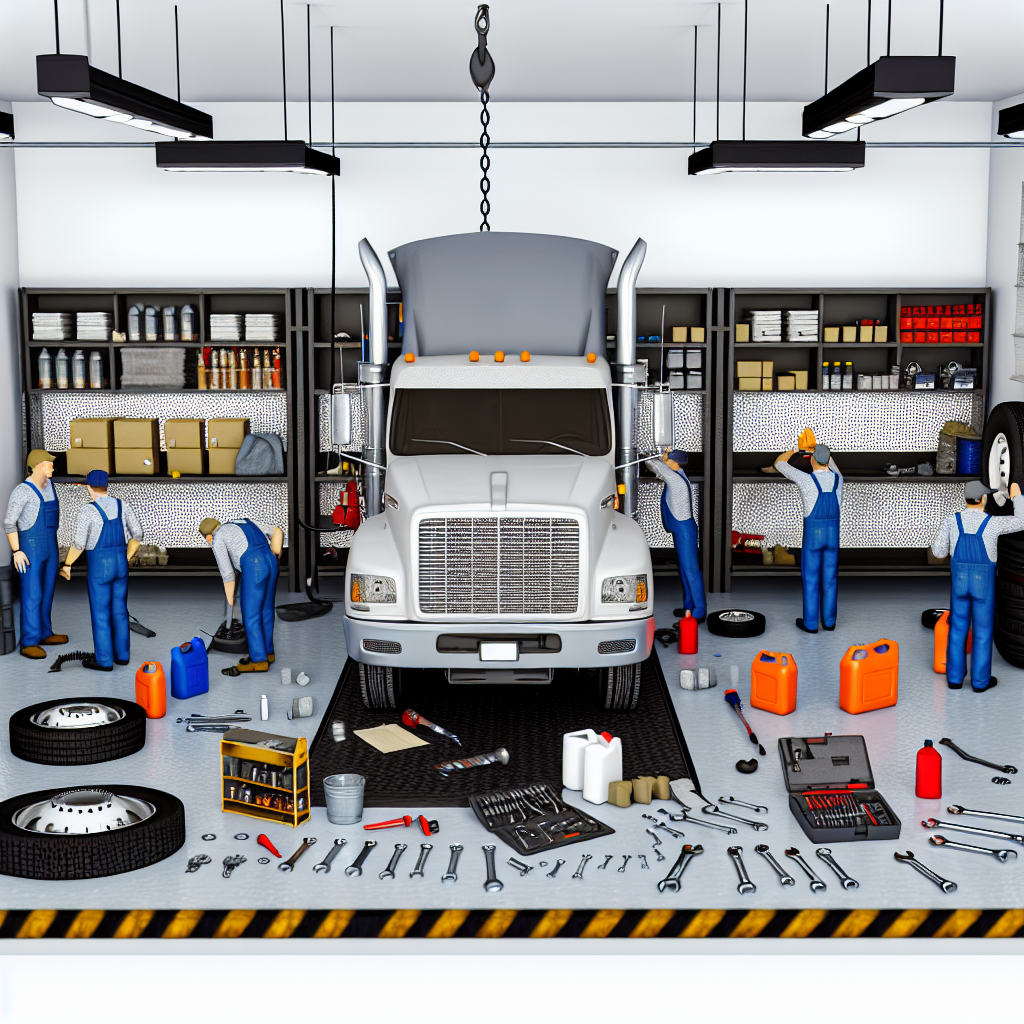
In the world of diesel vehicles, maintaining the Diesel Particulate Filter (DPF) is crucial for the longevity and performance of the engine. Regular DPF cleaning and proper maintenance are essential to prevent issues that arise from clogging.
Neglecting DPF maintenance can lead to a host of serious issues. These include decreased fuel efficiency, increased emissions, and costly repairs that could have been easily avoided. When the DPF light illuminates on your dashboard, it serves as a vital warning sign that should not be ignored. This indicator alerts drivers to potential clogging, meaning the vehicle’s emissions control system is struggling to function properly.
Understanding what the DPF light signifies and taking timely action can help prevent more severe problems, such as the need for forced regeneration and expensive cleaning methods or outright replacement of the DPF, which can be a hefty financial burden. In this guide, we will explore how to effectively manage DPF maintenance. This will ensure your diesel vehicle remains efficient and environmentally friendly, while also avoiding the pitfalls of neglect.
Understanding the Importance of DPF Maintenance
Proper maintenance of the Diesel Particulate Filter is essential to prevent engine issues and costly repairs.
The Role of the DPF Light
Recognizing what the DPF light indicates will help you take timely steps to address potential problems.
Preventive Measures for DPF Clogging
Learn various strategies to maintain DPF efficiency and serve your diesel vehicle better.
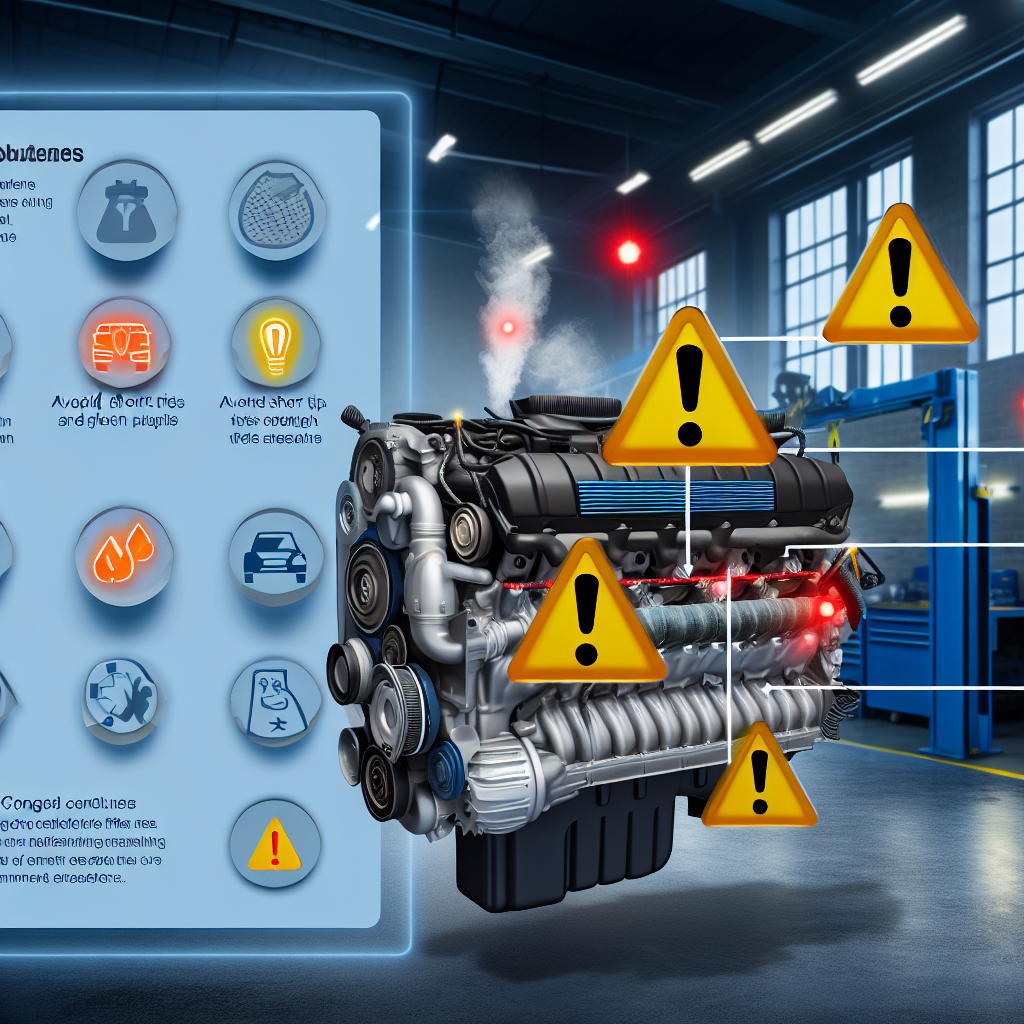
This image illustrates common issues associated with Diesel Particulate Filters (DPF) in diesel vehicles, helping to convey how neglecting DPF care can lead to costly repairs and environmental impact.
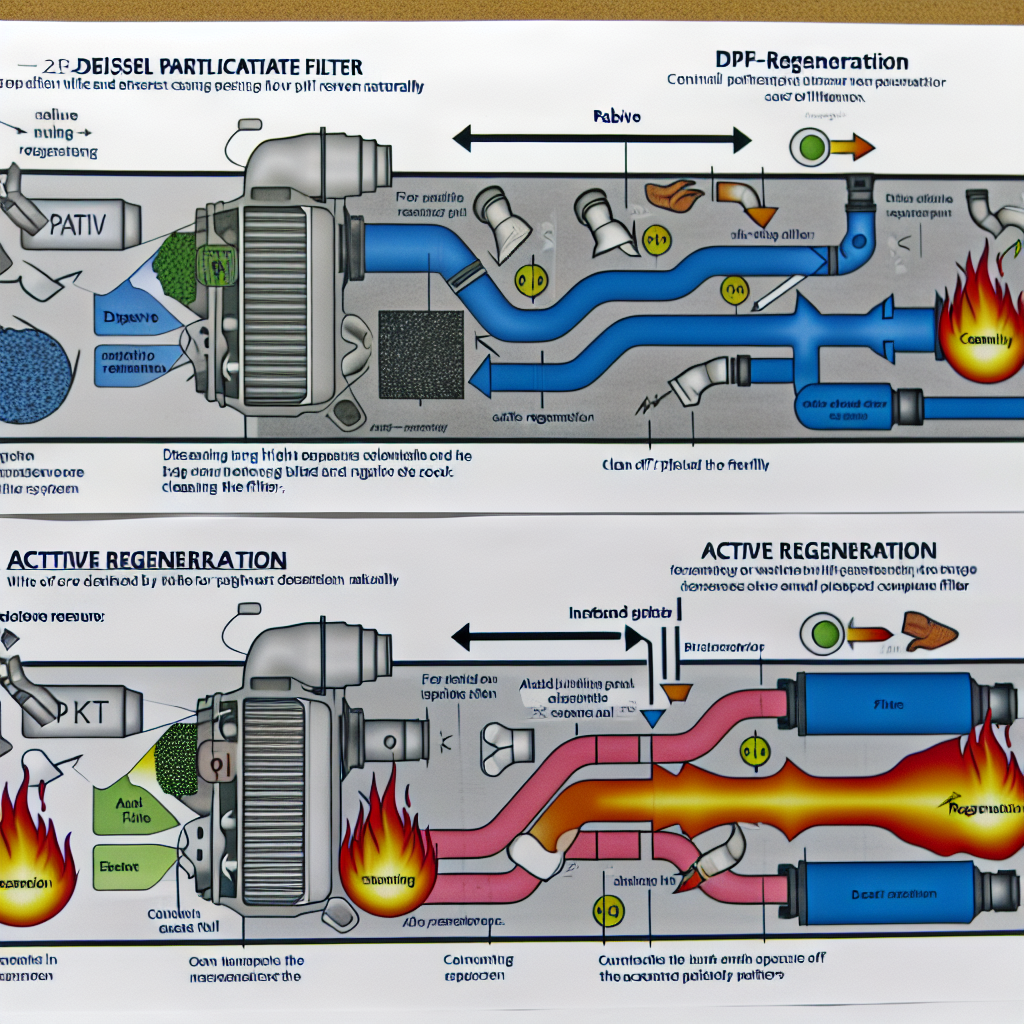
This educational image shows the process of DPF regeneration in diesel engines, including visual distinctions between passive and active regeneration processes and their effects on the DPF system.