An extended vehicle service plan serves as a crucial safety net for car owners and businesses, providing coverage against unexpected repair costs once the original warranty expires. This article dives into the fundamental aspects of these plans, revealing their benefits, coverage options, cost considerations, and comparisons among various providers. Vehicle owners and users will uncover how these plans can significantly impact their ownership experience, safeguarding both finances and peace of mind in navigating potential repairs.
Beyond the Warranty Window: Understanding and Evaluating an Extended Vehicle Service Plan
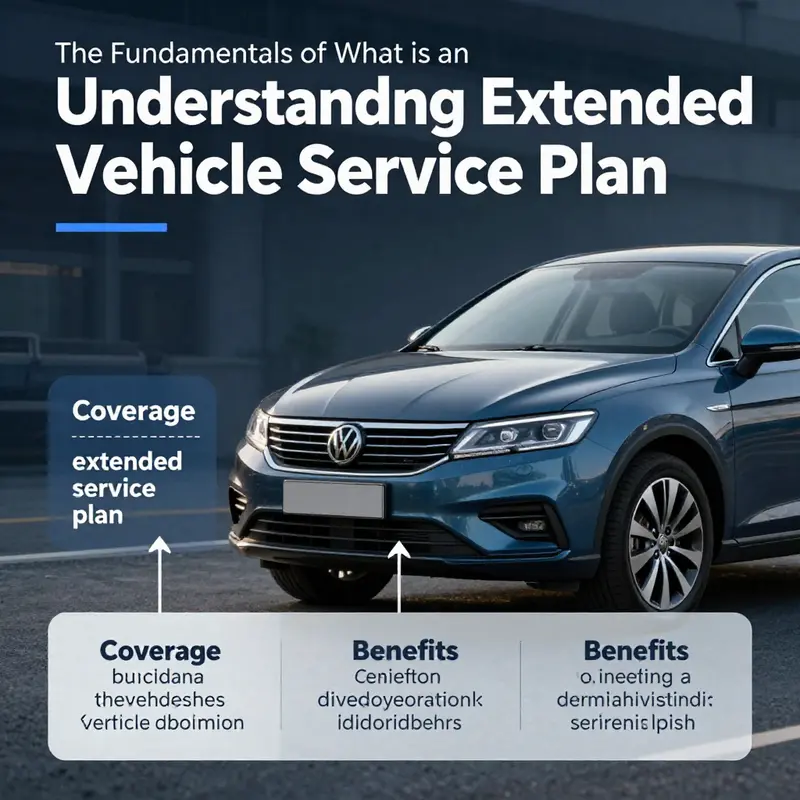
An extended vehicle service plan is a protection product that steps in after a manufacturer’s original warranty runs out. It is designed to absorb the often unpredictable cost of major repairs and to convert a potentially expensive surprise into a budgetable expense. For many owners, the plan functions like a form of financial insurance rather than a guarantee of flawless performance; it does not prevent a breakdown, but it reduces the shock of paying for parts, labor, and sometimes transportation in the event of a failure that falls within the contract’s scope. In practice, the plan is a contract between the owner and a provider, backed by an administrator who coordinates repairs, approves claims, and negotiates with repair shops, ensuring that repairs are performed in a way that preserves the vehicle’s original design intent and, ideally, its resale value.
Coverage can vary dramatically from plan to plan. Some options concentrate on the core, powertrain components—engine, transmission, and drivetrain—while others extend protection across electrical systems, cooling and climate controls, suspension, steering, and even onboard electronics. Optional add-ons may cover tires, wheels, and rental-car reimbursement, or provide road-side assistance. The result is a spectrum: at one end sits a basic shield against the most expensive, labor-intensive failures; at the other, a broad umbrella that resembles a factory extension for a used-car era, with a price tag to match. The key is to read carefully what is included and, just as important, what is explicitly excluded, so you know where the protection stops and where your own risk begins.
Several features recur across credible plans. The duration is typically stated in years or miles and often both. A plan might extend coverage for three to five years or up to a fixed mileage cap, such as 100,000 miles, sometimes with a choice of tiers that determine the depth of protection. Transferability is another valued trait; many plans can be moved to a new owner, which helps with resale appeal. Most plans rely on a network of authorized service centers or approved repair shops, which helps guarantee that repairs are performed to the factory standard and with genuine parts or their approved equivalents. The claim process is a practical part of the experience: you generally file a request, get an authorization before work begins, and pay any required deductible or out-of-pocket portion, then the plan reimburses the remainder to the shop. This workflow matters less if you’re a once-in-a-while driver and more if you rely on predictable maintenance to keep a high-mileage vehicle on the road. In many cases, transferability comes with conditions, such as a fee or a verification that the vehicle remains within the plan’s terms, underscoring that these agreements are as much about service philosophy as they are about protection.
Even the best protection depends on discipline. Coverage hinges on maintenance performed as specified by the contract, which usually means regular service at trusted facilities, using parts that meet the maker’s specifications. It is common to be required to retain service records and to follow the prescribed service intervals. If you skip a recommended service or use non-approved parts, a claim can be denied, even for a failure that otherwise seems to be within coverage. This is not a failure of the plan as much as a reminder that the cheapest repair invoice may not align with what the plan considers an eligible repair. In that sense, the plan rewards careful ownership: routine maintenance is an investment in both reliability and future claim eligibility. Some contracts push this further by requiring service at specific intervals tied to mileage, and they may demand documentation in a particular format. The more transparent plans publish a straightforward maintenance matrix, while less explicit options leave room for interpretation when a claim arises.
It is also wise to recognize limitations. Exclusions frequently apply to damage resulting from accidents, misuse, neglect, or modifications that alter the vehicle’s original condition. Wear-and-tear items such as tires, brake pads, and wipers are often excluded, and there may be caps on total payouts, annual limits, or caps on certain components. Deductibles, if any, further soften the protection. And, because plans are products sold by third parties, the exact terms can differ in ways that seem subtle on first reading but become decisive at claim time. To avoid surprises, owners should compare the fine print side by side, focusing not only on price but on the actual coverage map—the list of components and the exact conditions that govern repairs. A well-structured plan will spell out what is excluded in plain language, not merely list a broad umbrella of protection. This clarity matters when a failure occurs late in the term or when multiple systems are involved in a single incident, because the interaction between covered components and pre-existing conditions can affect eligibility.
Who benefits most from an extended plan? The plain answer is: it depends on how you use your vehicle and how much you value predictability. High-value or technologically advanced vehicles, where a single major component failure can cost thousands of dollars, often justify protection even in the early used-car years. The same logic applies to vehicles with costly electronics, advanced driver-assistance systems, or complex suspensions. For someone who keeps a car for a long horizon, plans that lock in future maintenance costs can turn uncertain repair bills into a known budget line. For others who drive fewer miles or trade up before the original warranty’s expiration, the math may not pencil out. The decision rests on a careful estimate of expected repairs, drive patterns, and the price of the plan over its term. Beyond numbers, there is also a lifestyle factor: some owners value the convenience of a predictable service experience and a smoother relationship with repair shops, while others prefer to self-insure, paying as needed and avoiding monthly or annual premiums.
From a financial planning point of view, the plan is a bet on future repair costs. The bet becomes attractive when the annual protection premium is lower than the expected annualized cost of potential failures after the factory warranty ends, accounting for the probability of a breakdown and the severity of likely repairs. This is rarely a precise science, since failures do not occur evenly and the reliability of a given model changes with age and mileage. Yet the exercise is instructive: it forces you to quantify risk, weigh the value of service flexibility, and consider how a service contract fits with your overall ownership strategy. The best contracts are transparent about what they cover, how reimbursements are issued, and what factors can void coverage, such as missed maintenance or aftermarket modifications. They also tend to present an orderly path for ongoing maintenance, so the plan becomes a companion rather than a trap.
When shopping, many buyers focus on lists of covered components and the headline price, but the real decision is about risk management rather than mere protection. Look for a clear coverage map, with an explicit breakdown of the major systems included and the components within those systems. Ask about deductibles, claim caps, and whether there are separate limits on high-cost components. Understand whether you can access any accredited shop within a broad network or if you must go to specific service centers. Check whether the plan transfers to a new owner and under what conditions. And, crucially, confirm maintenance expectations: where and how often to service, which parts are acceptable, and how records should be stored. If possible, obtain a written sample claim scenario to see how a typical repair would be reimbursed in practice. The most informative conversations occur when buyers compare side-by-side the worst-case claim they can imagine with the plan’s stated maximum payout, the deductible, and the path to reimbursement. A thoughtful evaluation also considers the plan’s impact on resale prospects, because a well-communicated transfer policy can reassure future buyers that ownership remains affordable and predictable.
Beyond the technicalities, there is a practical benefit tied to ownership experience. A transferable plan can ease resale conversations, signaling to a prospective buyer that ongoing maintenance and protection have been considered. It reduces the perceived total cost of ownership and can be a differentiator in a crowded used-car market. The peace of mind that accompanies predictable repair costs is not merely psychological; it translates into steadier budgeting, less one-off anxiety about the next big repair bill, and a more deliberate approach to maintenance scheduling. For households where a vehicle functions as a primary family asset, these benefits can be the deciding factor between keeping a car for five years or upgrading sooner. The plan also often encourages a more disciplined maintenance routine, because plan terms are structured around service intervals and component life cycles. Healthier maintenance habits, in turn, support overall reliability and can extend the useful life of expensive systems.
Finally, the claim experience itself deserves attention. The real test of an extended plan is whether the process minimizes downtime and ensures quality repairs. When a breakdown occurs, you want a quick diagnosis, prompt authorization, and a repair performed to the expected standard. A commitment to servicing at authorized centers, to using correct parts, and to clear communication about what is covered helps a plan deliver on its promise. The better plans align with the owner’s maintenance calendar rather than punishing them for routine service. They provide a built-in incentive to stay current with service intervals, which in turn supports the long-term health of a vehicle’s most expensive systems. In the end, the decision to purchase hinges on your confidence in the plan’s structure and in your own willingness to adopt a preventive, maintenance-forward mindset.
For readers who are balancing the numbers and weighing long-term protection against short-term cost, an approach grounded in personal usage and risk tolerance tends to win. Consider your expected annual mileage, the reliability history of your vehicle category, and the potential cost of replacement parts if a major failure occurs after the warranty window closes. Then compare the plan’s price, terms, and coverage with what you anticipate you would spend on potential repairs in the same timeframe. The result is not a universal verdict but a practical decision tailored to your ownership trajectory.
For practical context on how maintenance interacts with coverage, the kmzvehiclecenter blog offers related insights. The discussion there can illuminate how routine care supports claim eligibility and why staying on top of service intervals matters. kmzvehiclecenter blog.
External perspective can also help demystify these products. A manufacturer-backed policy overview exists as an external resource, and exploring it can help buyers understand the logic many providers use to define coverage, exclusions, and service requirements. External resource: https://www.volkswagen.com/extended-service
Beyond the Warranty Clock: How an Extended Vehicle Service Plan Safeguards Your Car, Your Cash, and Your Confidence

An extended vehicle service plan, commonly described as a vehicle service contract, sits at the intersection of financial planning and mechanical reality. It is not a simple add-on; it is a structured commitment to shield drivers from the unpredictable costs that can arise when a car ages beyond the reach of its original warranty. The core appeal is straightforward: when major systems fail—engine, transmission, drivetrain, or other critical components—the plan steps in to cover repairs that might otherwise drain a savings account or force a difficult decision about keeping, repairing, or replacing a vehicle. For owners of high-value or technologically sophisticated machines, this protection becomes even more valuable. The expense of repairs on modern vehicles has a reputation for being high, and the complexity of today’s powertrains, electronics, and integrated systems means that a single unforeseen failure can ripple across multiple subsystems. An EVSP is designed to turn that potential financial disruption into a manageable, predictable cost, allowing driving to remain a reliable, affordable habit rather than a gamble with the family budget.
The breadth of coverage is a central consideration and, in practice, the precise terms depend on the plan you select and the provider you choose. At a basic level, a plan can protect the core components most likely to fail as a vehicle ages—the engine, the transmission, and the drivetrain. Yet many plans extend beyond the basics, offering protection for electronics, suspension, climate control systems, and other non-core but essential parts. This variability means that the decision to purchase an EVSP is not just about extending a warranty; it is about aligning the plan with how you drive, where you drive, and the particularities of your vehicle’s make and model. Importantly, wear-and-tear items, such as tires or brake pads, are typically excluded from coverage, reinforcing the need to view an EVSP as a shield against catastrophic failures rather than a blanket replacement policy for routine maintenance.
A practical advantage that often sways owners is the added certainty around repair costs. Major systems can demand substantial outlays when they malfunction. With an EVSP, the owner faces fewer surprise invoices and a clearer, more stable budgeting path. This financial protection translates into stress reduction, but it is not a passive safety net. It comes with responsibilities, chiefly the maintenance requirements that accompany most plans. To keep coverage valid, vehicle owners are usually required to follow a routine maintenance schedule, have work performed at authorized facilities, and use parts that meet the manufacturer’s specifications. Those stipulations are not mere formalities; they are the contract that preserves the plan’s integrity and, in turn, the owner’s financial protection. The logic is simple: well-maintained machines run more reliably, and the insurers or administrators behind EVSPs prefer to see that reliability reflected in the vehicle’s service history.
In discussing the value of an extended plan, it is helpful to consider how it interacts with resale value. A transferable warranty or service contract can be a powerful selling point. Prospective buyers often interpret transferable coverage as a sign of ongoing care and predictability in ownership costs, which can translate into a higher perceived value. The ability to transfer a plan can thus make a used vehicle more attractive, especially to buyers who anticipate substantial future maintenance needs. This transferability is not automatic; it typically requires adherence to the terms of the original agreement and, in some cases, timely claim processing to ensure a seamless handoff. Even when a buyer does not purchase the plan, the mere presence of extended coverage can lower perceived risk, which in turn can support a firmer asking price and a quicker sale.
Beyond the core protection, many EVSPs offer optional add-ons that let owners tailor coverage to their realities. For example, coverage for tire and wheel damage from road hazards can be added, addressing a common and often expensive source of inconvenience. The ability to customize means you can calibrate the policy to reflect your driving environment—urban lanes with frequent potholes, long highway commutes, or the special demands of winter roads. This flexibility aligns the plan with personal risk tolerance and budget. It also makes the plan feel less like a one-size-fits-all product and more like a personal investment in peace of mind. The emphasis on customization helps explain why drivers of high-value or technologically advanced vehicles frequently gravitate toward EVSPs; their needs can span not only engines and transmissions but also advanced electronics, sensors, and complex cooling or climate-control systems that become expensive to repair.
The procurement process for an EVSP emphasizes both protection and practicality. Providers typically present a menu of plan tiers, each with a distinct level of coverage and a corresponding price point. A buyer’s choice is shaped by factors such as the vehicle’s age, the anticipated mileage, the complexity of the powertrain, and the availability of funds reserved for potential repairs. The terms are typically laid out with clarity, detailing what is covered, what is excluded, any deductibles, and the maximum payout. This transparency helps owners compare options without needing a PhD in contract language. Still, every plan comes with fine print. It is essential to understand caps on coverage, limits on the number of claims per year, waiting periods before certain protections kick in, and the necessity of using authorized service centers. When those conditions are met, the coverage achieves its core purpose: enabling drivers to obtain necessary repairs with less interruption to their routines and less disruption to their finances.
This careful alignment of coverage, maintenance, and repair access helps explain why EVSPs can be especially meaningful for electric vehicles. EVs tend to have high repair costs due to battery systems, power electronics, and specialized components that require expert service. Even when battery packs themselves are protected under specific terms, many ancillary components—such as the heat pump, control units, and advanced suspension or thermal management systems—fall into broader coverage categories in many plans. For owners of such vehicles, the protection isn’t merely about shrinking a single bill; it is about preserving mobility and the ability to plan for the long term. The plan’s strength lies in combining a shield against large, unexpected expenditures with a reliable maintenance framework that keeps the vehicle reliable and efficient as it ages.
Another important dimension is the integration with everyday life. The inclusion of roadside assistance, rental-car reimbursement if a repair takes longer than expected, and towing services can transform a potential disruption into a manageable inconvenience. These features reflect an understanding that car ownership is not just about the vehicle but about the overall experience of being able to get from point A to point B without a major detour. People who value time, predictability, and convenience tend to appreciate these extras as they reduce the catch-22 of needing the car for the next week but facing a lengthy repair schedule.
For readers weighing whether to pursue an EVSP, the decision commonly boils down to two questions: how much risk you are willing to absorb and how much you value predictability. If you drive an older car with high mileage or a newer, high-tech vehicle where a complex repair could be financially crippling, the math often tips in favor of protection. If you have ample savings and prefer to self-insure against the occasional repair, you might opt for a lighter plan or forgo it altogether. Either choice should be informed by careful reading of the terms, a realistic assessment of your vehicle’s expected lifetime costs, and a comparison of available options across providers. In this process, the roles of transparency and customization become especially important. A well-chosen EVSP offers clear coverage boundaries, realistic deductibles, and the flexibility to adjust as circumstances change—without turning ownership into a perpetual negotiation with the policy ladder.
As you move from consideration to purchase, it can be helpful to anchor your reasoning in a broader view of ownership costs. The plan is not simply a safeguard against repair bills; it is a strategic tool for budgeting maintenance and reducing the risk of large, unplanned expenditures. It also supports a more confident decision-making posture when contemplating trade-in or resale, because the plan’s terms and transferability can add value and assurance for future owners. The practical reality is that the closer you are to the end of your car’s remaining usable life, the more careful you should be in evaluating the economics of coverage. If the vehicle already carries significant wear, the cost-benefit equation may shift toward a shorter-term plan with modest coverage, rather than a longer, premium contract that might exceed anticipated needs. Conversely, for vehicles known to be mechanically complex or priced for high repair bills, comprehensive protection that includes add-ons may yield greater long-term savings and more consistent ownership costs.
A final reflection comes from looking at how these plans function in the broader ecosystem of vehicle care and ownership. Providers emphasize maintenance as the gateway to sustained coverage, and that emphasis sits alongside the promise of dependable service and predictable costs. The best EVSPs reward disciplined maintenance with smoother claim experiences and fewer disputes over what is and isn’t covered. They also offer a pathway for ongoing learning about vehicle care—insights that can help owners make smarter choices about servicing, part replacement, and preventative measures. For readers seeking further nuanced perspectives on how these plans work and why they matter in the long run, accessible resources and articles offer a broader view of the protective landscape surrounding modern vehicles. For ongoing insights, the KMZ Vehicle Center blog provides a repository of practical information on maintenance and coverage considerations. You can explore more at the KMZ Vehicle Center blog, which offers articles that align with the themes explored here, helping readers translate protection into everyday confidence. KMZ Vehicle Center blog.
In sum, an extended vehicle service plan is more than a finance product. It is a structured approach to managing the risks of ownership in a world where car technology continues to evolve rapidly and where repair costs can be unpredictable. The plan’s value lies not only in lowering the cost of major repairs but in enabling a smoother ownership trajectory—supporting resale value, expanding the circle of trusted repair options through authorized centers, and providing flexibility with add-ons that fit a driver’s environment and needs. When selected with care, an EVSP becomes a reliable companion for anyone who wants to protect the vehicle they rely on every day and to keep driving with confidence, even as the years roll by. For those who want to explore the broader landscape of extended protection and to see how experienced owners approach these decisions, external resources offer a comprehensive view of how such plans function in practice and what they can mean for long-term ownership strategies. External reference: MarketWatch discusses what extended vehicle service plans entail and how they fit into the broader picture of car ownership. https://www.marketwatch.com/story/what-are-extended-vehicle-service-plans-2024-07-16
Beyond the Factory Shield: Navigating Coverage Options in Extended Vehicle Service Plans
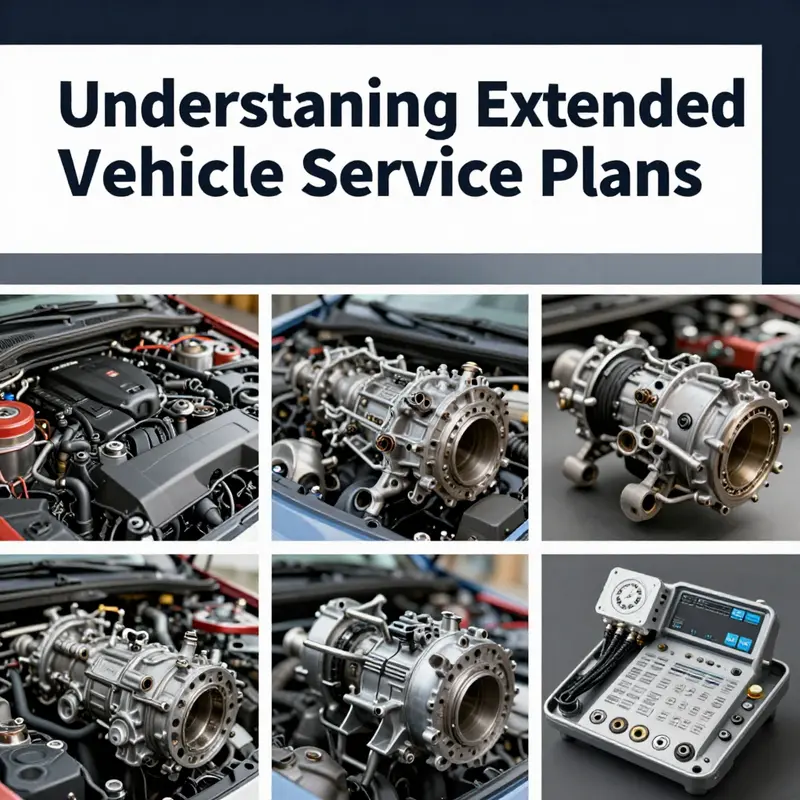
Extended Vehicle Service Plans, or EVSPs, are designed to bridge the protection gap that opens when a manufacturer’s warranty expires. They offer a structured way to manage the risk of costly repairs on older or high-value vehicles, turning the uncertainty of unexpected breakdowns into more predictable maintenance expenses. Rather than being a one-size-fits-all guarantee, these plans come with a range of coverage options that can be tailored to the owner’s needs, the vehicle’s complexity, and the anticipated lifespan of the car. Understanding what these options look like in practice helps buyers and current owners decide whether an EVSP is worth the investment, and if so, which mix of protections best aligns with their driving habits and budget.
At the core of any EVSP is core component coverage. This usually means protection for the parts that come closest to the heart of the vehicle’s function: the engine, the transmission, the drivetrain, and the essential electrical or control systems that keep the car moving and communicating with its various subsystems. Keeping these components covered helps dampen the financial shock of a major failure, but the specifics matter. Plans vary in what counts as a covered repair, which parts are included under “core,” and how much of a repair bill the owner must absorb before coverage kicks in. Some programs frame core coverage in broad terms, while others define it with detailed inclusions and exclusions. In both cases, the aim is to shield a driver from the most expensive, most repair-prone elements that historically drive the biggest post-warranty costs.
Beyond these core elements, many EVSPs offer optional add-ons that let owners tailor protection to their real-world needs. Tire and wheel coverage, for example, addresses road hazards that can otherwise surprise a driver with a sudden shop visit or a large outlay for replacement parts. Roadside assistance is another common enhancement that turns a roadside breakdown into a manageable inconvenience, offering services like jump-starts, lockout assistance, and guidance on the next steps when a car won’t start. Rental car reimbursement is especially valuable for longer repairs that take days rather than hours, helping maintain plans for daily transportation while a vehicle is in the shop. Towing services complete the practical safety net, ensuring that a disabled car can reach a repair facility without the owner bearing the full cost of a tow.
A crucial consideration in any EVSP is the time and mileage limits attached to coverage. Plans typically specify a maximum duration in years or a ceiling in miles, or sometimes both. Those limits are not arbitrary; they are calibrated to the vehicle’s expected life at the point when many components begin to age in a meaningful way. The challenge for buyers is to choose protection that aligns with how long they intend to keep the vehicle, how hard they drive, and how often they plan to maintain the car. The decision often comes down to balancing the cost of the plan against the probability and magnitude of repairs over the target period. An EVSP that ends after a few years may not be as valuable for a car kept for a decade, whereas a longer horizon can make a higher premium feel prudent when the alternative is facing a potentially steep repair bill.
Transferability is another feature that affects the value equation. Many EVSPs include transferability to a new owner if the vehicle is sold, sometimes with a straightforward process and a simple fee. When a plan can transfer, it tends to enhance the vehicle’s resale value because the buyer can assume ongoing protection without purchasing a new contract. This benefit is especially attractive for high-value or technologically advanced vehicles, where buyers anticipate higher maintenance costs in later years. The ability to pass coverage along also serves as a practical reminder that maintenance behavior matters; most contracts reinforce this by requiring adherence to service schedules and the use of approved parts and facilities as a condition of continued coverage.
Access to a robust service network is another subtle but meaningful difference among EVSPs. Reputable plans promise a nationwide or regional roster of authorized repair facilities, staffed with technicians who understand the vehicle’s systems and who have access to genuine or OEM-grade parts. The guarantee of a trained technician and quality parts is not merely a matter of convenience; it also controls the quality of repairs and, potentially, the duration of downtime. When a plan requires repairs to be conducted at specific shops or by certain technicians, the owner benefits from consistency in workmanship and in how claims are processed, which can shorten the path from problem diagnosis to resolution.
To illustrate how coverage options translate into real-world protection, consider the general architecture of a tiered EVSP. A basic tier tends to emphasize core component coverage with limited add-ons and modest maintenance requirements. A mid-tier level expands protection to include some electronics and perhaps a couple of high-frequency failure points, along with a few add-ons that address everyday risk. A premium tier broadens the scope to encompass intricate subsystems, such as climate control electronics or advanced suspension systems, and offers a more expansive set of benefits, including more generous roadside help, rental coverage, and broader eligibility for transferability. In all cases, the contract will specify what maintenance activities must be performed to keep the coverage valid—typically regular servicing at authorized centers and the use of genuine parts. The maintenance agreement aspect is not merely procedural; it is the mechanism that aligns customer behavior with the insurer’s risk calculus. When a vehicle is serviced on schedule and with appropriate parts, the likelihood of a dispute over a claim declines, and the reliability of the long-term protection rises.
The question for any prospective buyer becomes how to weigh these choices without getting overwhelmed by jargon or the lure of the most expansive coverage. The first step is to map out the driver’s reality: how many miles are driven each year, how long the car is kept, and how much risk the owner is willing to shoulder in exchange for a lower upfront premium. If a vehicle is high-tech or especially costly to repair, it may be wise to lean toward more comprehensive core protection and a healthy slate of add-ons. For an older vehicle with known issues, a plan that emphasizes major component protection and a streamlined maintenance requirement may deliver the best value. Importantly, buyers should scrutinize exclusions and deductibles, as these often determine how often a claim will be approved and how much will actually be paid out of pocket.
While the architecture above offers a practical framework, individual programs exist with nuances shaped by the insurer, the dealership network, and the vehicle’s category. For instance, some plans explicitly tie protection to a maintenance cadence—often termed a maintenance agreement—that requires service at authorized facilities using OEM parts. Others may emphasize transferability and resale value, while still others focus on the breadth of add-ons, treating tire-and-wheel protection and roadside assistance as essential complements to the core protection. The balance among these elements—core protection, add-ons, time and mileage limits, transferability, and network access—defines the value proposition of any EVSP. A careful comparison that weighs cost against the actual likelihood of needing a repair will typically reveal where a plan’s price aligns with its benefits.
For readers who want a grounded sense of how these considerations translate into everyday decisions, the practical guide at the KMZ Vehicle Center blog offers insights drawn from service experience and consumer questions. You can explore practical maintenance considerations and real-world examples here: KMZ Vehicle Center blog. The blend of practical, maintenance-oriented advice with the protection-oriented lens of EVSPs helps readers see the bigger picture: extended coverage is not simply an insurance policy against failure but a structured framework that nudges owners toward better maintenance habits and more predictable ownership costs.
As with any financial product tied to a big purchase, the strongest strategy is education layered with clear comparison. Read broadly, ask detailed questions about what is and is not covered, and request precise explanations of how claims are adjudicated, how long repairs take, and what the exact maintenance prerequisites are. If the vehicle in question is an electric model or another high-complexity platform, the value of a carefully chosen EVSP multiplies. The costs may be higher up front, but the potential relief from a major repair bill, particularly as the vehicle ages and technology evolves, can be substantial. The idea is not to insure against every possible fault—that would be prohibitive—but to align protection with the most expensive failure risks and the owner’s tolerance for uncertainty. For broader context on how these plans are framed in the marketplace, an external overview offers a concise survey of what extended vehicle service plans entail and how they function in practice: https://www.marketwatch.com/story/what-are-extended-vehicle-service-plans-1465738479882
Counting the Cost: Understanding Price, Coverage, and Peace of Mind in Extended Vehicle Service Plans
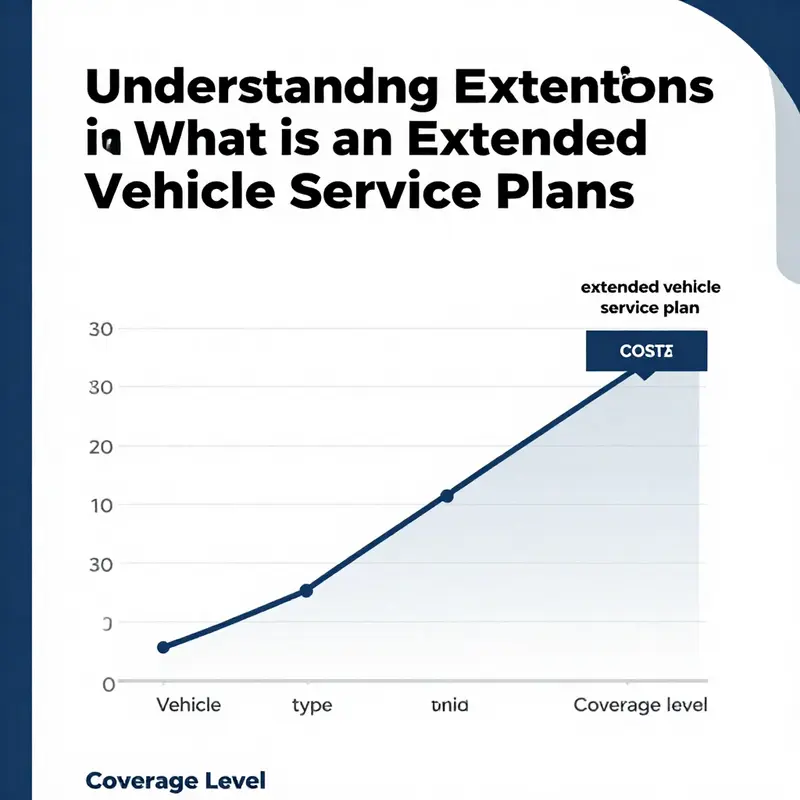
An extended vehicle service plan, often spoken of as an extended warranty, is a deliberate shield against the financial sting of mechanical failures once the original factory warranty has expired. It is not insurance in the traditional sense, but it functions in a similar way: you pay a predictable price to transfer the risk of unexpected repairs to a provider, allowing you to budget with more confidence. For owners, the appeal is simple and practical. As vehicles age and miles accumulate, the probability of a breakdown rises, especially for high-value or technologically complex systems. An extended plan promises a remedy without the sudden shock of a repair bill, provided the terms are carefully chosen and kept in good standing. Yet the practical decision to buy or skip such a plan hinges on cost, coverage, and the fit between the plan’s rules and the vehicle’s reality. The conversation around cost tends to dominate early discussions, but it must be balanced by a clear view of what is actually covered, how maintenance affects eligibility, and what value the plan adds over the life of the car.
The most widely cited metric in cost discussions is the average price. Industry data commonly place the average annual cost of an extended vehicle service plan around the high千s per year, with figures near the midpoint of roughly $1,300 per year serving as a practical benchmark. This baseline helps shoppers gauge affordability relative to the potential outlays of major repairs. Still, averages disguise the real variability you will encounter. A plan for a simple, lower-cost vehicle will look very different from a comprehensive package for a high-end or highly engineered model. In practice, customers should expect a spectrum of pricing that reflects the vehicle’s value, the complexity of its components, the chosen level of coverage, and the length of the term. Pricing also depends on how the plan is structured—whether it is paid annually, rolled into financing, or offered as a one-time lump sum. Each payment method carries its own administrative implications and affects the perceived value of the contract.
The architecture of cost is not a single number but a constellation of factors that dealers and insurers weigh when constructing a plan. One of the most obvious levers is the level of coverage. Core protections that focus on the powertrain, engine, and transmission tend to be more affordable because they cover the parts most prone to failure and most costly to repair. When the plan expands to include electrified subsystems, sensors, climate-control electronics, suspension components, or even tires and wheels, the price ascends correspondingly. In the realm of electric vehicles, the math becomes particularly nuanced. Batteries and drive units are capital-intensive, and while some plans exclude the battery or set special terms for EV-specific components, others include broader protection that can be worth the premium for drivers who rely on a car to stay mobile in all weather and all seasons. The point is simple: coverage breadth directly shapes price, but breadth is not the same as value for every owner. The right balance depends on how a person uses the vehicle, how long they plan to keep it, and how financially prepared they are to absorb an unexpected repair outlay outside a plan.
Another consequential cost driver is the vehicle’s age and mileage. A relatively young car with modest mileage may be offered at lower premiums because the odds of a claim in the near term are still moderate, especially if the plan’s terms emphasize major mechanical failures rather than electronics or wear items. As a vehicle ages and accumulates miles, the likelihood of needing repairs increases, prompting higher premiums or stricter eligibility. The logic is straightforward: the insurer is pricing based on risk, and older vehicles present higher risk of failure. This dynamic can also influence renewal terms; some plans impose escalating rates as the vehicle’s age advances or adjust coverage to reflect changing risk profiles. For buyers, the takeaway is to view cost in the context of risk exposure over time, rather than as a single momentary expense.
The breadth of coverage is another critical determinant. Tiered packages, commonly labeled Basic, Comfort, and Premium in many programs, map to escalating guarantees and broader inclusions. The Basic tier typically covers core mechanicals; Comfort expands to additional subsystems; Premium sweeps in more components, sometimes including electronics, climate systems, and even certain non-essential but high-cost assemblies. Each tier carries commensurate pricing, and the incremental cost often reflects not only the components covered but also the convenience features that accompany coverage, such as roadside assistance, rental-car reimbursement, or towing services. These extras add value, but they also push the price upward. When evaluating a tiered option, it’s useful to estimate not just the sticker price but the practical cost of a breakdown absent coverage. If you own a vehicle with a history of expensive repairs in a particular subsystem, a higher tier may deliver protection that is genuinely worth the extra dollars. If not, a leaner plan might be the smarter budget decision.
Another line item in the cost picture is the set of conditions that accompany coverage. Providers often require that maintenance be performed at authorized service centers and that genuine parts be used during repairs. These requirements help mitigate the insurer’s risk by ensuring that a vehicle operates within the designer tolerances that reduce unexpected failures. They also shape the owner’s true cost of ownership. In some cases, the need to visit a specific network or to use OEM parts can raise service expenses beyond what a more flexible plan might entail. For owners who prefer independent shops or who travel frequently to different regions, these constraints can alter both the practical and financial appeal of a plan. Reading the fine print becomes less about cheering for the smooth rhetoric of coverage and more about verifying how the maintenance rules would affect real-life servicing in the years ahead.
The value proposition of an extended plan is not merely about avoiding a single repair bill. It is about creating a predictable budget for upkeep on a vehicle that is inherently uncertain as it ages. This predictability is especially meaningful for high-value or technically sophisticated platforms, where a repair can involve specialized labor and expensive parts. A well-chosen plan lowers the odds of a catastrophic, sudden expense that could force a premature trade-in or a loan adjustment. Yet there is an important counterpoint: not every owner will maximize the benefit. If a vehicle has a proven track record of reliability and the owner plans to replace it within a few years, the cumulative cost of premiums may exceed the expected repair costs. In such cases, the plan becomes a hedge against worst-case scenarios rather than a savings instrument. Wise buyers approach this decision by weighing the annualized premium against an estimated ceiling for future repairs, factoring in the vehicle’s age, the typical life cycle of its components, and the owner’s financial resilience to irregular, high-cost events.
In practical terms, purchasing and using an extended vehicle service plan is a process that rewards diligence. Start with a careful inventory of the vehicle’s current condition, maintenance history, and any known issues. Then compare the premium, the coverage details, and any exclusions against a rough forecast of potential repairs over the next several years. A useful step is to translate coverage into a concrete plan: what exactly will be repaired, under what conditions, and who performs the work? Envision a scenario where something expensive fails. How much would the bill be, and how much would the plan cover after any deductible or service requirements? Do not forget to factor in the administrative convenience of a provider network, including how easy it is to book service, where the repairs will be performed, and how quickly a rental car or roadside assistance can be mobilized if needed. All of these experiences matter because they translate into real-world cost and real-world peace of mind.
To make this journey smoother, many shoppers benefit from treating maintenance as a dynamic conversation with the broader world of car care. For instance, maintenance intervals—such as oil changes, filter replacements, and system checks—play a symbolic role in the health of the plan as well as the vehicle. See further discussion on how maintenance intervals influence overall costs and risk here: https://kmzvehiclecenter.com/optimal-oil-change-intervals-time-vs-mileage/. This link offers insights into how routine care, when aligned with the plan’s terms, can maximize coverage validity and minimize disqualifications during a claim. The decision to buy and the decision to choose a level of coverage should, therefore, be anchored in a clear appreciation of both the maintenance routine and the financial envelope within which the plan operates. And while the numbers tell a story, the underlying theme remains constant: extended plans are about balancing predictable costs with real protection against the unpredictable costs of staying on the road with an aging, high-value vehicle.
Ultimately, the question of cost comes down to a personal calculus that blends risk tolerance, driving habits, and the expected trajectory of the vehicle. For some, the comfort of a known annual outlay that cushions the shock of major repairs is worth paying a premium. For others, especially those who maintain meticulous service schedules and frequently trade in vehicles before the end of a typical repair cycle, self-insurance through regular savings may be a preferable route. The decision should rest not on the lure of a single promise of “coverage” but on a clear view of what is covered, what is not, and what the plan actually requires for you to keep it in force for the life of your ownership. In the right circumstances, a thoughtfully chosen extended vehicle service plan can pair nicely with prudent maintenance to deliver predictable costs, reduced financial stress, and a reliable sense of protection as technology and complexity continue to grow in modern vehicles. In the end, cost is the scaffold, not the architecture; the aim is to build a sound structure that supports continued mobility with less financial anxiety. External resources can provide broader consumer perspective on warranties and longer-term protection strategies, such as this accessible overview: https://www.consumerreports.org/cars/extended-car-warranties/.
From Tiers to Transferability: A Practical Guide to Extended Vehicle Service Plans Across Providers
When a car rolls off the showroom floor with the sticker of a factory warranty, the buyer often feels a built-in shield against the cost of unexpected repairs. Yet that shield is finite. Once the manufacturer’s coverage ends, the risk of expensive failures rises, especially for high-value or technologically complex vehicles. An extended vehicle service plan, sometimes called a vehicle service contract, steps in as a pre-paid safeguard against mechanical and electrical breakdowns after the initial warranty window closes. Rather than a simple promise of future repairs, these plans are a form of budget insurance. They allow drivers to forecast maintenance costs with greater certainty, turning the fear of a surprise repair bill into a predictable line item in a monthly or annual cost. The core appeal is straightforward: a plan that helps protect the car’s critical systems and, in return, minimizes the chance that a single breakdown derails a financial plan or a family trip. But the appeal quickly meets reality, because not all plans are created equal, and the value of a policy hinges on how its coverage is shaped, how it’s administered, and what conditions govern eligibility and claims. In other words, the practical art of choosing an extended vehicle service plan is less about chasing the widest shield and more about aligning a specific protection profile with the vehicle’s needs, the owner’s risk tolerance, and the realities of ownership and resell value over time.
The first question buyers encounter is coverage scope. On paper, plans often cover core components that determine a vehicle’s fundamental operability: the engine, the transmission, and the drivetrain. However, the real variation appears as providers tier the protection. A European automaker, for example, might offer a three-tier structure that starts with a Basic package and scales up to Comfort and Premium. The Basic tier tends to secure the essentials—engine, transmission, cooling systems, and perhaps the brakes—while the Premium tier broadens the net to include suspension, steering, electronics, and many non-wear parts. The goal of this tiered approach is to give owners the chance to calibrate protection to risk tolerance and budget, without forcing a one-size-fits-all product onto every vehicle owner. For owners of high-end or technologically advanced vehicles, the more comprehensive tiers can be particularly valuable, since complex systems and integrated electronics can be expensive to repair and difficult to source in a timely manner.
Alongside coverage breadth, the question of transferability can influence long-term value. In many markets, plans can be transferred to a new owner if the vehicle changes hands within the term of the agreement. This portability matters because it preserves the car’s appeal during resale. A policy that remains with the vehicle rather than the owner can translate into a smoother sale and potentially a higher asking price, since a prospective buyer sees a continued shield against unexpected repair costs. The practical impact of transferability is not merely a nicety; it can be a deciding factor for buyers who weigh used-vehicle purchases against the perceived risk of future repairs. When evaluating a plan, buyers should confirm whether transferability is automatic or requires a formal procedure, and whether any fees apply during the transfer.
Eligibility requirements form the second axis of comparison. Reputable providers commonly require that maintenance be performed at authorized service centers using OEM parts or equivalent standards. The rationale is straightforward: consistent maintenance records and proper part quality are essential to the integrity of complex systems and to the likelihood that a claim will be honored. Some providers embed maintenance obligations within a separate program, sometimes labeled as a Maintenance Agreement, which documents service visits and part replacements. The effect is twofold: it creates greater transparency for the insurer and the consumer, and it reduces the friction and ambiguity that can arise when a repair is needed. Failures that occur outside these conditions may be excluded or lead to claim denial, so readers should scrutinize maintenance clauses as closely as the covered components themselves.
The nuance of coverage is often enriched by add-ons. Roadside assistance, rental car reimbursement, and towing services are common enhancements, and they can meaningfully improve the practical value of a plan for people who rely on their vehicles for daily commuting or long trips. Yet add-ons come with trade-offs in cost and exclusions. Some add-ons may be tailored to the vehicle’s life stage or its usage profile, such as protection for tires and wheels in the case of some mobility-dependent fleets, or coverage extensions for climate-control systems and electronics. It is wise to weigh whether an add-on aligns with the driver’s real exposure. If a vehicle is relatively new and under a secondary warranty, a lighter protection package may suffice. For an older or more intricate vehicle, a broader plan—with mindful attention to how much of that breadth is truly needed—can deliver better value over the life of ownership.
To ground these ideas in a practical landscape, imagine the potential structure of a traditional extended plan without naming specific brands. A well-structured European automaker’s program might present three tiers. The Basic tier covers the engine, transmission, brakes, and cooling systems, ensuring core mobility remains intact after the factory warranty expires. The Comfort tier expands into the realm of steering, suspension, and advanced electronics, addressing common trouble spots that emerge as vehicles accumulate miles and age. The Premium tier pushes further, including coverage for most non-wear parts and a broad swath of systems that typically require sophisticated diagnostics and specialized repairs. In this framework, coverage is complemented by optional services such as roadside assistance, a courtesy vehicle, and transport costs, all designed to reduce the friction of a breakdown and the disruption it creates for daily life. The practical upshot is clarity: owners can tailor protection to their vehicle’s complexity and their own risk tolerance, rather than choosing a blanket shield that may be too broad or too narrow for their circumstances.
A subtle but important dimension of these plans concerns maintenance discipline. The contract usually stipulates that regular servicing is performed at authorized facilities and that genuine parts are used when repairs are required. This is not merely bureaucratic housekeeping; it is a performance standard designed to ensure that the vehicle remains reliable and that the insurer can verify that the vehicle has been cared for in a manner consistent with the plan’s intent. In this sense, extended plans function as a bridge between the depreciation-driven expense of keeping an older, more valuable vehicle on the road and the owner’s desire for predictable, controlled repair costs. The maintenance records kept during this period become the documentary backbone of claims, reducing uncertainties at the moment of repair and supporting faster, smoother service experiences.
The topic of value—how to assess whether an extended plan represents a wise expenditure—resonates with broader car-ownership questions. For vehicles that are high-value or mechanically complex, including many electric models with specialized components, extended plans can be particularly compelling. The cost of a major repair can wipe out years of depreciation or a hefty chunk of savings. In those scenarios, predictable costs, once the plan is in force, are not only comforting; they can be financially prudent. Yet for other cars, especially lower-mileage or well-maintained examples, the economics may tilt toward self-insurance—paying for occasional repairs out-of-pocket and letting the plan lapse when the risk of major failure declines. This calculus is highly personal and, to be truly useful, must be grounded in an honest appraisal of one’s driving patterns, maintenance history, and the actual reliability track record of the specific model in question.
For readers seeking practical guidance beyond the abstract framework, deeper explorations of how these plans work in real-world markets are available from independent perspectives. A widely referenced overview discusses how extended vehicle service plans function, their typical structures, and the considerations drivers should weigh when comparing quotes. That broader context reinforces the message that the strongest protection comes not from the widest coverage, but from coverage that aligns with the vehicle’s needs and the owner’s circumstances. For readers who want to explore maintenance practices and coverage considerations in more concrete terms, the KMZ Vehicle Center blog offers accessible, practical discussions and tips on keeping vehicles healthy and affordable over the long haul, including guidance on maintenance schedules and parts selection. KMZ Vehicle Center blog
As with any significant financial decision, the art of choosing an extended vehicle service plan lies in reading the fine print with care. Policy language can be dense, replete with exclusions, caveats, and jurisdiction-specific nuances. From the insurer’s perspective, the clarity of coverage depends on how well the contract delineates what is included and what is excluded, how claims are filed, and how service is administered. From the consumer’s perspective, the critical questions revolve around the reliability of the plan during the vehicle’s later years, the ease of a claim, the availability of a network of repair facilities, and the overall total cost of ownership when premiums, deductibles, and out-of-pocket expenses are all taken into account. Taken together, these considerations shape whether an extended plan is a protective shield or an unnecessary layer of expense that complicates ownership without delivering commensurate value.
For readers who want a broader context on how different providers structure these protections—and how the market has evolved as vehicles have grown more complex—the following external resource offers a contemporary snapshot of what extended vehicle service plans typically entail and why owners consider them in the first place. External resource: https://www.marketwatch.com/story/what-are-extended-vehicle-service-plans-2024-07-15
Final thoughts
Extended vehicle service plans stand as a valuable asset for vehicle owners, offering a financial shield against unforeseen repair expenses while bolstering overall vehicle reliability. By understanding the fundamental aspects, benefits, coverage options, and cost dynamics, vehicle owners, used car buyers, and small business fleet operators can make informed decisions. As the automotive landscape continues to evolve, having the right plan ensures a smoother road ahead, allowing owners to focus on what they love—the journey.