
Differential service is often overshadowed by more visible aspects of vehicle maintenance, yet it plays a pivotal role in the functionality and performance of your car. Understanding how different types of differentials work and their specific service needs can significantly enhance vehicle handling, grip, and longevity. In this comprehensive guide, we will explore the various types of differential services, the essential role they play in your vehicle’s traction and handling, the maintenance practices critical for optimal performance, and finally, the emerging technical innovations shaping the future of differential technology. By grasping these concepts, local car owners, used car buyers and sellers, and fleet operators will be better equipped to ensure their vehicles operate at peak performance, navigating through all terrains with confidence.
Turning Power Under Control: A Comprehensive Dive into Differential Service Across Open, Limited-Slip, Locking, and Torsen Systems
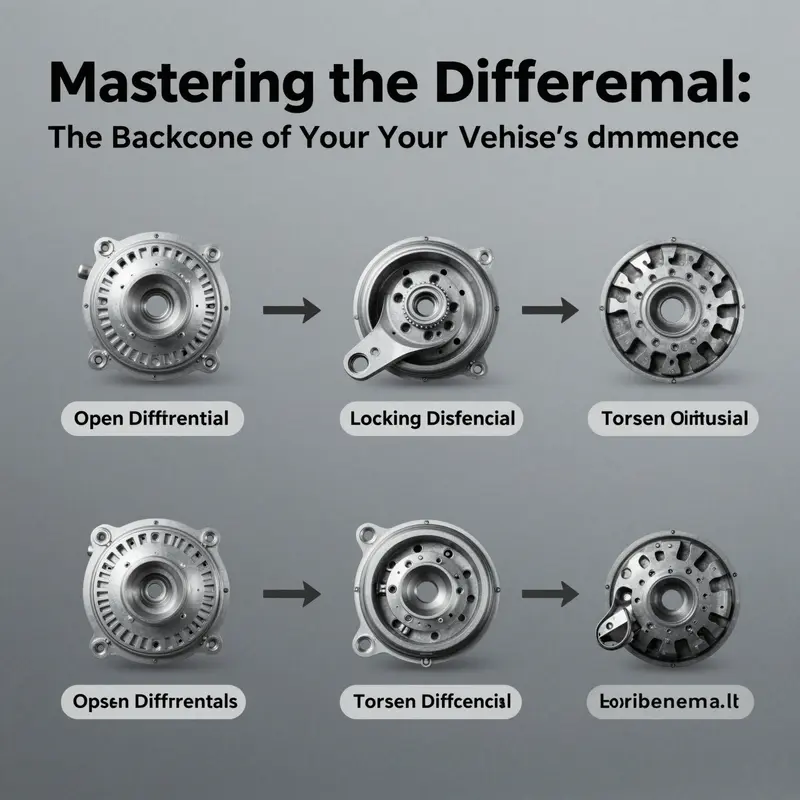
A vehicle’s differential is a quiet master of motion, a component that rarely takes center stage in conversations about engines and horsepower, yet it is essential to how a car actually feels when you drive it. It sits between the engine and the wheels, tucked in the center of each axle, and its job is deceptively simple in theory: let the wheels spin at different speeds while still transmitting torque from the engine to the road. That simple idea becomes remarkably complex once you consider the realities of turning, slipping, and varying traction across conditions. When you smoothly negotiate a corner, the outside wheel must cover a longer path than the inside wheel. If both wheels were forced to rotate at exactly the same speed, the vehicle would experience tire scrubbing, increased wear, and compromised handling. The differential, in effect, decouples equal wheel speed from equal power and, in doing so, preserves control and efficiency. Yet differential service is not a one-size-fits-all task. The service needs and challenges vary with the type of differential you have, and understanding these differences is the key to proper maintenance, performance, and safety on the road or trail.
To appreciate why service matters, it helps to unpack the main types of differentials in common use on modern vehicles. The open differential is the default, the baseline design that most drivers will encounter at some point. In this arrangement, power is transferred to the wheel with the least resistance. That characteristic can be a blessing in uncertain surfaces—when one wheel has a better grip, more torque goes to that wheel. But it can also be a curse. If one wheel encounters a slick surface—ice, mud, or a painted strip of asphalt—the other wheel may receive little or no drive power. On a slope or in adverse conditions, this can trap a vehicle, spinning one wheel while the other sits idle. From a service perspective, the open differential is straightforward: the fluid inside is primarily hydraulic and designed to lubricate gears while carrying heat away from them. Drain, inspect, and replace the fluid at intervals recommended by the manufacturer, and you keep wear minimal and noise rare.
The second major family is the limited-slip differential, or LSD. Here, the goal is to moderate the wheel-speed difference while still allowing rotation at different rates when needed. When one wheel begins to slip, an LSD automatically redirects more torque to the wheel with better grip. That dynamic translates into improved traction, especially during aggressive driving, light off-roading, or slippery conditions where grip is uneven from side to side. LSDs come in several mechanical flavors: gear-based, clutch-pack, and viscous designs. Each type achieves the same broad objective—limit slip and maintain traction—but they do so with different mechanical choreography. Mechanical (gear-based) LSDs usecam-driven interlocking gears to equalize torques. Clutch-pack LSDs rely on friction plates that engage under load, shuffling torque away from the slipping wheel. Viscous LSDs depend on a viscous fluid to dampen slip between the wheels, though their response can be slower and sometimes less aggressive under demanding conditions. From a service standpoint, LSDs demand a more nuanced approach than a simple refill; some require special lubricants with friction modifiers, and others may need careful inspection of clutches or gears to ensure the system continues to behave as designed. In performance driving or challenging weather, a well-serviced LSD can be the difference between decisive traction and a stubborn skid.
A locking differential represents the next extreme in the spectrum of traction management. When activated, a locking differential “locks” both wheels on an axle to rotate at the same speed, effectively removing any difference in wheel speed. This setup is invaluable in extreme off-road situations—when one wheel is perched on a rock, or both wheels are enveloped in deep mud or snow—because it guarantees that both wheels receive equal torque, maximizing the chance that at least one wheel maintains contact with the ground. The trade-off, however, is real. On paved roads, where gentle turns require some differential action to avoid scrubbing inner tires, a locked axle can produce awkward steering and binding. For that reason, locking differentials are typically found in heavy-duty trucks, specialized off-road builds, and some race configurations rather than everyday passenger cars. Service for locking differentials mirrors this practical emphasis: the seals and gaskets must be sound to prevent leaks, the locking mechanism needs to engage reliably, and the lubricant must handle the higher stress levels that locking imposes on gears and bearings. Any lapse in service can translate to reduced performance or sudden lock-up that compromises control.
Then there is the torsen differential—short for torque-sensing—an elegant variant that sits in the middle of the LSD family. Torsen differentials use gear teeth to distribute torque automatically based on resistance. They function passively, without electronic control or clutch packs, which gives them a reputation for smooth operation and reliability. In practice, a torsen differential continually senses wheel traction and shuffles torque toward the wheel with better grip. The result is more balanced handling in all-wheel-drive setups and cleaner response during fast cornering, especially on mixed surfaces. The continued reliability of a torsen system rests on proper lubrication and periodic inspection; since these units are heavily gear-driven, neglecting fluid changes or failing seals can cause wear that erodes the very torque-sensing advantage they are built to deliver.
Given the variations in design and purpose, the service approach for each differential type shares a unifying goal: keep the lubricant clean and the mechanical interfaces free from wear-related contaminants. The specific steps and considerations vary with the topology, but several core practices apply across the board. Start with a visual and olfactory check. A leaking or discolored differential seal is not merely a nuisance; it signals potential loss of lubrication, which accelerates gear wear and can force expensive repairs. If you notice a burnt or acrid odor coming from the differential area, or if the oil appears unusually dark or gritty, that is a sign the unit needs attention. Temperature matters too. A differential that runs hot—or feels unusually warm after a drive—may indicate insufficient lubrication, heavy load, or a fault in the cooling path that carries heat away from the drivetrain. Over time, heat can degrade seals and oils, leading to accelerated wear. The practical upshot is simple: do not ignore symptoms. Timely service protects not only the differential itself but the broader drivetrain and the tires that interact with the road surface.
Fluid service is the most routine and accessible form of differential care. The differential fluid acts as both lubricant and coolant, carrying away heat from the gears and providing a film that reduces metal-on-metal contact. The type and viscosity of this fluid are chosen by the manufacturer to match the loading, speed, and temperature profiles the differential experiences. Open differentials and many LSD configurations typically use conventional or synthetic gear oil that meets a prescribed specification. Some LSD variants require specialty lubricants containing friction modifiers designed to control slip behavior and maintain the expected traction characteristics. When service time arrives, the process is to drain the old oil, inspect the drain plug and gasket for wear, replace the gasket if needed, and refill with the appropriate lubricant to the recommended level. A precise fill ensures reliable operation and avoids under-lubrication, which can lead to overheating and accelerated wear. In higher-stress configurations, such as those handling heavy towing or relentless off-road use, technicians may also inspect or replace the vent tube, pressure relief components, and seals during a fluid service. If the differential has a visible drain and fill plug arrangement, the service is straightforward; if it’s integrated into a more complex assembly, the procedure may require more disassembly and reassembly, along with torque checks on fasteners and bearing caps.
For open differentials, routine service may be pleasantly uncomplicated. A simple fluid change, performed at the vehicle’s service interval, is often sufficient to maintain performance. The open differential’s wear patterns are typically uniform, so a clean, compatible lubricant is usually all that is needed to sustain long life. However, the story changes with LSDs and locking differentials. In LSDs, especially those using clutch packs or viscous elements, you may encounter subtle shifts in behavior as the fluid ages or as mechanical components wear. In such cases, some owners opt for a specialized LSD fluid with friction modifiers designed to preserve the differential’s slip-control characteristics. If the owner’s manual calls for it, the technician will inspect the clutch packs for wear and may re-torque or replace the bearings that sustain the differential’s internal geometry. With locking differentials, the emphasis is on ensuring the locking mechanism engages evenly and predictably. Any misalignment, stiffness, or delayed engagement can hamper traction when it’s most needed and can also cause steering instability on pavement. The service technician might inspect the locking linkage, actuators, and the associated seals to preserve reliability under pressure.
Torsen differentials, being gear-driven and passive in operation, emphasize precision and cleanliness. Because their torque-biasing action depends on gear teeth and the smooth engagement of multiple gear sets, contaminants or degraded lubrication can blunt the torque-sensing behavior. A torsen differential’s service focuses on the cleanliness of gear meshes, the integrity of seals, and the adequacy of lubricant. Regular inspection of oil quality and level is as important here as it is with other designs. The goal across all these systems is not merely to keep the oil in the right color but to ensure it can act as a heat sink and film of protection under the vehicle’s typical operating temperatures and loads.
An important nuance in differential service is that some configurations require attention beyond oil alone. Limited-slip units, for instance, may demand attention to the interaction between friction elements and the lubricating film. Clutch-pack LSDs, in particular, can suffer from clutch wear if the oil’s friction modifiers are depleted, or if the fluid is not changed at intervals that reflect the vehicle’s use. In vehicles used for heavy towing, spirited driving, or challenging weather, a thorough inspection may include checking for gear whine, chatter during acceleration, or changes in the feel of the differential’s response when applying power in corners. While these symptoms do not always indicate a fault, they can indicate that a service or component replacement is prudent. A careful technician will listen for abnormalities during a road test, assess fluid samples for metallic wear particles, and verify that the seals and gaskets are intact and free of leaks.
The service philosophy for differentials also intersects with driver expectations and the broader maintenance routine. A solid plan begins with the owner’s manual and the vehicle’s maintenance schedule, then integrates the practical realities of your driving environment. If you operate in regions with extreme temperatures, heavy rain, or frequent off-road exposure, you might schedule more frequent differential fluid inspections or changes. If you routinely tow a trailer or carry heavy payloads, you should expect to inspect seals and lubricants more often and to consider a fluid with a higher load-bearing capacity. The lubrication system does not operate in a vacuum; it responds to the demands placed on it, which in turn reflect how you drive and the road you choose to ride on. Keeping this in mind helps emphasize a core principle: differential service is not an abstract maintenance item but a governing factor in how reliably your vehicle can deliver power to the wheels when it matters most.
In practice, the best way to approach differential service is through a coherent maintenance mindset. Treat the differential as part of the drivetrain’s heartbeat—an indicator of overall health and a contributor to ride quality, steering fidelity, and traction. When you notice a change in how the vehicle behaves—hesitation reaching for power in a corner, a new whine from the center of the car, or a sense that the vehicle is less willing to grip when exiting a bend—think about differential service as a plausible cause. A professional inspection can confirm whether the symptoms arise from fluid degradation, seal leakage, or wear in the gears or friction materials inside the differential. In many cases, a straightforward fluid change with the correct specification will restore the status quo and extend the life of the unit. In others, the symptoms may indicate the need for more involved service that includes sealing work, bearing replacement, or even the reconditioning of internal components. The key is to stay proactive and to align service decisions with the vehicle’s operating profile and the manufacturer’s guidance.
To connect this practical guidance with broader drivetrain maintenance, readers may find broader maintenance resources helpful. For a broader view on ongoing drivetrain upkeep and related procedures, explore the vehicle maintenance blog. It provides accessible context for how differential care fits into a comprehensive approach to keeping your car in peak condition: vehicle maintenance blog.
For readers seeking a deeper, technical explainer of differential types, as this chapter has touched on the differences among open, limited-slip, locking, and torsen designs, an external resource offers a detailed perspective on how engineers implement torque distribution and how those choices affect handling across surfaces. This resource provides a thorough overview of differential types and their operating principles: Types of Differentials Explained.
Maintaining Traction: Differential Service and Vehicle Handling
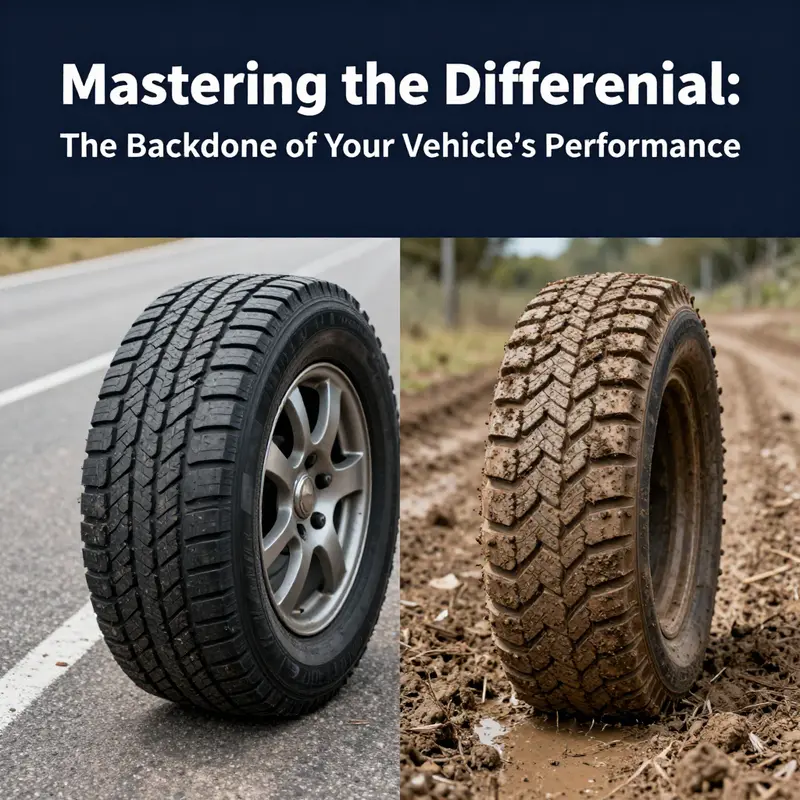
Traction and handling hinge on the drivetrain beyond tires. The differential distributes torque between wheels on an axle while allowing different wheel speeds when turning. The open differential is common but can lose traction when one wheel spins. Limited-slip differentials reduce slip by routing torque to the wheel with better grip, improving acceleration and cornering. Locking differentials lock both wheels together for maximum ground contact in low-traction conditions, but are unsuitable for dry pavement due to handling and tire wear. Regular differential maintenance—checking fluid, inspecting seals and gears, and addressing leaks—preserves performance and safety. Proper lubrication prevents heat buildup and wear, while clean seals prevent contaminants from entering the gearset. Routine service helps detect wear patterns, measure backlash where indicated, and ensure correct lubricant levels. In practice, a well-maintained differential contributes to stable handling, predictable torque delivery, and safer driving in rain, snow, or off-road conditions. For readers seeking deeper understanding, consult technical resources on limited-slip and locking differentials as well as maintenance guidelines from reputable automotive sources.
The Hidden Gear: Regular Differential Service and Its Impact on Traction, Longevity, and Handling
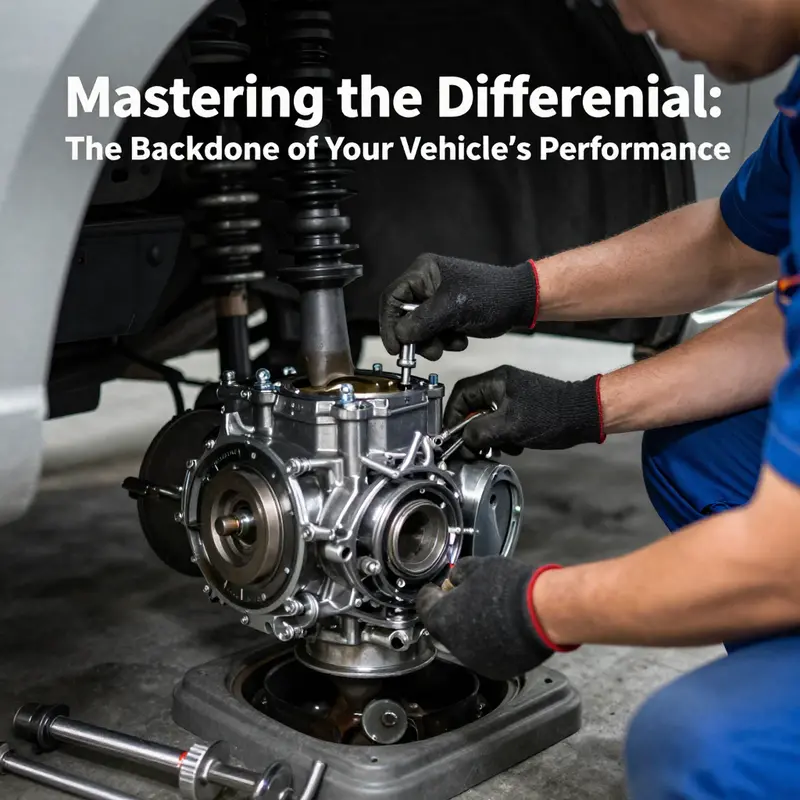
In the quiet world of a vehicle’s drivetrain, the differential may seem unassuming, but it is essential to how a car translates engine power into controlled motion. When you turn, the outside wheel travels farther than the inside wheel, and the differential lets those speeds differ without tearing up tires or scrubbing away tread. It acts as a conductor in the drivetrain orchestra, keeping the turn smooth, predictable, and efficient. More than just splitting torque, the differential helps preserve handling and protects the gears from heat and wear that accumulate with daily driving, weather, and load.
Lubrication is the core of its health. Inside a differential, gears and bearings generate heat as power flows to the wheels. Over time the oil breaks down, picks up metallic debris, and loses its protective film. When oil becomes thin or contaminated, friction rises, accelerating wear and increasing the risk of overheating. Regular differential service—changing the gear oil to a fresh, manufacturer-specified lubricant and inspecting seals—keeps surfaces separated by an effective film, reduces temperature spikes, and helps the differential shed heat. In practical terms this means more consistent torque delivery, steadier noise levels, and a lower chance of an unexpected failure.
Different differentials have different maintenance quirks. An open differential distributes torque to the wheel with the least resistance, which works well on dry pavement but can spin a wheel in low-traction conditions. Limited-slip differentials (LSD) divert torque toward the wheel with better grip, reducing wheel spin. Locking differentials weld the two wheels together for difficult terrain but can affect steering on pavement. Torsen units use gear-based torque bias and require precise lubrication. Across all types, clean oil, correct viscosity, and reliable seals are the foundation, while the fluids or clutches in LSDs and the locking mechanism should be considered when scheduling service.
Modern vehicles add electronic and controlled differentials that work with sensors and software to optimize traction. Even so, the physical health of the gears, bearings, and seals remains essential. Regular service may include checking seals for leaks, inspecting gear backlash, and confirming the presence of appropriate friction modifiers in limited-slip fluids. Software updates and calibration for electronically assisted systems elevate maintenance but do not replace the need for sound mechanical care.
In daily driving, a well-maintained differential supports tire grip, stability in corners, and fuel efficiency. Neglect can lead to heat buildup, uneven wear, and unpredictable handling in rain, snow, or gravel. The message is simple: follow the manufacturer’s service intervals, use the specified gear oil, inspect seals and bearings, and consider any model-specific requirements for limited-slip or electronically controlled differentials. A small investment in differential care protects broader drivetrain health and preserves the vehicle’s dynamic character over time. For deeper technical context, consult OEM guidance or reputable technical resources that discuss how differentials manage loads and how lubrication, seals, and, when applicable, electronic control influence performance.
Turning Power with Precision: Innovations, Service, and the Road Ahead for Vehicle Differentials

A vehicle’s differential is more than a gear set tucked under the chassis; it is the quiet conductor of motion that makes safe, predictable handling possible when a car leans into a turn. At its core, the differential transmits engine torque to the wheels while allowing them to rotate at different speeds. That difference in speed is essential for smooth cornering because the outer wheel travels a longer distance than the inner wheel. Without a differential, the wheels would be forced to spin at the same rate, producing tire scrub, excessive wear, and compromised steering feel. Yet the differential’s job goes beyond simply enabling turns. It also influences traction, stability, efficiency, and even the feel of a vehicle in low-traction environments. In recent years, the service life of differentials has become a focal point for engineers and technicians alike, not only to preserve performance but to extract incremental gains in efficiency and safety that fit into the broader story of modern mobility. This chapter takes a forward-looking view of differential service, tying traditional maintenance concerns to the rapid pace of technical innovation that is reshaping how torque is managed across powertrains, including the growing presence of electric drivetrains and automated driving systems.
The oldest, most common form—an open differential—continues to be a reliable baseline choice for everyday driving. Its elegant simplicity lies in a set of gears that divides torque based on resistance encountered by each wheel. If one wheel finds grip on dry asphalt, the open differential apportions more torque to that wheel; on slippery terrain, it can send power to the wheel with less resistance, which is helpful in some situations but can become a liability when grip is limited on both wheels. This shortcoming is not a defect of engineering as much as a reflection of the physics the design must work within. From a service perspective, the open differential’s primary maintenance concerns are the same as those for many other mechanical assemblies: keep the gear oil clean, at the right level, and free from leaks. Oil acts as both a lubricant and a heat sink, and as with any sealed gear train, it degrades with time, heat, and exposure to contaminants. If the oil becomes contaminated or breaks down, wear accelerates, noise can appear, and the pressure within the differential can rise, leading to leaks and dwindling efficiency. Routine inspection, proper sealing, and timely oil changes are the simplest, most effective forms of differential care for open units, with service intervals driven by driving style, climate, and load.
In contrast to the purely open design, limited-slip differentials introduce complexity in the pursuit of better traction. Clutch-based LSDs use controlled friction to limit slip between the wheels on an axle, directing more torque to the wheel with grip. Viscous LSDs rely on shear-thinning fluids to damp wheel slip, while electronic LSDs use sensors and actuators to modulate torque bias in real time. Each approach has its own maintenance implications. Clutch-based units demand careful inspection of clutch packs, spring rates, and the hydraulic or mechanical mechanisms that apply the clamping force. If the clutches wear unevenly, performance can suffer, and the vehicle may exhibit uneven traction under load or accelerate aggressively into a corner. Viscous LSDs require attention to the fluid condition and the integrity of the viscous coupling, which can degrade with heat and age, altering torque distribution in unpredictable ways. Electronic LSDs, increasingly found in high-performance and all-wheel-drive vehicles, depend on software calibration, sensor health, and actuator reliability. A fault in the control logic or a degraded sensor can misread wheel speeds or road conditions, resulting in torque misallocation and a perception of lag or instability. The service mindset for LSD-equipped vehicles combines traditional mechanical checks with a readiness to update software, replace select components, and ensure the control system remains synchronized with the vehicle’s broader stability and traction control networks.
Then there are locking differential, s, which remove axle-speed differences entirely by mechanically locking the two wheels on an axle together. This configuration delivers maximum traction in demanding off-road or mud-bound terrain but changes the handling character on paved surfaces. Because a locking differential operates with a fixed ratio, its maintenance priorities emphasize robust seals, bearing integrity, and the dependable operation of the locking mechanism itself. When a locker sticks or slips, it can cause chirping sounds or grip issues that feel like a hesitation or a binding during turns. In service terms, ensuring the mechanism engages and disengages cleanly, and verifying the longevity of the actuators and linkage, are critical tasks. As with other differential types, oil remains a fundamental concern; even in lockers that rely less on fluid dynamics for torque bias, the gear oil protects gear mesh from wear, carries away heat, and helps prevent corrosion in the gear train.
A closely related, increasingly common class is the Torsen, a type of limited-slip differential that uses a gear-mechanism rather than clutch packs or fluids to distribute torque. The Torsen’s strength lies in its fast, automatic distribution of torque to the wheel with more grip, which enhances cornering grip and cornering stability without the abrupt engagements that sometimes accompany clutch-based systems. From a service standpoint, the gear mesh in a torsen unit requires careful lubrication and monitoring. The lubricant must maintain film integrity across a wide temperature range, and any contamination can lead to accelerated wear. The service philosophy for torsen systems is to treat essentially like other load-bearing gear trains: monitor oil quality, respect fill levels, and inspect bearings and seals for signs of wear or leakage. The difference is that the premium performance promised by such a differential hinges on a precise balance of oil viscosity, gear geometry, and the absence of metal-on-metal contact, making routine checks more critical for those seeking sustained performance over many miles.
In parallel with these mechanical variations, the arrival of electronic control has transformed how differentials operate in modern vehicles. Intelligent control systems interpret data from wheel-speed sensors, steering inputs, accelerator position, road surface condition, and even vehicle yaw to decide how torque should be allocated. This creates a feedback loop in which the differential becomes a dynamic element of the vehicle’s stability and handling strategy. Electronic differentials can reduce understeer in tight corners, minimize wheel slip on slippery or uneven surfaces, and, in some configurations, aid fuel economy by lowering needless power loss due to traction limitations. The sensors that feed these decisions are subject to the same endurance challenges as other vehicle electronics: moisture, thermal cycling, vibration, and connector wear can degrade performance. When electronic differentials require service, the work extends beyond the mechanical parts to include software updates, calibration procedures, and, at times, replacement of sensors or actuators. The goal is not merely to restore torque distribution to a fixed state but to ensure the chassis control systems—stability control, traction control, and adaptive suspension—remain harmonized with the differential’s behavior.
The surge of electrification has further reshaped differential design and service. Electric vehicles, particularly those with dual-motor architectures, often implement electronically controlled differentials that can operate without the traditional mechanical linkage in some configurations. In many AWD EVs, torque can be poured to each wheel with precise timing, enabling highly agile handling and improved efficiency, because motors can be controlled independently. The differential in this context becomes as much a software problem as a gear problem. Service, therefore, must consider the health of the electric drive units, the cooling system for power electronics, and the integrity of the interface between motor control software and the traction management algorithms. Even in such systems, lubrication remains important: some electric drivelines still depend on gear lubrication to prevent wear at bearings and meshing gears. When technicians talk about differential service for EVs, they also address motor temperature, coolant flow, and the reliability of sensors monitoring each wheel’s speed and position because the accuracy of these readings underpins safe and predictable torque distribution.
Looking to the future, several threads promise to redefine what it means to service a differential. First, integration with autonomous driving technologies is sharpening the demand for torque control that is not only precise but also responsive on a fraction of a second. As autonomous systems assume more responsibility for steering, braking, and throttle, the differential becomes part of a broader control loop that ensures steering inputs translate into predictable cornering forces. Second, active and adaptive differentials—systems that reconfigure torque bias in milliseconds—are moving from performance-focused applications into mainstream vehicles as efficiency and safety become more critical across segments. These active units depend heavily on high-reliability sensors and sturdy control software, making the reliability of the surrounding electronics just as important as the mechanical integrity of the gear train. In that sense, differential service is increasingly a multidisciplinary discipline, combining mechanical inspection with electronic diagnostics, software validation, and real-world testing to confirm that the torque-management strategy behaves as designed under a wide range of conditions. The overarching trend is toward systems that anticipate grip and manage it preemptively, rather than simply reacting to wheel slip after it occurs. In practice, this means technicians will be performing more holistic driveline checks, including coolant flow for any electronically cooled units, sensor alignment, and software version checks, all of which contribute to safer, more efficient operation in both conventional and autonomous mobility ecosystems.
As practitioners enhance both the predictability and the reliability of differentials, they also deepen the link between maintenance and performance. The differential might intimidate the lay observer with its complexity, but its upkeep follows a familiar logic: control contamination, monitor wear, and replace failing components before they become a hazard or cause greater wear downstream. The simplest and most reliable form of differential service remains a disciplined approach to lubrication and seals. The mechanics of a drivable axle depend on the integrity of the seals that keep oil in and contaminants out, the health of bearings that support rotating components, and the precision of gear geometry that dictates how torque is shared between wheels. When these elements are kept in balance, a vehicle can deliver the confident, predictable feel that drivers rely on when turning, accelerating, or climbing grades. Yet even with robust mechanical design, the differential does not operate in isolation. It is part of a broader ecosystem that includes the transmission, driveshafts, suspension, and electronic stability controls. The best differential service becomes a habit of listening for unusual sounds, feeling for changes in steering response, and recognizing that what appears to be a small issue inside the differential can ripple outward to affect tire wear, fuel economy, and road safety.
For readers seeking practical guidance on differential maintenance, a grounded starting point is to consider both routine checks and signs that service is overdue. Regularly inspecting for leaks around seals and bearing housings helps prevent fluid loss and the associated overheating that accelerates wear. Checking oil level and quality, with due regard to the manufacturer’s specification, is the most straightforward preventive measure. If the oil appears dark, smells burnt, or shows metallic particles, the differential should be serviced promptly. Listen for new or unusual noises—whines, chirps, clicks, or grinding—that appear in acceleration, deceleration, or during turns, since such sounds can indicate bearing wear, deteriorating gear teeth, or clutch pack issues in LSDs. Vibrations in the floor or through the steering wheel can also signal misalignment or imbalance somewhere along the driveline, including the differential. Tire wear patterns deserve attention as well; uneven wear can reveal traction control interactions or a differential bias that has drifted from its intended state. In many cases, the simplest, most cost-effective path is to schedule a proactive inspection before a long trip or heavy-duty use, especially if the vehicle regularly carries payloads or navigates uneven terrain.
In practice, the maintenance approach must be tailored to the vehicle in question. A light-duty passenger car with a standard open differential will have different service needs than a heavy-duty truck equipped with a locking differential or a high-end sports car with a sophisticated LSD and a tightly tuned stability system. The first obligation is to respect the owner’s manual and the vehicle’s service schedule, recognizing that modern drivetrains increasingly depend on a blend of mechanical durability and electronic oversight. Where a simple oil refresh may suffice for a conventional setup, more advanced systems—especially those in AWD configurations or EVs—may require software recalibration, sensor integrity checks, and occasional component replacement to sustain performance and safety margins. As the automotive world inches toward greater integration of autonomous technologies, the differential’s role in precise torque delivery becomes even more critical. The discipline of differential service, therefore, is not merely about keeping the oil changed; it is about maintaining the complex orchestration of mechanical and electronic elements that together create secure, predictable, and efficient motion.
For those seeking practical, actionable guidance on broader vehicle maintenance, including drivetrain considerations that touch on differentials, an accessible resource is the truck maintenance guide for first-time owners. It offers approachable, vehicle-agnostic insights that complement the more technical differential-focused discussions. See https://kmzvehiclecenter.com/truck-maintenance-tips-for-first-time-owners/ for foundational tips that help new owners establish a solid maintenance routine without overwhelming detail. In addition to these practical considerations, professionals and enthusiasts alike can benefit from ongoing technical literature that analyzes the latest advances in differential drive systems for automobiles, including the performance implications of electronic controls and active torque management. A deeper technical context can be found in comprehensive reviews such as the Recent Advances in Differential Drive Systems for Automobile. This resource sheds light on how gear geometry, material science, coatings, and control algorithms converge to expand the capabilities and reliability of modern differentials in diverse driving environments: https://www.researchgate.net/publication/372456789RecentAdvancesinDifferentialDriveSystemsforAutomobile.
In sum, servicing a vehicle’s differential today demands a blended perspective that respects traditional mechanical principles while embracing the innovations that redefine traction, stability, and efficiency. Open, limited-slip, locking, and torsen differentials each bring a distinct set of maintenance priorities, but all share a common objective: to deliver torque smoothly and predictably to the wheels, with minimal wear and maximal reliability across a broad spectrum of driving conditions. As electric drivetrains, autonomous systems, and active torque-management schemes become more commonplace, the differential remains a central node in the chain of stewardship that keeps vehicles safe, efficient, and controllable—whether a driver is navigating a city corner, a weekend canyon run, or a challenging off-road course. The future of differential service is thus not a single trend but a convergence of smarter hardware, more sophisticated software, and a holistic approach to drivetrain health that recognizes how much—literally and figuratively—turning power with precision matters on every mile of the road.
Final thoughts
Understanding differential service not only ensures your vehicle operates efficiently but also enhances safety, performance, and longevity. From various types of differentials to the critical maintenance practices required, awareness of these systems empowers car owners, buyers, and fleet operators to make informed decisions that can lead to better driving experiences. As automotive engineering continues to evolve, staying abreast of innovations in differential technology can further enhance how vehicles handle, perform, and navigate diverse driving conditions. In conclusion, prioritizing differential service is an investment in your vehicle’s health, longevity, and your overall driving satisfaction.