An extended service contract for vehicles serves as a protective measure for car owners, ensuring coverage against unexpected repair costs beyond the standard manufacturer’s warranty. For local private car owners, used car buyers and sellers, and small business fleet operators, these contracts provide peace of mind and financial security. This article explores the intricate details of what extended service contracts entail, their benefits, limitations, comparative analyses, and economic implications. By the end, you will gain a holistic understanding of how an extended service contract can be a beneficial investment for vehicle ownership and maintenance.
Beyond the Factory Promise: How an Extended Service Contract Shields Your Vehicle and Wallet
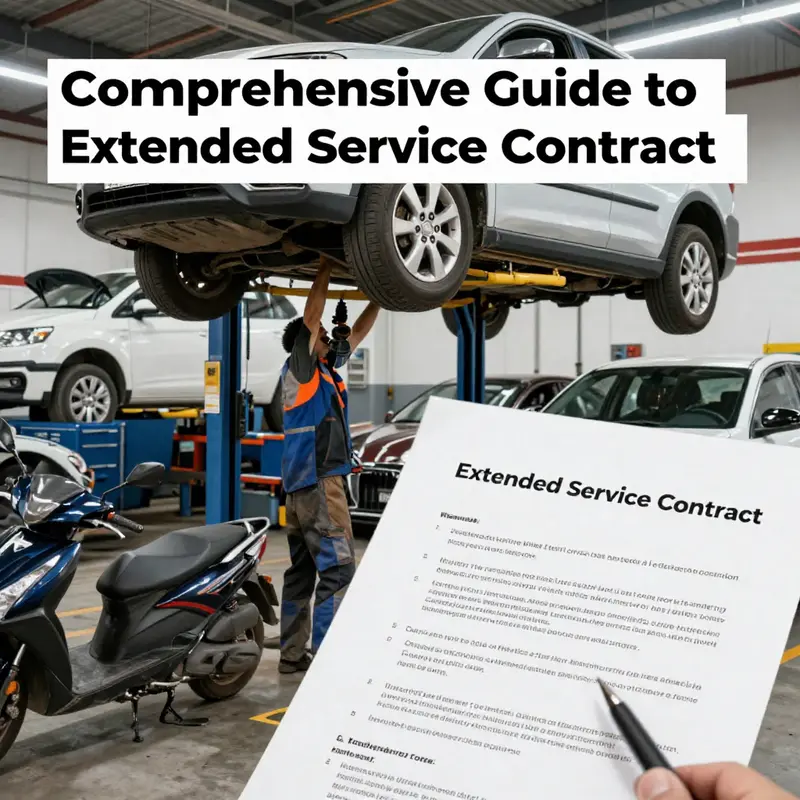
Understanding what an Extended Service Contract covers and why it matters
An extended service contract is a layered safety net that steps in when the original factory warranty ends. It is a service agreement that keeps key repairs and certain roadside expenses from becoming sudden financial shocks. Unlike the short, neat language of a new-vehicle warranty, these contracts vary widely in structure, scope, and terms. Knowing how they work helps you decide if the predictable cost of a plan is worth the uncertainty of major repair bills.
At its core, an extended contract typically focuses on the vehicle’s major systems. Coverage often includes the engine, transmission, drivetrain and other critical mechanical and electrical systems. Policies differ on what they call “covered components,” and those definitions determine whether a claim will be paid. Many contracts use familiar language: covered breakdowns, exclusions for routine wear, and a list of specific parts or assemblies that are included. That list is the heart of the agreement.
Repairs under these contracts are usually performed at authorized service centers by trained technicians using manufacturer-approved parts. This ensures repairs follow original specifications, which can preserve reliability. When technicians and parts match the original design, the risk of follow-on problems drops. Some owners prefer this because it aligns the service standard with what came from the factory.
Beyond repairs, many contracts include travel-related benefits that matter to drivers who spend time on the road. Common reimbursements include daily rental vehicle costs, meal and lodging allowances, and towing assistance to the nearest authorized facility. These benefits are designed to reduce the immediate inconvenience and expense of a breakdown while you wait for covered repairs to be authorized and completed. Typically, a modest deductible applies to repair claims, while expense reimbursements for travel or rentals may have no deductible.
Contracts also often offer optional protections. For example, add-ons can guard against tire and wheel damage from road hazards, or expand roadside assistance to include battery jump-starts, flat tire changes, and lockout services. These optional layers let you tailor a plan to your driving habits and the risks you expect to face.
Transferability is another practical advantage. When a covered vehicle is sold, many extended contracts allow the remaining coverage to move to the new owner. This can make the vehicle more attractive on resale, because the buyer gains a known period of protection against expensive repairs. Transfer rules matter: some require a fee, while others mandate that the vehicle pass an inspection before the coverage moves.
Careful reading is essential because exclusions and conditions are where most surprises hide. Wear-and-tear items such as brake pads, tires, and wiper blades are commonly excluded unless you add specific coverage. Preexisting conditions—damage or wear that existed before the contract began—are typically not covered. Maintenance requirements are often enforced: failure to follow the vehicle’s maintenance schedule or to keep receipts for regularly scheduled service can void a claim. In short, upkeep is part of the contract.
When weighing whether to buy an extended contract, consider the vehicle’s reliability record and the predicted cost of major repairs. Newer models with strong reliability ratings might represent a lower risk, while older vehicles or complex, high-performance machines can be candidates for coverage. Calculating the expected cost of potential repairs versus the plan price helps make the choice rational instead of emotional.
Who sells these plans matters. Manufacturer-backed contracts often provide consistent service center access and strict part standards. Dealer-offered plans can be convenient at the point of sale, but third-party providers sometimes offer more flexible pricing or coverage options. Each source has trade-offs in terms of service network, claims process speed, and long-term stability. Research the provider’s reputation for honoring claims and paying repair shops promptly.
The claims process itself is another practical detail that influences satisfaction. Understand the steps to file a claim, typical authorization timelines, and whether you must pay upfront and get reimbursed. Some providers handle payments directly with the repair facility, while others require the owner to submit invoices for reimbursement. Quick, clear communication from the provider reduces stress during a breakdown.
Cost and cancellation terms deserve attention. Contracts may be sold as one-time payments or as monthly installments. Cancellation rights and refund policies differ; some plans prorate refunds based on unused coverage, while others deduct an administrative fee. If you plan to sell the vehicle, check whether the refund or transfer policies create unexpected costs.
Documentation is critical. Keep a complete maintenance record, receipts for routine service, and any previous repair invoices. These prove that the vehicle was maintained per the contract terms. A strong paper trail simplifies claims and supports transfers when you sell the vehicle.
Practical negotiation tips can save money. If buying at the time of purchase, get the plan price in writing and compare it with offers from third-party providers. Ask about discounts for multiple years or for buying coverage across a fleet of vehicles. If buying later, insist on a detailed inspection report that shows the vehicle does not have preexisting problems.
Finally, consider how an extended contract fits into your overall maintenance strategy. Regular preventive maintenance reduces the likelihood of a mechanical failure and can lengthen the effective life of major components. For drivers new to vehicle ownership, resources on basic upkeep can complement an extended contract and reduce claims. A helpful primer on routine care and maintenance can bridge that knowledge gap and help owners meet warranty maintenance requirements: truck maintenance tips for first-time owners.
An extended service contract is not a one-size-fits-all solution. It is a financial tool that converts potentially large, unpredictable repair expenses into a known, manageable cost. For many owners, the comfort of predictable expenses and travel assistance during breakdowns outweighs the annual cost. For others, especially those confident in their vehicle’s reliability and their own ability to save for repairs, self-insuring may be preferable.
Read the contract, compare providers, track maintenance, and weigh cost against risk. When chosen carefully, an extended service contract can protect both the vehicle and the owner’s budget, turning unexpected mechanical failures into manageable events. For the official details on one common extended service plan, see the service provider’s extended service plan page: https://www.harley-davidson.com/en_US/extended-service.html
Real Value and Peace of Mind: How Extended Service Contracts Shield Your Vehicle and Budget
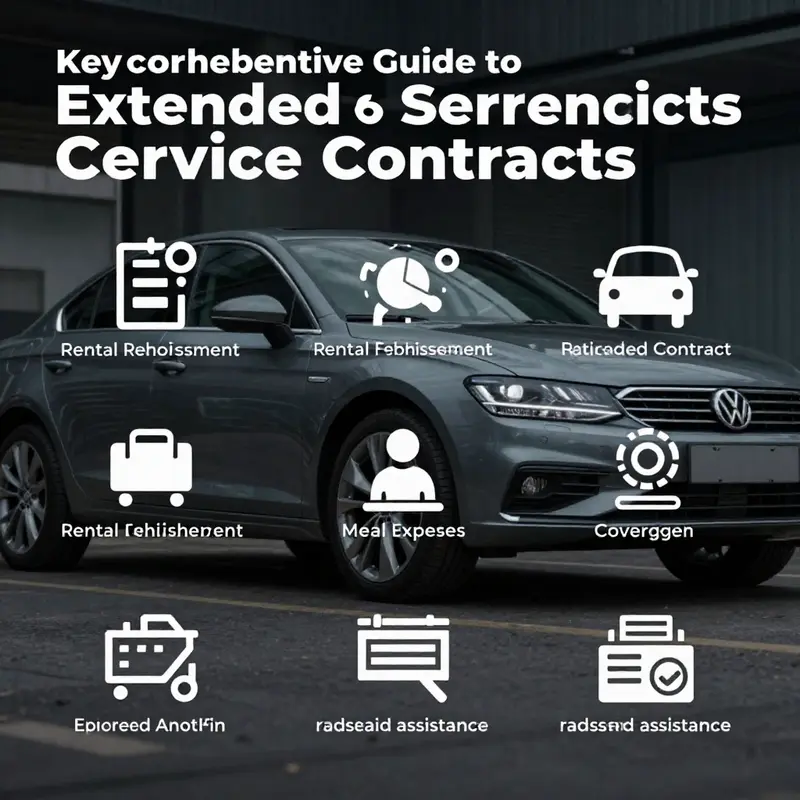
Why extended service contracts matter
Extended service contracts act as a financial safety net that picks up where the original warranty ends. They transfer the risk of expensive mechanical failures from the owner to a provider, reducing the chance of a single repair bill disrupting household finances. These contracts are not just repair policies. They bundle roadside assistance, expense reimbursements, and optional protections into a predictable plan. For drivers and riders who want predictable ownership costs and fewer surprises, that predictability is often the primary benefit.
A typical extended contract covers major systems that are expensive to repair. These include engine, transmission, electrical components, and climate control systems. When one of these systems fails, repair bills can quickly run into the thousands. An extended contract can cover the parts and labor for such failures, usually with a modest deductible per claim. That deductible lowers the owner’s out-of-pocket cost while still keeping the insurer’s exposure reasonable. The result is a balance between responsibility and protection that many owners find practical.
Beyond parts and labor, extended contracts frequently reimburse owners for the costs that come with a breakdown. Coverage can include rental vehicle reimbursement so you stay mobile while repairs are done. It can also cover meal and lodging expenses if a breakdown happens far from home and requires overnight stays. Towing to an authorized repair facility is another common reimbursement. These benefits reduce the secondary financial pain points that follow a mechanical failure. They help prevent a breakdown from ruining a trip or turning a long weekend into a financial headache.
Transferability of coverage is another overlooked advantage. When a vehicle with an active extended contract is sold, remaining coverage can often be transferred to the new owner. That transferability can increase resale value. It also makes a vehicle more attractive to buyers who prefer to avoid immediate repair risk. For sellers, the transfer can be a marketing tool. For buyers, it sends a clear signal that the vehicle has maintained service standards and has a verified support plan.
Many plans also provide optional add-ons that cover common, but expensive, road incidents. Tire and wheel protection is a useful example. This add-on covers damage caused by road hazards like potholes and debris. It can include towing and rental reimbursements specific to the tire or wheel event. Having this protection removes the worry about unpredictable, everyday damage to wheels and tires. For those who regularly travel on poorly maintained roads, the add-on can pay for itself quickly.
The long-term financial argument for extended contracts rests on predictability and risk management. Owners who value steady monthly or annual costs over the possibility of large, infrequent repair bills often find these contracts attractive. For people who keep a vehicle beyond the factory warranty period, the probability of a major repair rises with age and mileage. An extended contract shifts that rising risk into a fixed expense. This shift helps when budgeting for vehicle ownership and when calculating total cost of ownership for multiple years.
Roadside assistance and claims support add tangible convenience. A single call can dispatch a tow, arrange a rental, or authorize emergency repairs. This streamlined service eliminates the hassle of finding a repair shop, negotiating a price, or managing temporary transportation alone. A well-run contract includes a centralized claims process, so you deal with one number and one claims team. That simplicity matters in stressful breakdown situations and adds measurable value over paying for each service individually.
Not all extended contracts are identical. Coverage levels, deductibles, and benefit caps vary. Some plans cap daily reimbursements for lodging or rental cars. Others set an overall maximum per incident. A clear example: a plan might reimburse up to a fixed daily amount for meals and lodging during an extended repair, with a total maximum per event. Understanding these caps is essential. They determine the real-world value of the contract when a large claim occurs.
Equally important are maintenance requirements. Many contracts require routine maintenance to remain valid. This can include scheduled oil changes, recommended inspections, and documented service intervals. Failure to follow those requirements may void coverage. Keeping a maintenance log and receipts is a small effort that preserves the contract’s value. For owners who already follow a maintenance schedule, this rarely presents an issue. For those who don’t, it is a factor worth considering before purchase.
Exclusions and limitations deserve careful review. Wear-and-tear items, cosmetic damage, and damage from misuse or neglect are commonly excluded. Pre-existing conditions discovered at the time of enrollment are sometimes excluded as well. Reading the fine print clarifies what is and isn’t covered. When in doubt, ask a provider to explain coverage examples in plain language. A clear understanding prevents surprises during claim time.
Choosing the right contract involves comparing coverage details and calculating likely scenarios. Ask whether the plan covers specific high-cost components for your vehicle type. Check deductible amounts and how often a deductible applies. Look at reimbursement daily limits and maximums per claim. Consider optional add-ons that match your driving habits, such as tire and wheel protection for rough roads. If resale value matters, confirm transferability terms and whether a fee applies.
For owners who prefer to rely on a trusted repair network, confirm that authorized repair facilities are convenient and numerous. Some plans require repairs at specific dealerships or shops. Others allow a wider range of repair partners, offering more flexibility. If you value freedom to choose an independent shop, make sure your contract supports that.
Finally, weigh cost against risk. Calculate the likely repair costs over the next few years for your vehicle model and mileage. Compare those potential costs to the contract price, factoring in reimbursements for travel and downtime. For many owners, the comfort of predictable expenses and on-road assistance outweighs the nominal premium paid. For others, especially those with a low-risk driving routine, self-insuring may be more economical.
For practical maintenance guidance that helps preserve contract eligibility and reduce repair frequency, consult relevant maintenance resources. A helpful starting point is this guide on practical maintenance steps for new vehicle owners: truck maintenance tips for first-time owners.
For full details on plan terms and a concrete example of benefit structures, review the manufacturer or provider terms available online. See the official extended service information for a detailed coverage example and benefit limits: https://www.harley-davidson.com/en_us/vehicle-protection/extended-service.html
Reading the Fine Print: Common Limits and Exclusions in Vehicle Extended Service Contracts
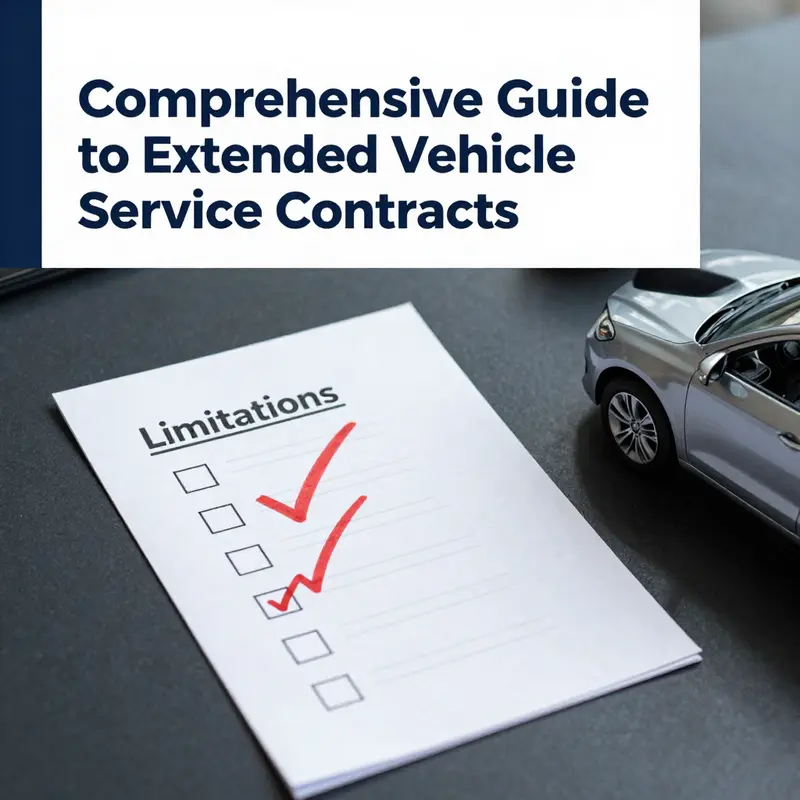
What exclusions and limitations mean for your coverage
Extended service contracts extend protection beyond a vehicle’s original warranty. Yet these contracts are not open-ended guarantees. They are legal agreements with explicit limits. Understanding those limits prevents surprises when you file a claim. This chapter examines the typical exclusions and restrictions found in extended service contracts for vehicles, explains why they exist, and offers practical steps to avoid common pitfalls.
Most extended service contracts cover mechanical failures from normal use. However, they also list things they do not cover. A frequent exclusion is damage from poor maintenance. If you skip scheduled oil changes, ignore fluid checks, or delay recommended service, your provider can deny claims tied to resulting failures. Keeping records of maintenance is the clearest way to prove routine care. Consider storing service invoices and timestamps digitally. For guidance on routine upkeep, see truck maintenance tips for first-time owners.
Wear and tear is another common exclusion. Contracts typically distinguish between sudden mechanical breakdowns and gradual deterioration. Items like brake pads, clutch surfaces, tires, and wiper blades wear down from normal use. Providers often exclude routine replacement of those components. Fluids and filters also fall into this category. If a component fails because it naturally wore out, the contract may not cover replacement.
Damage from misuse, neglect, or deliberate alteration is usually excluded. Examples include failures caused by off-road use when the contract specifies road use only, operation at high speeds under racing conditions, or damage from known defects you chose not to fix. Aftermarket modifications can trigger denials. If an owner installs non-approved performance parts, the provider may refuse coverage for any related damage. Similarly, collision damage and structural body problems are typically outside the scope of these contracts. Extended service contracts are designed to protect mechanical and electrical systems, not to replace collision insurance.
Environmental and external events commonly fall outside coverage. Flood damage, hail, salt corrosion from coastal environments, and theft generally sit under other insurance policies. Likewise, damage from chemical exposure or animal intrusion—such as wiring chewed by rodents—is often excluded. When you purchase a plan, check how the provider defines environmental and external events, and confirm which situations are explicitly ruled out.
Routine diagnostics, roadside assistance, and towing may be limited. While some plans include towing and rental reimbursement, they often impose daily or per-incident caps. Reimbursement may be available only when a covered repair causes a breakdown. A separate deductible may apply to repair claims, with no deductible for expense reimbursements. That means you might pay part of labor and parts up front when a repair is covered.
Coverage eligibility rules impose practical limits. Some plans require enrollment while the original warranty is still active. Others accept enrollment only after a paid inspection. A plan may only be available to the vehicle’s registered owner. Geographic limits are also common. Coverage might apply only within a country or select regions. If you plan to travel abroad, investigate whether the plan provides international assistance and how it treats service in remote areas.
Contract terms change over time. Providers update prices, terms, and covered components. Always review the most current contract documents before buying. Contracts also set conditions for transferability. If you sell the vehicle, remaining coverage may be transferable, but this typically requires provider approval and possibly a transfer fee. Some agreements restrict transfers to private sales or to a limited time window after sale.
Pre-existing conditions are often excluded. If a problem existed before the contract start date, it’s not likely to be covered. Providers commonly require a vehicle history or inspection to identify existing issues. If your vehicle has known defects, either disclose them upfront or request a pre-enrollment inspection to clarify coverage boundaries.
Certain electronics and software-related issues may be limited. Modern vehicles rely on complex software and connectivity features. Contracts sometimes exclude failures caused by software updates, third-party apps, or cyberattacks. Others may limit coverage to hardware faults and treat software diagnostics differently. Ask how the provider defines covered electronics and whether software remediation counts as a covered repair.
There are also procedural limitations. Claims can be denied for failing to follow the claims process. Common procedural requirements include: seeking pre-authorization for repairs, using authorized service facilities, and providing detailed documentation. Unauthorized repairs done without pre-approval may not be reimbursable. Diagnostic fees can be your responsibility if the provider later determines the issue is excluded or pre-existing. Keep all receipts and service orders until the claim resolves.
Add-on protection packages can narrow or expand coverage. For example, tire and wheel protection against road hazards can be added separately. Such add-ons may offer zero deductible repair for specific items, but they often have their own term limits and exclusions. Understand any add-on’s scope before relying on it for comprehensive protection.
Cancellation, refunds, and transfer rules matter. Many contracts allow cancellation within a short window for a full refund minus any claims paid. After that, refunds may be prorated or subject to cancellation fees. If you plan to cancel or transfer coverage, request written confirmation of the terms. That reduces the risk of unexpected charges.
Understanding provider reputation and dispute resolution helps when coverage questions arise. Contracts specify how disputes are resolved, often requiring arbitration or limiting class action claims. Before buying, review independent ratings and complaint histories for the provider. Check whether the provider honors claims fairly and communicates clearly during disputes.
A final practical point is cost versus risk analysis. Extended service contracts add predictable monthly or one-time fees. Compare those costs to likely repair expenses and the vehicle’s reliability history. Evaluate whether the contract covers the components most likely to fail and whether its exclusions match your driving habits. For some owners, targeted add-ons and diligent maintenance records deliver the best protection. For others, setting aside a repair fund may be more cost-effective.
Knowing how providers define covered failures will save time and money. Read every exclusion and condition. Keep service records, avoid unauthorized modifications, follow the claims process, and confirm geographic and transfer rules. These steps reduce the chance of denied claims and make the contract function as intended.
For full terms and the latest conditions of a manufacturer extended service agreement, consult the official terms and conditions directly: https://www.tesla.com/support/extended-service-agreement-terms
Beyond the Warranty: A Thoughtful Exploration of Extended Service Contracts for Vehicles
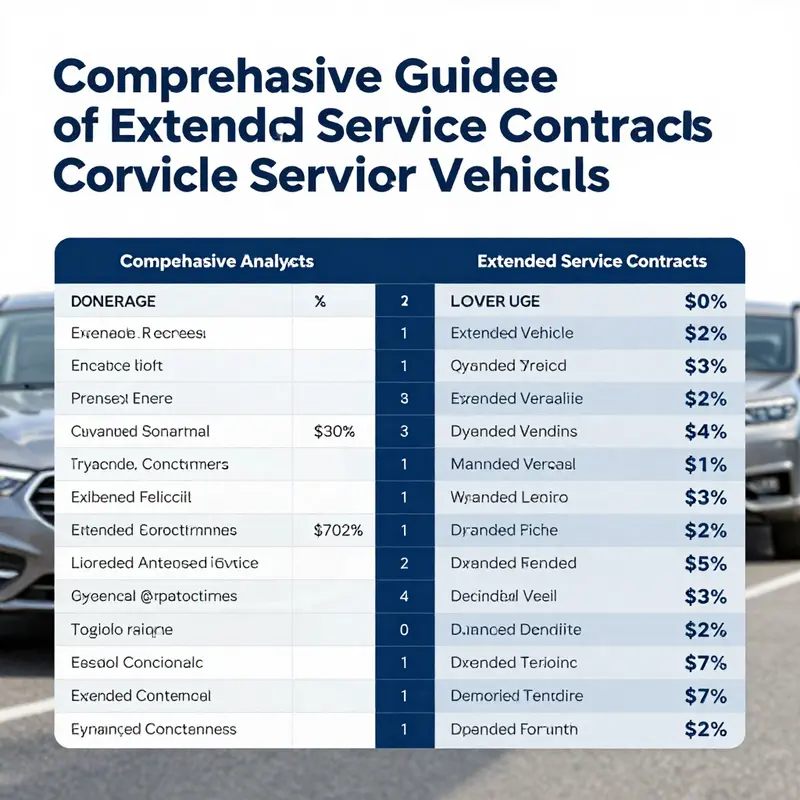
Extended service contracts sit at the intersection of protection and practicality. They are not mere additions to a warranty; they are risk-management tools that help translate unpredictable mechanical fate into predictable annual costs. When a manufacturer’s original warranty expires, owners face the real possibility of costly repairs that can disrupt plans, budgets, and even travel. An extended service contract, sometimes called a vehicle service contract, shifts that risk in a way that reflects how people actually use and depend on their vehicles. It is less about guaranteeing flawless operation than about smoothing the financial impact of failures that can and do occur once the factory safety net has gone away. The value of such protection emerges most clearly when trips are long, miles accumulate, and the vehicle carries the daily demands of work, family, or leisure. In that light, an extended service contract becomes a structured promise: if something breaks, there is a plan in place to cover the repair, arrange a rental, and get you back on the road with as little disruption as possible.
Coverage for extended plans varies widely, and the landscape is shaped by the type of vehicle, its expected lifespan, and the risk appetite of the buyer. In general, these contracts are designed to cover major systems and components that underpin a vehicle’s operation–parts of the powertrain, transmission, suspension, electrical systems, and other critical assemblies. The duration of coverage tends to align with the vehicle’s lifecycle and the anticipated wear and tear. For used vehicles, contracts commonly run from one to three years, reflecting the reduced factory warranty horizon and the higher likelihood of evolving maintenance needs. For new vehicles, five to seven years is not unusual, mirroring the extended risk period that owners assume in exchange for the monthly or upfront premium. The essential idea is simple: translate the uncertain cost of major repairs into predictable, budgetable payments over a defined period.
What makes a modern extended service contract especially valuable is its menu of features, beyond the core repair coverage. While the specifics differ by provider and plan level, several elements recur because they respond directly to the realities of owning and using a vehicle. One of the most tangible benefits is trip interruption assistance: if a breakdown occurs far from home or in the middle of a journey, the plan often covers a rental car for a set number of days, helping you maintain mobility while the vehicle is serviced. The precise daily rate and the maximum number of days vary, but the underlying principle is consistency: you won’t be stranded by the out-of-pocket expense of a rental when your vehicle is immobilized. In parallel, many contracts offer lodging and meal reimbursements for extended breakdowns, recognizing that a breakdown can become a disruption to travel plans that extends beyond the repair shop. A typical protection might reimburse a modest daily amount for lodging and meals, with upper caps that keep the coverage meaningful but within reason for most scenarios. These features together–rental, lodging, and meals–collectively reduce the total cost of an unforeseen breakdown, especially when it occurs in an unfamiliar place.
Another foundational assistance is towing. When a breakdown happens, towing to the nearest authorized service facility is a common benefit. While the dollar limit on towing can be modest, it is nevertheless a crucial piece of protection, particularly in areas where towing costs can escalate quickly. On the repair side, a deductible per repair claim is standard in many plans, providing a clear cost boundary for the owner while preserving the insurer’s risk management needs. A typical model might impose a deductible per claim for covered repairs, while reimbursement benefits–such as rental, lodging, and meals–often carry no deductible. The separation of deductible structures between repair coverage and reimbursement benefits reflects an understanding of how owners experience costs in the wake of a breakdown: the repair bill itself is a substantial but discrete event, whereas the costs of getting through the disruption (lodging, meals, a rental) are ongoing but often more manageable on a daily basis.
A feature that often distinguishes one contract from another is transferability. When a rider or car owner decides to sell the vehicle, the ability to transfer the remaining coverage to the new owner can be a meaningful advantage. This transferability can preserve resale value, particularly in markets where buyers prize the peace of mind that comes with extended protection. Rather than leaving a buyer to assume the risk of future repairs alone, the transferable contract offers a checklist-style assurance that the vehicle has a safety net beyond the original warranty. It is worth noting that transfer terms, along with other limitations and exclusions, are governed by the exact terms of the contract, so prospective buyers should review those provisions carefully before purchase.
Many extended service contracts also offer optional add-ons that broaden protection in ways tailored to specific vehicle experiences. An increasingly common add-on is protection for tires and wheels against road hazards. This coverage, typically available for a finite period or number of years, carries a zero or very low deductible and can extend for several years beyond the base plan. The added protection is particularly resonant for drivers who frequently traverse rough roads, construction zones, or debris-littered urban corridors where tire and wheel damage is a frequent, expensive nuisance. When the add-on is paired with the standard plan, it can also extend the related expense reimbursement–towing, rental, lodging, and meals–so that these ancillary costs are covered in the wake of tire or wheel incidents as well. The result is a more cohesive protection package that addresses both the mechanical failures that can interrupt a journey and the less glamorous but equally disruptive consequences of road hazards.
A broader point about today’s extended service contracts is the increasing role of digital and platform-based administration. Some plans are tightly integrated with a vehicle’s digital ecosystem, enabling activation, claims, and status tracking through a mobile app or the dealer network. This level of integration improves transparency and speed, transforming an opaque, paper-heavy process into a streamlined experience. The trend toward digital management intersects with the broader shift in the automotive industry toward subscription-based or tech-enabled services. In this evolving model, a manufacturer or insurer may offer a service agreement as part of a broader ecosystem that includes remote diagnostics, proactive maintenance reminders, and simplified claim submission. While the specifics vary, the throughline is clear: protection is moving closer to the driver in real time, with easier access and more predictable experiences when a problem arises. This shift matters because it shapes how people think about and engage with extended service contracts over the life of their vehicle.
To make sense of this landscape, it helps to anchor the discussion in practical questions a buyer should ask. What exactly is covered, and are there limits on coverage for certain components or failure modes? What is the duration of the contract, and how does that align with the vehicle’s expected useful life and your planned use? How steep is the deductible for repairs, and when does it apply versus when reimbursement benefits kick in? Are there caps on rental days, lodging, or meals, and how do these caps interact with regional costs? Is there a transfer option if the vehicle is sold, and what steps are required to execute that transfer? Are there exclusions–things that the plan explicitly will not cover, such as modifications, wear-and-tear phenomena in certain conditions, or pre-existing issues? These questions can be decisive, because the differences among plans often come down to details rather than broad categories.
The decision to purchase an extended service contract should be calibrated to the vehicle type, your typical usage, and your tolerance for financial risk. A newer car with a robust factory warranty and low anticipated maintenance needs might justify a lighter extension, especially if the ownership cost is already within a comfortable budget. By contrast, an older vehicle with higher mileage, a history of repairs, or a lifestyle that depends on reliable mobility in varied locations may benefit more from comprehensive protection and the ancillary benefits that smooth out the costs of a breakdown away from home. The value proposition is not solely about covering the most expensive potential repair; it is about converting a potentially disruptive event into a manageable, predictable expense within a plan that suits your routine. The best approach is to compare plans not only by price but by the total package–repair coverage, deductibles, reimbursement benefits, transferability, add-ons, and how the contract resolves claims in real-world scenarios.
For readers seeking a more structured actuarial perspective on how these contracts function across the industry, a detailed overview is available through professional actuarial resources. This background helps explain why plans are priced the way they are, how risk pooling works, and why terms vary so widely from one provider to another. If you’d like to explore that external resource, you can consult the Casualty Actuarial Society overview of extended service contracts at the following link: https://www.casualtyactuarial.org/publications/overview-of-extended-service-contracts. Within consumer-focused discussions, you’ll also find value in probing into a provider’s specific terms and conditions, recognizing that real-world coverage hinges on the exact language of the contract, including exclusions and eligibility criteria.
To connect this discussion with practical maintenance and ownership considerations, you may also want to explore related aspects of vehicle care and lifecycle costs. For instance, understanding optimal maintenance intervals and the cost implications of routine upkeep can influence whether an extended service contract offers a meaningful cushion or a less impactful expense. For readers seeking a more hands-on perspective on vehicle upkeep, the KMZ Vehicle Center blog provides practical insights into maintenance strategies, parts care, and minor fixes that keep a vehicle running smoothly between major repairs. This resource can offer context for how routine maintenance intersects with the decision to pursue extended protection, illustrating how everyday choices accumulate into total cost of ownership alongside coverage decisions. KMZ Vehicle Center blog
In sum, extended service contracts for vehicles are not one-size-fits-all. They are modular protection plans designed to align with how you drive, where you drive, and how you want to handle the unexpected. They can be straightforward repair guarantees wrapped in a broader safety net that includes rental, lodging, and towing, or they can be a more expansive package with optional tire and wheel protection and transferable coverage. The key is to approach them as a deliberate financial instrument rather than a reflex purchase, weighing the cost against the real-world scenarios you are most likely to encounter. Doing so clarifies not only what you’re buying but how it integrates with your broader approach to vehicle ownership, travel, and risk management.
Weighing the Costs and Protections: The Financial Impact of an Extended Service Contract
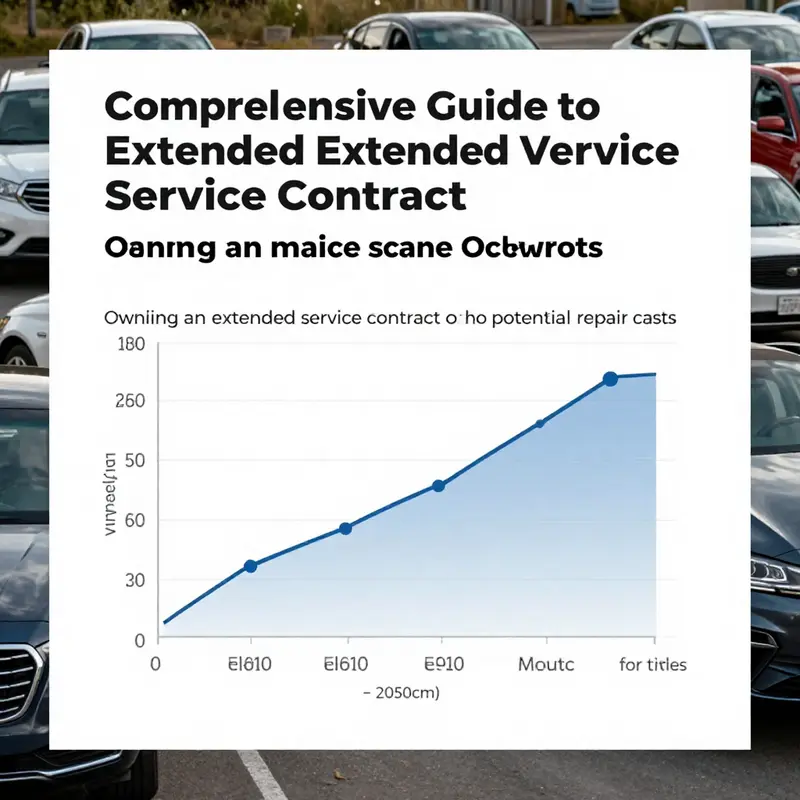
Evaluating the economic trade-offs of an extended service contract requires both numbers and context. An extended contract can do more than cover repairs. It reshapes cash flow, reduces episodic financial shocks, and can change a vehicle’s resale profile. At its best, the contract replaces uncertain, potentially large bills with predictable outlays. At its worst, it adds recurring cost without corresponding value. Deciding which outcome applies takes a clear view of likely repairs, contract terms, and how you use the vehicle.
Many contracts bundle several types of protections. Common benefits include daily rental reimbursement if the vehicle is disabled, meal and lodging reimbursement during lengthy breakdowns, towing to an authorized service center, and coverage for covered repairs subject to a deductible. For example, a typical plan might offer up to $75 per day for rentals, a daily allowance for meals and lodging up to $150, and towing coverage up to $200. A small repair deductible, such as $50 per claim, often applies to mechanical repairs. Some plans also offer optional add-ons that cover tire and wheel damage from road hazards without a deductible.
Those figures matter. Rental and lodging allowances reduce immediate out-of-pocket expenses when a breakdown happens far from home. Towing coverage eliminates an ad hoc cost that can vary widely by distance. For riders or drivers who travel frequently, those benefits are tangible. They shorten the financial pain of being stranded and remove the need to divert emergency funds for travel-related expenses.
Beyond emergency expense reduction, contracts that allow transfer to a new owner affect resale value. A transferable contract can make a vehicle more attractive. Buyers often see transferable coverage as a lower-risk purchase, and sellers can ask a premium. This transferability translates into a partial return on the original contract cost. The financial effect depends on how much time remains on the contract at sale, and how much weight buyers give to the coverage.
Yet every benefit carries a counterweight. The contract itself has an upfront or financed cost. That cost must be compared with the expected value of covered repairs and reimbursements. If a vehicle remains reliable, the contract becomes an insurance premium paid for peace of mind. If expensive repairs occur, the contract saves money. The right choice hinges on probability and magnitude of future failures.
A practical way to evaluate value is to estimate likely repair costs over the coverage period. Look at the vehicle’s make, model, and age. Research common failure points and average repair bills. Add likely ancillary costs, such as towing or rental needs, when failures occur away from home. Compare the sum of expected costs to the contract price plus any per-claim deductibles. If expected repair and ancillary costs exceed the contract price over the term, the contract can be financially sensible.
Risk tolerance plays a central role. A conservative owner prefers predictable monthly costs to the worry of a large repair. A risk-tolerant owner may eschew the contract and self-insure by setting aside an emergency repair fund. Both approaches are valid. Compare the contract price to a realistic savings plan. For instance, if the contract costs the same as saving modest monthly amounts that would cover typical repairs, self-insurance may dominate. If a single failure could wipe out several months of savings, the contract offers a cushion.
Vehicle usage patterns matter. Daily commuters and long-distance travelers extract higher expected value from reimbursements and towing coverage. Urban users who rarely leave town may rarely need rental or lodging reimbursement. If tires and wheels face frequent hazards, adding tire-and-wheel protection without a deductible has higher value. Conversely, garage-kept vehicles with low annual mileage see lower expected claims frequency, reducing the contract’s relative worth.
Provider stability and contract wording are crucial. Extended service contracts depend on the issuer’s solvency. Poor underwriting or bad loss experience can lead a provider into financial stress, creating claims handling delays. Review the provider’s financial ratings and public disclosures if available. Also scrutinize exclusions, claim limits, pre-existing condition clauses, and required maintenance obligations. Many plans deny coverage when routine maintenance lapses. Keep records of scheduled service and receipts. If a contract requires dealer-authorized repairs, confirm access to authorized service locations within reasonable distance.
Deductibles and exclusions change the math. A modest per-claim deductible reduces the financial benefit of small repairs. Exclusions for wear items, electronics, or catastrophic events can leave owners unexpectedly exposed. A plan that sounds comprehensive in marketing may carve out many common failure modes in the fine print. Read the contract carefully, and ask for examples of denied claims. Understand whether reimbursement benefits require pre-approval or documentation.
A few simple scenarios illustrate the trade-offs. If a single drivetrain repair could cost several thousand dollars and the contract cost is a modest fraction of that, the contract likely pays. If typical annual repairs and incidentals average less than the annualized cost of the contract, self-insurance would be cheaper. Adding the salvage value of transferability changes the model. If transferability raises resale value by several hundred dollars, spread that premium across the owner’s expected holding period and subtract it from the net cost of the contract.
Use a short decision checklist when evaluating offers. Estimate expected repair costs and frequency. Add expected ancillary costs like towing and rentals. Compare the sum to the contract price plus deductible. Adjust for your risk tolerance. Factor in resale benefits from transferability. Confirm provider financial health and read exclusions. If the numbers still favor the contract, ensure you meet maintenance obligations to preserve coverage.
Maintenance reliability affects this equation. Regular scheduled care reduces failure rates. If you follow recommended intervals and perform preventive maintenance, your chance of filing a major claim falls. For guidance on balancing scheduled maintenance and repair risk, consult resources on service intervals and basic upkeep. For example, reviewing recommended oil change intervals helps plan maintenance and may influence the contract’s value. Optimal oil change intervals is a useful reference for that planning.
Finally, remember the contract is a financial tool, not a moral guarantee. It shifts and smooths expense risk. That smoothing has value for many owners. But it is not inherently superior to disciplined self-insurance. The careful buyer compares expected costs, readable terms, and provider stability. When the math and the fine print align, the contract can provide both peace of mind and tangible savings.
For full details and official terms, consult the official extended service plan documentation at: https://www.harley-davidson.com/en_US/extended-service.html
Final thoughts
Choosing an extended service contract for vehicles can prove to be a financially wise decision, particularly for private car owners, used car buyers, and small business fleet operators. By understanding the comprehensive coverage, recognizing the exclusions, and analyzing the economic impacts, all stakeholders can make informed choices about their vehicle maintenance strategies, ensuring they receive the best possible protection. Investing in an extended service contract can lead to significant savings and peace of mind as vehicle owners navigate the complexities of car ownership.