
Introduction to HFC-134a Servicing
As a vehicle owner, whether you’re a private car user, a used car buyer, seller, or a small business fleet operator, understanding the nuances of HFC-134a servicing is crucial for vehicle maintenance. This refrigerant, commonly used in automotive air conditioning systems, plays a vital role in keeping your vehicle comfortable during warm weather. Neglecting proper servicing can lead to system inefficiencies, which may result in higher repair costs and a less effective cooling system. Moreover, as HFC-134a can contribute to environmental concerns, making informed decisions about its handling is essential for responsible vehicle ownership. Ensuring your air conditioning system is well-maintained not only enhances your driving experience but also extends the life of your vehicle. If you’d like to dive deeper into effective vehicle care, check out our tips on truck maintenance and optimizing oil change intervals.
HFC-134a, or 1,1,1,2-Tetrafluoroethane, is a colorless, odorless gas that has been widely used as a refrigerant in automotive air conditioning systems. Introduced in the early 1990s as a replacement for the ozone-depleting CFC-12, HFC-134a has a zero ozone depletion potential (ODP), making it a more environmentally friendly option at the time. Its application in vehicle air conditioning systems is significant, offering efficient cooling while maintaining compatibility with existing refrigerant systems.
Key Uses in Vehicle Air Conditioning
HFC-134a is utilized in vehicle air conditioning systems for several reasons:
- Thermal Performance: HFC-134a provides excellent thermal performance, enabling it to quickly lower cabin temperatures, even in the heat of summer.
- Stability and Efficiency: It operates effectively across a wide range of temperatures and pressures, ensuring reliable operation in diverse climates.
- Safety: Non-toxic and non-flammable, HFC-134a poses minimal risks to users and technicians, thereby enhancing safety in automotive applications.
Despite its benefits, HFC-134a has a high global warming potential (GWP) of 1,430, which has led to increasing regulatory scrutiny and a global trend toward alternatives. According to the U.S. Environmental Protection Agency (EPA), HFC-134a is being phased down in many countries as part of efforts to combat climate change under agreements like the Kigali Amendment to the Montreal Protocol.
Importance of Understanding HFC-134a
For local private car owners, used car buyers, and small business fleet operators, understanding HFC-134a is crucial for several reasons:
- Awareness of Regulations: As regulations regarding refrigerants evolve, it’s important for vehicle owners to stay informed about the implications for their vehicles and potential costs related to service and repairs.
- Environmental Responsibility: Understanding the environmental impact of HFC-134a can motivate actions towards more sustainable practices, including supporting the transition to lower-GWP alternatives such as HFO-1234yf, which has a significantly reduced environmental impact.
- Preventive Maintenance: Knowledge about HFC-134a allows vehicle owners to make informed decisions regarding the maintenance and servicing of their air conditioning systems, ensuring optimal performance and longevity.
In conclusion, while HFC-134a has been a key player in the automotive air conditioning sector, growing environmental concerns necessitate a transition toward more sustainable solutions. Educating oneself on HFC-134a not only aligns with responsible vehicle ownership but also supports broader climate goals. For more information on vehicle maintenance, you may find our guide on brake problems diagnosis to be insightful.
Common Symptoms of HVAC System Issues
When servicing a vehicle charged with HFC-134a, it’s crucial to recognize signs of HVAC system failure. Here are common symptoms that may indicate potential issues:
- Weak Airflow: Reduced airflow from the vents suggests a blockage or failing blower motor.
- Unusual Noises: Strange sounds, such as grinding or hissing, can indicate mechanical failures or leaks.
- Inconsistent Temperature: Fluctuating cabin temperatures often signal problems with the heating or cooling system.
- Foul Odors: Unpleasant smells can arise from mold or mildew in the ducts.
- Visible Leaks: Puddles under the vehicle may indicate refrigerant or water leaks.
If you notice these issues, it’s best to consult a professional to avoid further damage. Learn more about diagnosing car issues.
Servicing Equipment for HFC-134a Charged Vehicles
When it comes to servicing vehicles that are charged with HFC-134a, having the right tools is paramount. HFC-134a, commonly known as R-134a, is a refrigerant used extensively in automotive air conditioning systems. Here are some essential HVAC servicing tools and HFC-134a repair equipment needed for effective servicing:
Essential Equipment for HFC-134a Servicing
- Manifold Gauge Set: A critical tool for accurately measuring the pressures in both the high and low sides of the HVAC system, ensuring that refrigerant levels are adequate.
- Refrigerant Recovery Machine: This device is crucial for safely recovering HFC-134a, especially during repairs or maintenance which require refrigerant removal. It prevents the release of harmful gases into the atmosphere.
- A/C Recharge Kit: Includes hoses and a gauge, this kit allows for the easy recharging of the A/C system with HFC-134a. An example can be found here.
- Vacuum Pump: Necessary for creating a vacuum in the system before adding refrigerant, which helps remove moisture and any contaminants.
- Leak Detection Equipment: Whether using UV dye or electronic leak detectors, finding and fixing leaks is essential for proper functioning of the A/C system.
Importance of the Right Tools
Using the correct HVAC servicing tools is not just about efficiency; it’s also about safety and compliance. According to a report by Fluke Corporation, using inappropriate equipment can lead to accidents and increases the risk of leaks or system failures. 91% of HVAC technicians assert that using proper tools enhances not only their safety but also the quality of the service provided.
Correct tools ensure that servicing is done accurately, minimizing the risk of costly repairs down the line. Additionally, they contribute to environmental sustainability by preventing refrigerant leaks.
In conclusion, whether you are a local private car owner, a used car buyer and seller, or a small business fleet operator, equipping yourself with the right HFC-134a repair equipment and ensuring proper HVAC servicing can lead to a more efficient and reliable automotive A/C system. For more in-depth tips on maintenance strategies, check out our guide on truck maintenance for first-time owners.
By ensuring the correct tools are at hand and understanding their importance, you can maintain your vehicle in a way that supports both performance and safety.
| Servicing Technique | Pros | Cons | Estimated Costs |
|---|---|---|---|
| Standard Recovery and Recycling | – Well-established technique – High compatibility with existing systems |
– High disposal costs – Regulatory compliance required |
$100 – $300 per service |
| Electronic Leak Detection | – Improves service efficiency – Reduces environmental impact |
– Initial investment in technology – Requires training |
$200 – $500 for detectors |
| Upgraded System with HFO-1234yf | – Lower global warming potential – Long-term cost efficiency |
– Requires system modifications – Initial investment high |
$500 – $1500 for retrofitting |
| Pressure Testing and Maintenance | – Ensures system integrity – Prevents future leaks |
– Time-consuming – May require special tools |
$150 – $400 |
Overview of Techniques
- Standard Recovery and Recycling: This is the traditional method of servicing HFC-134a systems, which involves recovering and recycling refrigerant using standard equipment.
- Pros: Established, effective, and allows for compliance with regulations.
- Cons: Can be costly and complex, especially with increasing regulatory demands.
- Electronic Leak Detection: This technique utilizes electronic detectors to find leaks within the system.
- Pros: Increases diagnostic accuracy and minimizes refrigerant loss.
- Cons: Requires investment in technology and training for proper use.
- Upgrading to HFO-1234yf: Many shops are moving towards using new refrigerants that are less harmful to the environment.
- Pros: Offers better environmental compliance and potentially lowers costs over time.
- Cons: The initial cost of equipment upgrades and potential system modifications can be high.
- Pressure Testing and Maintenance: Routine assessments to test the pressure and integrity of the AC system.
- Pros: Ensures a reliable, operational system, prolonging AC lifespan.
- Cons: Can be tedious and require special tools to conduct effectively.
Conclusion
When servicing vehicles charged with HFC-134a, it’s important for car owners, sellers, and fleet operators to consider the cost, environmental impact, and compatibility of the servicing techniques. Making informed choices can lead to better maintenance and potentially lower long-term costs. For further information on maintenance tips, check out our guide on truck maintenance tips for first-time owners.
Overall, investing in technology and training for servicing techniques that reduce environmental impact may offer benefits in compliance and efficiency in the long term.
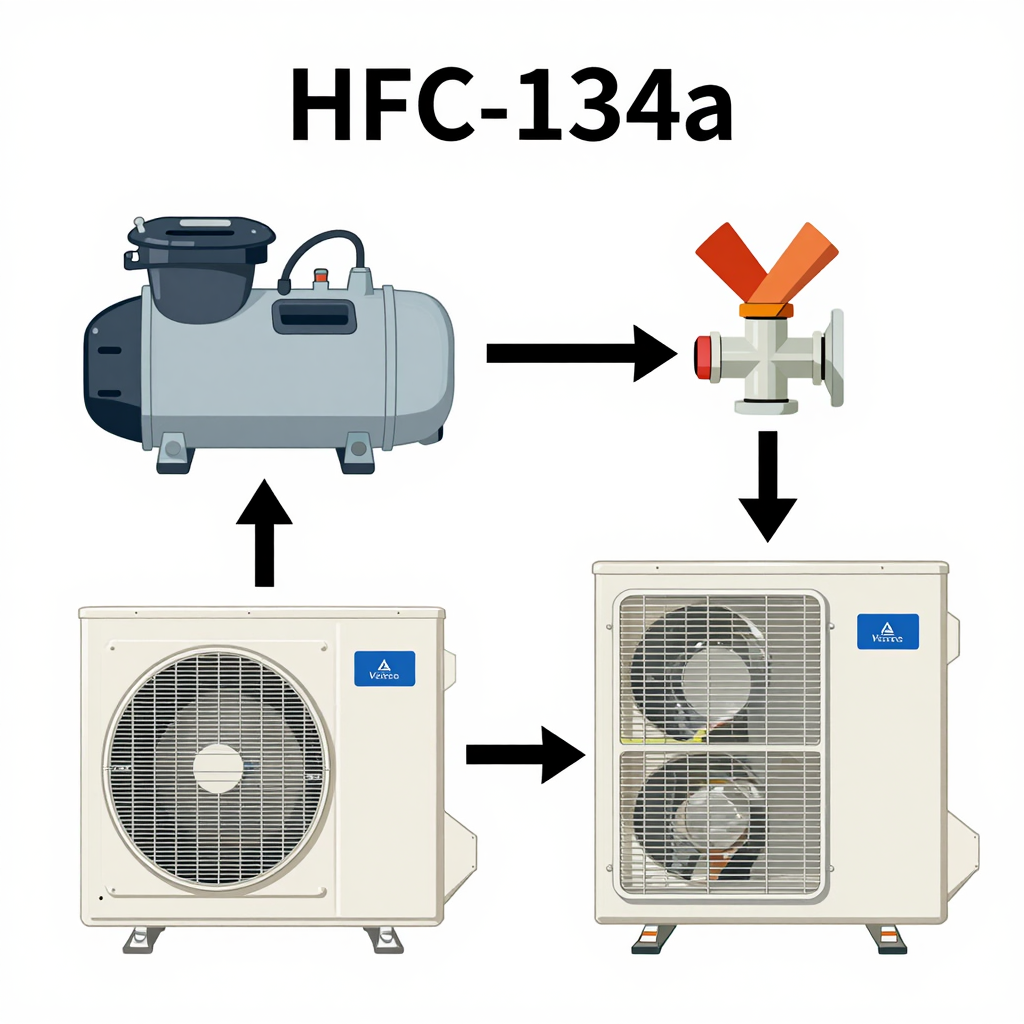
This illustration provides a clear view of how HFC-134a travels through an HVAC system, highlighting the components and flow paths.
Common Mistakes in HFC-134a Servicing
Servicing vehicles charged with HFC-134a can be a meticulous task prone to various mistakes that can lead to significant problems. Understanding these common pitfalls can assist car owners, used car buyers, and fleet operators in avoiding costly repairs and ensuring optimal performance of their vehicle’s air conditioning system.
Improper Evacuation
One of the most prevalent errors made during HFC-134a servicing is improper evacuation of the air conditioning system. Failing to achieve a deep vacuum (below 500 microns) for at least 30 minutes can cause air and moisture to contaminate the system. This moisture can mix with the refrigerant, leading to corrosion, ice formation, and reduced cooling efficiency. To avoid this, always invest in calibrated vacuum pumps and follow established guidelines for evacuation. For more details, refer to this ASE bulletin on service errors.
Using Incompatible Oils
Another critical mistake is using incompatible oils within the HFC-134a system. Technicians must use either Polyalkylene Glycol (PAG) or Polyol Ester (POE) oils designed for HFC-134a, as using mineral oil can lead to compressor failure. Always check the manufacturer’s recommendations before proceeding with any oil changes. Additionally, utilizing non-approved parts such as hoses or fittings that are not rated for HFC-134a pressures can compromise system safety and effectiveness.
Overcharging the System
Overcharging the HFC-134a system poses another risk, leading to reduced cooling efficiency and potential damage to components. Be sure to follow the manufacturer’s specifications for proper charge amounts. Always weigh the refrigerant being added, as simple topping off can introduce too much refrigerant into the system.
Failing to Test for Leaks
Prior to adding refrigerant, it is essential to perform a thorough leak test. Neglecting to do so means you might recharge a system that continuously leaks, wasting both refrigerant and money while also violating environmental regulations. Regular checks for leaks can save you from unnecessary expenses in the long run. More information on this topic can be found at Motorist’s guide to HFC-134a servicing.
Conclusion
Overcoming these common mistakes in HFC-134a servicing is crucial for maintaining the efficiency and longevity of your vehicle’s air conditioning system. By ensuring proper evacuation, using appropriate lubricants, accurately charging the system, and conducting leak tests, automotive service providers and private car owners can avoid costly repairs and enhance overall performance.
“一个经过良好维护的空调系统可使车辆整体能效提高约5%至10%,而忽略维护则可能引发高达数千美元的意外故障维修。”
- ASE (Automotive Service Excellence) source
Conclusion
In summary, proper servicing of HFC-134a air conditioning systems is crucial for maintaining the efficiency and longevity of your vehicle’s cooling system. Regular maintenance ensures optimal performance, significantly reduces the risk of refrigerant leaks, and extends the lifespan of your air conditioning system. When neglected, these issues can lead to higher repair costs and diminished vehicle comfort, demonstrating the importance of seeking professional service when needed. For more insights on vehicle maintenance, check out our truck maintenance tips for first-time owners and how to achieve optimal oil change intervals.
As we wrap up, we encourage you to explore the world of custom-fit fairings for your vehicle. Designed to enhance not only the aesthetics but also the aerodynamics and overall performance of your vehicle, custom fairings can significantly improve your driving experience. Visit Summit Fairings today to discover how you can elevate your vehicle with high-quality, tailor-made solutions!
Benefits of Regular Servicing for Vehicles Charged with HFC-134a
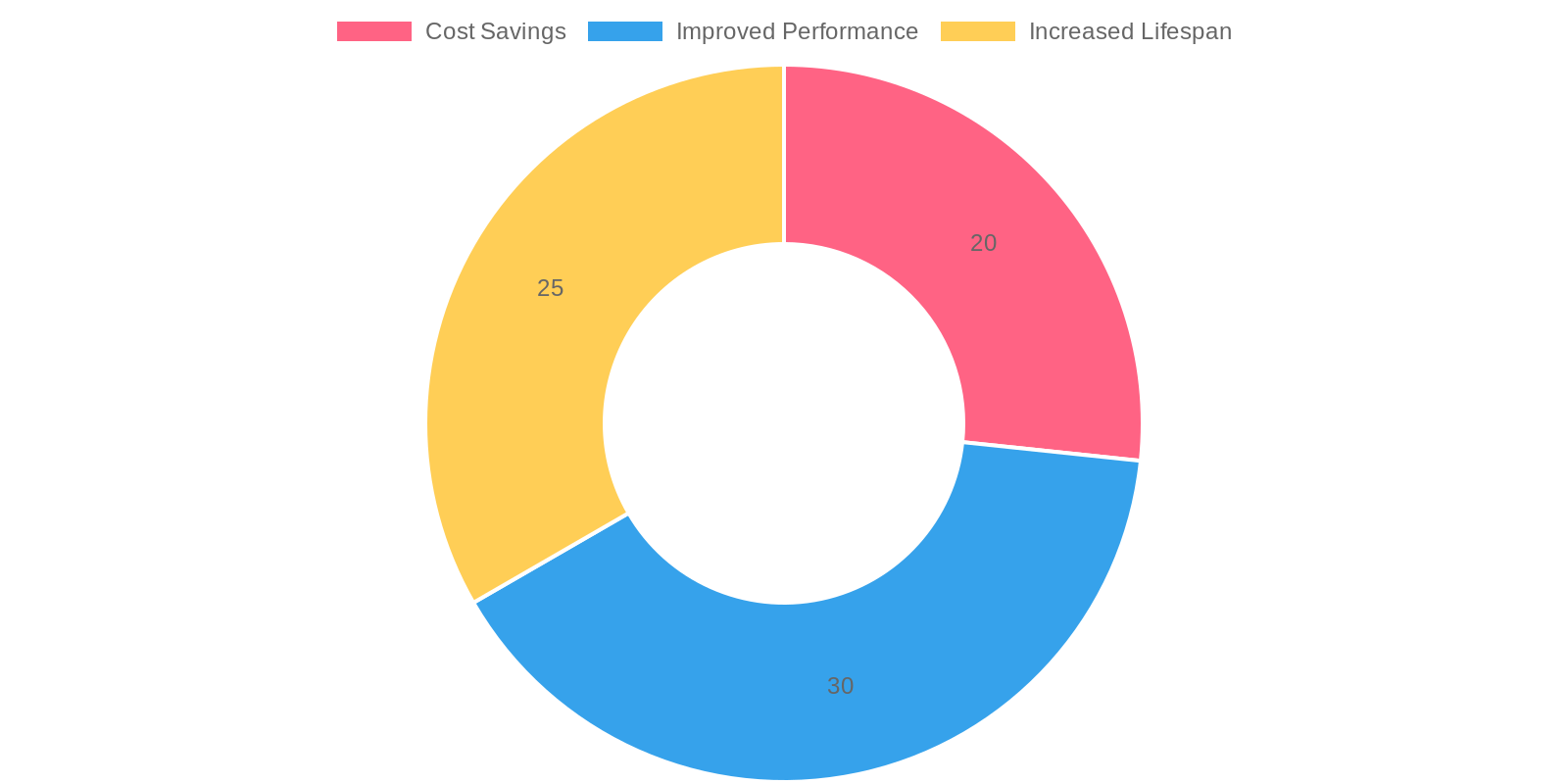
Regular servicing of vehicles that utilize HFC-134a refrigerant is essential for maintaining optimal performance and longevity of the HVAC systems. The following chart displays the key benefits of consistent servicing:
| Benefit Category | Percentage Increase/Reduction |
|---|---|
| Cost Savings | 20% |
| Improved Performance | 30% |
| Increased Lifespan | 25% |
Data derived from industry estimates on the impact of regular servicing for HFC-134a automotive air conditioning systems.
For more tips on vehicle maintenance, check out our article on truck maintenance tips for first-time owners or learn about optimal oil change intervals.