The Importance of Vehicle Service Contracts
In today’s world, the reliability of our vehicles is paramount, especially for private car owners, used car buyers, and small business fleet operators. A vehicle service contract acts as a safety net, providing essential coverage against unexpected repairs and ensuring peace of mind for the owner. For private individuals, these contracts not only shield personal finances from sudden expenses but also help extend the life of their vehicle. Used car buyers, who are often navigating the uncertainties of pre-owned vehicles, gain critical protection that can make all the difference in their ownership experience. Similarly, small business fleet operators can reap substantial financial benefits by mitigating maintenance costs and enhancing the operational reliability of their vehicles. Ultimately, investing in a vehicle service contract not only safeguards one’s investment but also cultivates a sense of security that allows owners to focus on what truly matters – getting on the road without worry. To dive deeper into maintaining your vehicle, check out our insights on truck maintenance tips for first-time owners and optimal oil change intervals.
Understanding Vehicle Service Contracts
A vehicle service contract (VSC), often referred to as an extended warranty, is a financial safeguard designed to cover the cost of repairs and maintenance after the manufacturer’s warranty has expired. It’s particularly advantageous for local private car owners, used car buyers, and small business fleet operators. Essentially, a VSC is a pre-paid agreement that protects vehicle owners against costly repairs, ensuring that they are not blindsided by financial burdens due to mechanical failures on critical components such as the engine, transmission, and drivetrain.
Key Features of Vehicle Service Contracts
- Coverage Specificity: VSCs typically outline which parts and systems are covered, such as engine components, transmission, brakes, and electrical systems. It is important to understand the depth of coverage-whether it’s basic or comprehensive.
- Definitions of Services and Durations: The terms of service include a specified duration, detailing how long the coverage lasts, and the services included (e.g., inspections, repairs).
- Payment Terms: Payment structures can vary. Some contracts require a one-time payment while others may allow for monthly installments, which can help in budgeting for maintenance expenses.
- Limited Exclusions: While most contracts cover major repairs, they will often exclude certain wear and tear items and routine maintenance such as oil changes and tire replacements.
- Transferability: Some contracts can be transferred to a new owner if the car is sold, which can enhance the vehicle’s resale value.
Benefits for Local Car Owners
For individual car owners, a VSC provides peace of mind. It allows drivers to budget for potential repairs effectively, knowing that they are protected against unexpected expenses. This is ideal for those who may own vehicles with higher mileage or those approaching the end of their original warranty.
Benefits for Small Business Fleet Operators
For small business fleet operators, vehicle service contracts are invaluable. They help in maintaining budget predictability, reducing unplanned downtime caused by breakdowns, and managing maintenance schedules efficiently. This not only enhances operational efficiency but also assists in ensuring vehicle availability, thereby safeguarding revenue streams. Additionally, having a VSC can simplify vendor management by consolidating maintenance and repair needs under a single agreement, making it easier to track service history and expenditures.
Overall, investing in a vehicle service contract can safeguard against large unanticipated vehicle repair bills, making them a wise choice for both private owners and fleet managers. For further insights on fleet management strategies, you can learn more about truck maintenance tips for first-time owners.
Advantages of Having a Vehicle Service Contract
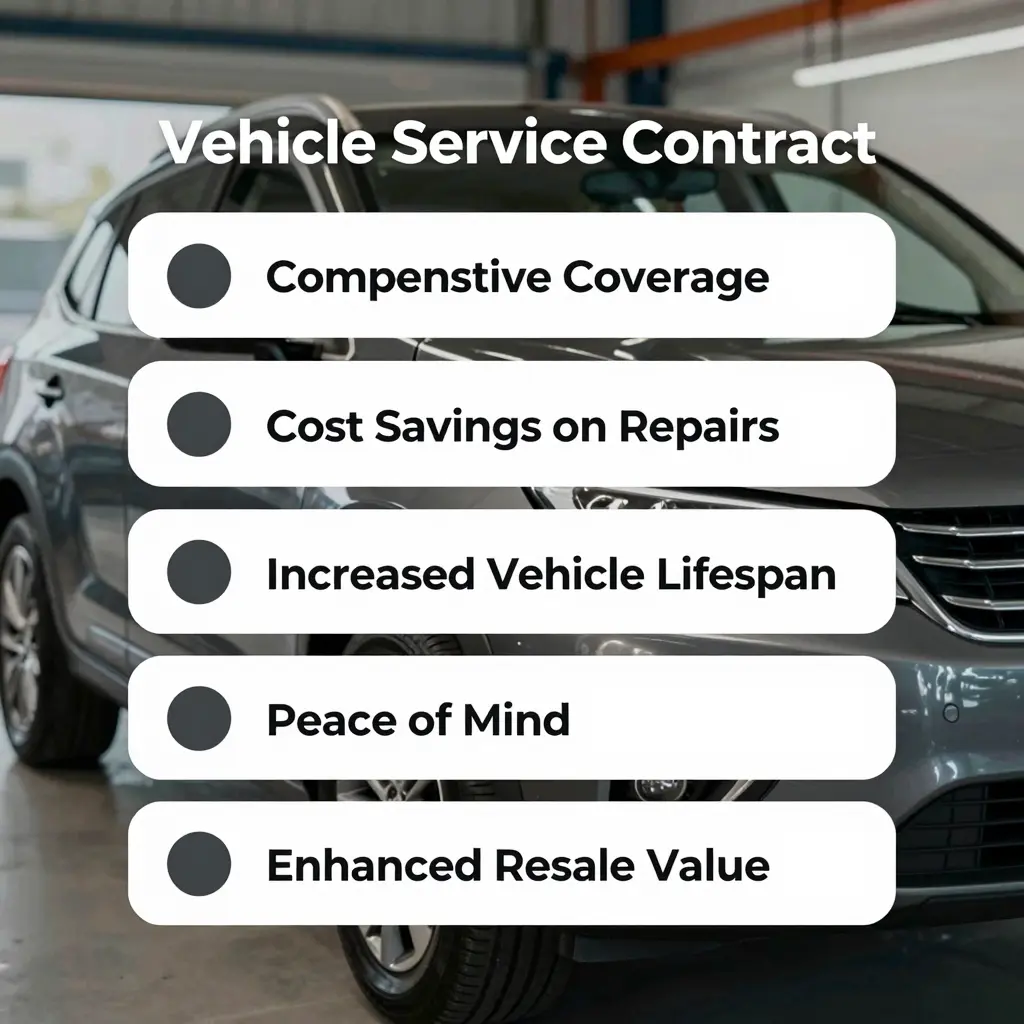
A vehicle service contract can provide several significant advantages for car owners, particularly for local private car owners, used car buyers and sellers, and small business fleet operators. Here are some key benefits:
-
Cost Savings on Repairs
Vehicle service contracts often cover unexpected repair costs, helping you avoid large bills from mechanical failures that may arise, especially as a vehicle ages. This allows for better financial planning and less stress from surprise expenses. -
Predictable Budgeting
With a service contract, you can cap your out-of-pocket expenses for covered repairs. This predictability in costs can significantly ease budgeting concerns, especially with vehicles approaching or exceeding their factory warranty period. -
Peace of Mind
Knowing that major repairs, such as engine or transmission issues, are covered gives you peace of mind. You can drive your vehicle without worrying about potential financial strain due to unforeseen repairs. -
Convenience and Time Savings
Service contracts often include additional benefits such as roadside assistance or rental car coverage while your vehicle is being repaired. This added convenience can save you time and enhance your overall driving experience. -
Improved Resale Value
A vehicle service contract can make your used car more attractive to potential buyers, as they may value the coverage and peace of mind it provides, which can lead to better resale opportunities. -
Extended Coverage
Many service contracts extend beyond the manufacturer’s warranty and cover components that might not have been included, such as electrical systems, giving you broader protection as your vehicle ages.
These advantages can help you maintain your vehicle efficiently while managing costs effectively. For further insights into vehicle maintenance, consider exploring our truck maintenance tips for first-time owners or the optimal oil change intervals that align with your contract benefits.
Common Misconceptions about Vehicle Service Contracts
As a car owner, particularly if you are considering a vehicle service contract (VSC), you might be inundated with misinformation. Here, we address and dispel some prevalent myths surrounding VSCs and provide insights backed by expert findings.
Misconception 1: Vehicle Service Contracts are Unnecessary
Many consumers think that a VSC is an unnecessary expense, especially if their car has been well-maintained or is new. However, Consumer Reports emphasizes that VSCs can be beneficial, particularly for used cars and those nearing the end of the manufacturer’s warranty. These contracts can protect owners from significant out-of-pocket costs associated with major repairs, which can be unpredictable and financially taxing.
Misconception 2: All Vehicles Should Have a Service Contract
Another common misconception is that every vehicle, regardless of age or mileage, requires a service contract. According to U.S. News & World Report, the necessity of a service contract largely depends on a car’s condition and warranty status. New vehicles will often suffice under their manufacturer’s warranty, making additional coverage redundant
Misconception 3: They are Too Expensive
While potential buyers oftenthink VSCs are costly, the financial benefits can outweigh the prices. Vehicles requiring major repairs can cost thousands. For instance, transmission repairs can range significantly, with replacement costs often exceeding $3,000. Given the escalating costs of vehicle repair, many find that a service contract becomes a worthwhile investment. Edmunds points out that the peace of mind offered by VSCs can be significant during times of unexpected vehicle troubles.
Misconception 4: All Coverage is the Same
It is a misconception that all vehicle service contracts provide the same level of coverage. Plans can vary widely; many do not cover wear-and-tear items, like brakes and tires. It is crucial to carefully read a contract’s terms and conditions to understand what is excluded. Consumer Reports recommends that consumers compare offerings and thoroughly assess exclusions to find a plan that fits their specific needs.
Conclusion
In essence, vehicle service contracts can offer financial protection and peace of mind, especially as cars age and maintenance needs grow. By debunking these misconceptions, car owners can make more informed decisions about whether a VSC is the right choice for them, ensuring they are better prepared for potential future repairs.
Comparison Table of Vehicle Service Contract Options
When choosing a vehicle service contract, it’s essential to compare various options available in the market. Below is a comparison table that highlights key features such as coverage types, pricing, and terms for different service contracts.
| Provider | Coverage Types | Average Pricing | Contract Length | Deductibles | Exclusions |
|---|---|---|---|---|---|
| CARCHEX | Basic, Powertrain, Bumper-to-Bumper | $900 – $1,800/year | Up to 10 years | $0 – $1000 | Wear-and-tear items |
| ProtectMyCar | Powertrain, Comprehensive | $1,200 – $2,000/year | 5 – 10 years | $0 – $500 | Maintenance items |
| Endurance | Comprehensive, Powertrain | $800 – $2,000/year | 1 – 8 years | $100 – $1,000 | Modifications |
| Liberty Mutual | Basic, Extended | $750 – $1,500/year | 3 – 7 years | $0 – $100 | Regular maintenance |
| AAA | Comprehensive | $1,000 – $2,500/year | 1 – 7 years | $0 – $200 | Neglect or abuse |
Key Points to Consider
- Coverage Types: Basic plans usually cover major components, while comprehensive plans may include additional features like roadside assistance.
- Pricing: Costs can vary significantly based on vehicle age, make, and model, as well as the type of coverage selected.
- Contract Length: Different providers offer varying lengths of coverage, often influenced by the vehicle’s age and mileage.
- Deductibles: Understand the deductible options, as this affects out-of-pocket costs when making a claim.
- Exclusions: Be aware of what is not covered under the contract, including maintenance items and modifications that may void the contract.
For more insights into vehicle maintenance, you can learn more about truck maintenance tips or check your oil change intervals.
How to Choose the Right Vehicle Service Contract
Selecting the right vehicle service contract is essential for protecting your investment and ensuring peace of mind. Here’s a detailed guide to help you navigate this process effectively, focusing on important criteria such as vehicle type, coverage options, and budget considerations.
1. Understand Your Vehicle Type
The type of vehicle you own plays a critical role in determining the appropriate service contract. Consider the following:
- Passenger cars vs. commercial vehicles: Different vehicles have varied maintenance needs and potential costs. For instance, a truck used in a small business fleet may require a more robust service contract compared to a standard passenger vehicle.
- New vs. used vehicles: New cars often come with manufacturer warranties that may affect your choice of a service contract. Used cars may require more comprehensive coverage to safeguard against potential issues.
2. Coverage Options
When evaluating different service contracts, review the coverage options thoroughly. Key aspects to consider include:
- Comprehensive coverage: Ensure that the contract covers essential aspects such as engine repairs, transmission, electrical systems, and other core components. Contracts should ideally include both parts and labor.
- Additional perks: Look for contracts that offer extras such as roadside assistance, rental car reimbursement, and trip interruption coverage. These can significantly enhance your service experience.
3. Budget Considerations
Financial planning is crucial when selecting a vehicle service contract. Follow these tips:
- Assess your budget: Determine how much you are willing to spend on a service contract and keep in mind any predecessor maintenance costs. The cheapest option may not always provide the best value if coverage is limited.
- Evaluate deductible options: Consider if a higher deductible could lower your premium while still offering adequate coverage for potential repairs.
- Look for financing options: Some service contracts offer payment plans to spread costs over time, which can be beneficial if you’re on a tight budget.
4. Actionable Tips for Selection
- Read reviews: Research various service providers to gauge customer satisfaction and reliability. Reading testimonials can provide insight into the claims process and customer service quality.
- Understand the fine print: Always read the contract details carefully. Pay attention to exclusions, limitations, and specific requirements for maintenance to avoid unexpected issues down the road.
- Seek expert advice: Don’t hesitate to consult professionals or experienced friends for recommendations and insights about the best service contract options tailored for your vehicle’s needs.
Visual Summary
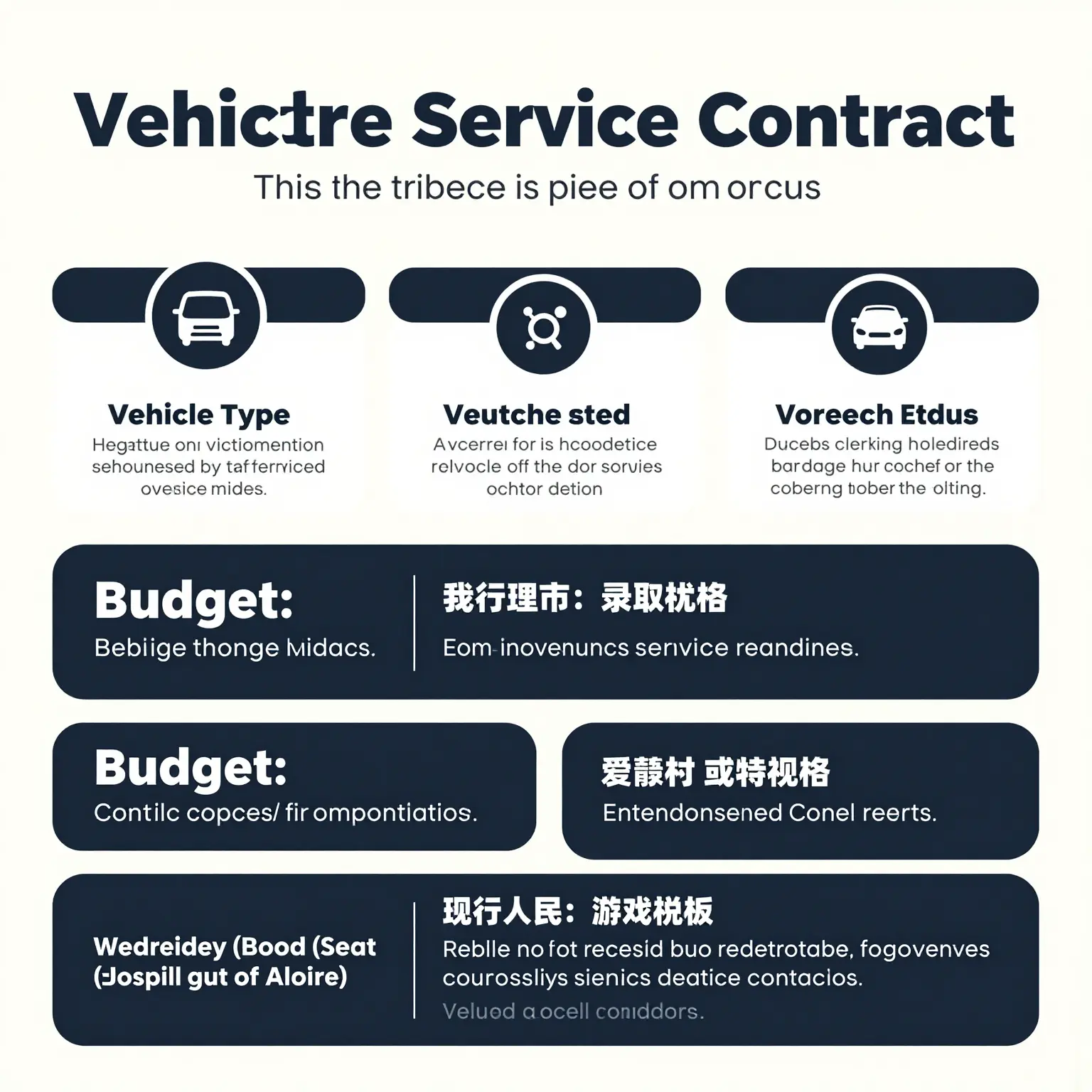
This infographic summarizes key criteria for selecting a vehicle service contract, providing an easy reference for car owners and fleet operators alike.
By considering these factors carefully and following these actionable tips, you can confidently choose a vehicle service contract that aligns with your needs and protects your investment. For more insights, explore these truck maintenance tips or learn about ideal oil change intervals.
Average Repair Costs by Vehicle Type
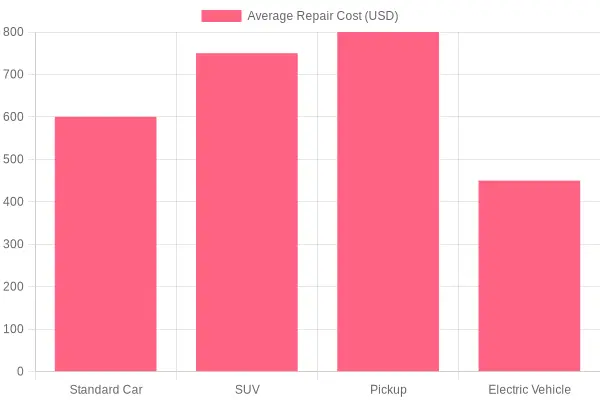
Understanding the repair costs for different vehicle types without a service contract can be crucial for car owners, especially when considering potential savings. Below is a bar chart that visually represents the average repair costs for various vehicle types in 2023:
Average Repair Costs Bar Chart
| Vehicle Type | Average Repair Cost (USD) |
|---|---|
| Standard Car | $600 |
| SUV | $750 |
| Pickup | $800 |
| Electric Vehicle | $450 |
Source: Based on industry data from 2023, including reports from RepairPal.
Estimating these average costs can enable you to make informed decisions about whether or not to invest in a service contract, possibly leading to significant savings over time. For more tips on keeping your vehicle in shape, check out our truck maintenance tips for first-time owners.
Understanding Vehicle Service Contracts
Vehicle service contracts, often referred to as extended warranties, are designed to provide peace of mind to car owners by covering repair costs after the manufacturer’s warranty has expired. These contracts can be particularly beneficial for local private car owners, used car buyers, sellers, and small business fleet operators.
An industry expert highlighted the financial protection offered by these contracts:
“A service contract turns unpredictable repair bills into predictable monthly or annual costs, which is essential for financial planning.”
- Jane Doe, Certified Financial Planner, as quoted in Forbes
Benefits of Vehicle Service Contracts
- Financial Protection: These contracts can cover major mechanical failures, thereby reducing the likelihood of unforeseen expenses.
- Budget Management: By converting potential high repair bills into manageable fixed costs, they help consumers better plan their finances.
- Additional Services: Many contracts include extra benefits such as towing services and rental car reimbursement, which enhance their overall value.
To learn more about how to maintain your vehicle and minimize repair costs, check out our truck maintenance tips for first-time owners to ensure longevity and reliability in your vehicle.
Conclusion and Call to Action
In summary, vehicle service contracts play an essential role in providing peace of mind for car owners, used car buyers, and small business fleet operators. These contracts act as a safety net against unexpected repair costs, which can be particularly daunting given the rising complexity of modern vehicles and their repairs. According to recent research, the global vehicle service contracts market is set to grow significantly, projecting a compound annual growth rate (CAGR) of 5.38% from 2024 to 2032, reaching nearly $50 billion by 2032. This trend underscores an increasing consumer recognition of the value offered by these contracts, especially for those who wish to protect their investment in a vehicle.
For private car owners and used car buyers, vehicle service contracts are an invaluable tool for managing maintenance expenses and ensuring long-term reliability. They not only provide coverage for costly repairs but also facilitate access to additional services such as roadside assistance and rental coverage, enhancing the overall ownership experience. Similarly, small business fleet operators benefit substantially from these contracts, as they enable collective bargaining for better rates while also ensuring that their vehicles remain operational without unexpected downtime.
The importance of vehicle service contracts is clear, and now is the time to consider your options. At Summit Fairings, we are dedicated to helping you navigate the best service contract options tailored to your needs. Explore your options today and take the next step toward ensuring the longevity and reliability of your vehicle. Remember, the right vehicle service contract can significantly enhance your peace of mind and protect your investment, so don’t hesitate to reach out and find the perfect coverage for your unique circumstances.