Your vehicle’s engine health is vital. The PCV valve plays a crucial role in its performance. Despite its small size, this component can lead to serious engine problems if overlooked.
A malfunctioning PCV valve can cause oil leaks and vacuum issues. This jeopardizes not just engine efficiency but also your vehicle’s longevity. Regular inspection and maintenance of the PCV valve can prevent costly repairs and ensure optimal performance.
Don’t let a minor oversight lead to major engine trouble. Prioritize your PCV valve’s upkeep to safeguard your investment.
User Adoption Facts on PCV Valves
Maintaining your vehicle’s PCV valve is not just a good habit; it’s essential for engine health. Here are some crucial facts related to PCV valves:
- Cost of PCV Valves: The price for a PCV valve typically ranges from $2 to $15, depending on the make and model of your vehicle. This low price point amplifies the importance of routine checks, as neglecting such an inexpensive part can lead to costly engine repairs.
- Inspection Frequency: Industry standards recommend inspecting, cleaning, or replacing the PCV valve every 20,000 to 50,000 miles. This recommended frequency underscores the importance of vigilance. Regular checks can prevent vacuum leaks and oil dilution, which are common issues attributed to a malfunctioning PCV system.
- Potential Risks: Ignoring the recommendations can lead to major engine problems, including oil leaks and overall engine performance issues. Ultimately, the price of neglecting your PCV valve is likely to outweigh the minimal investment required for its upkeep.
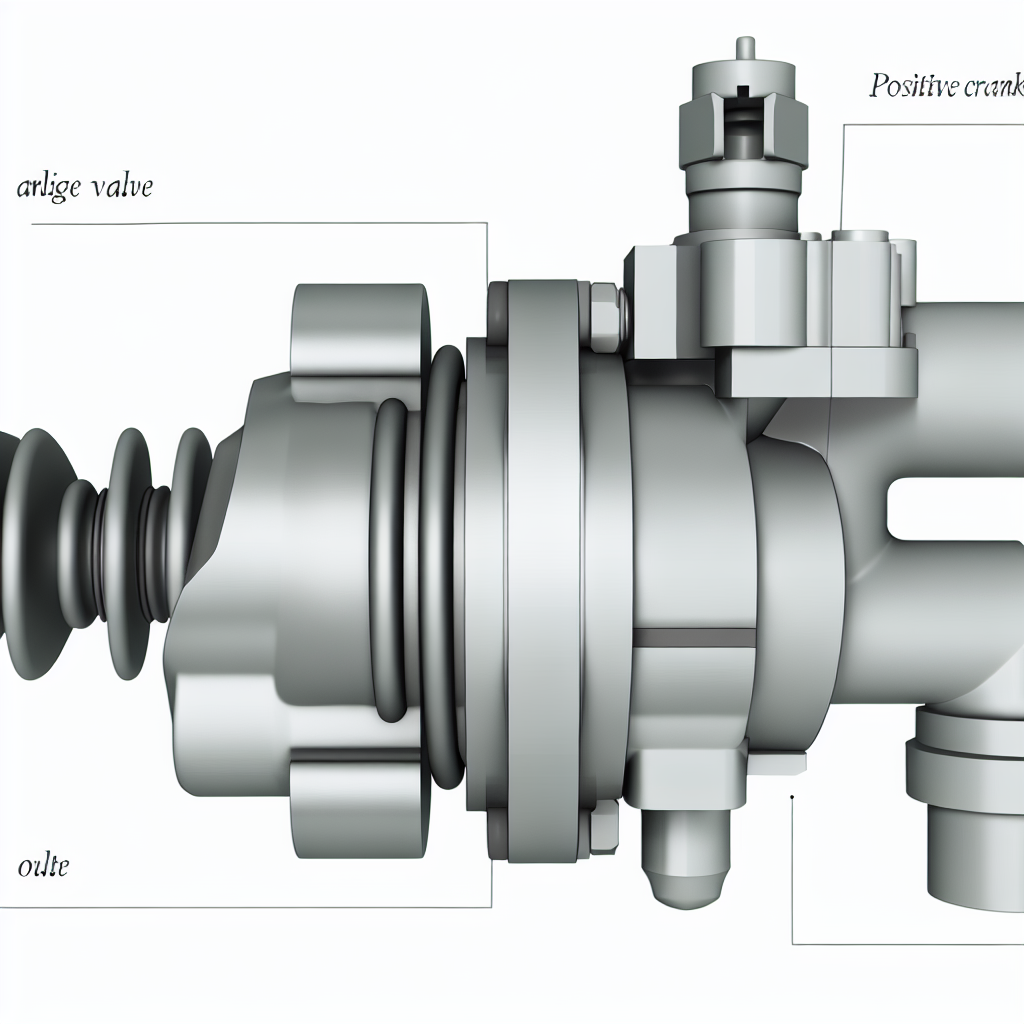
This image provides a visual representation of a PCV valve to help readers understand the component’s appearance in a vehicle.

This checklist provides a step-by-step guide for inspecting your PCV valve, helping ensure proper maintenance of your vehicle’s engine system.
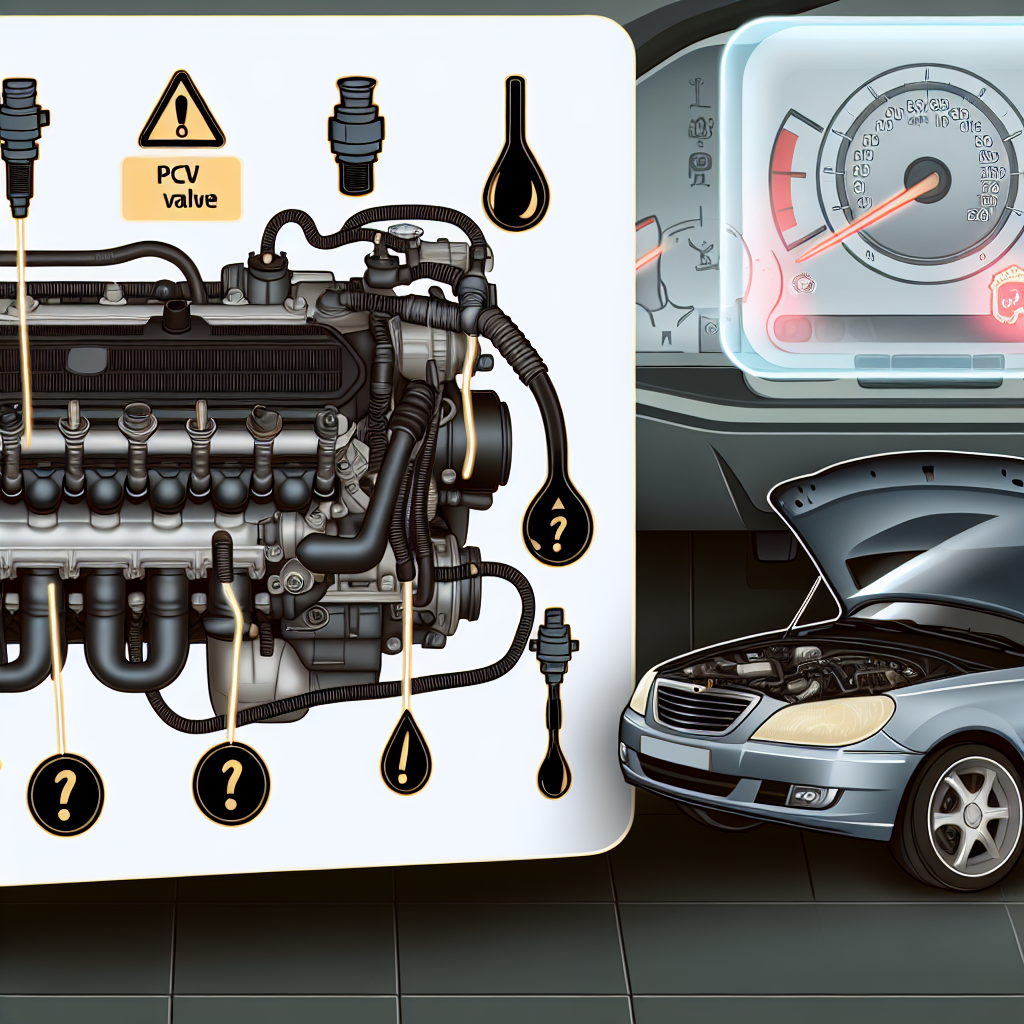
This image illustrates the common symptoms of a faulty PCV valve, showcasing oil leaks, dashboard warning lights, and disturbances in engine performance. Understanding these symptoms can help in early diagnosis and maintenance of your vehicle’s engine health.
Symptoms of a Faulty PCV Valve
Being aware of the symptoms associated with a faulty PCV valve is crucial for maintaining your vehicle’s engine health. Here are some common signs that indicate your PCV valve may be malfunctioning:
- Oil Leaks: A bad PCV valve is one of the most common causes of oil leaks. These leaks can occur around gaskets and seals, leading to fluid loss that can jeopardize engine performance.
- Increased Oil Consumption: If you find that your vehicle has an unusually high oil consumption rate, this could be symptomatic of a problem with the PCV system, as it can cause excessive pressure buildup in the crankcase.
- Rough Idle or Stalling: A malfunctioning PCV valve can disrupt the air-fuel mixture required for optimal engine performance, resulting in a rough idle or stalling during operation.
- Engine Performance Issues: Drivers may experience a decrease in overall engine performance, including reduced acceleration, increased emissions, and poor fuel economy due to a faulty PCV valve.
- Check Engine Light: A persistent check engine light can also signify a problem with the PCV system. It’s wise to investigate this warning to avoid more severe issues.
- Excessive Crankcase Pressure: If you notice symptoms like oil mist or smoke emanating from the engine’s venting system, this could indicate excessive crankcase pressure caused by a malfunctioning PCV valve.
- Foul Odors: Unpleasant smells from the engine area may also indicate oil leaks or fuel vapors due to the problems created by a malfunctioning PCV valve.
Being attuned to these symptoms can prevent more severe engine issues later on. As noted, “it’s unwise to keep driving if your car’s engine has a malfunctioning positive crankcase ventilation (PCV) system.” Regular maintenance and prompt attention to these signs are essential for preserving engine health, as suggested by experts who say, “we highly recommend that you get a faulty PCV valve diagnosed and replaced immediately to avoid expensive and imminent engine repairs.”
User Experiences on Malfunctioning PCV Valves
Neglecting the Positive Crankcase Ventilation (PCV) system can result in significant engine damage, as illustrated by various case studies and user experiences:
- Chrysler Sebring 2002: Owners of this model often encountered severe issues due to a clogged PCV valve, resulting in sludge buildup. This problem led to premature wear on critical components, causing many engines to seize before reaching 100,000 miles. These failures resulted in costly repairs and reduced vehicle lifespan.
- Lexus RX300 2000: This model experienced similar troubles attributed to a weak PCV system, which failed to effectively remove moisture and vapors, causing oil to turn into sludge. Users reported performance deterioration, including ticking noises and oil pressure warnings, often leading to substantial engine repairs.
- BMW Vehicles: Many BMWs have their PCV units integrated into the valve cover, leading to issues like oil leaks and engine misfires when these systems fail. Symptoms such as hissing sounds and rough idling indicate that the vacuum is compromised, possibly resulting in turbocharger damage.
- General Motors (GM): Certain GM vehicles had PCV systems that vacuumed oil from the valvetrain, causing increased oil consumption and significant engine problems like carbon buildup and spark plug fouling. GM has acknowledged these defects, advising affected owners to replace the left rocker arm cover to prevent further issues.
These case studies emphasize the critical necessity for regular PCV system maintenance to avoid severe engine damage and costly repairs, urging vehicle owners to proactively address this vital system.
Maintenance Steps for Your PCV Valve
Maintaining your PCV valve is essential not just for vehicle longevity but also for optimal engine performance. Here’s a detailed checklist to help you check and maintain your PCV valve effectively while keeping preventive maintenance for vehicles in mind:
-
Gather Necessary Tools and Supplies:
Ensure you have the following tools: a wrench or socket set, a flathead screwdriver, a clean rag, a replacement PCV valve (if necessary), and possibly a vacuum gauge for more sophisticated testing. Proper preparation saves you time and effort. -
Locate the PCV Valve:
The first step in maintenance is locating the PCV valve, which is generally positioned on the valve cover or near the intake manifold. Consult your owner’s manual for the exact position for your specific vehicle model. -
Inspect the Valve and Hose:
Once you’ve located the PCV valve, inspect both the valve and the hose connected to it for any signs of wear, cracks, or clogs. Use a flashlight if needed. If you notice any damage, replace the respective parts immediately. -
Remove the Valve:
To check the PCV valve function, carefully detach it from the engine. Depending on your vehicle, this may involve merely pulling it off or using a wrench to loosen it. Avoid forcing any components, as this could damage them. -
Test the Valve:
Test the PCV valve by shaking it. A functioning valve produces a rattle sound, indicating that the internal mechanism is not stuck. Check for any blockages by blowing air through it; it should allow air to pass freely in one direction. If it feels stuck or clogged, it needs replacing. -
Clean the Valve (If Applicable):
If minor blockages are found, clean the valve using a solvent and allow it to dry thoroughly before reinstallation. If the valve is severely clogged or damaged, replacement is the best option. -
Reinstall or Replace the Valve:
Once cleaned or a new one is purchased, reinstall it securely. Ensure all connections are tight to avoid vacuum leaks, which can result in engine performance issues. -
Check Connections and Hoses:
While the valve is removed, check the hoses for signs of cracking or stiffness. Replace any damaged hoses, as they are critical to the function of the PCV system. -
Conduct a Final Inspection:
After reinstallation, double-check everything. Start your engine and listen for any unusual noises. If problems arise or if the check engine light activates, it may indicate an issue with your PCV system. -
Establish a Regular Maintenance Schedule:
Set reminders to check your PCV valve approximately every 20,000 miles, or as specified in your vehicle’s manual. Consistent maintenance prevents serious engine issues from neglecting the PCV system.
Importance of Maintenance
Ignoring your PCV valve’s health can lead to costly repairs and performance issues, such as oil leaks, poor fuel economy, and engine damage. Remember, a small component can impact overall engine health significantly. Maintenance can often prevent expensive repairs and prolong your engine’s life, so take heed of the warnings and perform these checks regularly.
PCV Valve Price and Replacement Frequency Comparison
To help you better understand the costs and maintenance for PCV valves across different vehicles, here’s a table outlining the typical prices and recommended replacement frequencies:
| Vehicle Make & Model | Estimated PCV Valve Cost | Recommended Replacement Interval |
|---|---|---|
| Honda Accord 2010-2020 | $10 – $15 | Every 30,000 miles |
| Ford F-150 2015-2020 | $10 – $20 | Every 20,000 miles |
| Chevrolet Malibu 2016-2020 | $6 – $12 | Every 25,000 miles |
| Toyota Camry 2006-2020 | $5 – $15 | Every 50,000 miles |
| Nissan Altima 2013-2020 | $10 – $18 | Every 30,000 miles |
| BMW 3 Series 2012-2019 | $15 – $25 | Every 20,000 miles |
| Subaru Outback 2018-2020 | $8 – $15 | Every 40,000 miles |
| Kia Optima 2016-2020 | $7 – $14 | Every 30,000 miles |
This table illustrates the importance of understanding the cost and frequency of PCV valve replacements specific to your vehicle model, assisting you in maintaining optimal engine performance and preventing major repairs.
Conclusion
In conclusion, maintaining your PCV valve is essential for ensuring your vehicle’s engine health and performance. Regular inspections and timely replacements can prevent significant engine damage, as many drivers have experienced through various case studies. Symptoms such as oil leaks, rough idling, and decreased fuel efficiency are clear indicators that your PCV valve may be failing. Ignoring these signs can lead to expensive repairs and impaired vehicle functionality.
Given that the cost of a PCV valve is relatively low compared to potential engine repairs, prioritizing this maintenance step is not just advisable, it is essential. Take action by checking your PCV valve every 20,000 to 50,000 miles, and consult a professional if you notice any of the warning signs discussed. Your proactive maintenance can lead to smoother engine operation and save you from costly repairs in the long run. Don’t wait until it’s too late — ensure your PCV system is in optimal condition today!
In addition to the information we have covered related to the maintenance and importance of the PCV valve, it is essential to consider other aspects of vehicle maintenance that impact engine performance. Here are some related articles that can provide you with deeper insights into PCV valve functionality and preventive maintenance:
-
How A Bad PCV Valve Can Ruin Your Engine
This article explores the potential catastrophic effects on your engine performance if the PCV valve is compromised. -
The Importance of PCV Valve Maintenance
Learn about how the PCV valve aids in emission reduction, prevents sludge buildup, and enhances fuel efficiency. -
Signs of a Failing PCV Valve
This piece discusses common symptoms indicating a malfunctioning PCV valve and how to address them promptly. -
Maintenance Tips for Engine Health
Comprehensive maintenance advice for various engine components that impact overall performance, including insights into routine inspections.
Regularly reviewing these articles can help you maintain awareness of the health of your PCV system and other critical components for optimal engine performance. For further insights on how engine components interplay with PCV valves, don’t miss checking the detailed video on symptoms of a bad PCV valve: 7 ALARMING Symptoms of a Bad PCV Valve (Could Ruin Your Engine).
AutoZone Auto Parts is a reputable source that provides guidance on PCV valve maintenance and replacement.
Regular inspection and maintenance of the PCV valve, as recommended by these sources, can prevent engine issues and ensure your vehicle operates efficiently.