
Introduction to US Vehicle Services
In the bustling world of U.S. vehicle services, the importance of maintenance and care cannot be overstated. For private car owners, regular servicing is not just about keeping their vehicles running; it’s a commitment to safety and longevity that enhances the overall driving experience. Used car buyers and sellers greatly benefit from thorough inspections and transparent service histories, which help ensure value and reliability in their transactions. Furthermore, small business fleet operators rely on efficient vehicle services to maintain productivity and minimize downtime, allowing their operations to run smoothly. At KMZ Vehicle Center, we are dedicated to providing insights and solutions tailored for these diverse audiences, ensuring every vehicle remains in peak condition, whether it’s a family car, a pre-owned vehicle on the market, or a fleet of work trucks.
Different Types of Vehicle Services in the US
Understanding the various types of vehicle services available can greatly assist car owners, especially those involved in buying and selling used cars or managing small business fleets. Here’s a comprehensive overview of the different categories of vehicle services:
-
Inspections
Inspections are essential for ensuring that a vehicle meets safety and emissions standards. In many states, regular inspections are required for registration. -
Example: A vehicle inspection might include checking the brakes, lights, tires, and emissions systems.
-
Repairs
Repairs cover a wide range of services, from mechanical and electrical fixes to bodywork. This category is vital for maintaining the longevity and safety of any vehicle. -
Example: Brake replacements, engine repairs, and transmission fixes are common repairs needed, especially in aging vehicles.
-
Maintenance
Maintenance is crucial to keep vehicles running smoothly and efficiently. This includes regular servicing such as oil changes, tire rotations, and fluid checks, adhering to manufacturer recommendations. -
Example: Regular oil changes help prevent engine wear and tear, contributing to a longer vehicle lifespan. For tips on oil change intervals, refer to optimal oil change intervals.
-
Specialty Services
Specialty services cater to specific needs, such as detailing, paint correction, or performance tuning. These services have gained popularity with the rise of electric vehicles (EVs) and high-performance cars. -
Example: Electric vehicle services may involve specialized battery maintenance and software updates.
Market Share of Vehicle Services
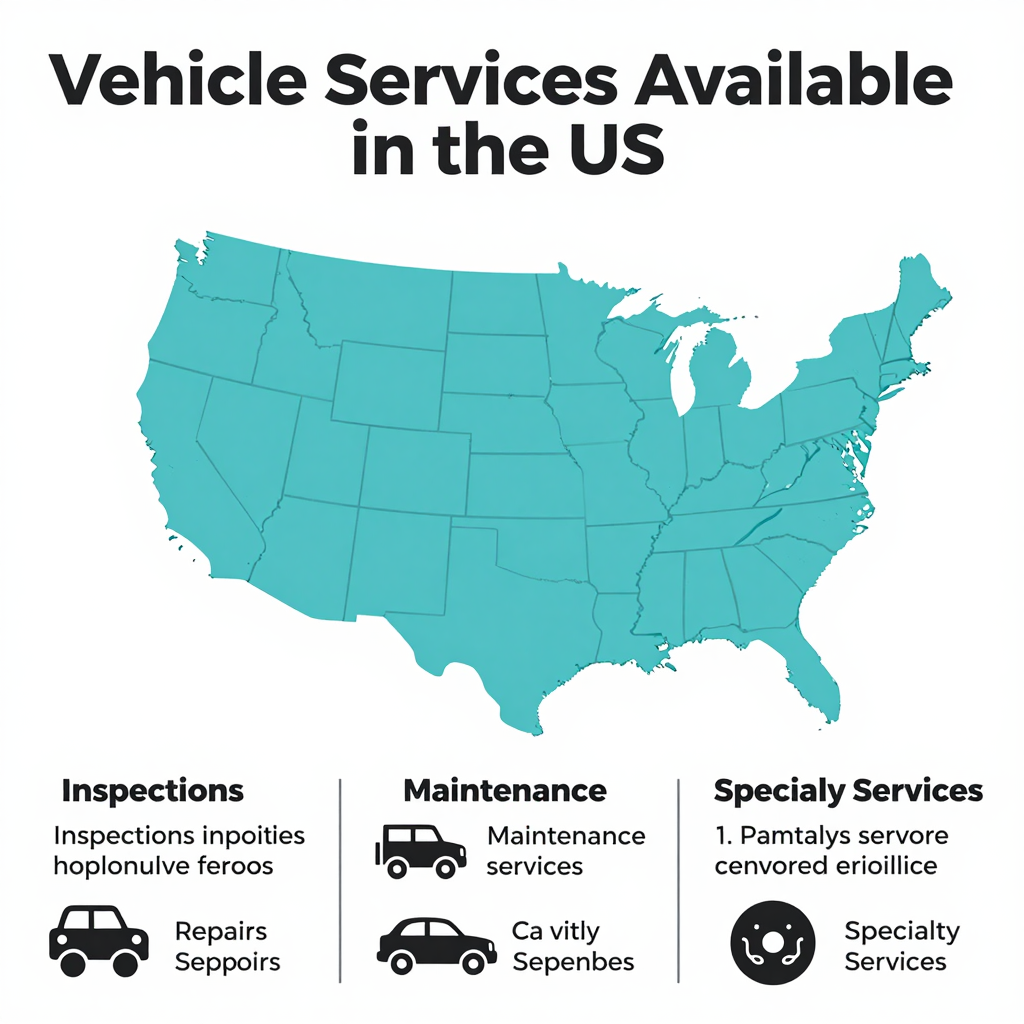
Here’s a breakdown of the vehicle service types and their estimated market share in the US for 2026:
| Vehicle Service Type | Estimated Market Share (US, 2026) | Notes |
|---|---|---|
| Maintenance | 58% | The largest segment includes oil changes, tire rotations, and routine servicing. |
| Repairs | 29% | Covers mechanical and electrical issues. |
| Inspections | 10% | Often required for registration or insurance. |
| Specialty Services | 3% | Includes detailing and hybrid/electric services. |
For further insights into vehicle repairs and maintenance strategies, you can check out the troubleshooting common car issues and maintenance tips for first-time truck owners articles.
Understanding Different Types of Vehicle Services
When it comes to maintaining your vehicle, it’s essential to recognize the various types of services available to ensure its optimal performance and longevity. Here are some common vehicle service types that every car owner should consider:
- Oil Change: Regular oil changes are critical for engine health, allowing for improved performance and efficiency. Learn more about optimal oil change intervals
- Tire Rotation: Rotating your tires helps promote even tire wear, which can extend their lifespan and enhance vehicle handling.
- Brake Inspection: Regular brake inspections are crucial for safety. They ensure that your braking system is functioning correctly and can help avoid costly repairs down the line. Check for signs of brake problems
- Fluid Checks: This includes checking engine oil, coolant, brake fluid, and transmission fluid levels to maintain vehicle performance.
- Battery Maintenance: Keeping your battery clean and ensuring it holds a charge will reduce the risk of unexpected failures.
For vehicle owners, understanding these services is fundamental to making informed decisions about car maintenance. Not only will this help maintain vehicle health, but it will also save on long-term costs.
Image illustrating different types of vehicle services
Importance of Regular Vehicle Maintenance
Maintaining your vehicle is not merely about keeping it clean; it’s crucial for ensuring safety, performance, and longevity. Regular vehicle maintenance is essential for car owners, particularly for those who drive often or rely on their vehicles for business purposes. Here’s why you should prioritize it:
Enhancing Safety
Studies, like one from the FMCSA, indicate that vehicles suffering from poor maintenance practices have a 65% higher crash rate. This alarming statistic showcases how neglecting maintenance can jeopardize not just the driver but also passengers and other road users. Regular maintenance checks help identify potential safety issues like brake problems or tire defects before they lead to serious accidents.
Improving Fuel Efficiency and Performance
Research published on ResearchGate highlights that consistent maintenance practices enhance fuel efficiency. For instance, regular oil changes and air filter replacements can improve gas mileage, save money over time, and reduce long-term wear and tear on your engine.
Preventing Costly Repairs
Neglecting vehicle maintenance often leads to more significant mechanical issues that can result in expensive repairs. According to a Carfax report, a significant number of Americans are overdue for essential maintenance tasks, which can lead to costly fixes later on. For example, ignoring the need for timely brake inspections can result in complete brake failure, necessitating expensive replacements.
Conclusion
In conclusion, regular vehicle maintenance is an integral part of car ownership. By prioritizing your vehicle’s upkeep, you ensure safety, enhance performance, and avoid future repair costs. If you are unsure where to start, consider consulting this guide on truck maintenance tips to help you streamline your vehicle’s care.
Maintaining a vehicle is essential for ensuring safety, performance, and longevity. However, the cost of service can vary significantly across different regions in the United States. Below is a table comparing average vehicle service costs based on various states, which may help car owners, especially those operating private vehicles or small fleets, to plan their maintenance budgets accordingly.
| State | Average Service Cost (USD) |
|---|---|
| California | $100 |
| Texas | $80 |
| Ohio | $70 |
Cost Implications of Vehicle Maintenance
- California: Known for its higher living costs, California leads in service costs. Vehicle owners here can expect to pay around $100 on average for various maintenance services, providing insight into potential expenses for those moving to or currently residing in the state.
- Texas: With competitive pricing, Texas offers average service costs at approximately $80, making it a preferable state for budget-conscious vehicle owners.
- Ohio: Ranking as one of the least expensive states for vehicle services, Ohio’s average cost is about $70. This makes it an attractive location for anyone looking to reduce maintenance expenditures.
For more detailed strategies on cost-effective car maintenance, check out truck maintenance tips for first-time owners and optimal oil change intervals.
Tips for Selecting a Reliable Vehicle Service Provider
Choosing a dependable vehicle service provider is crucial for the maintenance and longevity of your car. Here are some key factors to consider:
1. Certifications
- ASE Certification: Look for service providers with ASE (Automotive Service Excellence) certification, ensuring professionals possess the knowledge and skill necessary for quality vehicle repairs (learn more about ASE certification).
- Manufacturer Certifications: Some providers may have certifications from specific car manufacturers, indicating they are trained to service that brand’s vehicles.
2. Reviews and Recommendations
- Online Reviews: Check platforms like Google, Yelp, or social media for customer feedback. Positive reviews can be a good indicator of reliability and quality.
- Word of Mouth: Ask friends, family, or co-workers for recommendations. Personal experiences can provide insights that online reviews may not capture (read about choosing the best car services).
3. Service Guarantees
- Warranties: Reliable service providers typically offer warranties on their work. This not only provides peace of mind but also demonstrates their confidence in the services rendered (learn about guarantees in auto repair).
4. Facility and Equipment Quality
- Clean and Organized Shop: A well-maintained facility often reflects the standards of service you can expect. Inspecting the shop can provide insights into their operations and professionalism.
- Up-to-Date Tools: Ensure that the shop uses the latest and appropriate equipment for vehicle servicing, which is essential for effective repairs.
5. Transparency and Communication
- Clear Estimates: A reliable provider should offer transparent quotes and explain any recommended services. Good communication is key to trust in any service relationship.
Expert Advice on Vehicle Maintenance
In maintaining a vehicle, the significance of using quality services cannot be overstated. Proper vehicle maintenance not only prolongs the life of your car but also ensures safety on the road. According to an article from Express Auto Care, regular maintenance allows an expert eye to spot and fix minor issues before they escalate into big, costly problems. They emphasize that neglecting car maintenance can lead to unsafe driving conditions and more expensive repairs down the line.
“Regular vehicle maintenance is pivotal for ensuring safety on the road. Components such as tires, brakes, and engine systems require consistent checks to avoid failures that could lead to accidents.” – Schneider Auto source
For private car owners, used car buyers, and fleet operators, staying proactive about maintenance can safeguard against unexpected overhaul expenses. By investing time and resources in quality vehicle services, you not only promote the longevity of your vehicle but also maintain a safe driving environment for yourself and others. For best practices on vehicle upkeep, you can refer to tips on optimal oil change intervals or learn about truck maintenance strategies for your fleet.
In the realm of vehicle services, the significance of maintaining a well-kept car cannot be overstated. A vehicle that gleams with a shiny coat of paint and exhibits clean tires reflects the owner’s commitment to quality care. Regular inspections, such as checking fluid levels, tire pressure, and brake functionality, are critical in ensuring safety and longevity. By investing effort in routine maintenance, car owners can prevent costly repairs in the future. Additionally, a vehicle in excellent condition not only drives better but also retains higher resale value, making it a wise choice for those considering selling their used cars, or even small business fleet operators looking for reliability. At KMZ Vehicle Center, we emphasize the importance of mechanical reliability and aesthetic upkeep, guiding you toward successful vehicle ownership.
In conclusion, vehicle services play an essential role in ensuring the longevity, efficiency, and safety of automobiles in the United States. As discussed, routine maintenance such as oil changes, brake inspections, and tire rotations not only enhances vehicle performance but also significantly reduces the long-term costs associated with neglecting care. Regular services improve fuel economy and extend the life of crucial vehicle components, making these practices vital for local private car owners, used car buyers and sellers, and small business fleet operators alike.
Furthermore, the adaptation of advanced fleet management strategies can streamline operations for business owners, ensuring that their vehicles remain in peak condition while maximizing cost savings. Regularly serviced vehicles boost safety on the roads, benefiting both the driver and the community.
For those looking to elevate their ride experience, it is important to prioritize maintenance and be proactive about service intervals. Trusting experienced professionals to conduct these services can not only provide peace of mind but also enhance overall vehicle performance. Whether you’re a first-time vehicle owner or managing a fleet of vehicles, understanding the importance of ongoing vehicle services can make a significant difference.
Therefore, remember that maintaining your vehicle is not just about improving its operational life but is also an investment in your safety and driving pleasure. For more information on vehicle maintenance, check out our essential truck maintenance tips or explore the optimal oil change intervals to keep your ride running smoothly. Make the smart choice today and elevate your driving experience!
Further Reading and Resources
For car owners, used car buyers and sellers, and small business fleet operators looking to enhance their knowledge about vehicle services, here are several valuable resources:
-
Auto Maintenance Checklist: 10 Essentials Every Car Owner Should Follow (Carfect)
This guide outlines ten core tasks every vehicle owner should prioritize to maintain vehicle safety and performance. -
Car Care Guide – Be Car Care Aware (Car Care)
An overview of necessary services and vehicle systems, along with service interval recommendations to keep your vehicle in great shape. -
Beginner’s Guide to Car Maintenance – Tokio Marine (Tokio Marine)
A comprehensive guide covering essential inspections and tips for understanding your vehicle’s condition. -
Top 5 Most Helpful Car Mechanic Magazines (GaragePlug)
Highlights essential car magazines that provide valuable insights for auto shop owners and technicians. -
The 15 Best Car Magazines To Read Right Now (HiConsumption)
Features top car magazines, covering automotive design, performance reviews, and industry trends.