
Have you ever wondered how the date your vehicle was first placed in service impacts its value, compliance, and maintenance? For local private car owners, used car buyers, sellers, and fleet operators, understanding this date is essential. It serves as a critical timestamp, marking when various regulations regarding safety inspections, emissions testing, and insurance coverage kick in.
The importance of knowing the placement-in-service date cannot be overstated. For instance, this date influences when you need to schedule your vehicle’s next safety inspection or emissions test. Misreporting or forgetting this date can lead to costly penalties, making it vital for car owners to keep accurate records. Similarly, if you are a used car buyer or seller, transparency about this date is crucial. As highlighted by the [National Highway Traffic Safety Administration (NHTSA)], understanding the date ensures compliance with federal and state regulations, allowing you to avoid any legal complications during title transfers.
Even small business fleet operators need to maintain accurate service records, as this date impacts operational efficiency and compliance with commercial vehicle regulations. Not only does it help in tracking maintenance schedules and warranties, but it also affects resale value. Clear documentation of this date supports fair dealings in the marketplace and ensures longevity in operational standards.
In this article, we’ll explore how to easily find out when a clean vehicle was placed in service and the resources available to assist you.
Finding Clean Vehicles: Local Resources and Information
For private car owners, used car buyers and sellers, and small business fleet operators, locating accurate information concerning clean vehicles can enhance the purchasing experience and ensure compliance with state regulations. Here, we summarize essential local resources, including DMV databases, dealerships, and federal compliance systems, that provide data about vehicles in service and their condition.
1. DMV Databases
Local Department of Motor Vehicles (DMV) often plays a crucial role in tracking vehicle registration and compliance statuses. Here are some of the key resources:
-
California DMV Fleet Database: This official state database contains comprehensive vehicle registration and compliance data specifically for California. It provides historical data about clean vehicles including the vehicle type, model year, and emissions compliance status. For more details, visit the California Air Resources Board (CARB).
-
California DMV Vehicle Emissions Inspection and Compliance Lookup: Users can check a vehicle’s emissions compliance status via the DMV’s online portal by entering the vehicle’s license plate number or VIN. This service is essential in areas with strict air quality regulations and helps in determining if a vehicle has passed required emissions inspections. For more information, view the California DMV’s portal here.
2. Federal Resources
Several federal agencies maintain databases that provide authoritative information on clean vehicles:
-
U.S. EPA Clean Vehicle Guide: This federal resource offers insights into vehicle emissions standards and clean vehicle certifications. It includes the EPA’s greenhouse gas and fuel efficiency standards for light-duty vehicles as well as a searchable database encompassing certified clean vehicles. For more information, check out the EPA Clean Vehicle site.
-
National Highway Traffic Safety Administration (NHTSA): Though primarily focused on safety recalls, the NHTSA’s database also integrates emissions compliance information, crucial for understanding a vehicle’s regulatory status. More about this can be found directly on the NHTSA site.
3. Local Dealerships
Local dealerships can also be an excellent source of information on clean vehicles:
- Dealer-Specific Tools: Many dealerships offer proprietary platforms that provide real-time inventory data and compliance details on vehicles. These tools often integrate VIN lookup functionality, ensuring consumers have quick access to essential information about vehicle make, model, year, fuel type, and eligibility for federal or state incentives.
Conclusion
Utilizing these resources will empower car owners and fleet operators to make informed decisions when it comes to purchasing clean vehicles. Always ensure to verify compliance with local emissions regulations and seek reputable sources when assessing vehicle history and performance. For more tips related to vehicle maintenance, consider checking our Truck Maintenance Tips for First Time Owners.
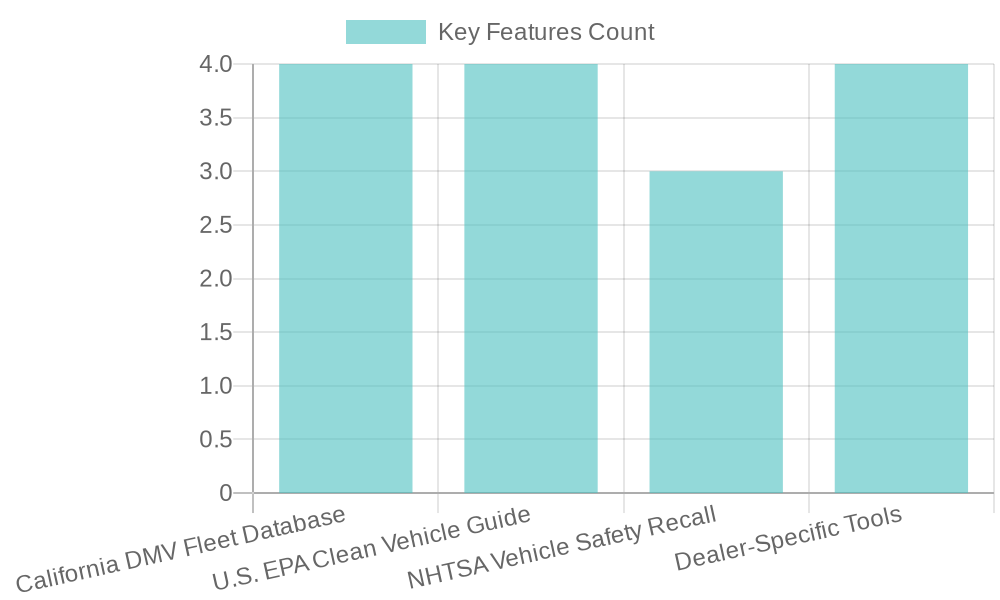
Vehicle Resource Overview Chart
Why Vehicle Service History Matters
Finding the accurate service history of a vehicle is crucial, especially when considering the purchase or sale of a car. According to automotive experts, “A complete vehicle service history is essential for maintaining the vehicle’s value. If a car lacks full maintenance records, buyers often expect to pay more than 20% less than they would for a well-documented vehicle.” This underscores the importance of ensuring a clear and complete history when evaluating or purchasing a vehicle.
For more insights on how to maintain your vehicle or understand its history better, consider reading our articles on organizing first-time truck maintenance records and truck maintenance tips for first-time owners.
Popular Platforms for Vehicle History Checks
When buying a used vehicle, accessing accurate information about its past can help mitigate risks associated with hidden defects and accidents. Here’s a list of popular vehicle history check platforms that provide valuable insights:
-
VinAudit
This U.S.-based platform allows users to enter a Vehicle Identification Number (VIN) to retrieve comprehensive historical data including ownership records, accident history, and potential issues. It’s particularly useful for buyers assessing the risk of a second-hand purchase. -
Carfax
Known for its extensive vehicle history reports, Carfax includes information about service history, accident reports, and title changes. This detailed report is invaluable for used car buyers wanting to ensure the vehicle’s past is clean. -
AutoCheck
Similar to Carfax, AutoCheck provides a vehicle’s history report based on its VIN. It’s effective in identifying accidents, title issues, and previous owners, offering a score to summarize the vehicle’s history, simplifying decision-making for buyers. -
CheckThatVIN
A free service that focuses on providing basic vehicle history checks, including major accident reports and title checks. It’s suitable for users looking for an economical way to validate a vehicle’s background before purchase. -
VehicleHistory.com
This platform offers free reports that include important details such as recalls, warranty status, and fuel economy ratings. It’s an excellent resource for those looking for quick insights without incurring costs.
Accessing thorough vehicle history information can make a significant difference in your buying experience-learn more about optimizing your purchase.
The Significance of Clean Vehicles: Reliability, Resale Value, and Safety
The modern vehicle landscape is shifting, with clean vehicles taking center stage. Choosing to invest in clean vehicles-particularly electric vehicles (EVs)-presents numerous benefits that extend beyond just environmental impact. Here’s why clean vehicles are a wise choice for local private car owners, used car buyers, sellers, and small business fleet operators alike.
Reliability
Clean vehicles, especially battery electric vehicles, are designed with fewer moving parts than traditional internal combustion engine vehicles. This design leads to significant advantages in reliability. Studies indicate that electric vehicles experience 28% fewer major mechanical issues over five years compared to their gasoline counterparts. Consequently, owners can expect lower maintenance costs and reduced worry about unexpected breakdowns. This reliability fosters peace of mind, allowing drivers to focus on the road ahead rather than potential repair bills.
For more guidance on how to maintain your vehicle effectively, check out our truck maintenance tips for first-time owners.
Resale Value
The resale value of clean vehicles has stabilized as consumer interest in this market grows. Compared to conventional vehicles, many EVs retain up to 20% more value after three years, making them a financially sound investment. As the demand for clean vehicles continues to rise, their longevity and durability enhance their attractiveness in the used car market. With incentives and increasing awareness of environmental footprints, clean vehicle owners are reaping rewards, contributing to an elevated resale value over time.
Safety
Safety is paramount when selecting a vehicle. Clean vehicles often feature advanced driver-assistance systems that enhance overall driving safety. With a lower risk of fire and a robust structural design, electric vehicles present a safer alternative to traditional vehicles. Furthermore, their low center of gravity reduces rollover risks, contributing to enhanced handling characteristics.
The emotional dimension tied to owning a reliable and safe vehicle cannot be overlooked. Many drivers report a significant increase in driving pleasure and satisfaction, often due to the unique driving experience clean vehicles offer. The absence of engine noise combined with smooth acceleration creates an environment that feels calm and enjoyable, imparting a sense of control over the driving experience.
To learn more about how keeping up with maintenance affects performance and safety, consider reading about optimal oil change intervals.
Conclusion
Investing in a clean vehicle is not merely a choice for a new form of transportation-it represents a commitment to reliability, financial prudence, and safety. For local private car owners and small business fleet operators, the benefits are clear: clean vehicles hold their value, require fewer repairs, and offer a safer, more fulfilling driving experience. By making this choice, you are not just investing in a vehicle; you are enhancing your quality of life.

| Service | Key Features | Price Range | User Rating | Source URL |
|---|---|---|---|---|
| Carfax | Comprehensive accident records, service history, recalls | $39.99/report | 4.5/5 | Consumer Reports |
| AutoCheck | Fast report generation, detailed vehicle history | $29.99/report | 4.2/5 | U.S. News |
| 查车况 (Chacheck) | AI-driven analyses, battery health reports for EVs | ¥98/report | 4.8/5 | Edmunds |
Conclusion and Call to Action
In conclusion, understanding the service history of your clean vehicle is not just a mere administrative task; it is essential for safeguarding your investment and enhancing your vehicle’s longevity. By examining the maintenance records, you can ensure that the vehicle you own or intend to purchase has received the care and attention it deserves, reflecting a reliable and efficient mode of transportation.
According to recent studies, vehicles that adhere to scheduled maintenance are 30% less likely to encounter major mechanical failures. This fact alone underscores the significance of keeping diligent service records. In the used car market, it’s also been shown that vehicles with documented maintenance histories tend to sell for 12% more than those without, highlighting how vital it is to verify and maintain these records for your current and potential automotive possessions. Learn more about the importance of vehicle maintenance history here.
As a responsible vehicle owner, we encourage you to take action today: check your clean vehicle’s service history to confirm regular maintenance has been performed. Not only does this safeguard your vehicle’s performance, but it also aids in avoiding unexpected repairs and expenses down the line.
Additionally, familiarize yourself with indicators that suggest your vehicle may need immediate attention, such as unusual noises, warning lights, or performance changes, which might signal neglected care. For further tips on maintaining your vehicle, please visit our pages on truck maintenance for first-time owners and optimal oil change intervals.
Stay proactive in the upkeep of your vehicle to ensure it runs smoothly for years to come!
Recent Statistics on Clean Vehicle Sales
The automotive industry is experiencing a remarkable transition towards clean and certified vehicles. In 2023, sales of clean vehicles surged significantly, showcasing a strong consumer preference for environmentally friendly options.
Global Perspective
According to recent reports, the global sales of new energy vehicles exceeded 14 million units in 2023, with Chinese manufacturer BYD leading the market by selling over 3 million vehicles, making it the world’s top seller of clean vehicles (source). This indicates a clear shift in consumer behavior and a growing acceptance of electric vehicles (EVs).
United States Market Insights
Focusing on the U.S., approximately 1.4 million clean vehicles were sold in 2023, reflecting a year-on-year increase of over 50%. Of these, 80% were Battery Electric Vehicles (BEVs), amounting to about 1.12 million units, while Plug-in Hybrid Electric Vehicles (PHEVs) made up the remaining 20%, approximately 280,000 units (source). The penetration rate of clean vehicles in the broader passenger vehicle market reached 9.1%, up from 6.8% in 2022 (source).
Growth Highlights
Sales Breakdown
| Category | Sales (2023) |
|---|---|
| Battery Electric Vehicles (BEV) | 1,120,000 |
| Plug-in Hybrid Electric Vehicles (PHEV) | 280,000 |
| Total Clean Vehicle Sales | 1,400,000 |
Source: ICCT (International Council on Clean Transportation), 2024
The clean vehicle market has shown robust growth trends across various segments. Traditional automakers are playing catch-up, with significant advancements in EV technology and infrastructure supporting this upward trend. The push from government incentives, such as the Inflation Reduction Act providing tax credits for clean vehicles, has also played a crucial role in stimulating sales in the U.S.
This impressive growth is indicative of a larger trend towards sustainability in the automotive industry, with consumers increasingly prioritizing cleaner, certified vehicles that contribute to reducing carbon emissions and promoting environmental stewardship.
FAQ on Clean Vehicles Placed in Service
What does “placed in service” mean?
The term “placed in service” refers to the date when a clean vehicle is first made available for use by the owner. This is critical for determining eligibility for federal tax credits associated with purchasing such vehicles, especially under the recent clean vehicle credit rules from the IRS. For additional details, see the IRS documentation on Form 8936.
How can I find the date my clean vehicle was placed in service?
To find the date your clean vehicle was placed in service, you should refer to the purchase documents provided by your dealer. This date should be explicitly mentioned in the sales contract or transaction receipt. The IRS specifies that a clean vehicle must have been placed in service on or before specific dates to qualify for available tax credits. For specifics about these dates, you can check the IRS FAQ page on clean vehicle returns and cancellations here.
How do I verify if my vehicle qualifies as a clean vehicle?
Verification of your clean vehicle’s eligibility typically involves confirming that the vehicle meets specific criteria set by the IRS. Ensure that:
- The vehicle is classified as a new plug-in electric vehicle (EV) or a fuel cell vehicle (FCV).
- The vehicle is primarily used within the United States and is not for resale.
- Your dealer provides necessary documentation on the clean vehicle credit eligibility and registers it properly with the IRS. More information can be found on the New Clean Vehicle Credit.
What should I do if the vehicle was returned?
If a clean vehicle is returned, the specific conditions under which it was returned must be documented. If the vehicle’s placed-in-service date occurred over 30 days before the return, different reporting procedures will apply. Refer to the IRS guidelines regarding returns to understand your obligations.
How can I ensure I have documented evidence of my vehicle’s eligibility for the credits?
To substantiate your vehicle’s eligibility for the clean vehicle credit, maintain records such as:
- A signed binding contract detailing the vehicle purchase.
- Payment receipts that establish your transaction occurred before cut-off dates set by the IRS (e.g., September 30, 2025).
- Dealer documentation confirming the vehicle’s eligibility.
Where can I find more advice on clean vehicles and maintenance?
For further insights on maintaining your vehicle, you can explore several resources. If you’re new to vehicle ownership, consider reading about truck maintenance tips for first-time owners or learn about optimizing your vehicle’s oil change intervals on this informative page.
By following these guidelines and keeping thorough records, you can effectively navigate the requirements for claiming your clean vehicle credits.