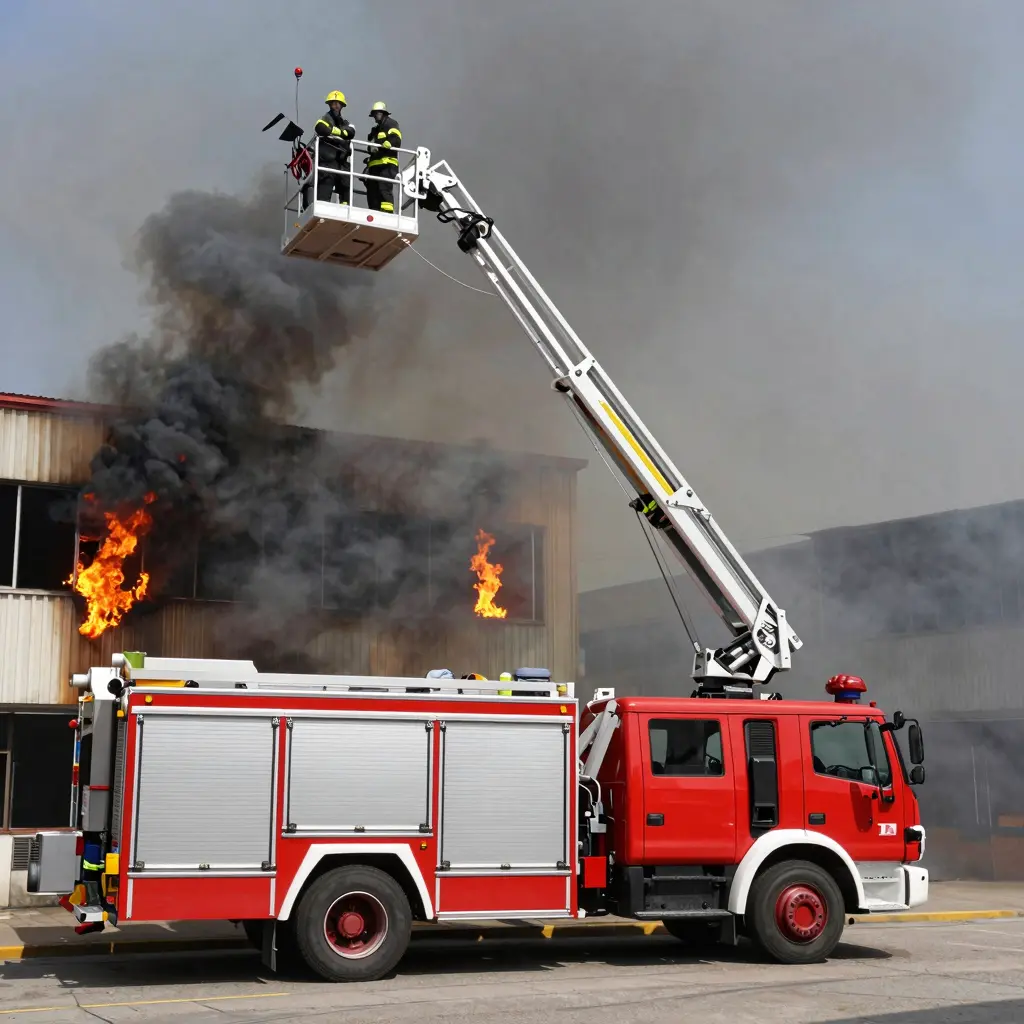
In the ever-evolving landscape of firefighting, aerial elevator fire trucks stand out as vital assets in modern emergency response operations. With their ability to reach towering heights and provide a stable platform for firefighters, these specialized vehicles are integral in saving lives and protecting property during intense fires. As urban structures grow taller and more complex, traditional firefighting methods often fall short. Hence, the role of aerial elevator fire trucks has become increasingly paramount, offering unparalleled access and maneuverability in challenging environments. These vehicles not only facilitate rapid deployment of firefighters and equipment but also enhance overall safety by allowing operations from elevated positions. Business owners, in particular, should be aware of how the integration of such advanced firefighting solutions can improve safety on their premises and offer peace of mind amidst the uncertainties of fire hazards. As we delve deeper into the capabilities and features of aerial fire trucks, explore our range of specialized fire equipment to discover how they can revolutionize firefighting strategies and protect assets effectively.
Key Features of Aerial Elevator Fire Trucks
Aerial elevator fire trucks are specialized vehicles designed for optimal performance in firefighting and rescue operations. Below are some key features emphasizing technology, safety, and operational efficiency:
-
Stability and Control:
-
360-degree rotation of the aerial platform allows for flexible positioning, accommodating various building structures.
-
Multi-point hydraulic stabilizing legs provide a robust foundation, ensuring stability during operations at height.
-
Center of gravity and load monitoring systems to prevent overload and ensure safe operations.
-
Advanced Technology:
-
Constructed from high-strength aluminum or steel for durability while maintaining lightweight properties for mobility.
-
Sophisticated hydraulic and electronic control systems facilitate smooth maneuvering and precise ladder operations.
-
Modular design permits quick adaptation with additional equipment such as water cannons or rescue platforms for adaptability in emergencies.
-
Smart safety features include collision sensors and real-time wind speed monitoring to enhance operational safety.
-
Safety Measures:
-
Enclosed working platforms that safely accommodate multiple firefighters and gear, equipped with safety barriers and slip-resistant flooring.
-
Dual safety locks to prevent unintentional movement of the aerial ladder during use.
-
Emergency evacuation systems on the platform for quick exit in critical situations.
-
Compliance with the latest emission standards, contributing to eco-friendly operations.
-
Operational Efficiency:
-
Rapid deployment capabilities, with hydraulic systems enabling quick setup in minutes to improve emergency response times.
-
High-power diesel engines (450-600 hp) ensure robust performance across diverse terrains, including steep and rugged environments.
-
Large-capacity water tanks (typically 3000-5000 liters) paired with high-flow pumps (up to 2000 gallons per minute), ensuring sustained firefighting efforts.
-
Excellent maneuverability in urban settings, allowing access to narrow streets and high-density areas.
These features highlight the importance of aerial elevator fire trucks in enhancing firefighting capabilities and improving the safety of fire service personnel. To explore different types of fire trucks, check out our product categories.
History and Evolution of Aerial Elevator Fire Trucks
The evolution of aerial elevator fire trucks has been a remarkable journey marked by technological advancements tailored to meet the urgent needs of modern firefighting. This evolution began in the 1950s with the introduction of elevating platforms, which transformed firefighting from primarily ground operations to sophisticated aerial interventions capable of tackling high-rise emergencies.
Key Technological Advancements
-
1950s – Introduction of Elevated Platforms: Early aerial fire trucks featured basic telescoping ladders. These trucks were primarily used for reaching upper floors in urban buildings. However, they were manually operated and limited in their reach and stability.
-
1960s – Hydraulic Lift Systems: The integration of hydraulic systems allowed for smoother and more controlled elevation of ladders, greatly improving safety and operational efficiency during rescue operations.
-
1970s – Rotating Turntable Mechanisms: The introduction of fully rotating turntables allowed aerial ladders to pivot 360 degrees. This advancement significantly enhanced maneuverability in dense urban environments, allowing firefighters to navigate tight spaces more effectively.
-
1980s – Improved Materials and Structural Design: The use of high-strength steel and aluminum alloys increased the strength-to-weight ratio, enabling the construction of longer and lighter ladders with better load-bearing capacities.
-
1990s – Computerized Control Systems: Early electronic control systems emerged, offering more precise positioning and safer operation via automated feedback mechanisms that alerted operators to any operational issues.
-
2000s – Onboard Monitoring and Diagnostics: Fire departments began employing onboard diagnostic systems to monitor critical components such as hydraulic pressure, ensuring operational integrity in real-time.
-
2010s – Enhanced Safety Features and Automation: Advanced safety systems, including automatic leveling and anti-tip sensors, were implemented. There was also a rise in remote-controlled operations, allowing for greater flexibility and control during emergency responses.
-
2020s – Integration of AI and Predictive Maintenance: Today’s aerial elevators utilize artificial intelligence to analyze usage patterns and predict component failures. This proactive maintenance approach addresses issues before they pose risks, including identifying deteriorated parts rather than relying solely on scheduled inspections.
Conclusion
The continuous evolution of aerial elevator fire trucks is a testament to the commitment of manufacturers and firefighters to enhance both safety and efficiency in emergency response. As technology advances, we expect more innovations that will further improve the capabilities of aerial firefighting. For those interested in the latest aerial fire truck models, various platforms and equipment are now available that incorporate these advancements.

Comparison Table of Popular Aerial Elevator Fire Truck Models
Here is a comparison of some popular aerial elevator fire truck models to assist business owners in making informed decisions:
| Model Name | Working Height | Water Tank Capacity | Foam Tank Capacity | Engine Power | Drive Type | Max Speed | Rotational Capability | Warranty |
|---|---|---|---|---|---|---|---|---|
| 32 M Aerial Hydraulic Turntable Telescopic Ladder Fire Truck | 32m | Not specified | Not specified | 50 HP | 6×4 | 100 km/h | 360° horizontal | 1 year |
| King Run 20m Aerial Ladder Fire Rescue Truck | 20m | 1000-5300 L | 1000 L | 150-250 HP | 4×2 | Not specified | 360° horizontal | 1 year |
| 25-50m Aerial Ladder Platform Fire Truck | 25-50m | 5001-7000 L | Not specified | Not specified | 6×4 | Not specified | Not specified | Not specified |
| Brand New Aerial Platform Vehicle PM180F1 | Less than 25m | 7001-10000 L | Not specified | 150-250 HP | Not specified | Not specified | Not specified | 1 year |
As you can see from the table, each model has varying capabilities and features that can fit different operational needs. Always consider the specific requirements of your fire service and consult experts when making a purchase decision.
Advantages of Using Aerial Elevator Fire Trucks for Businesses
Aerial elevator fire trucks offer numerous advantages that can significantly enhance performance, safety, and cost-effectiveness for businesses, particularly in emergency situations. Here’s an overview of how these specialized vehicles contribute to effective emergency response and operational efficiency:
Performance Enhancements
- Rapid Deployment: Aerial fire trucks can reach heights of 100+ feet quickly, making them ideal for responding to fires in high-rise buildings and complex structures. This rapid access greatly reduces response times, improving the outcome during emergencies.
- Multi-Functionality: Many aerial trucks are designed not just for firefighting but also for rescue operations, allowing businesses to streamline their fleet. This dual capability reduces the need for multiple vehicles, enhancing overall performance in emergency scenarios.
Safety Improvements
- Stability and Safety Features: Aerial fire trucks are equipped with advanced stabilization systems that provide a secure platform for firefighters to operate during high-pressure situations. These features mitigate risks associated with high-altitude work and enhance the safety of both firefighters and civilians during rescues.
- Enhanced Operational Capability: With built-in monitors and advanced firefighting tools, these trucks enable firefighters to tackle fires effectively while ensuring that the crew is protected in enclosed platforms, which are safer in challenging weather conditions.
Cost-Effectiveness
- Reduced Operational Costs: By utilizing a single vehicle for firefighting and rescue operations, businesses can lower fleet maintenance costs and simplify logistics. The efficiency of aerial trucks can lead to lower fuel consumption and overall expenditure in fleet management.
- Long-Term Investment: Investing in aerial elevator fire trucks often leads to lower long-term costs due to their durability, advanced technology, and efficient operation. The reliable performance in emergency situations can save businesses from costly damages and ensure better safety for employees and assets.
In conclusion, aerial elevator fire trucks serve as a vital asset for businesses, enhancing their response capabilities during emergencies. By investing in such advanced firefighting technology, businesses can improve safety protocols, optimize resource allocation, and ultimately protect both their personnel and property effectively. For those interested in exploring more options, consider reviewing platform fire trucks or ladder fire trucks available from reputable manufacturers.
Customer Testimonials: Aerial Elevator Fire Trucks
Aerial elevator fire trucks have changed the landscape of firefighting and emergency responses for many businesses. Here are some real-life testimonials from business owners who have successfully utilized these cutting-edge vehicles, emphasizing their impact on safety and efficiency.
Improved Safety and Efficiency
John Smith, Fire Chief at Downtown Rescue Services
“Since integrating the aerial elevator fire truck into our fleet, we’ve seen significant improvements in both response times and safety during high-rise rescues. In a recent incident, we were able to reach the 20th floor of an apartment building in under 3 minutes, which is a record for us. The extendable ladder and stabilization features provided a secure platform for our team. We’re extremely satisfied with the efficiency this vehicle has brought to our operations.”
Case Study: Rapid Response in Urban Areas
Angela Davis, Operations Manager at Urban Fire Department
“Utilizing the aerial elevator fire truck has revolutionized the way we handle high-rise fires. In one major incident, our aerial unit was able to safely evacuate over 30 residents from a burning skyscraper. The onboard safety systems, including advanced communication and control technology, allowed us to coordinate effectively and save lives. This investment was vital for enhancing public safety in our city.”
Financial Benefits
Michael Tan, Owner of Elite Fire Response
“The operational costs have greatly decreased since we switched to aerial fire trucks. Not only do they reduce reliance on multiple units in emergency situations, but the training that comes with the truck has improved our team’s proficiency in handling high-stakes emergencies. We’ve been able to respond faster and safer, which has translated into better outcomes and lowered risk for our firefighters.”
Support for Diverse Requirements
Laura Martinez, Director at Precision Industrial Safety
“Our facility faces unique fire hazards due to the nature of our operations. The aerial elevator fire truck has not only enhanced our firefighting capabilities but also provided a rapid means of rescue for employees in case of an emergency. We have conducted several drills using the truck, and the feedback from our staff about feeling safer has been overwhelming. It’s truly an essential tool for our safety arsenal.”
Conclusion
These testimonials highlight the importance and impact of aerial elevator fire trucks on safety and efficiency in diverse operational contexts. They provide improved capabilities that significantly enhance firefighting effectiveness while safeguarding the lives of both firefighters and civilians.
For more information on different types of fire trucks, check out our ladder fire trucks and aerial fire trucks products.
Conclusion
In conclusion, the importance of aerial elevator fire trucks cannot be overstated, especially for businesses that prioritize safety and efficiency. As we have discussed, these specialized vehicles are essential for reaching high-rise buildings, ensuring prompt rescue operations, and effectively combating fires in challenging environments. They represent a critical investment in emergency preparedness, offering not only enhanced safety features but also greater peace of mind for business owners and their employees.
It is imperative for business owners to recognize the significance of readiness and proactivity in emergency response. By having aerial elevator fire trucks readily available, you position your business to handle emergencies with superior speed and effectiveness. We strongly encourage you to consider investing in fire-fighting equipment tailored to your specific needs by exploring our extensive range of aerial fire trucks and ladder fire trucks.
Taking action now not only protects your assets but also ensures the safety of your employees and customers. Don’t wait for an emergency to highlight the gaps in your preparedness; invest in aerial firefighting solutions today!
Understanding Fire Safety Equipment Regulations for Aerial Fire Trucks
As a business owner, it’s essential to be aware of the regulations surrounding fire safety equipment, particularly if you utilize aerial fire trucks in your operations. Recent updates to standards and regulations illuminate key points that you must make note of to ensure compliance and safety.
Key Regulations and Standards
- NFPA 1901 (2023 Edition): This is the primary standard governing automotive fire apparatus. Key requirements include:
- Structural Integrity: Aerial ladders must meet specific standards for design and performance, including a maximum reach of 100 feet and strict structural integrity testing.
- Safety Features: Hydraulic systems must include safety mechanisms, and operators must regularly inspect the equipment.
- National Safety Guidelines: The Fire Department Aerial Ladder Safety Guidelines (2023 Update) from the International Association of Fire Chiefs emphasize:
- Operator Training: All operators must be proficient in operating aerial devices and recognize potential hazards during use. Regular training and compliance with NFPA standards are mandated.
- Pre-Operational Inspections: Conducting thorough checks prior to each operation helps ensure the safety and readiness of equipment.
- OSHA Regulations: Although OSHA does not directly regulate aerial fire trucks, its General Duty Clause mandates employers ensure a safe working environment. This includes:
- Training on Hazards: Firefighters should be trained in hazards related to aerial devices, which includes mechanical failure and falls.
- PPE Requirements: Providing appropriate personal protective equipment is essential during operations.
Compliance Summary Chart
| Category | Regulation/Standard | Key Requirements (2023) | Source |
|---|---|---|---|
| Aerial Ladder Design & Performance | NFPA 1901 | – Max reach: 100 ft – Structural testing required – Minimum 10-year service life |
NFPA 1901 |
| Operator Training | OSHA Standards | – Operators trained for emergency procedures – Annual refresher training |
OSHA Standards |
| Maintenance & Inspection | NFPA 1917 | – Daily inspections required – Annual third-party inspection |
NFPA 1917 |
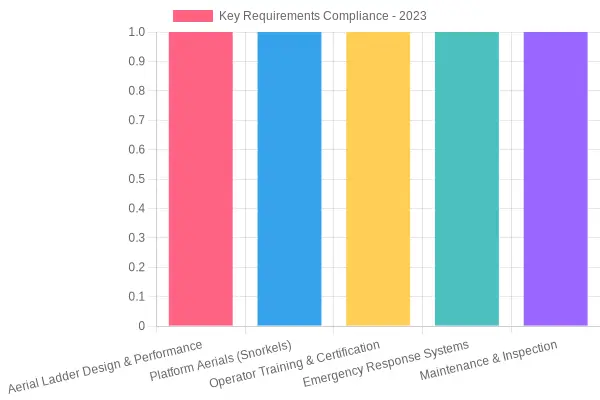
Consistent adherence to these regulations not only ensures compliance, it also protects the lives of your team and the community you serve. For further guidance on aerial fire equipment, consider exploring options such as Ladder Fire Trucks and Platform Fire Trucks.
Market Trends in Fire Safety Equipment
The fire safety equipment market is experiencing substantial growth, particularly in the segment of aerial elevator fire trucks. This growth is driven by rising urbanization, increased construction of high-rise buildings, and stringent safety regulations. In 2024, the market for aerial platform fire trucks is projected to reach USD 1.5 billion, with an anticipated growth to USD 2.2 billion by 2033, reflecting a compound annual growth rate (CAGR) of 6%.
The chart below illustrates the projected market value of fire safety equipment:

Key Growth Trends in Aerial Elevator Fire Trucks:
- Urbanization: Rapid urban development is increasing the demand for advanced aerial fire trucks.
- Safety Innovations: The integration of advanced technologies such as AI and smart monitoring systems is shaping the future of firefighting equipment.
- Regulatory Demands: Stricter regulations require fire departments to adopt more sophisticated and versatile equipment.