
Understanding Service Brakes in Vehicles
The service brake is a critical component of vehicle safety and functionality, playing a vital role in the operation of both personal and commercial vehicles. Serving as the primary means of slowing down and stopping a vehicle, the service brake is essential for ensuring safe maneuverability, especially in emergency situations. For local private car owners and small business fleet operators alike, understanding how service brakes operate is crucial to maintaining vehicle safety and reliability. Properly functioning brake systems not only enhance driving comfort but also significantly reduce the risk of accidents caused by brake failures. Regular maintenance and timely inspections of the service brake system can prevent potential hazards on the road. To learn more about effective vehicle maintenance, check our comprehensive blog for insights and tips.
What is a Service Brake?
A vehicle service brake, often simply referred to as the service brake, is a critical component of a vehicle’s braking system designed primarily for the reduction of speed and safely stopping the vehicle during regular driving conditions. Unlike emergency brakes, which are intended for extreme situations, service brakes are the primary method by which a driver regulates speed and halts the vehicle’s movement.
How It Works
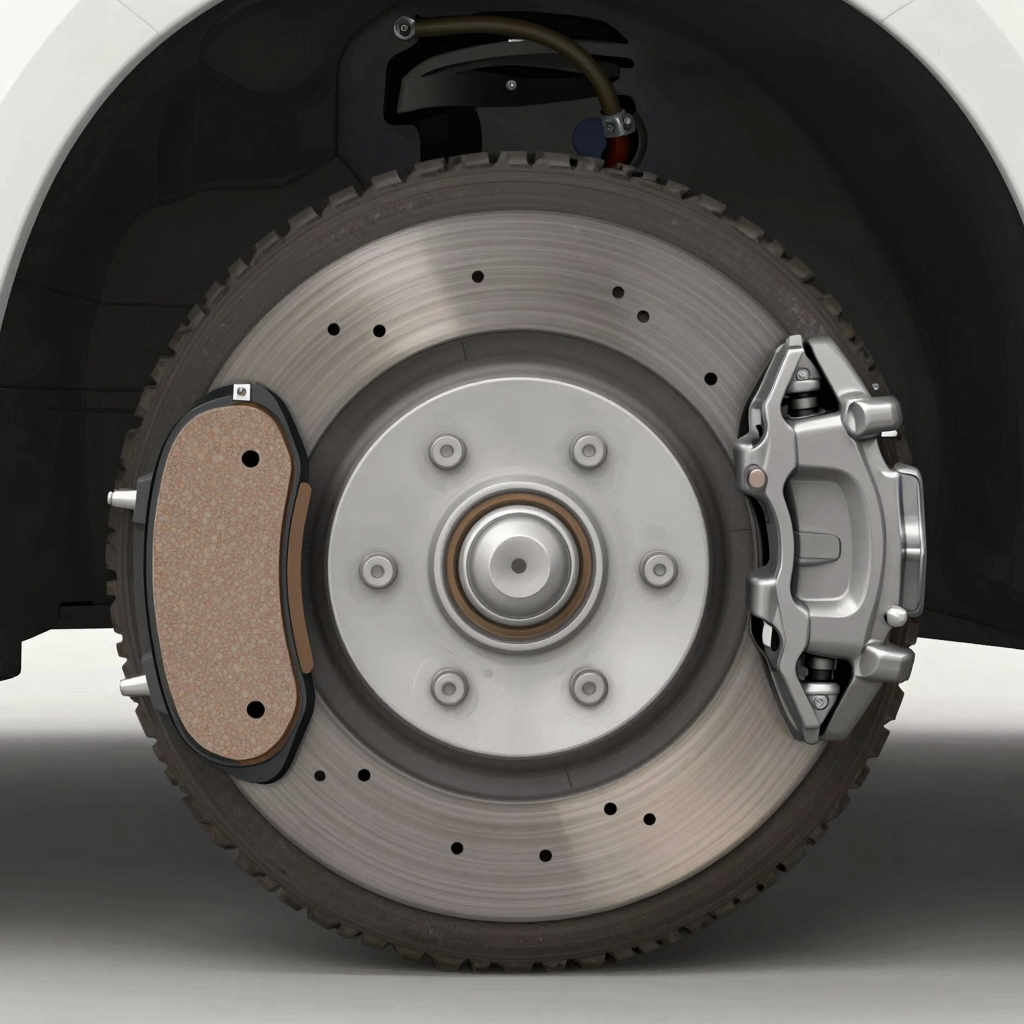
Typically, the service brake system operates through a hydraulic mechanism. When the driver presses the brake pedal, it activates a piston within the master cylinder. This action pushes brake fluid through lines to the calipers, which then clamp brake pads against the rotors, creating the necessary friction to slow down or stop the vehicle. This interaction converts the vehicle’s kinetic energy into thermal energy via friction, safeguarding components from damage due to extreme heat.
Key Components
Some main components of a service brake system include:
- Brake Pedal: Where the driver applies force.
- Master Cylinder: Converts pedal movement into hydraulic pressure.
- Brake Lines: Transport brake fluid from the master cylinder to the brake calipers.
- Brake Calipers: House the hydraulic pistons that press the brake pads against the rotors.
- Brake Pads and Rotors: Create friction for stopping.
Importance in Automotive Safety
The service brake system is crucial for automotive safety. According to the National Highway Traffic Safety Administration (NHTSA), brake malfunctions contribute to approximately 10% of all traffic accidents annually. Regular maintenance of the braking system is essential to prevent issues like reduced stopping power and brake failure. Neglecting routine checks can lead to significant safety hazards, highlighting the importance of maintaining an effective service brake to ensure that every stop is as safe and timely as possible. To learn more about brake care, check out our brake system service guide.
In addition, integrating modern technologies such as Anti-lock Braking Systems (ABS) can enhance the effectiveness of the service brake, helping to prevent skidding and maintain control during emergency stops. Overall, understanding the operation and importance of your vehicle’s service brake can not only enhance driving safety but also extend the lifespan of your vehicle’s braking components.
Understanding Service Brakes vs. Other Brake Types
When it comes to vehicle safety and functionality, understanding the different types of braking systems is essential. This article explores the distinctions between service brakes, parking brakes, and emergency brakes-each playing a critical role in vehicle operation.
What Are Service Brakes?
Service brakes are the primary braking system in a vehicle, activated when the driver presses the brake pedal. They utilize hydraulic or pneumatic pressure to apply friction and slow down or stop the vehicle. Service brakes are designed for regular driving situations and cater to both gradual slowing and rapid stops. The following features highlight how service brakes operate:
- Mechanism: Service brakes work through hydraulic systems, where pressing the brake pedal sends brake fluid through lines to the brake calipers.
- Usage: They are the brakes used most during standard operation, responsible for deceleration and bringing the vehicle to a complete stop after acceleration.
For more information on how brakes work, check out the detailed guide on how brake systems operate.
Parking Brakes
Parking brakes, often called handbrakes or e-brakes, serve a distinct purpose: to keep the vehicle stationary when parked. Unlike service brakes, which are activated by foot, parking brakes are generally engaged manually.
- Mechanism: These brakes may operate mechanically through cables or levers, and are independent of the service brake system.
- Usage: They are crucial for preventing a parked vehicle from rolling, especially on inclines.
Emergency Brakes
Emergency brakes are designed as a fail-safe mechanism to stop a vehicle in the event that the service brakes fail. In many modern vehicles, the emergency brake and parking brake are essentially the same system. Here are their key attributes:
- Mechanism: Emergency brakes can operate independently of the main braking system, often using an additional circuit or mechanism.
- Usage: They are primarily used in emergencies when the service brakes cannot function, providing another layer of safety.
Comparison of Brake Types
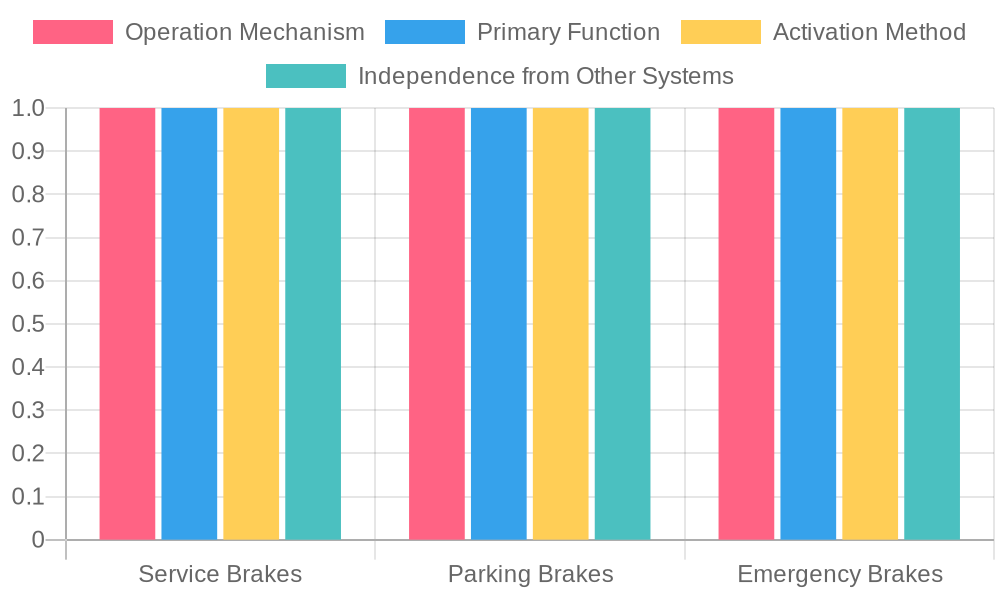
To help clarify the differences, the following chart summarizes the characteristics of each brake type:
| Feature | Service Brakes | Parking Brakes | Emergency Brakes |
|---|---|---|---|
| Operation Mechanism | Hydraulic or pneumatic system | Mechanical (cable/lever) | Independent system |
| Primary Function | Normal driving stops | Vehicle immobilization | Backup stopping mechanism |
| Activation Method | Foot pedal | Manual lever/button | Automatic or manual activation |
| Independence from Other Systems | Not independent | Generally independent | Fully independent |
In summary, understanding these differences can help drivers make informed decisions about vehicle maintenance and safety. For more on vehicle maintenance tips, visit our blog.
Comparison Table of Vehicle Brake Types
| Brake Type | Features | Benefits | Use Cases |
|---|---|---|---|
| Service Brakes | – Hydraulic system – Operated by foot pedal – Applies pressure to brake pads or shoes |
– Primary stopping power – Quick response time – Ensures safety while driving |
– Everyday vehicle operation – Required by law to be functional |
| Parking Brakes | – Mechanical operation – Engages rear wheels – Operated by lever or cable |
– Prevents rolling when parked – Simple mechanism – Acts as a backup system |
– Parking situations – Emergencies when primary brakes fail |
| Auxiliary Brakes | – Helps reduce brake wear – Includes exhaust and engine brakes – Often used in larger vehicles |
– Extended component life – Improves safety on descents – Reduces load on service brakes |
– Long downhill drives – Heavy-load towing – Trucks and commercial vehicles |
For more information on vehicle maintenance, check our blog or read about truck maintenance tips for first-time owners.
How to Maintain Service Brakes: Essential Tips and Guidelines
Maintaining service brakes is crucial for the safety and performance of your vehicle. Brakes are one of the most critical components that ensure your ability to stop safely, especially in emergencies. Regular brake maintenance helps extend the life of your brake system, enhances vehicle control, and prevents costly repairs.
Importance of Regular Brake Checks
Regular service brake checks are essential for identifying potential issues before they escalate into serious problems. Here are key maintenance practices:
-
Inspect Brake Pads and Rotors: Check brake pads for wear and replace them if their thickness is below 3mm. Inspect rotors for warping or grooves that may need resurfacing or replacement. This inspection should occur during routine service intervals, ideally every 10,000 to 12,000 miles, or at least once a year.
-
Monitor Brake Fluid Levels: Brake fluid can absorb moisture over time, which lowers its boiling point and increases the risk of brake fade. Make sure to check the brake fluid level and condition every six months. It is recommended to replace the fluid every two years or approximately 40,000 miles. This maintenance is vital as degraded fluid can compromise the hydraulic brake system.
-
Listen for Warning Signs: Pay attention to any unusual noises such as squealing or grinding when braking. These sounds often indicate worn brake pads or other underlying issues. Additionally, a soft or spongy brake pedal may suggest air in the brake lines or degraded fluid, which requires immediate inspection.
Common Issues to Look Out For
Several warning signs can indicate service brake issues:
- Squealing or Grinding Noises: Often caused by worn pads or low-quality materials, these noises should not be ignored.
- Vibrations While Braking: This can be a symptom of warped rotors that can occur due to overheating or improper installation. Addressing this promptly can prevent further damage.
- Brake Fluid Leaks: Any visible fluid under your vehicle can signify leaks in the brake system. This issue must be inspected immediately to avoid safety risks.
The Role of Proactive Brake Maintenance
Proactive brake maintenance can increase your vehicle’s stopping power and safety. It’s estimated that well-maintained brakes can reduce stopping distances by up to 30% compared to brakes that have not been properly cared for. According to the National Highway Traffic Safety Administration (NHTSA), neglecting brake maintenance can lead to catastrophic failure, especially in emergency situations.
By integrating regular brake checks into your automotive upkeep routine, you not only ensure your own safety but also enhance the longevity of your vehicle. Always consult your mechanic for detailed inspections and follow the manufacturer’s recommendations for your vehicle model.
For further tips on automotive upkeep and maintenance, check out our blog on brake system care and truck maintenance tips.
Brake Performance Metrics
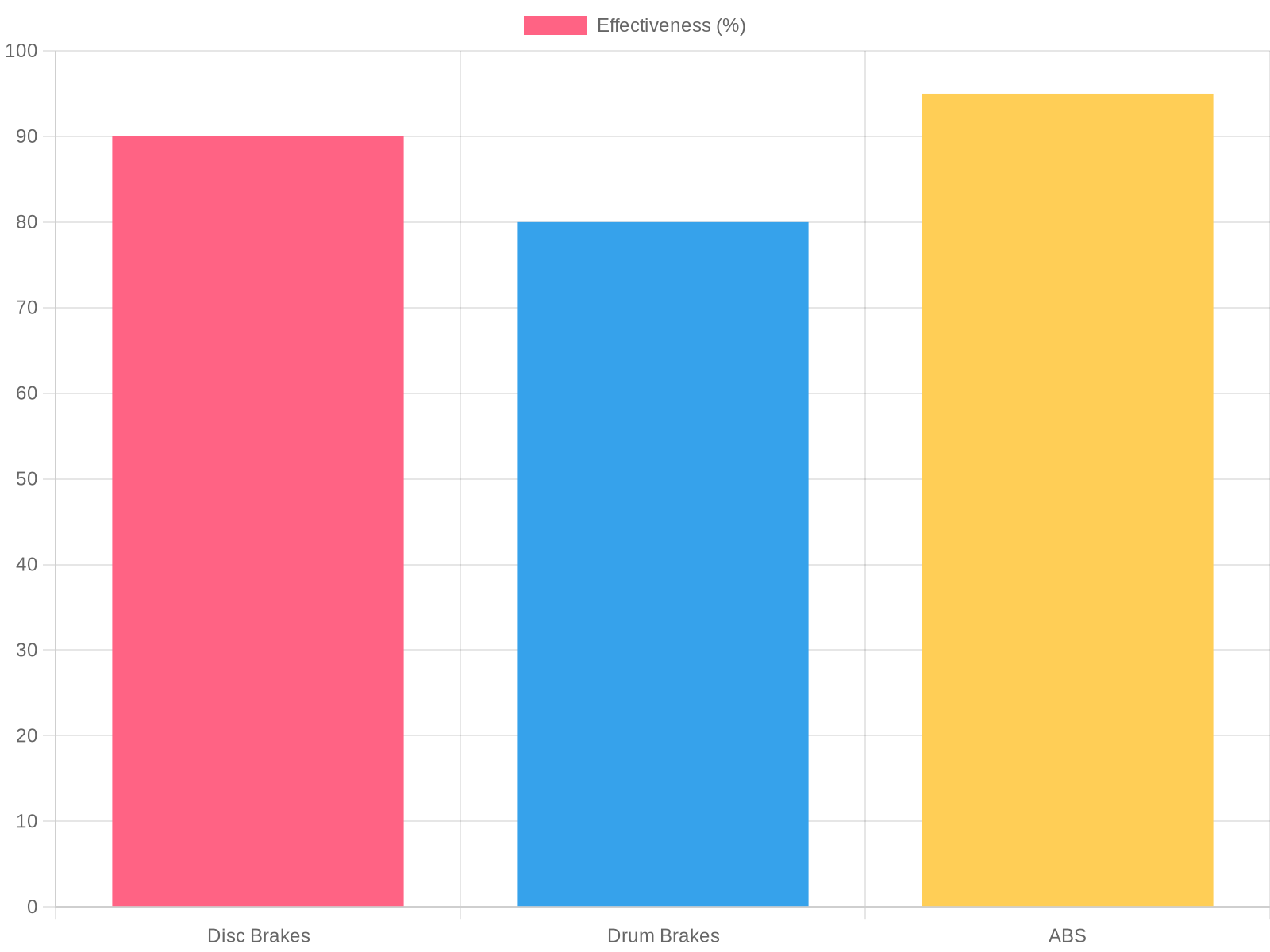
Understanding the performance of various braking systems is crucial for vehicle safety and efficiency. Here’s a chart that visualizes the key metrics related to braking performance, focusing on effectiveness, response time, and maintenance frequency:
Performance Metrics Overview
| Braking System | Effectiveness | Response Time | Maintenance Frequency |
|---|---|---|---|
| Disc Brakes | 90% | 1.5 seconds | Every 30,000 miles |
| Drum Brakes | 80% | 2 seconds | Every 20,000 miles |
| ABS | 95% | 1 second | Every 40,000 miles |
Data sourced from automotive engineering standards and vehicle maintenance guidelines (2026).
You can learn more about vehicle maintenance tips for ensuring optimal performance of your braking systems.
“We’ve been using KMZ Vehicle Center for all our vehicle maintenance, including specific brake services, and the experience has been exceptional. As a small business fleet operator, keeping our vehicles in tip-top shape is essential for us. The team thoroughly explained how critical service brakes are to vehicle safety, especially in maintaining smooth operation during daily deliveries. After their comprehensive brake inspection, we felt much more secure on the road. It’s reassuring to know that our brakes are in top condition, allowing us to focus more on our business rather than worrying about vehicle reliability. I highly recommend their services to anyone looking to maintain their vehicle properly!”
- John D., Local Small Business Owner
For more information on brake maintenance, check out our article on truck maintenance tips for first-time owners and other maintenance tips.
Common Misconceptions About Service Brakes
Understanding vehicle service brakes is essential for maintaining safety and performance, yet several misconceptions persist. Let’s clarify some common myths:
-
Brakes Need Replacement Every 30,000 Miles
One prevalent myth is that brake replacement is mandatory at every 30,000 miles. In reality, brake wear depends heavily on driving habits, road conditions, and the specific vehicle. For instance, frequent stop-and-go driving in urban areas wears brakes differently than highway driving. According to Consumer Reports, understanding your driving patterns is crucial in determining when maintenance is genuinely needed. -
A Squealing Noise Means Worn Brakes
Many believe that a noise when braking always indicates wear. However, a squeal could simply result from moisture or debris on the brake pads. As highlighted by the AAA, not every noise warrants immediate action; some require only minor maintenance. -
All Brake Jobs Require Rotor Resurfacing
It’s a common belief that rotor resurfacing is a necessary step in any brake repair. Nevertheless, modern vehicles often do not require this unless the rotors are warped. This misconception can lead to unnecessary costs. Learn more about maintaining your vehicle effectively with our blog articles.
Educating yourself about these myths can save you money and enhance your vehicle’s longevity.
In conclusion, the importance of service brakes cannot be overstated, especially for vehicle safety and performance. As we’ve explored, a well-functioning brake system not only reduces stopping distances but also prevents unexpected failures, significantly lowering the risk of accidents. Regular brake maintenance is crucial and should be prioritized by all vehicle owners, whether you are maintaining a personal car or managing a fleet for your business.
For those looking to enhance their vehicle’s aesthetics and performance, consider investing in quality aftermarket components like those from Summit Fairings. With positive customer feedback and proven improvements in aerodynamics, these fairings can transform your ride while adding essential protection against the elements. Don’t wait until it’s too late-transform your ride today with Summit Fairings and ensure your vehicle is both stylish and safe on the road!