
Introduction to Vehicle Service Centers
A vehicle service center is an essential facility that focuses on the maintenance and repair of automobiles, catering specifically to the needs of private car owners as well as fleet operators. These centers play a vital role in ensuring the longevity and performance of vehicles, providing numerous services that range from routine maintenance tasks like oil changes and tire rotations to more extensive repairs involving engine diagnostics and electrical system troubleshooting. For private individuals, regular visits to a service center not only help maintain their vehicle’s optimal condition but also enhance road safety and improve fuel efficiency.
For small businesses with fleet vehicles, the importance of a reliable service center cannot be overstated. Effective vehicle management ensures that a fleet operates smoothly, minimizes downtime, and ultimately reduces operational costs. By engaging with a reputable service center like KMZ Vehicle Center, fleet managers can implement tailored maintenance strategies to extend vehicle life and maintain productivity. Whether it’s addressing crucial issues like brake problems diagnosis or scheduling routine preventive maintenance, these services are indispensable to both car owners and businesses alike.
A Brief History of Vehicle Service Centers
The evolution of vehicle service centers has been a crucial aspect of the automotive industry, adapting over decades to cater to the diverse needs of car owners and businesses alike.
Early Beginnings (1890s-1920s)
The automotive service industry began in the late 19th century with the advent of the automobile. Initially, vehicle maintenance was a low-key practice, often performed by blacksmiths or wagon makers who transitioned into auto repair. As cars gained popularity in the 1920s, the demand for specialized service centers grew.
The Rise of Specialized Service (1930s-1960s)
By the 1930s, dedicated service centers started to emerge. These establishments were often family-owned and focused on basic maintenance like oil changes and tire repairs. As vehicle technology progressed, the 1950s and 1960s saw a surge in service providers specializing in various aspects of automotive care, including electrical systems and gear mechanisms, reflecting the growing complexity of vehicles.
Expansion and Franchise Models (1970s-1990s)
During the oil crisis of the 1970s, service centers adapted by offering fuel economy services and promoting regular maintenance. The introduction of franchise models (like Jiffy Lube) in the 1980s led to standardized processes and training, resulting in improved customer service. This period also marked the burgeoning presence of diagnostic technology, which allowed for more precise vehicle assessments.
Technological Advancements (2000s-Present)
From the early 2000s to today, vehicle service centers have transformed significantly. The rise of computer diagnostics has changed the landscape, enabling technicians to quickly identify and resolve issues. Modern service centers now often incorporate extensive digital tools for appointment scheduling, service history tracking, and customer communication. The focus has also shifted towards more holistic vehicle care, including eco-friendly practices and sustainability.
Key Milestones in the Automotive Service Industry
- 1893: The first motor vehicle was built, leading to the necessity for maintenance services.
- 1920s: The establishment of the first dedicated automotive service stations.
- 1950s: Introduction of specialized service offerings and training programs for technicians.
- 1980s: Emergence of franchise service centers providing standardized services.
- 2000s: Expansion of technology in diagnostics, leading to efficient repairs and customer interactions.
Conclusion
As the automotive landscape continues to evolve, vehicle service centers are poised to adapt further, integrating advanced technologies and responding to the changing needs of car owners. For private car owners, used car buyers, and small business fleet operators, staying informed about service offerings is crucial for maintaining vehicle longevity and performance. For more related topics, you can learn about optimal oil change intervals or explore trailer maintenance strategies for fleet longevity.

Main Services Offered at Vehicle Service Centers
-
Oil Changes:
-
Regular oil changes are vital for engine health. Most providers recommend changing oil every 3,000 to 7,500 miles depending on the vehicle type and oil used. Learn more about optimal oil change intervals.
-
Tire Services:
-
Tire Rotation: To ensure even tire wear, it’s recommended to rotate tires every 5,000 to 7,500 miles.
-
Tire Alignment: Misalignment can lead to uneven tire wear and handling issues.
-
Tire Replacement: Assessing tread wear and replacing tires as needed.
-
Brake Services:
-
Brake Inspections: Regular assessments to ensure brake pads and discs are in good condition.
-
Brake Fluid Change: Necessary for maintaining optimal braking performance. Learn about brake problems diagnosis.
-
Battery Services:
-
Battery Testing and Replacement: Checking battery health and replacing batteries that show signs of wear.
-
Fluid Changes:
-
Transmission Fluid Change: Important for the automatic transmission’s longevity and performance.
-
Coolant Flush: Ensures the engine runs at the correct temperature and prevents overheating.
-
Filter Replacements:
-
Air Filters: Replacing air filters to improve engine performance and fuel efficiency.
-
Fuel Filters: Routine replacement to ensure clean fuel reaches the engine.
-
Wiper Blade Replacement:
-
Regular checks and replacements to ensure visibility in adverse weather conditions.
-
Engine Diagnostics:
-
Utilizing specialized equipment to diagnose and troubleshoot engine issues.
-
General Inspections:
-
Comprehensive vehicle inspections that may include checks of the suspension, exhaust, and steering systems.
-
AC and Heating Services:
-
Maintenance and repairs of air conditioning systems to ensure comfort during drives.
-
Detailing Services:
-
Services ranging from exterior washes to interior cleaning and waxing.
These services are essential for maintaining vehicle performance and ensuring safety on the road. Regular visits to a service center can help in identifying issues before they escalate into major problems, potentially saving time and money for car owners and fleet operators.
For more tailored advice, consider exploring our truck maintenance tips for first-time owners to keep your vehicle in top shape.
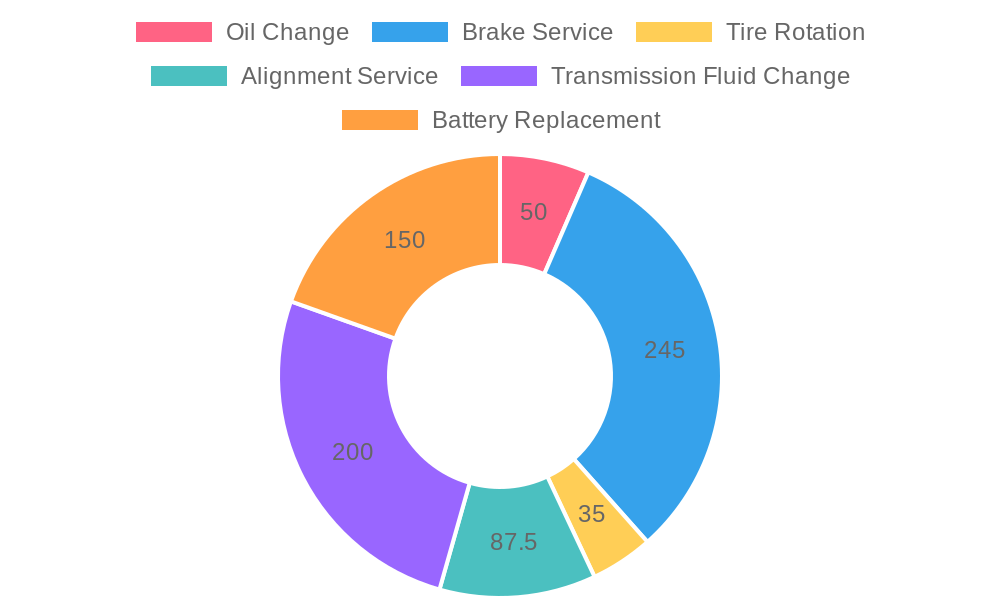
This chart displays the average pricing range of common vehicle services at service centers, helping vehicle owners budget for maintenance effectively.
Benefits of Using a Local Service Center
Choosing a local vehicle service center over a larger chain presents several advantages that resonate particularly well with local private car owners, used car buyers, sellers, and small business fleet operators.
-
Personalized Service
Local service centers often pride themselves on providing personalized service that larger chains may struggle to achieve. In a community-based environment, technicians tend to remember returning customers, allowing for more tailored recommendations and services. This fosters a relationship that enables customers to feel valued and understood. -
Community Support
Supporting local businesses, including vehicle service centers, contributes directly to the community’s economy. When you choose to service your vehicle at a local center, you’re helping to sustain jobs and support local families. According to studies, local businesses reinvest a significant portion of their profits back into the community, which adds to the overall well-being of the area. This sense of community support enhances the connection between the service providers and their customers, creating a favorable atmosphere for both. -
Competitive Pricing
Often, local service centers can offer more competitive pricing than larger chains due to lower overhead costs and a business model focused on customer satisfaction rather than high-volume service. This not only makes car maintenance more affordable for customers but also encourages them to return for future services. Additionally, local centers may have the flexibility to provide special deals or discounts, further enhancing cost-effectiveness.
Conclusion
In summary, choosing a local vehicle service center can lead to better customer service, a stronger sense of community support, and often more cost-effective solutions compared to larger chains. For those interested in extensive knowledge on vehicle upkeep, consider visiting this guide on truck maintenance or exploring oil change intervals for proactive care of your vehicle.
This approach to vehicle maintenance not only helps in keeping your vehicle in top condition but also plays a crucial role in supporting your local economy.
Regular vehicle maintenance is crucial for safety and longevity. Experts emphasize that neglecting service can lead to costly repairs and safety hazards. Choosing a reputable service center ensures that your vehicle receives the right care it needs, performed by qualified professionals. Maintaining your vehicle not only saves money in the long run but also enhances performance and efficiency.
Common Misconceptions About Vehicle Service Centers
1. Service Centers Only Care About Selling You Unnecessary Repairs
Many car owners believe that vehicle service centers are primarily focused on upselling unnecessary services and parts. This misconception can lead to distrust and delay in addressing crucial car maintenance.
Counterpoint: Most reputable service centers prioritize customer trust and long-term relationships over one-time sales. They often conduct inspections to genuinely assess vehicle health and provide maintenance recommendations based on manufacturer guidelines. By investing in preventative maintenance, car owners can often save significant money in the long run by avoiding larger repairs that stem from neglected upkeep.
2. All Service Centers Are Essentially the Same
Another common myth is that all vehicle service centers offer the same level of service regardless of their reputation or experience. This can discourage car owners from researching and choosing a reputable provider.
Counterpoint: Not all service centers have the same expertise, equipment, or integrity. Independent shops, dealership-specific service departments, and national chains can vary widely in their service quality, customer care, and specialization in certain vehicle types. Doing research, reading customer reviews, and looking for certifications (like ASE certification) can help ensure that car owners receive quality service. Checking out resources, such as truck maintenance tips for first-time owners, can further educate owners about finding the right service center.
3. Routine Maintenance Is Too Expensive and Time-Consuming
Many individuals believe that maintaining their vehicle regularly is too costly and will consume too much of their time. This myth can lead to postponing essential services such as oil changes, brake inspections, and tire rotations.
Counterpoint: While there may be an upfront cost associated with regular maintenance, it generally costs much less over time compared to waiting for significant repairs. Additionally, many service centers offer quick and efficient services; often, routine maintenance can be completed in under an hour. This can be a small time investment for a large return in vehicle longevity and safety. Do consider reading about optimal oil change intervals to help plan maintenance efficiently.
Conclusion
Understanding these misconceptions can empower car owners and fleet operators to seek necessary maintenance with confidence. Choosing a reputable vehicle service center is important for ensuring vehicle longevity while maintaining safety on the road. By debunking these myths, we can foster a culture of proactive car maintenance that ultimately saves money and enhances the driving experience.
Tips for Choosing the Right Vehicle Service Center
1. Check Certifications and Credentials
- Ensure the service center employs certified technicians.
- Look for certifications from organizations such as the National Institute for Automotive Service Excellence (ASE).
2. Read Reviews and Ask for Recommendations
- Seek recommendations from friends, family, or online platforms.
- Review sites like Yelp or Google Reviews can provide insights into the service quality.
3. Inquire About Warranties and Guarantees
- A reputable service center should offer warranties on parts and labor.
- This protects you in case of future issues after the service.
4. Evaluate Customer Service
- Visit the service center to assess the friendliness and knowledge of the staff.
- A welcoming environment and willingness to answer questions indicate good customer care.
5. Request a Detailed Estimate
- Obtain a written estimate before work begins, detailing parts and labor costs.
- This helps avoid surprises on your final bill and ensures transparency.
6. Consider Specializations
- If you drive a specialized vehicle (e.g., trucks, luxury cars), check if the service center has experience with your specific make and model.
- Some centers may specialize in certain types of repairs, which can provide an added level of confidence in the services provided.
By following these tips, both private car owners and fleet operators can make informed decisions when selecting a service center that meets their needs. For further reading on vehicle maintenance, consider checking out our article on truck maintenance tips for first-time owners and learn how to ensure your vehicle stays in top condition.
With these guidelines, you can better navigate the process of selecting a trustworthy vehicle service center, ensuring your vehicle remains reliable and safe on the road.
Conclusion
In conclusion, vehicle service centers play a crucial role for both private car owners and small business fleet operators. Regular maintenance is vital in ensuring vehicle reliability, safety, and efficiency. For car owners, frequent maintenance checks can prevent costly repairs in the long run and enhance vehicle performance. Small businesses that operate fleet vehicles benefit substantially from established service centers by ensuring minimal downtime and compliance with safety regulations. Utilizing local service providers fosters community support and often provides personalized service tailored to specific needs.
Furthermore, establishing a routine maintenance schedule can significantly extend the life of a vehicle, boost fuel efficiency, and improve overall safety on the road. Small business operators can also optimize their operational costs by avoiding unexpected breakdowns through regular maintenance practices.
We encourage our readers to take advantage of local resources for their vehicle maintenance needs. Consider Summit Fairings for your motorcycle accessory needs, where you can find a range of high-quality products that enhance your riding experience.
This approach not only supports local businesses but also ensures that your vehicles remain in top shape for your daily endeavors.