Introduction to Servicing Electric Vehicles
As electric vehicles (EVs) surge in popularity among local car owners, understanding the maintenance required to keep them running smoothly becomes paramount. Unlike traditional combustion engines, EVs come with unique components and technology that require specialized care. Regular servicing not only enhances vehicle efficiency but also prolongs the lifespan of essential parts, ensuring that your EV performs optimally. By staying on top of your vehicle’s maintenance needs, you play a crucial role in maximizing the vehicle’s performance and efficiency, contributing to a healthier environment while enjoying the benefits of reliable transport. Whether you’re a used car buyer, a small business fleet operator, or simply a private car owner, recognizing the necessity of EV servicing is the first step toward ensuring top performance and longevity. For tips on maintaining various vehicle types, including trucks, you can check out our maintenance tips for first-time truck owners and learn how to organize your first-time maintenance records in our helpful guide.
Common Servicing Needs for Electric Vehicles
Electric vehicles (EVs) require less maintenance compared to traditional combustion engine vehicles; however, they still have specific servicing requirements that are essential for optimal performance and safety. Here’s a breakdown of common servicing needs for electric vehicles:
-
Battery Maintenance: Regularly monitor battery health and ensure that the charge level stays between 20% and 80% to prolong battery life. Follow manufacturer recommendations for charging practices, especially avoiding frequent fast charging under unfavorable conditions (read more on battery maintenance).
-
Tire Checks: Routine tire inspections and rotations are necessary every 5,000 to 7,500 miles to ensure even wear. Proper alignment is also crucial for maximizing range and tire lifespan (details on tire care).
-
Brake System Inspection: Even though regenerative braking usually reduces brake wear, it’s important to check brake pads and fluid periodically to maintain performance and safety.
-
Software Updates: Keeping the vehicle’s software current is vital for efficiency and safety features, as updates often enhance performance and fix known issues.
-
Charging Port and Cables Inspection: Clean and inspect the charging port regularly to avoid corrosion and ensure optimal charging efficiency.
-
Cooling System Maintenance: Check the coolant levels of the battery and power electronics, as efficient cooling is crucial for battery longevity.
-
Annual Comprehensive Check-Up: Many manufacturers recommend a detailed inspection every 2 to 3 years, which may include testing the drivetrain and battery performance (learn more about EV servicing).
By regularly attending to these servicing needs, EV owners can ensure their vehicles operate smoothly and efficiently for years to come.
Importance of Battery Maintenance in Electric Vehicles
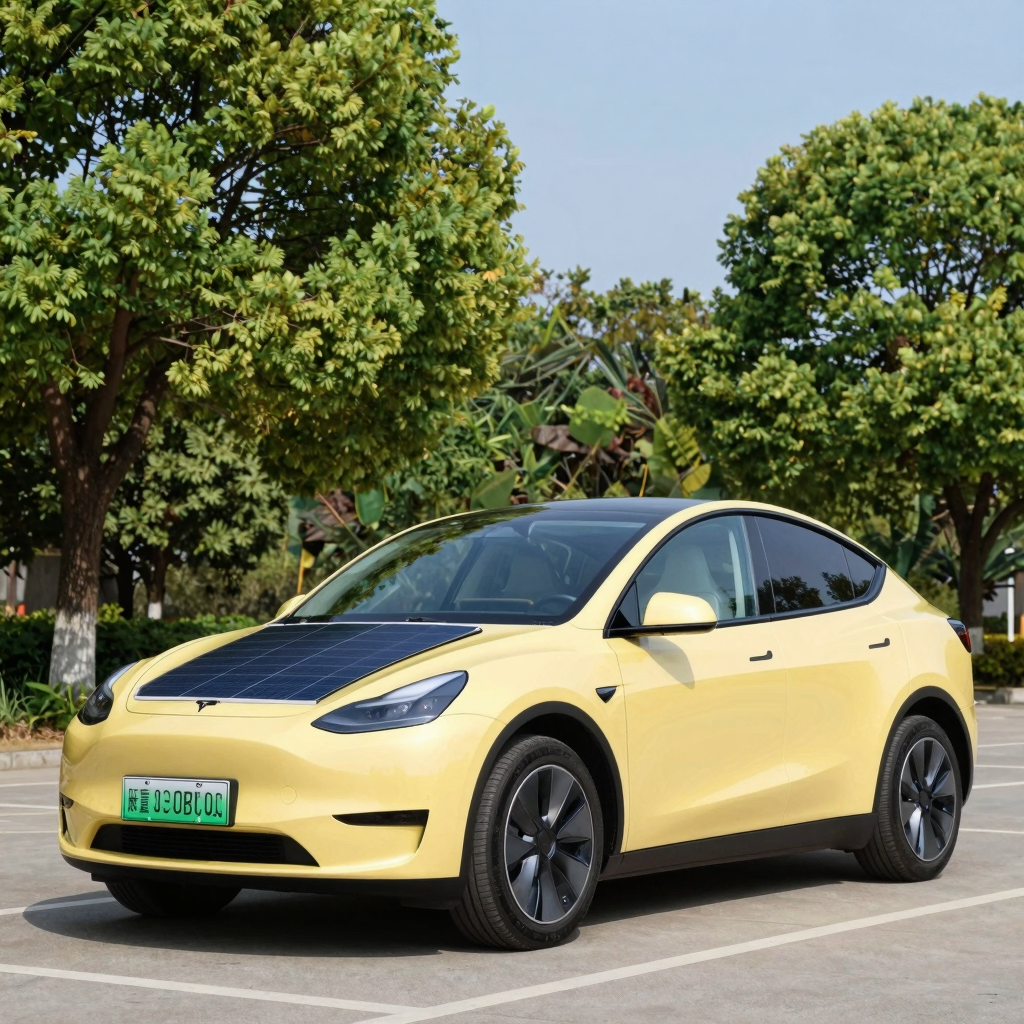
Electric vehicle (EV) batteries are the heart of the vehicle, providing the power needed for acceleration and range. Understanding the importance of battery health is crucial to ensure longevity and optimal performance. With an average lifespan of 8 to 15 years, or approximately 200,000 to 300,000 miles, the maintenance of these batteries is essential for every EV owner (CleanTechnica). Proper care can significantly extend battery life and performance, minimizing the need for costly replacements.
Tips for Keeping Batteries in Optimal Condition
To maintain your electric vehicle battery effectively, consider the following tips:
- Charge Levels: Keep the battery charge between 20% and 80% for daily use. Avoid regularly charging to 100% or allowing it to drop below 10% (Consumer Reports).
- Use Level 2 Chargers: Whenever possible, utilize Level 2 (7kW) chargers to reduce stress from fast charging, which should be limited to no more than three times per month.
- Temperature Control: Store your EV in climate-controlled environments when possible. Extreme temperatures (hot or cold) can lead to accelerated degradation (Tesla Blog).
- Regular Maintenance Checks: Schedule annual inspections with a certified technician to detect any issues early and keep the battery management system updated. Regular monitoring helps ensure battery capacity remains close to the original levels.
Expected Lifespan and Replacement Tips
The projected average lifespan of an EV battery ranges from 8 to 15 years with proper maintenance. Most batteries degrade at a rate of only 2.3% per year, allowing many vehicles to retain over 80% capacity after 8 years (U.S. Department of Energy). When the battery’s health drops below 70%, it might be time for a replacement. Many manufacturers offer warranties covering degradation, providing peace of mind to owners.
Practical Advice for Vehicle Owners
- Always keep your EV’s battery in the optimal charging range and avoid extreme usage patterns like rapid acceleration and harsh braking, which can increase thermal stress.
- For long-term storage, maintain the battery at around 50% charge and recharge every two weeks to prevent deep discharge.
- If you notice significant degradation in battery capacity, consult your manufacturer about warranty coverage and potential replacement options.
Maintaining the health of your EV’s battery not only ensures better range and performance but can also save you from significant costs in battery replacements in the long run. For more insights on maintenance best practices, explore our extensive vehicle servicing guides at KMZ Vehicle Center.
Tire Care for Electric Vehicles
Maintaining tire health is crucial for electric vehicles (EVs) due to their unique weight distribution and energy efficiency considerations. Proper tire care not only enhances driving safety but also optimizes the performance and longevity of these vehicles.
Importance of Tire Pressure Checks
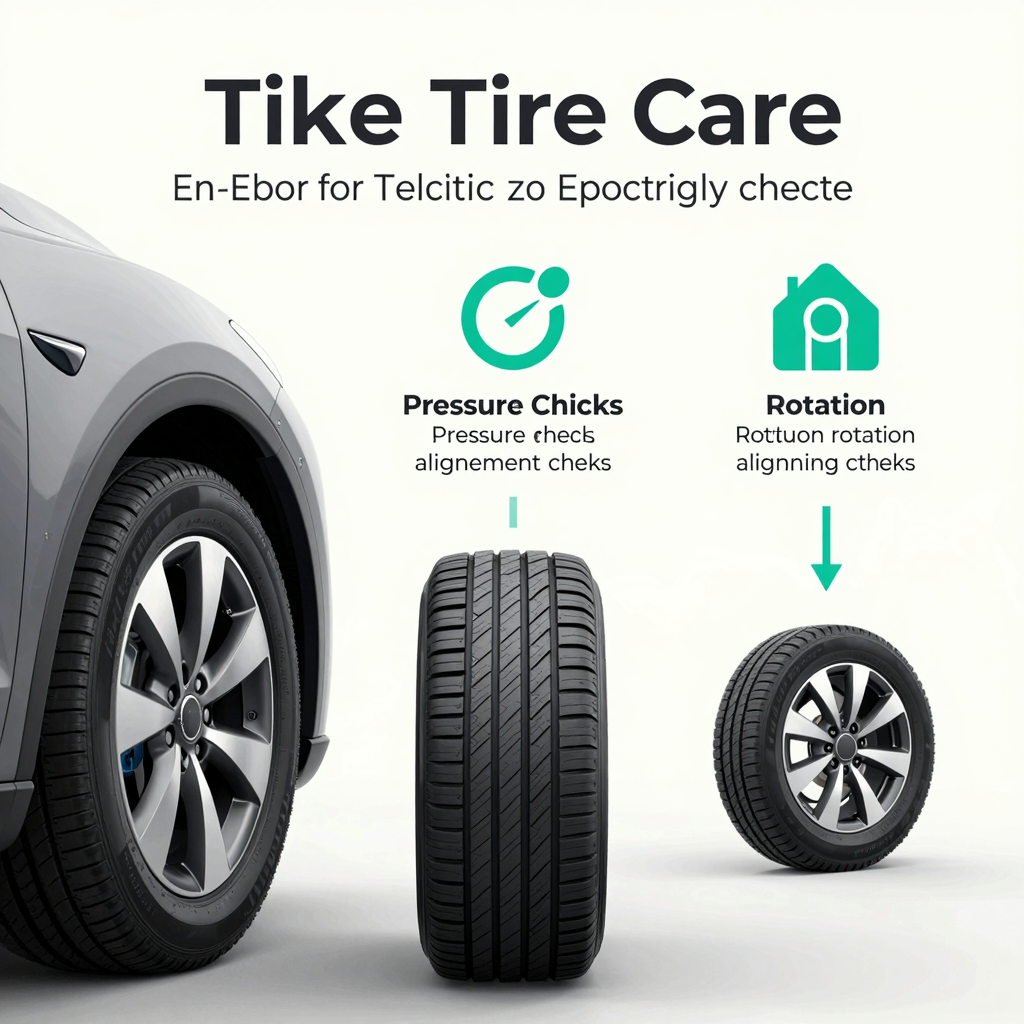
Electric vehicles often weigh more than their gasoline counterparts due to the heavy battery packs, which can exert additional strain on tires. Regular checks of tire pressure are essential as under-inflated tires can lead to increased energy consumption-studies show that low tire pressure can increase energy use by up to 4%. For EVs, recommended tire pressure typically ranges between 32-36 psi (2.2-2.5 bar), tailored by manufacturer specifications. Regular monitoring, at least once a month or prior to long trips, is advisable to maintain optimal performance and fuel efficiency.
Alignment and Tire Rotation
Proper wheel alignment is crucial for EV maintenance. Misalignment can result in uneven tire wear, diminished handling, and increased rolling resistance. Alignments should be checked every 10,000 miles or whenever tires are rotated. It is also recommended that tires be rotated every 5,000 to 7,500 miles. This process helps in ensuring even wear across all tires, which is particularly important for preserving the handling characteristics of an EV.
Rotation Schedules
A consistent rotation schedule supports the durability of tires. Patterns of rotation might differ based on the vehicle’s drive system (front-wheel, rear-wheel, or all-wheel drive). For EVs, a common practice is to rotate tires every 6 months or every 6,000 to 8,000 miles to prevent issues related to performance and grip, especially during adverse weather conditions.
In conclusion, regular tire maintenance, indicated by consistent pressure checks, alignment, and rotation schedules, is vital for electric vehicle owners. These preventive measures not only enhance safety but also contribute to the efficient operation of the vehicle, making tire care an essential aspect of EV upkeep. For more detailed car maintenance tips, learn more here and explore how to manage tire issues effectively.
Maintenance Status Indicators for Electric Vehicles
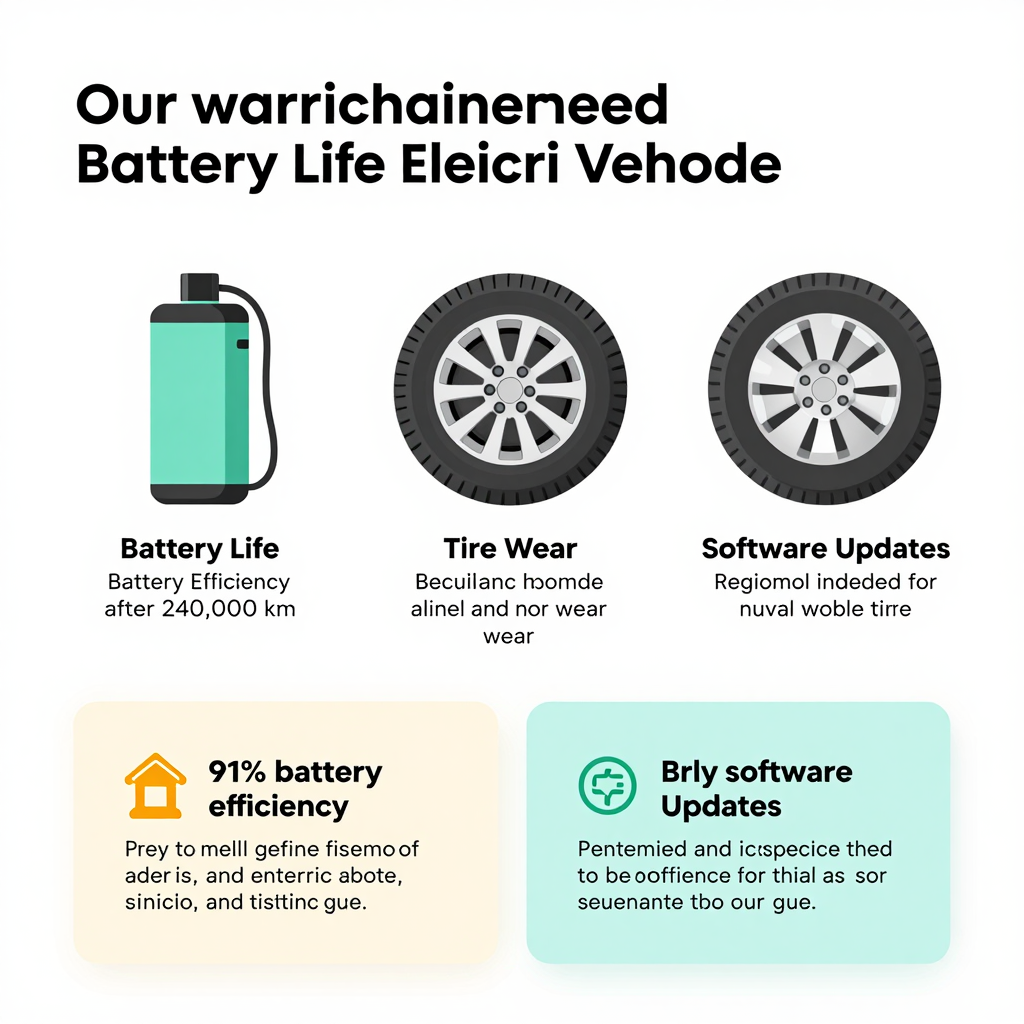
When it comes to servicing electric vehicles (EVs), understanding maintenance status indicators is essential for ensuring optimal performance. Here’s a comparison table highlighting key factors like battery life, tire wear, and software updates.
| Indicator | Detail | Recommended Maintenance |
|---|---|---|
| Battery Life | 91% capacity retained after 240,000 km | Regular battery health checks, like measuring voltage and charge cycles. |
| Tire Wear | Minimum tread depth of 3.2 mm recommended for safety | Monitor tire pressure regularly and rotate tires every 6,000 to 8,000 km. |
| Software Updates | Continuous updates improve vehicle efficiency and safety | Schedule regular updates and check for new software releases often. |
Understanding these indicators will help local private car owners, used car buyers, and small business fleet operators maintain their electric vehicles effectively. Learn more about EV maintenance. Additionally, for tire maintenance tips, check this guide.
The Importance of Software Updates for Electric Vehicles
Software updates are paramount for electric vehicles (EVs) as they enhance not only performance but also safety features and overall user experience. In an era where vehicles are becoming progressively reliant on sophisticated technology, regular software updates ensure that these systems function optimally and are secure from potential threats.
Enhanced Performance and Features
Through over-the-air (OTA) updates, EV manufacturers can remotely improve the performance of their vehicles without requiring physical visits to service centers. These updates can include tweaks to battery management systems, which can enhance efficiency and prolong the lifespan of the battery. For example, Tesla frequently issues updates that improve vehicle navigation, enhance safety features, and even add entirely new functionalities.
One notable update from Volvo, detailed in an article published on April 17, 2026, introduced new features such as an adjustable automatic start-stop system and expanded voice assistant capabilities. These enhancements not only improve driving dynamics but also enhance the vehicle’s safety and comfort for its users.
Security and Safety Improvements
The importance of software updates extends to maintaining the security of the vehicle. Cybersecurity threats are a growing concern in the automotive industry, and manufacturers regularly release patches to counteract potential vulnerabilities. For instance, Polestar vehicles receive updates that address various system vulnerabilities while enhancing features such as cabin climate control and door locking mechanisms.
Real-World Examples
Recent updates showcase how impactful software improvements can be for the end-user experience:
- Tesla China rolled out the 2026.8.3.6 update, which optimized vehicle braking and introduced smoother deceleration features, enhancing the driving experience and safety (source).
- Volvo Cars launched major updates for multiple models that improved navigation and added customizable features for user convenience (source).
Overall, keeping your EV updated is not just about enjoying the latest features; it also involves ensuring that your vehicle continues to perform safely and efficiently. Regular software updates help extend the life of an electric vehicle while promoting a safer driving environment. Therefore, car owners should prioritize scheduling these updates as part of their servicing routine to enjoy the full benefits of modern electric vehicles.
Recommended Servicing Timelines for Electric Vehicle Components
Understanding the maintenance needs of your electric vehicle (EV) is crucial for longevity and optimal performance. Below is a chart that outlines the recommended servicing timelines:
| EV Component | Recommended Service Interval |
|---|---|
| Battery Check | Annually |
| Tire Rotation | Every 5,000 to 7,500 miles |
| Software Updates | Every few months (immediately upon release) |
| Brake Inspection | Every 15,000 to 30,000 miles |
| Charging System Check | Every 15,000 to 30,000 miles |
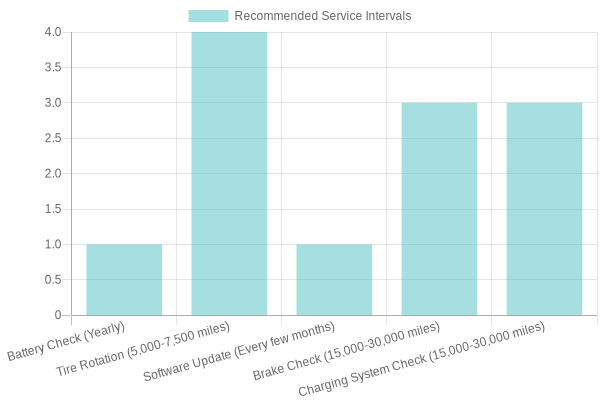
Source: U.S. Department of Energy, Consumer Reports, Electrify America.
By adhering to these timelines, you can help ensure that your electric vehicle runs smoothly and efficiently. For more detailed maintenance guidance, consider exploring this article on EV maintenance.
Additionally, remember that timely battery checks and software updates greatly enhance performance and safety – don’t delay in taking care of these crucial components!
Conclusion
In conclusion, the servicing requirements for electric vehicles (EVs) are crucial for ensuring their optimal performance and safety. Regular maintenance of components such as the battery, thermal management system, and regenerative braking system is essential to prevent potential issues and prolong the lifespan of the vehicle. Some key points to take away include:
-
Routine Inspections: Just like traditional vehicles, EVs require routine inspections. This includes checking battery health, brake conditions, and software updates to enhance performance and address any malfunctions promptly.
-
Battery Maintenance: As the heart of an electric vehicle, the battery must be monitored for charge levels, temperature control, and overall health to avoid unexpected failures. Regular checks can help in identifying any significant degradation early on, promoting longevity.
-
Regenerative Braking System: The regenerative braking system in EVs is designed to recapture energy. Regularly ensuring its proper function not only enhances efficiency but also extends the life of the braking components.
-
Thermal Management: The cooling systems that keep the vehicle’s battery at an optimal temperature are critical. An efficient thermal management system prevents overheating and associated risks, which can be detrimental to performance.
For electric vehicle owners and operators, staying on top of these servicing tasks is not just about following manufacturer guidelines; it’s about investing in the vehicle’s future. Regular maintenance can yield long-term savings by enhancing performance, extending vehicle longevity, and ensuring safety on the road. If you’d like to delve further into vehicle maintenance practices, learn more about electric vehicle servicing and understand your EV’s service schedule. By prioritizing these servicing needs, you can keep your electric vehicle in peak condition for years to come.
Enhance Your Ride with Summit Fairings
As you explore the essential servicing requirements for your electric vehicle, consider how you can also enhance its performance and aesthetic appeal. One unique way to achieve this is by investing in custom-fit fairings from Summit Fairings. These high-quality, tailored fairings not only improve the visual aspect of your vehicle but also optimize aerodynamic efficiency, leading to better performance and energy savings.
Whether you’re looking to make a statement or improve your vehicle’s handling, custom fairings are an excellent choice. Visit Summit Fairings today to find the perfect fit for your ride and elevate your driving experience!
Buying into such enhancements can be a game-changer, especially for small business fleet operators looking to present a professional image. Don’t miss this opportunity to upgrade your vehicle’s look and performance.
Explore the options available through Summit Fairings and take your ride to the next level!