The Critical Importance of Vehicle Servicing
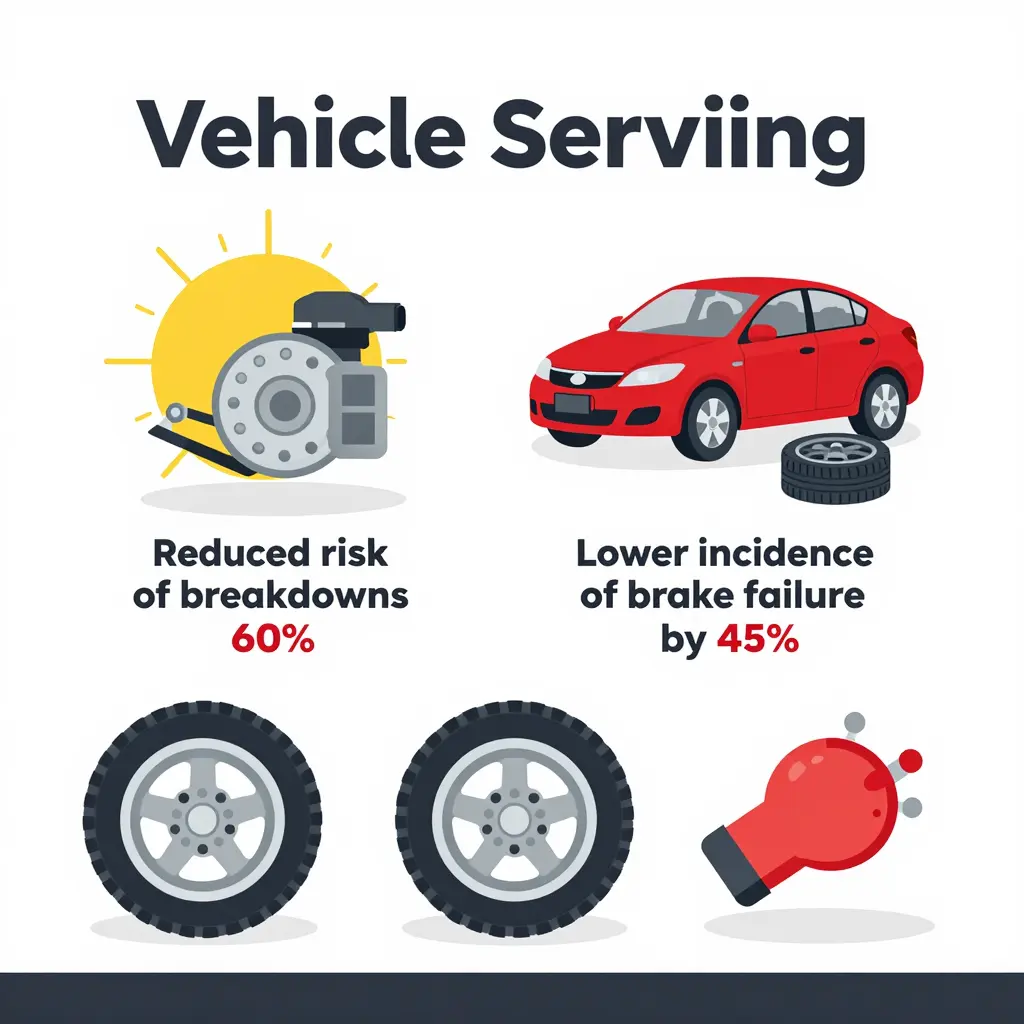
In today’s fast-paced world, the importance of maintaining a properly serviced vehicle cannot be overstated. For car owners, regular vehicle maintenance is a crucial investment in their safety and overall driving performance. A well-maintained vehicle not only enhances the driving experience but also significantly reduces the risk of accidents caused by mechanical failures. According to recent studies, vehicles that receive regular servicing see a remarkable 60% reduction in the risk of breakdowns and a 45% lower incidence of brake failure. These statistics illustrate the role of proper maintenance in promoting safety on the road, as essential systems like brakes, tires, and lights are regularly checked and optimized.
Furthermore, car owners benefit from improved fuel efficiency and prolonged vehicle lifespan, making routine maintenance a pragmatic choice. Properly serviced vehicles achieve up to 15% better fuel economy, contributing to both environmental sustainability and reduced operating costs. Ignoring maintenance tasks can lead to preventable issues like worn brake pads and low tire pressure, which have been linked to 72% of roadside breakdowns, as per recent research from the AA. It’s not just about keeping the car running; it’s about keeping you and your loved ones safe while driving. Therefore, investing time and resources in vehicle servicing reaps countless benefits that extend beyond mere performance. Learn more about vehicle maintenance and how it impacts your car’s performance and safety.
Common Vehicle Issues from Neglecting Maintenance
Neglecting timely servicing of vehicles can lead to a multitude of problems that can affect performance, safety, and longevity. Here is a list of common issues car owners may face:
- Decreased Engine Performance: Dirty oil and clogged filters can cause the engine to run inefficiently, leading to a loss of power and increased fuel consumption.
- Safety Hazards: Untended brake systems may lead to brake failure, which increases the risk of accidents.
- Tire Issues: Inadequate maintenance can lead to uneven tire wear, blowouts, or poor traction due to improper tire pressure.
- Battery Failures: Failing to check battery health can result in unexpected breakdowns due to battery failure.
- Cooling System Breakdowns: Neglecting coolant changes may cause the engine to overheat, potentially resulting in severe engine damage.
- Poor Fuel Efficiency: As parts wear out without maintenance, fuel efficiency can plummet, leading to increased costs at the pump.
- Environmental Impact: An unmaintained vehicle may emit higher levels of harmful exhaust, contributing to environmental pollution.
- Shortened Vehicle Lifespan: Overall neglect leads to accelerated wear on critical components, significantly shortening the life of the vehicle.
- Higher Repair Costs: Ignoring maintenance can lead to a cascade of failures, resulting in more expensive repairs over time.
- Decreased Resale Value: A lack of maintenance records can lower a vehicle’s resale value, impacting potential returns when selling or trading in.
Regular maintenance is essential for ensuring safety, performance, and durability of your vehicles. For tips on truck maintenance for first-time owners or learn about optimal oil change intervals to keep your vehicle in top shape.
Benefits of Regular Vehicle Servicing
Owning a properly serviced vehicle goes beyond just routine checks; it is crucial for safety, efficiency, and the longevity of your car. Here are the top benefits of regular vehicle maintenance:
1. Improved Safety
Regular servicing enhances the safety of your vehicle. Essential components like brakes, tires, and lights are thoroughly checked, ensuring they perform optimally. According to Consumer Reports, a vehicle maintained on schedule is less likely to suffer from sudden mechanical failures, which can occur during high-stress conditions such as highway driving or extreme weather.
2. Better Fuel Efficiency
A properly serviced vehicle demonstrates superior fuel efficiency. Routine oil changes, for example, can improve fuel economy by 3% to 5% by reducing engine friction. Moreover, maintaining proper tire pressure can significantly lower fuel consumption, as underinflated tires can raise fuel use by 3% to 5% (MotorTrend). When essential systems operate efficiently, fewer resources are wasted, leading to substantial savings at the pump over time.
3. Increased Vehicle Lifespan
Consistent vehicle care significantly extends the lifespan of your car. The U.S. Department of Energy reports that well-maintained vehicles can reduce greenhouse gas emissions and improve air quality. This not only benefits the environment but also ensures your investment holds its value over the years. Lack of maintenance can result in minor issues escalating into costly repairs, negatively impacting the overall lifespan of your vehicle.
Conclusion
Prioritizing regular vehicle servicing ensures that your car remains safe, fuel-efficient, and lasts longer. By keeping your vehicle in optimal condition, you protect your investment and contribute to a safer driving experience for yourself and others on the road. Whether you’re a local private car owner or a fleet operator, the benefits of maintaining a properly serviced vehicle are undeniable.
If you’re looking for more tips on maintaining your vehicle, consider checking out optimal oil change intervals for the best practices that suit your driving habits and vehicle type.
“Regular vehicle maintenance can significantly improve fuel efficiency, enhance driving safety, and preserve the resale value of your vehicle. By keeping up with routine services, owners can avoid more costly repairs in the future and ensure their vehicles remain in optimal working condition.”
- Meineke expert
Regular servicing of your vehicle is crucial not just for its longevity but also for ensuring safe driving conditions. When you take the time to maintain your car, you are investing in its future performance and reliability. Regular inspections and services can identify potential issues before they become serious problems.
You can read more about the importance of routine maintenance in this article on why regular car maintenance is essential.
For local private car owners, used car buyers and sellers, or small business fleet operators, understanding and facilitating regular servicing can not only save money but also enhance the overall efficiency of your vehicles. If you’re looking for tips on maintaining your truck, check out these truck maintenance tips for first-time owners.
Cost Comparison of Regular Servicing vs. Long-Term Failure
Regular vehicle maintenance not only ensures safety and reliability but also significantly reduces the long-term costs associated with neglect. Below is a comparative table illustrating typical costs associated with routine vehicle maintenance versus potential repair costs due to neglected service.
| Category | Routine Maintenance Service | Estimated Cost (USD) | Time Frame | Neglect Consequences | Estimated Repair Cost (USD) | Time Frame |
|---|---|---|---|---|---|---|
| Oil Change | Regular oil and filter change | $30 – $75 | Every 3,000 to 10,000 miles (depending on vehicle and oil type) | Engine wear, reduced performance, overheating | $1,000 – $4,000+ (engine damage or replacement) | After 20,000-30,000 miles without service |
| Brake Pad Replacement | Front or rear brake pad replacement | $100 – $300 per axle | Every 30,000 to 70,000 miles | Warped rotors, reduced braking efficiency, potential brake failure | $400 – $1,500+ (rotor replacement, caliper repair, or complete brake system overhaul) | After 60,000+ miles with no inspection |
| Tire Rotation & Alignment | Tire rotation and wheel alignment | $50 – $120 | Every 5,000 to 8,000 miles | Uneven tire wear, reduced fuel efficiency, blowouts | $500 – $1,200+ (early tire replacement due to uneven wear or sudden failure) | After 10,000-15,000 miles without rotation |
| Air Filter Replacement | Replace engine air filter | $20 – $60 | Every 15,000 to 30,000 miles | Reduced engine performance, increased fuel consumption | $200 – $500+ (engine cleaning or component damage from debris) | After 30,000+ miles without replacement |
| Battery Check & Replacement | Battery testing and replacement if needed | $100 – $250 | Every 3-5 years | Sudden failure, inability to start the vehicle | $200 – $600+ (if battery failure causes electrical system damage) | After 4-5 years without check |
| Coolant Flush | Complete coolant system flush and refill | $100 – $200 | Every 30,000 to 60,000 miles | Overheating, radiator leaks, head gasket failure | $1,500 – $3,000+ (head gasket repair or engine block damage) | After 50,000+ miles without maintenance |
Note: Costs vary significantly based on vehicle make/model, location, labor rates, and parts quality. These are average estimates based on U.S. national averages from 2024-2025 data sources including AAA, Consumer Reports, and RepairPal.
Sources:
- AAA Automotive Services – Maintenance Costs
- Consumer Reports – Vehicle Maintenance Costs
- RepairPal – Average Car Repair Costs
- Edmunds – Car Maintenance Guide
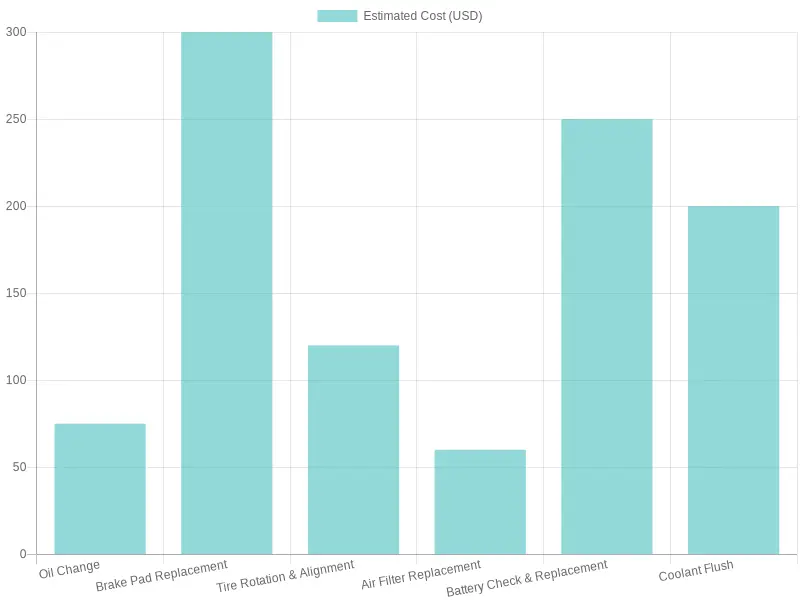
This table not only highlights the importance of consistent vehicle servicing but also the potential financial benefits of securing your investment through regular care. Neglecting vehicle maintenance can lead to costs that far exceed the relatively minor expenses of routine check-ups.
The Impact of Servicing on Resale Value of Used Cars
When it comes to the used car market, the importance of regular servicing cannot be overstated. A well-maintained vehicle can notably improve its resale value, making it more attractive to potential buyers. A comprehensive service history not only validates the car’s upkeep but also fosters buyer confidence. According to a recent analysis by CarGurus, vehicles with complete and documented service records command a 12% to 18% higher resale value compared to similar models lacking such documentation, making it evident that proper maintenance significantly influences resale potential.
The Benefits of Comprehensive Service Records
- Higher Resale Prices:
- Cars with documented maintenance histories were reported to sell for up to £2,300 more than identical models without these records, as highlighted by a survey by Autocar in 2026. A staggering 78% of buyers indicated a willingness to pay more for a vehicle that demonstrates proper care through service records.
- Perceived Value:
- Buyers often equate well-maintained cars with reliability and lower risk. Vehicles that include digital service logs are valued even higher, with average premiums reaching 22% over their less maintained counterparts.
- Market Demand:
- The Experian Automotive report indicates that cars servicing at franchised dealerships retain 25% more value after five years compared to those serviced at independent shops. This statistic underscores the importance of quality service environments in maintaining vehicle value.
- Confidence in Purchases:
- According to Experian, cars missing even one major service can expect a 9% to 14% drop in resale value. This significant depreciation highlights the critical role regular servicing plays in sustaining not just performance but also marketability.
Conclusion
Investing in routine maintenance and keeping thorough records can lead to a significant increase in your vehicle’s resale value. For local private car owners, used car buyers and sellers, and small business fleet operators, understanding the tangible benefits of a well-serviced vehicle is crucial. Ensure your vehicle’s service history is documented to maximize its appeal in the competitive used car market. To learn more about maintaining your vehicle effectively, you can check out our truck maintenance tips for first-time owners and optimal oil change intervals.
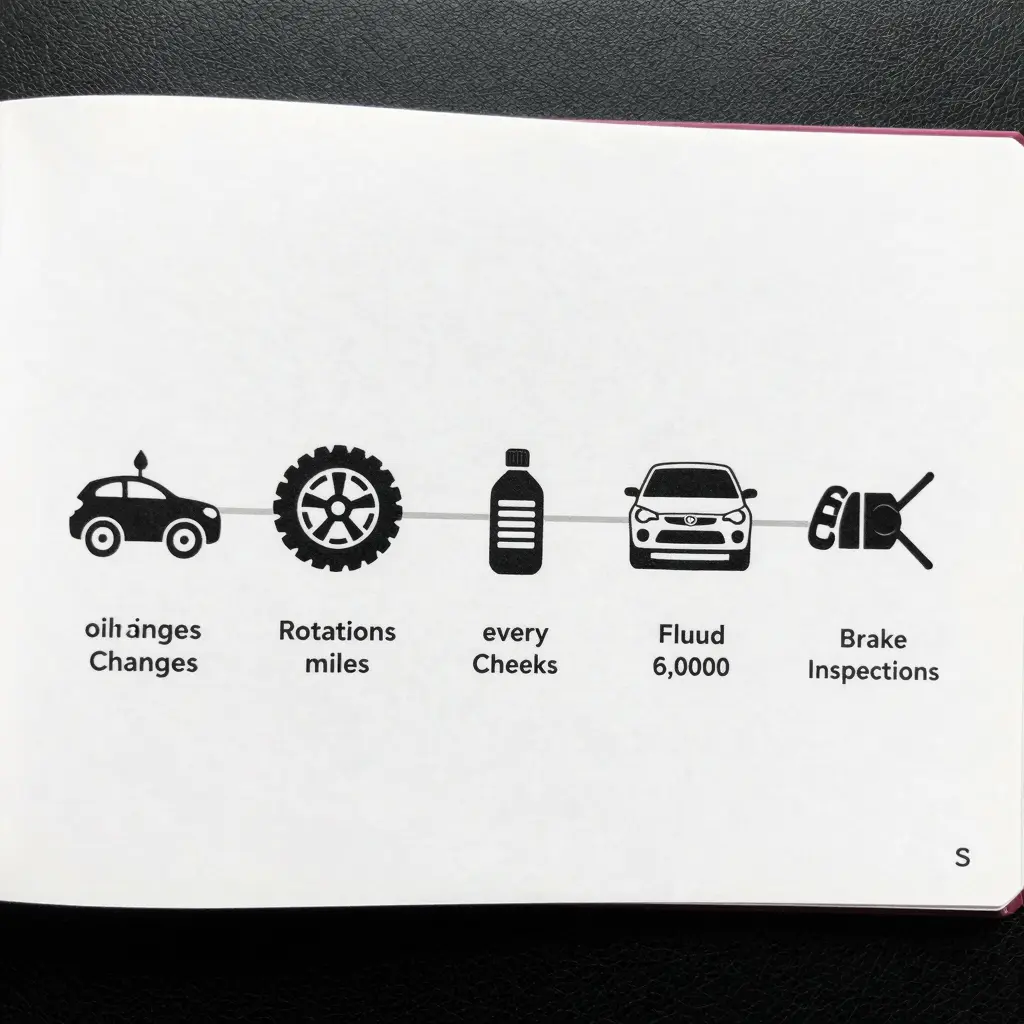
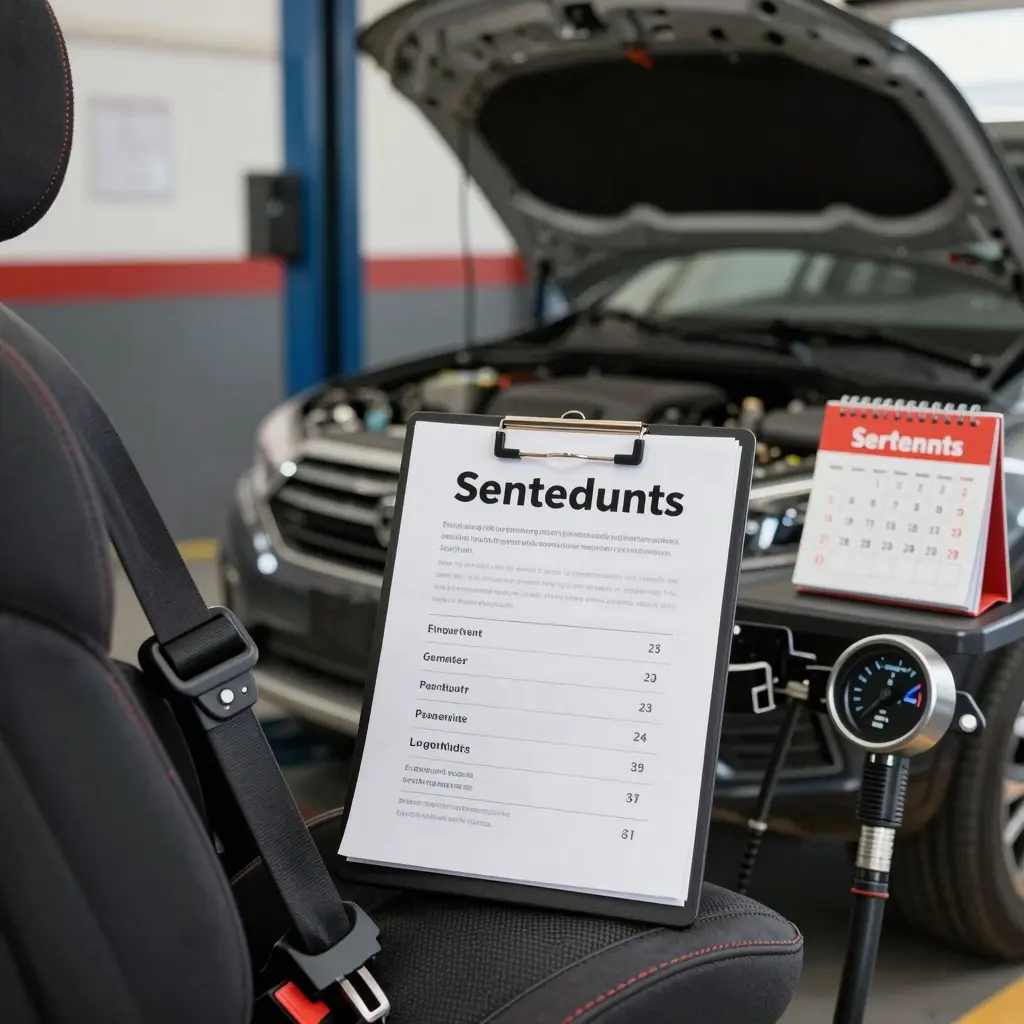
This image illustrates the timeline for regular vehicle maintenance, showcasing the recommended service intervals for tasks such as oil changes, tire rotations, and other critical maintenance steps that help keep a vehicle in optimal condition. Understanding and following this timeline can lead to better vehicle performance and longevity.
Conclusion
Maintaining a properly serviced vehicle is not just about keeping up appearances or meeting legal requirements; it’s a fundamental cornerstone of vehicle safety, performance, and longevity. Comprehensive servicing ensures that critical components such as brakes, tires, and engines are operating optimally, thereby significantly reducing the risk of mechanical failures while on the road. According to a 2026 report by the National Highway Traffic Safety Administration (NHTSA), vehicles that receive regular maintenance are 62% less likely to experience mechanical failures during operation. This statistic underscores the vital role that proactive maintenance plays in ensuring both safety and reliability.
Moreover, proper vehicle servicing boosts your vehicle’s efficiency. The U.S. Environmental Protection Agency (EPA) reports that cars that receive regular servicing can achieve fuel economy improvements of 10-15%, helping you save both money and the environment. Regular oil changes, tire rotations, and brake inspections are essential for prolonging the lifespan of your vehicle and enhancing its resale value as well. For instance, a well-documented maintenance history can increase resale value by up to 12% according to recent studies.
As a car owner-whether you’re managing a personal vehicle, a used car, or a fleet for your business-prioritizing regular maintenance can lead to substantial long-term benefits. Don’t wait for warning signs; schedule a maintenance appointment today to keep your vehicle running smoothly and safely. For detailed guidance, check out our Truck Maintenance Tips for First-Time Owners or learn about Optimal Oil Change Intervals. Taking care of your vehicle today means ensuring your safety on the road tomorrow!
Servicing Recommendations for Small Business Fleet Operators
For small business fleet operators, effective vehicle maintenance is crucial for longevity, efficiency, and, ultimately, financial performance. Implementing a tailored servicing strategy can help safeguard your investment while minimizing downtime and repair costs. Here are some vital strategies to consider:
1. Maintenance Frequency
- Oil Changes: Follow manufacturer specifications, typically every 5,000 to 7,500 miles or every 6 months, depending on usage and driving conditions (learn more about oil change intervals).
- Tire Rotations and Alignments: Rotate tires every 5,000 to 7,500 miles and check alignment every 6 months or as needed.
- Brake Inspection: Conduct inspections at least twice a year to monitor pad wear and overall brake health (diagnosing brake problems).
2. Preventative Maintenance
- Establish a preventative maintenance schedule that includes regular inspections of critical systems, such as brakes, lights, and fluids. Regular checks can prevent unexpected breakdowns and prolong vehicle life.
- Daily Checks: Encourage drivers to perform pre-trip inspections that include checking fluid levels, lights, and tire pressure to catch minor issues before they escalate.
3. Digitalized Tracking Systems
- Invest in fleet management software to maintain service records, schedule reminders, and monitor vehicle condition in real-time. This saves time and helps identify issues early on, ensuring systematic maintenance.
4. Driver Involvement
- Training: Train drivers to report any issues immediately and perform pre-trip checks. Their awareness can lead to early detection of potential problems, enhancing vehicle safety.
5. Record Keeping
- Maintain accurate records of all maintenance activities including repairs, inspections, and parts replacements. This data is essential for compliance and can also help in forecasting maintenance costs.
6. Service Provider Selection
- Choose service providers who are experienced with fleet operations. Establishing solid relationships with certified mechanics can lead to better service quality and pricing consistency.
7. Cost Management
- Regularly analyze maintenance costs per vehicle to identify trends and inefficiencies. Prioritize fixes that significantly impact operations without major expenditures.
8. Emergency Preparedness
- Develop a plan for emergency situations including roadside assistance and have backup vehicles ready to minimize downtime during unexpected repairs.
Conclusion
Implementing these best practices can significantly enhance the efficiency of small business fleets. By adhering to a proper service strategy, operators not only extend vehicle lifespan but also ensure compliance, safety, and savings.
Visual Representation of Best Practices
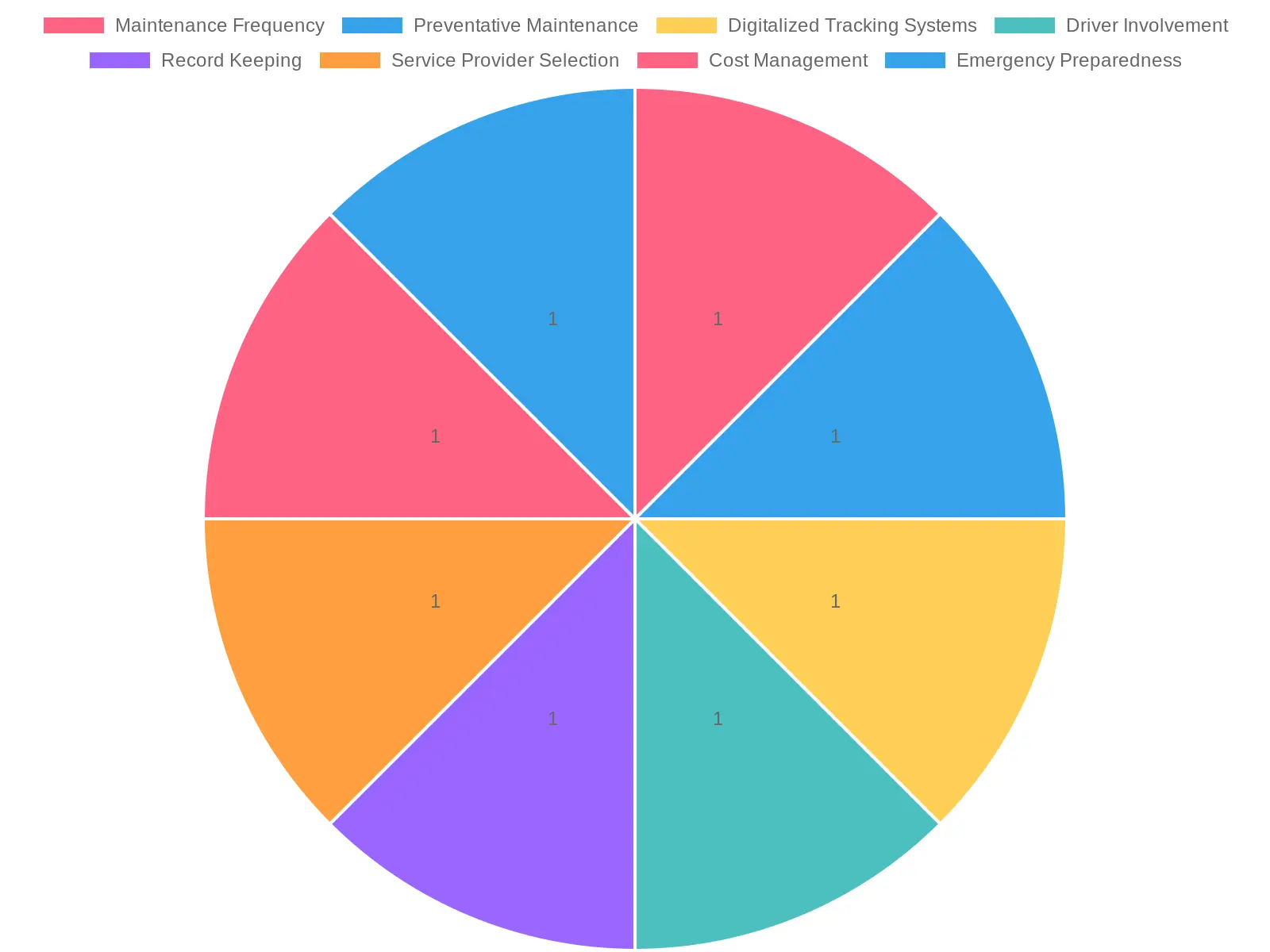
Distribution of Fleet Management Best Practices
For comprehensive tips tailored for maintaining your fleet effectively, visit our guide on truck maintenance tips for first-time owners.
Elevate Your Ride with Summit Fairings
Motorcycle enthusiasts understand that even the smallest upgrade can significantly enhance their riding experience. This is where Summit Fairings comes into play-offering premium motorcycle fairings that not only elevate your bike’s aesthetic appeal but also optimize its performance.
Why Choose Summit Fairings?
- Customization Options: With Summit Fairings, you can fully customize the look of your motorcycle. From vibrant color finishes to unique graphic designs, every detail can be personalized to reflect your individual style, making your ride truly one-of-a-kind.
- Performance Enhancement: Summit Fairings are engineered to improve aerodynamics, reduce wind resistance, and provide exceptional rider comfort. Whether you’re racing down the highway or cruising through town, these fairings provide better stability and fuel efficiency-key elements for any serious rider.
- Affordable Pricing: Upgrading your motorcycle has never been more accessible. Summit Fairings offers a diverse range of products, with prices ranging from $100 to $800 depending on the type and level of customization. This flexibility ensures that there’s an option for every budget.
Upgrade Today!
Imagine taking your motorcycle to the next level with a sleek, aerodynamic design that turns heads and enhances performance. Don’t wait-experience the thrill of riding with Summit Fairings. Learn more about motorcycle customization options today!

By upgrading your motorcycle with Summit Fairings, you elevate not only its performance but also your entire riding experience. Join the ranks of satisfied riders who have transformed their motorcycles into unique masterpieces. Upgrade now, and feel the difference on your next ride!